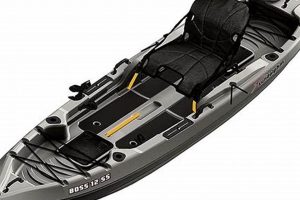
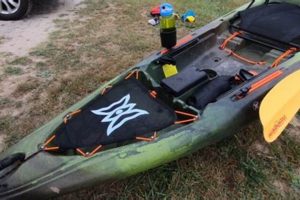
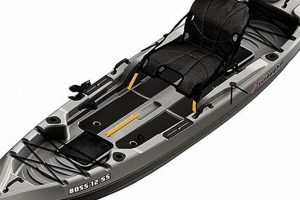
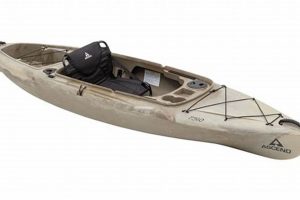
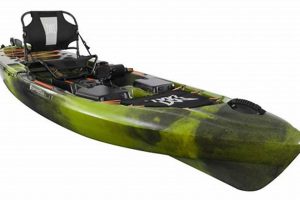
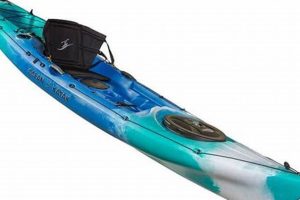
Choosing between two primary kayak styles for angling presents distinct advantages and disadvantages depending on the fishing environment, angler experience, and personal preferences. One style features an open deck, offering enhanced stability and ease of entry and exit, while the other encloses the angler’s lower body within the hull, providing greater protection from the elements and a drier ride.
Selecting the appropriate vessel type significantly impacts fishing success and overall enjoyment. Historically, enclosed kayaks dominated the market, favored for their seaworthiness and tracking ability. However, the rising popularity of recreational fishing and advancements in kayak design have led to the widespread adoption of open-deck options, particularly for calmer waters and specialized fishing techniques. This evolution highlights the importance of understanding the nuances of each design to make an informed decision.
This article will explore the key differences between these kayak types, considering factors such as stability, maneuverability, comfort, storage capacity, and specialized features relevant to fishing. Further discussion will delve into the suitability of each design for various fishing environments, from calm lakes and rivers to challenging ocean conditions.
Tips for Kayak Fishing Selection
Choosing the right kayak for fishing requires careful consideration of various factors, impacting stability, comfort, and overall fishing success. The following tips offer guidance for selecting the optimal vessel.
Tip 1: Consider the Fishing Environment: Calm lakes and slow-moving rivers favor one design due to its stability and ease of access. Open ocean or fast-flowing waters necessitate designs prioritizing tracking and protection from the elements.
Tip 2: Evaluate Stability Needs: Anglers prioritizing stability, especially when standing to cast, should opt for wider and flatter hulls, characteristic of certain designs. Those comfortable with less initial stability may prefer sleeker hulls offering enhanced speed and maneuverability.
Tip 3: Assess Storage Requirements: The amount and type of fishing gear influence storage needs. Designs offer varying storage options, including hatches, tank wells, and integrated rod holders.
Tip 4: Factor in Comfort and Accessibility: Consider physical limitations and desired comfort levels. Certain designs offer superior ease of entry and exit, adjustable seating, and ample legroom for extended fishing trips.
Tip 5: Prioritize Maneuverability vs. Tracking: Rivers and tight fishing spots benefit from highly maneuverable designs. Open water or long-distance paddling necessitates designs focused on straight-line tracking.
Tip 6: Evaluate Specialized Features: Features like rod holders, anchor trolleys, and fish finder mounts enhance fishing efficiency. Consider which specialized features align with specific fishing techniques and preferences.
Tip 7: Consider Transportation and Storage: The size and weight of the kayak impact transportation and storage logistics. Roof racks, trailers, or convenient storage solutions may be required.
By carefully considering these factors, anglers can select a kayak optimized for their individual needs and fishing style, ensuring a safe and successful fishing experience.
These considerations provide a framework for informed decision-making. The subsequent sections will delve into specific kayak models and further detail the advantages and disadvantages of each design.
1. Stability

Stability represents a critical factor in kayak fishing, directly influencing angler safety, comfort, and fishing effectiveness. Choosing between a sit-on-top and a sit-in kayak requires careful consideration of stability characteristics inherent in each design. This section explores the multifaceted nature of kayak stability as it pertains to these two primary kayak types.
- Primary Stability
Primary stability refers to the initial resistance a kayak offers to tipping when at rest. Sit-on-top kayaks, with their wider, flatter hulls, generally exhibit higher primary stability than sit-in kayaks. This characteristic makes them well-suited for beginners and anglers who prioritize stability for activities like standing casting. Conversely, sit-in kayaks, often featuring narrower and more rounded hulls, may feel less stable initially but offer different performance advantages.
- Secondary Stability
Secondary stability describes a kayak’s resistance to tipping as it leans further. While sit-on-tops may feel initially more stable, they often have a harder “edge” beyond which they become less stable. Sit-in kayaks, particularly those designed for rougher water, frequently exhibit greater secondary stability, allowing them to lean further before capsizing. This difference in secondary stability impacts performance in varying water conditions.
- Factors Affecting Stability
Beyond hull design, factors such as kayak width, length, and the distribution of weight within the kayak also influence stability. Wider kayaks generally offer more stability, while longer kayaks tend to track straighter. Proper weight distribution, achieved by correctly loading gear and maintaining a balanced posture, significantly enhances stability in both sit-on-top and sit-in kayaks.
- Stability and Fishing Activities
The required level of stability varies based on the type of fishing being pursued. Anglers frequently casting from a standing position will prioritize primary stability. Those fishing in rougher conditions or engaging in activities like trolling will benefit from the increased secondary stability offered by certain designs. Understanding these nuanced distinctions allows anglers to select a kayak optimized for their specific fishing style and environment.
Ultimately, the optimal choice between a sit-on-top and a sit-in kayak depends on the individual angler’s priorities and the intended fishing environment. Careful consideration of primary and secondary stability characteristics, along with other design factors, ensures a safe and productive fishing experience.
2. Comfort

Comfort significantly impacts fishing enjoyment and endurance, particularly during extended trips. Choosing between a sit-on-top and a sit-in kayak requires careful consideration of comfort factors inherent in each design. These factors encompass seating design, legroom, and overall ergonomics, all influencing angler experience. Sit-on-tops offer greater freedom of movement and often feature adjustable seating systems, promoting comfort for diverse body types. The open design allows for easier repositioning and stretching. However, this openness exposes anglers to the elements, potentially impacting comfort in colder or wetter conditions. Sit-in kayaks, conversely, offer a degree of protection from the elements, keeping anglers drier and warmer. However, their enclosed design can restrict legroom and mobility, particularly for taller individuals or those accustomed to a more open seating arrangement. The cockpit size and shape significantly influence comfort levels within sit-in kayaks.
For example, an angler with back issues might prioritize the adjustable backrest and open design of a sit-on-top, allowing for greater posture adjustment and freedom of movement. An angler fishing in colder climates might favor the enclosed cockpit of a sit-in kayak for its protection from wind and water. Practical considerations also extend to factors like seat padding and backrest support. High-quality padding and adjustable backrests significantly enhance comfort, especially during prolonged fishing sessions. Choosing appropriate attire further contributes to comfort, especially in sit-in kayaks where layers might be necessary to regulate body temperature in varying conditions.
Selecting the more comfortable kayak type depends on individual physical needs, fishing environment, and personal preferences. Understanding the trade-offs between freedom of movement and protection from the elements provides a framework for informed decision-making. Prioritizing comfort enhances not only enjoyment but also fishing performance by reducing fatigue and allowing for extended time on the water. This understanding proves crucial for selecting the optimal kayak for individual fishing requirements and maximizing the overall fishing experience.
3. Fishing Access
Fishing access, encompassing ease of entry and exit, casting range, and onboard maneuverability, represents a pivotal factor differentiating sit-on-top and sit-in kayaks. Sit-on-tops, by design, offer unparalleled ease of entry and exit, advantageous for anglers with mobility limitations or those fishing in shallow, accessible waters. Their open deck facilitates unhindered casting, particularly useful for techniques requiring a wide range of motion. Conversely, sit-in kayaks present challenges regarding entry and exit, demanding greater flexibility and balance. While offering a secure, seated position, the enclosed cockpit can restrict casting range, especially overhead or side casts. Maneuverability within the kayak also differs. Sit-on-tops allow for quick adjustments and repositioning, aiding techniques requiring frequent shifts in weight or position. Sit-ins, while stable, can limit movement within the cockpit. Consider a fly fisherman wading in a shallow river: a sit-on-top facilitates quick transitions between wading and paddling, while a sit-in presents logistical challenges. Similarly, an angler targeting bass in a weedy lake benefits from the open casting platform of a sit-on-top, enabling precise lure placement.
The impact of fishing access extends beyond mere convenience. It directly influences fishing success by dictating accessible fishing locations and impacting casting efficiency. For instance, navigating tight mangrove tunnels or shallow creeks becomes more feasible in a sit-on-top due to its maneuverability and shallow draft. Standing to sight-fish in a sit-on-top offers a significant advantage over the seated position in a sit-in. However, in rougher conditions, the stability and security offered by a sit-in kayak outweigh the access advantages of a sit-on-top. An angler battling ocean swells benefits from the secure cockpit of a sit-in, enabling them to maintain balance and focus on fishing, whereas a sit-on-top might prove unstable in such conditions. Therefore, the ideal choice hinges on balancing access needs with environmental considerations.
Understanding the nuances of fishing access associated with each kayak type proves essential for informed decision-making. Evaluating intended fishing locations, target species, and preferred fishing techniques allows anglers to prioritize access requirements. This informed selection directly impacts both fishing effectiveness and overall enjoyment on the water. Choosing the appropriate kayak type based on access considerations enhances opportunities for success and contributes to a more rewarding fishing experience, regardless of skill level or target species.
4. Gear Storage

Gear storage considerations significantly influence kayak fishing practicality and efficiency. Differing storage capacities and access methods between sit-on-top and sit-in kayaks necessitate careful evaluation based on individual fishing styles and gear requirements. Understanding these differences proves crucial for informed decision-making.
- Storage Capacity
Sit-in kayaks often provide larger, enclosed storage compartments within the hull, suitable for bulky items like tackle boxes and camping gear. Sit-on-tops typically offer smaller, externally accessible storage areas, including tank wells and deck rigging, better suited for frequently used items like rods and paddles. The trade-off involves capacity versus accessibility.
- Accessibility
Sit-on-top storage prioritizes quick access, enabling anglers to retrieve gear without exiting the kayak. Sit-in storage, while offering greater protection from the elements, often requires reaching into compartments, potentially disrupting fishing flow. This accessibility distinction impacts fishing efficiency and overall organization.
- Waterproofing
Sit-in kayaks inherently offer better protection from water ingress, safeguarding stored gear from splashes and submersion. Sit-on-top storage relies on waterproof bags and containers to protect sensitive equipment. This waterproofing consideration impacts gear longevity and reliability.
- Gear Organization
Dedicated compartments and rigging options on both kayak types facilitate gear organization. Sit-in kayaks often incorporate internal dividers and specialized compartments for specific items. Sit-on-tops utilize bungee cords, deck rigging, and specialized accessories for securing gear externally. Effective organization streamlines fishing processes and maximizes efficiency.
Ultimately, the optimal choice depends on individual fishing needs and gear preferences. Anglers carrying minimal gear or prioritizing quick access might favor the open design of a sit-on-top. Those requiring substantial storage capacity or enhanced gear protection, particularly in challenging conditions, likely benefit from the enclosed storage of a sit-in kayak. Careful consideration of storage capacity, accessibility, waterproofing, and organization ensures efficient gear management, contributing to a more productive and enjoyable fishing experience.
5. Weather Protection
Weather protection plays a crucial role in angler comfort and safety, particularly during extended fishing trips or unpredictable conditions. Selecting between a sit-on-top and a sit-in kayak requires careful consideration of the inherent weather protection offered by each design. This protection, or lack thereof, significantly impacts the fishing experience, influencing factors such as body temperature regulation, gear protection, and overall resilience to varying weather conditions.
- Exposure to Elements
Sit-on-top kayaks, due to their open design, expose anglers directly to wind, rain, and spray. While offering ventilation and freedom of movement, this exposure can lead to discomfort and even hypothermia in colder climates. Conversely, sit-in kayaks offer a degree of protection from the elements, shielding anglers from wind and water. This enclosed cockpit helps maintain body temperature and provides a drier, more comfortable experience in adverse conditions. For example, an angler fishing in cold rain will appreciate the shelter provided by a sit-in, whereas an angler fishing in warm, sunny conditions might find the open design of a sit-on-top more comfortable.
- Water Ingress
Sit-in kayaks, while offering protection from above, are susceptible to water ingress through the cockpit opening, particularly during rough conditions or capsize. Scupper holes in sit-on-tops allow water to drain readily, preventing accumulation on the deck. However, this drainage system also means that anglers’ feet and lower legs are frequently wet, increasing susceptibility to cold. A spray skirt significantly enhances weather protection in a sit-in kayak by sealing the cockpit opening, minimizing water entry. An angler paddling through waves or whitewater will experience less water intrusion in a properly equipped sit-in than in a sit-on-top.
- Wind Protection
The higher profile of a sit-on-top kayak increases susceptibility to wind resistance, making paddling more challenging in windy conditions. The lower profile and enclosed cockpit of a sit-in kayak offer better wind protection, reducing drag and improving paddling efficiency. Consider an angler fishing on a large lake on a windy day: the sit-in kayaker will experience less wind resistance and maintain better control than the sit-on-top kayaker.
- Gear Protection
Sit-in kayaks offer superior gear protection from the elements due to enclosed storage compartments. Sit-on-top kayaks, relying primarily on external storage, require waterproof bags and containers to protect gear from rain and spray. An angler carrying sensitive electronic equipment, like a fish finder or camera, will appreciate the added protection offered by a sit-in kayak’s internal storage.
Choosing between a sit-on-top and a sit-in kayak based on weather protection considerations depends largely on the anticipated fishing environment and personal tolerance for exposure to the elements. Anglers fishing in consistently warm and calm conditions might prioritize the ventilation and freedom of movement offered by a sit-on-top. Conversely, anglers fishing in colder climates, rougher waters, or unpredictable weather conditions will likely benefit from the enhanced weather protection afforded by a sit-in kayak. Understanding these nuances allows anglers to make informed decisions, prioritizing comfort and safety while maximizing time on the water.
6. Maneuverability

Maneuverability, the ability to efficiently navigate and control a kayak’s direction, represents a critical factor influencing fishing success and overall on-the-water experience. Kayak maneuverability depends significantly on hull design, length, and width, all varying considerably between sit-on-top and sit-in models. Understanding these factors proves essential for anglers seeking to optimize their kayak selection for specific fishing environments and techniques.
- Turning Radius and Tracking
Shorter kayaks generally exhibit a tighter turning radius, facilitating navigation in confined spaces like creeks and rivers. Longer kayaks, conversely, tend to track straighter, beneficial for open-water paddling and covering longer distances. Sit-on-top kayaks, often shorter and wider, frequently excel in maneuverability, while longer, narrower sit-in kayaks often prioritize tracking. Consider navigating a winding river: a shorter, more maneuverable sit-on-top allows for quicker adjustments to changing currents and obstacles, whereas a longer sit-in might prove cumbersome.
- Hull Design Influence
Hull shape significantly impacts maneuverability. Flat-bottomed hulls offer enhanced maneuverability in shallow water and tight turns, while rounded or V-shaped hulls prioritize speed and tracking in open water. A flatter hull, common in recreational sit-on-tops, performs well in shallow, protected environments, whereas a V-shaped hull, frequently found in touring sit-in kayaks, excels in open water with choppier conditions.
- Impact of Kayak Length and Width
Kayak length and width directly correlate with maneuverability. Wider kayaks generally offer greater stability but sacrifice maneuverability, while narrower kayaks enhance maneuverability but compromise stability. Longer kayaks track better in a straight line but require more effort to turn, while shorter kayaks turn easily but might struggle to maintain a straight course. Selecting the appropriate balance depends on the intended fishing environment and personal preferences.
- Maneuverability in Specific Fishing Scenarios
Fishing in tight quarters, such as navigating mangrove tunnels or pursuing fish in shallow creeks, necessitates a highly maneuverable kayak. A shorter sit-on-top often proves ideal in these scenarios. Conversely, trolling in open water or covering long distances benefits from a kayak prioritizing tracking over maneuverability, a characteristic frequently found in longer sit-in kayaks. Anglers targeting specific species in particular environments benefit from considering these maneuverability distinctions.
Ultimately, selecting a kayak based on maneuverability requires careful consideration of the intended fishing environment, target species, and preferred fishing techniques. Balancing maneuverability with stability, tracking, and other performance characteristics ensures an optimal fishing experience. Understanding these interconnected factors enables anglers to choose the kayak best suited to their individual needs and maximizes their chances of success on the water.
Frequently Asked Questions
This section addresses common inquiries regarding the selection of sit-on-top and sit-in kayaks for fishing, providing concise and informative responses to aid decision-making.
Question 1: Which kayak type is better for beginners?
Generally, sit-on-top kayaks offer greater initial stability, making them suitable for beginners. However, individual comfort and intended use should also be considered.
Question 2: Which kayak type is better for fishing in rough water?
Sit-in kayaks typically offer better performance and safety in rough water due to their lower center of gravity and ability to shed waves more effectively. However, specialized sit-on-top designs exist for surf and open-water conditions.
Question 3: Which kayak type offers more storage space?
Sit-in kayaks generally offer more internal storage capacity. Sit-on-top kayaks offer more readily accessible external storage but less overall capacity.
Question 4: Are sit-on-top kayaks more likely to capsize?
While sit-on-tops might feel less stable initially when leaned, their open design makes them self-bailing and easy to re-enter after a capsize. Capsize likelihood depends on factors such as water conditions, kayak design, and user experience.
Question 5: Which kayak type is easier to transport?
Both kayak types can present transportation challenges. Sit-on-tops are often lighter and easier to load onto a vehicle, but their bulkier shape can require specialized roof racks. Sit-in kayaks might be heavier and less bulky, depending on the material and design.
Question 6: Which kayak type is better for fishing in cold weather?
Sit-in kayaks offer greater protection from the elements, making them generally more suitable for cold-weather fishing. Proper layering and cold-water gear are essential regardless of kayak choice in cold conditions.
Careful evaluation of individual needs and fishing environment remains crucial. Further research into specific kayak models within each category is recommended to determine the optimal choice.
This FAQ section provides a general overview. Consulting with experienced kayak anglers or retailers can provide further personalized guidance.
Sit-on-top vs. Sit-in Kayak for Fishing
Selecting between a sit-on-top and a sit-in kayak for fishing requires careful consideration of numerous factors. This article explored key differentiators, including stability, comfort, fishing access, gear storage, weather protection, and maneuverability. Each characteristic presents distinct advantages and disadvantages relevant to specific fishing styles and environments. Sit-on-top kayaks excel in stability, ease of access, and maneuverability, proving advantageous for calm-water fishing and anglers prioritizing ease of use. Sit-in kayaks offer superior weather protection, gear storage, and tracking capabilities, making them suitable for challenging conditions and longer expeditions. No single “best” choice exists; the optimal kayak depends entirely on individual angler needs and intended usage.
Ultimately, informed decision-making hinges on a thorough understanding of these nuanced distinctions. Careful evaluation of personal fishing style, target species, and prevailing environmental conditions allows for a tailored selection. Choosing the appropriate kayak enhances not only fishing success but also overall safety and enjoyment on the water. This informed approach ensures a rewarding fishing experience tailored to individual preferences and aspirations.