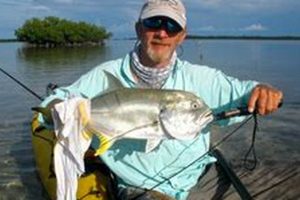
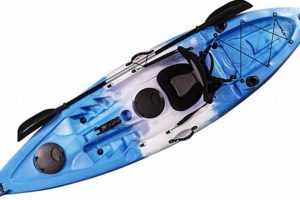
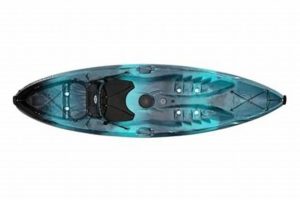
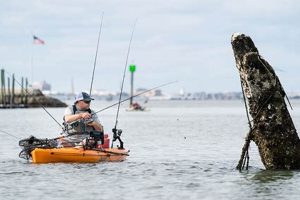
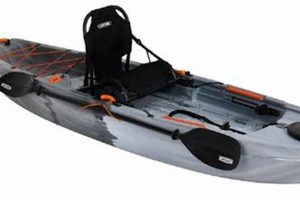
A kayak specifically outfitted for angling offers a unique and effective platform for pursuing various fish species. These vessels are typically equipped with specialized features like rod holders, storage compartments for gear and bait, and often anchor trolleys or stake-out systems. An angler might choose a sit-on-top model for stability and ease of entry/exit, or a sit-inside model for protection from the elements and drier storage. For example, a pedal-driven version provides hands-free propulsion, allowing for simultaneous fishing and maneuvering.
This specialized watercraft grants anglers access to shallow waters and secluded fishing spots often unreachable by larger boats. Its quiet operation minimizes disturbance to fish, enhancing stealth and increasing the chances of a successful catch. The evolution of these vessels from basic recreational kayaks to purpose-built fishing platforms reflects the growing popularity of this angling approach. Improved stability, specialized storage solutions, and integrated technology such as fish finders have significantly elevated the effectiveness and enjoyment of this method.
Further exploration of this topic will delve into selecting the right watercraft for individual fishing styles, essential accessories, and safe practices for maximizing on-the-water experiences.
Tips for Kayak Fishing
Proper preparation and mindful practices contribute significantly to successful and enjoyable kayak angling experiences. The following tips offer guidance for optimizing equipment and techniques.
Tip 1: Prioritize Stability: Vessel stability is paramount. Consider the water conditions and choose a kayak with appropriate width and hull design for optimal balance.
Tip 2: Organize Tackle Strategically: Efficient tackle organization is crucial. Utilize storage compartments and tackle boxes to keep essential gear readily accessible and prevent clutter.
Tip 3: Master Paddle or Pedal Propulsion: Proficiency in maneuvering the vessel is essential. Practice efficient paddling techniques or familiarize oneself with pedal-drive systems for seamless navigation.
Tip 4: Employ Appropriate Anchoring Techniques: Secure anchoring prevents drifting and maintains position in desired fishing locations. Utilize anchor trolleys or stake-out systems for optimal control.
Tip 5: Prioritize Safety Equipment: Carry essential safety gear, including a personal flotation device, a whistle, and a communication device. Adhere to local regulations and be prepared for unexpected situations.
Tip 6: Respect the Environment: Practice Leave No Trace principles. Properly dispose of fishing line and other waste materials to minimize environmental impact.
Tip 7: Plan and Prepare: Research fishing locations and weather conditions before embarking on an excursion. Inform someone of intended destinations and estimated return times.
By adhering to these guidelines, anglers can enhance their safety, improve their efficiency, and maximize their chances of success while minimizing environmental impact.
These tips provide a foundation for successful kayak angling. Further sections will delve into specific techniques and equipment choices for various fishing styles and target species.
1. Kayak Selection

Kayak selection represents a critical decision within the broader context of fishing tackle kayak preparation. The chosen vessel directly impacts angler safety, fishing effectiveness, and overall experience. A stable platform, crucial for casting and landing fish, necessitates careful consideration of hull design and width. For instance, a wider, flatter-bottomed kayak provides enhanced stability in calm lakes, while a longer, V-hulled kayak offers better tracking and performance in rivers or choppy conditions. The selected kayak must also accommodate essential fishing accessories. Sufficient rod holders, strategically placed for easy access, are vital. Ample storage space for tackle boxes, bait, and other equipment contributes to efficient organization and an uncluttered fishing environment. Failure to prioritize these considerations can compromise both safety and fishing success.
Further illustrating this connection, consider the scenario of targeting large game fish in offshore waters. A sit-on-top kayak with a high weight capacity, specialized rod holders for heavy tackle, and ample storage for large landing nets becomes essential. Conversely, navigating narrow creeks and shallow-water fishing might favor a smaller, more maneuverable sit-in kayak prioritizing stealth and shallow draft. Understanding the interplay between kayak selection and the specific fishing environment is paramount. Choosing a kayak suited to the intended fishing style and target species significantly enhances angling effectiveness and overall enjoyment.
In summary, kayak selection constitutes a foundational element within the fishing tackle kayak system. A thoughtfully chosen vessel, aligned with specific fishing needs, directly contributes to both safety and successful angling. Careful consideration of stability, storage capacity, and compatibility with essential fishing accessories allows anglers to optimize their experience and focus on the pursuit of their target species. Overlooking these critical elements can lead to compromised safety, inefficient fishing practices, and a diminished overall experience. Subsequent exploration of specific kayak types and features will further illuminate the intricacies of this crucial decision-making process.
2. Rod Holders

Rod holders represent a crucial component of a fishing tackle kayak, significantly influencing angling effectiveness and safety. They provide secure storage for rods, freeing hands for paddling, landing fish, and managing other equipment. This secure storage prevents rod loss or damage, particularly in challenging conditions such as rough water or when navigating tight spaces. Furthermore, strategically positioned rod holders enable anglers to troll multiple lines simultaneously, increasing the chance of attracting fish. For example, flush-mounted rod holders offer a streamlined profile, minimizing snag potential while trolling, while adjustable rod holders allow for precise angling adjustments based on target species and fishing techniques. The absence of adequate rod holders necessitates constant rod management, distracting from critical fishing tasks and increasing the risk of accidents.
The type and placement of rod holders impact kayak stability and angler efficiency. Improperly installed or overloaded rod holders can compromise balance, especially during casting or fighting fish. Conversely, well-placed and appropriately utilized rod holders contribute to a balanced and organized fishing platform. Consider a scenario involving an angler targeting bottom-dwelling species. Vertical rod holders positioned near the kayak’s center enhance line sensitivity and facilitate efficient hook sets. Alternatively, an angler trolling for pelagic fish benefits from angled rod holders positioned towards the stern, minimizing line tangling and maximizing spread coverage. These examples underscore the practical significance of understanding rod holder placement and its impact on specific fishing techniques.
In summary, effective rod holder integration is integral to a well-equipped fishing tackle kayak. Rod holders directly influence angler safety, fishing efficiency, and overall success. Careful consideration of rod holder type, quantity, and placement optimizes kayak balance, facilitates diverse fishing techniques, and enhances the overall angling experience. Failing to prioritize rod holder selection and installation can lead to compromised safety, inefficient fishing practices, and a less productive outing. Further exploration will delve into specific rod holder types and their suitability for various fishing styles and kayak configurations.
3. Tackle Storage
Effective tackle storage is paramount for a successful and streamlined fishing tackle kayak experience. Organized storage directly influences angling efficiency, minimizing wasted time searching for gear and maximizing time spent fishing. A well-designed storage system contributes significantly to maintaining a clutter-free kayak, crucial for both safety and fishing effectiveness.
- Accessibility
Easy access to essential tackle items, such as lures, hooks, and line, is crucial. Readily accessible storage compartments and tackle boxes within easy reach of the angler minimize disruption during critical fishing moments. For example, a quick lure change can be executed seamlessly without having to rummage through a cluttered storage area, thus maximizing fishing opportunities.
- Organization
A well-organized system facilitates efficient tackle retrieval and prevents tangled lines or lost gear. Dedicated compartments for different lure types, hooks, sinkers, and tools minimize wasted time and frustration. This organized approach enhances the overall fishing experience, allowing the angler to focus on the task at hand. For instance, separating soft plastic baits from terminal tackle prevents damage and maintains lure integrity.
- Security
Secure storage protects tackle from water damage, loss, and movement within the kayak during transport or rough water conditions. Watertight compartments or sealed tackle boxes safeguard sensitive electronic equipment and prevent rust or corrosion. For example, storing essential gear in waterproof containers prevents damage during unexpected splashes or capsizing, maintaining the functionality of vital equipment.
- Capacity
Adequate storage capacity is essential for accommodating all necessary fishing gear. The appropriate storage volume varies depending on the length of the fishing trip, target species, and fishing techniques employed. For instance, a multi-day fishing excursion necessitates more extensive storage capacity compared to a short afternoon trip, requiring careful consideration of storage solutions to accommodate the necessary gear.
These facets of tackle storage collectively contribute to an optimized fishing tackle kayak system. Prioritizing these aspects enhances angler efficiency, safety, and overall enjoyment. A well-organized and accessible tackle storage system allows anglers to focus on the critical aspects of fishing, increasing the likelihood of success and contributing to a more positive on-the-water experience. Neglecting these considerations can result in a disorganized, inefficient, and ultimately less productive fishing trip.
4. Stability
Stability forms a cornerstone of effective kayak fishing, directly impacting safety, angling efficiency, and overall success. A stable platform provides the foundation for accurate casting, effective fish fighting, and safe maneuvering in various water conditions. Compromised stability not only hinders fishing performance but also poses safety risks, particularly when dealing with challenging conditions or larger fish. Understanding the factors that contribute to kayak stability is essential for anglers seeking to optimize their on-the-water experience.
- Hull Design
Hull design plays a pivotal role in kayak stability. Wider, flatter hulls offer greater initial stability, making them suitable for calmer waters and activities like stand-up fishing. However, they may sacrifice maneuverability and tracking performance. Conversely, narrower, V-shaped hulls excel in tracking and cutting through waves but offer less initial stability. Selecting a hull design appropriate for the intended fishing environment and angler experience level is crucial.
- Weight Distribution
Proper weight distribution significantly influences kayak stability. Evenly distributing gear and maintaining a low center of gravity enhances balance. Concentrating weight in one area compromises stability, increasing the risk of capsizing. Anglers must consider the combined weight of their body, the kayak, and all gear when assessing stability. Proper packing and loading techniques are essential for maintaining balance and maximizing safety.
- Water Conditions
Water conditions directly impact kayak stability. Calm, flat water presents fewer stability challenges compared to rough seas or fast-flowing rivers. Wind, currents, and waves can significantly affect kayak balance, requiring anglers to adapt their techniques and positioning. Understanding how different water conditions influence stability is vital for safe and successful kayak fishing.
- Angler Positioning and Movement
Angler positioning and movement within the kayak significantly affect its stability. Sudden movements, leaning too far over the side, or standing up abruptly can compromise balance and lead to capsizing. Maintaining a centered position and making slow, deliberate movements contributes to stability. Practicing casting and landing fish while maintaining balance is essential for safe and effective kayak fishing.
These interconnected factors underscore the multifaceted nature of kayak stability. Understanding their influence and interrelationships allows anglers to make informed decisions regarding kayak selection, gear placement, and on-the-water techniques. Prioritizing stability contributes significantly to both safety and fishing effectiveness, enhancing the overall kayak angling experience. Neglecting these considerations compromises performance and increases the risk of accidents, potentially jeopardizing both angler safety and equipment integrity.
5. Propulsion
Propulsion systems represent a critical aspect of fishing tackle kayak configuration, directly influencing angler efficiency, access to fishing grounds, and overall on-the-water experience. The chosen propulsion method impacts maneuverability, speed, and stealth, each factor playing a significant role in fishing success. Understanding the advantages and disadvantages of various propulsion systems empowers anglers to make informed decisions tailored to their specific fishing needs and target environments.
Traditional paddle propulsion offers versatility and affordability. Paddle-powered kayaks grant access to shallow, confined waterways often inaccessible to motorized vessels. They also provide a quiet, non-intrusive approach beneficial for stealth fishing in calm waters. However, paddling requires physical exertion, potentially limiting fishing time and reach, especially in challenging conditions such as strong currents or wind. Conversely, pedal-driven kayaks offer hands-free operation, allowing anglers to focus on fishing while simultaneously maneuvering the vessel. This advantage proves particularly valuable for techniques requiring precise boat control, such as trolling or bottom fishing. Pedal kayaks often facilitate faster speeds and cover greater distances, expanding fishing opportunities. However, they typically come at a higher price point and may limit access to extremely shallow waters due to their underwater propulsion systems. Electric motor-powered kayaks combine the advantages of both paddle and pedal systems, offering speed, range, and hands-free operation. These systems excel in covering long distances and battling strong currents, expanding access to remote fishing locations. However, they introduce the added complexities of battery management and charging, along with potential noise disruption that may affect fish behavior.
The choice of propulsion system significantly influences the overall fishing tackle kayak experience. Each method presents unique advantages and disadvantages requiring careful consideration based on individual fishing styles, target species, and prevalent water conditions. Selecting an appropriate propulsion system tailored to these factors optimizes angling effectiveness and overall enjoyment. Failure to carefully consider propulsion requirements can limit access to prime fishing areas, reduce fishing time due to fatigue, and compromise stealth, ultimately impacting fishing success.
6. Safety Gear

Safety gear represents a non-negotiable aspect of responsible fishing tackle kayak operation. Prioritizing safety ensures angler well-being and preparedness for unforeseen circumstances. Overlooking safety precautions compromises not only personal safety but also the overall enjoyment and success of the fishing experience. The following facets highlight essential safety considerations integral to responsible kayak angling.
- Personal Flotation Device (PFD)
A properly fitted PFD is paramount. This essential piece of equipment provides buoyancy and increases the chances of survival in the event of capsizing or accidental immersion. Different PFD types exist, each designed for specific activities and water conditions. Anglers should choose a PFD designed for paddling and ensure it fits snugly without restricting movement. For example, inflatable PFDs offer greater comfort and freedom of movement, while inherently buoyant PFDs provide immediate flotation. Neglecting to wear a PFD significantly increases the risk of drowning, particularly in cold water or challenging conditions.
- Communication Devices
Maintaining communication capability is crucial for summoning assistance in emergencies. A waterproof cell phone, VHF radio, or personal locator beacon (PLB) enables communication with emergency services or shore contacts. Sharing planned fishing locations and estimated return times with someone on shore further enhances safety. For instance, a VHF radio allows direct communication with the Coast Guard and other boaters in the area, while a PLB transmits an emergency signal to search and rescue authorities. The absence of reliable communication can delay rescue efforts and exacerbate potentially dangerous situations.
- Signaling Devices
Carrying signaling devices increases visibility and aids in attracting attention in emergencies. A whistle, signal mirror, or flare can alert other boaters or rescuers to an angler’s location. These devices prove particularly valuable in situations involving capsizing, injury, or disorientation. For example, a whistle can be heard over considerable distances, even in noisy environments, while a signal mirror reflects sunlight to attract attention. Lacking appropriate signaling devices can hinder rescue efforts, especially in low-visibility conditions or remote locations.
- First-Aid Kit and Emergency Supplies
A well-stocked first-aid kit and essential emergency supplies address minor injuries and provide basic sustenance in unforeseen circumstances. Essential items include bandages, antiseptic wipes, pain relievers, sunscreen, and a supply of drinking water. A waterproof bag or container protects these supplies from the elements. For instance, having a basic first-aid kit on board allows for immediate treatment of minor cuts, hooks, or insect bites, preventing infection and further complications. The absence of these essential supplies can exacerbate minor injuries and create discomfort, potentially jeopardizing the fishing trip.
These interconnected safety measures are integral to responsible fishing tackle kayak operation. Prioritizing safety equipment and preparedness minimizes risks and ensures a more enjoyable and successful angling experience. Neglecting these crucial elements can have serious consequences, compromising angler safety and potentially jeopardizing the entire fishing trip. Proper preparation and adherence to safety guidelines allow anglers to focus on the enjoyment of the sport while minimizing potential hazards.
Frequently Asked Questions
Addressing common inquiries regarding specialized fishing kayaks provides clarity and facilitates informed decision-making for anglers considering this specialized equipment.
Question 1: What differentiates a fishing kayak from a recreational kayak?
Fishing kayaks incorporate specialized features such as rod holders, tackle storage compartments, and anchor trolleys, enhancing angling functionality compared to standard recreational kayaks.
Question 2: Are sit-on-top kayaks better for fishing than sit-inside kayaks?
Each type offers distinct advantages. Sit-on-top kayaks provide superior stability and ease of entry/exit, while sit-inside kayaks offer better protection from the elements and drier storage. Selection depends on individual preferences and fishing conditions.
Question 3: What safety precautions are essential for kayak fishing?
Essential safety measures include wearing a personal flotation device (PFD), carrying communication and signaling devices, informing someone of fishing plans, and checking weather conditions prior to departure.
Question 4: How does one choose the right size fishing kayak?
Kayak size selection depends on angler weight, intended fishing locations, and gear storage requirements. Longer kayaks track better in open water, while shorter kayaks offer enhanced maneuverability in tight spaces. Weight capacity considerations ensure safe operation.
Question 5: What essential accessories enhance the kayak fishing experience?
Recommended accessories include a fish finder, anchor trolley or stake-out pole, dry bag for personal items, and appropriate paddle or pedal drive system. Selection depends on individual fishing styles and target species.
Question 6: How does one transport a fishing kayak?
Transportation options include roof racks, trailers, and truck beds. Securing the kayak with appropriate straps and tie-down points ensures safe transport and prevents damage to the vessel.
Addressing these common inquiries provides a foundation for understanding key considerations related to specialized fishing kayaks. Careful consideration of these factors facilitates informed decision-making and contributes to a safe and successful fishing experience.
Further exploration of specific kayak models, fishing techniques, and safety practices will enhance angler knowledge and preparedness for on-the-water excursions.
Conclusion
Specialized fishing kayaks offer a unique platform for anglers seeking enhanced access and engagement with aquatic environments. Careful consideration of vessel selection, propulsion systems, tackle storage, and safety equipment is essential for maximizing fishing effectiveness and ensuring angler safety. Understanding the interplay between these elements contributes significantly to a successful and rewarding experience. Proper preparation and adherence to safety guidelines empower anglers to fully appreciate the advantages afforded by these specialized vessels.
The ongoing evolution of kayak design and fishing technology promises continued advancements in this specialized angling domain. Embracing informed decision-making practices ensures that anglers can fully leverage these advancements, fostering responsible and sustainable engagement with the sport for years to come.