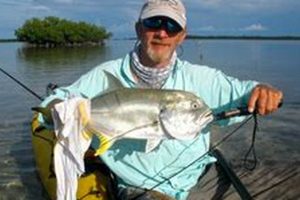
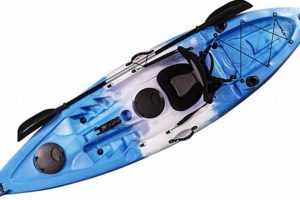
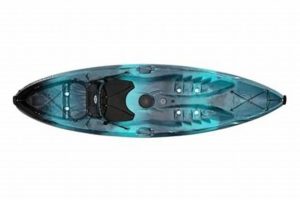
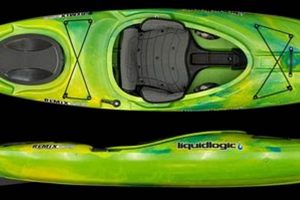
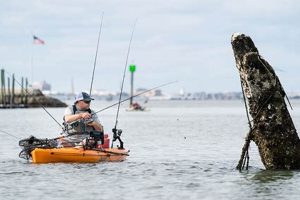
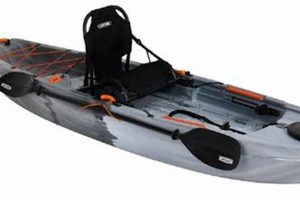
A sit-on-top kayak designed specifically for angling offers stability, open deck space for gear and movement, and specialized features like rod holders, tackle storage, and anchor trolleys. These vessels provide anglers with a unique platform to access shallow waters and various fishing locations often inaccessible by larger boats.
The stability and specialized features of this type of kayak enhance the angling experience. They allow for hands-free fishing, easier casting, and improved maneuverability. This design opens up new possibilities for anglers, offering a blend of affordability, portability, and access to diverse fishing environments. The evolution of kayak design for fishing has contributed significantly to the growing popularity of this method.
The following sections will delve into specific aspects of choosing and effectively utilizing a fishing kayak, covering topics such as hull design, essential accessories, safety considerations, and popular fishing techniques.
Tips for Fishing from a Sit-on-Top Kayak
Effective angling from a sit-on-top kayak requires careful planning and execution. These tips offer guidance for a successful and enjoyable fishing experience.
Tip 1: Prioritize Stability: Kayak stability is paramount. Wider, flatter hulls offer greater initial stability, beneficial for beginners. Longer kayaks generally track better in open water. Consider individual needs and fishing environment when selecting a hull design.
Tip 2: Organize and Secure Gear: Efficient gear organization is crucial. Utilize storage compartments, deck rigging, and dry bags to keep essential equipment within easy reach and protected from water. Proper weight distribution enhances stability and maneuverability.
Tip 3: Master Paddle Strokes: Proficiency in basic paddle strokes, including forward, reverse, and sweep strokes, allows for efficient navigation and precise boat control. Practice these techniques in calm water before venturing into challenging conditions.
Tip 4: Choose Appropriate Safety Equipment: A personal flotation device (PFD) is essential. Carry a whistle, signaling mirror, and communication device for emergencies. Adhering to local regulations and understanding navigational rules ensures a safe fishing trip.
Tip 5: Employ Effective Anchoring Techniques: Anchoring effectively prevents drifting in current or wind. Use a dedicated anchor trolley system to maintain boat position and control drift speed while fishing. Consider anchor type and weight based on the fishing environment.
Tip 6: Practice Catch and Release Best Practices: Handling fish with care minimizes stress and promotes healthy fish populations. Utilize appropriate tools like lip grips and de-hookers. Revive fish in the water before releasing them to ensure their survival.
Tip 7: Understand Local Fishing Regulations: Familiarize oneself with local fishing regulations, including licensing requirements, catch limits, and permitted fishing methods. Respecting these regulations contributes to sustainable fisheries management.
By adhering to these guidelines, anglers can enhance their safety, improve fishing success, and contribute to the preservation of aquatic environments. Preparation and mindful practices create a rewarding experience on the water.
This information provides a solid foundation for planning a successful fishing excursion. The concluding section offers additional resources for continued learning and exploration in kayak angling.
1. Stability

Stability is a critical factor in fishing sit-on-top kayaks, directly influencing angler safety, comfort, and fishing effectiveness. A stable platform allows for casting, reeling, and landing fish without compromising balance, a crucial aspect for a successful and enjoyable fishing experience.
- Hull Design:
Hull design significantly impacts stability. Wider, flatter hulls offer greater primary stability, resisting initial tipping. Pontoon-style hulls provide exceptional stability but may sacrifice maneuverability. A well-designed hull balances stability with performance based on intended fishing environments.
- Center of Gravity:
Maintaining a low center of gravity is essential for stability. Distributing weight evenly within the kayak, avoiding high stacking of gear, and maintaining a seated position improves balance. Shifting weight can be used for subtle maneuvering but abrupt movements should be avoided.
- Water Conditions:
Water conditions significantly influence stability. Calm, flat water presents fewer challenges, while rough water, currents, and wakes from passing boats can compromise stability. Anglers must adapt their techniques and body positioning to maintain balance in varying conditions.
- Angler Behavior:
Angler actions directly affect stability. Sudden movements, leaning over the side, and standing up can destabilize the kayak. Smooth, controlled movements are crucial. Understanding the kayak’s limitations and practicing balance techniques in calm water builds confidence and improves stability in more challenging situations.
These interconnected facets of stability underscore its importance in fishing sit-on-top kayaks. Considering hull design, weight distribution, water conditions, and angler actions holistically allows anglers to select appropriate kayaks and develop techniques to maintain balance and maximize their fishing experience safely and effectively.
2. Maneuverability
Maneuverability in a fishing sit-on-top kayak directly impacts angling effectiveness and safety. The ability to precisely position the kayak for optimal casting angles, navigate through complex waterways, and respond effectively to changing currents or wind conditions is paramount. A highly maneuverable kayak allows anglers to exploit diverse fishing locations, from shallow creeks and weed beds to open water structures, enhancing their chances of success. For instance, navigating tight mangrove tunnels or swiftly repositioning to follow schooling fish requires a kayak that responds quickly and efficiently to paddle input. Conversely, poor maneuverability can lead to missed opportunities and potentially hazardous situations, particularly in challenging environments.
Several factors influence kayak maneuverability. Shorter kayaks generally turn more quickly than longer ones, while hull shape plays a crucial role. A kayak with a pronounced keel or tracking fin will track straight and resist turning, beneficial for open water paddling but less so for navigating tight spaces. Rudder systems offer enhanced directional control, particularly in windy conditions, allowing anglers to maintain course and position with minimal effort. Paddle type and technique also contribute to maneuverability. Shorter, wider paddles offer more power for quick turns, while skilled use of sweep strokes and rudder strokes enhances precision control.
Understanding the relationship between kayak design, paddling technique, and environmental conditions is essential for maximizing maneuverability on the water. Choosing a kayak with appropriate maneuverability characteristics for the intended fishing environment and developing proficient paddling skills significantly enhances angling effectiveness and safety. This proficiency allows anglers to confidently navigate diverse waterscapes, access prime fishing locations, and respond effectively to dynamic on-the-water situations.
3. Storage Capacity

Ample and well-designed storage is a defining feature of effective fishing sit-on-top kayaks. The capacity to carry essential gear, tackle, and safety equipment directly impacts angling success and overall experience. Sufficient storage allows anglers to remain organized, prepared, and focused on fishing, rather than managing gear. A well-organized kayak contributes to both efficiency and safety on the water.
- Dedicated Tackle Storage:
Purpose-built compartments designed for tackle boxes, trays, and individual lures maintain organization and protect sensitive fishing gear. Easy access to lures and terminal tackle streamlines the fishing process and minimizes time spent searching for equipment. Watertight compartments safeguard gear from splashes and unexpected submersion.
- Dry Storage:
Watertight hatches and compartments provide secure storage for essential items like phones, wallets, keys, and extra clothing. Protecting these valuables from water damage is crucial for both practical and safety reasons. Dry storage also preserves essential gear, ensuring functionality in case of unexpected weather or immersion.
- Tank Wells and Deck Rigging:
Open storage areas, like tank wells and areas with deck rigging, offer versatile storage for larger items such as coolers, dry bags, and even small anchors. Securing these items with bungee cords or straps keeps them in place during transport and while maneuvering through various water conditions.
- Rod Holders and Management Systems:
Integrated rod holders, whether flush-mounted or adjustable, provide secure storage for fishing rods while paddling or when multiple rods are in use. Rod management systems prevent tangling and damage, keeping rods readily accessible and organized. This allows anglers to quickly switch techniques or address a hooked fish without fumbling with tangled lines.
The strategic integration of these storage solutions maximizes space utilization and enhances the overall fishing experience. Adequate and accessible storage transforms a sit-on-top kayak into a highly effective fishing platform, promoting organization, efficiency, and safety on the water. The ability to carry necessary gear, stay prepared for changing conditions, and focus on fishing contributes significantly to a successful and enjoyable angling experience.
4. Specialized Features

Specialized features distinguish fishing sit-on-top kayaks from recreational models, optimizing them for angling effectiveness and enhancing the overall experience. These purpose-built additions cater specifically to the needs of anglers, transforming a standard kayak into a highly functional fishing platform. The integration of these features directly impacts fishing success, comfort, and safety. For example, integrated rod holders secure rods while paddling or fighting fish, freeing hands for other tasks. Similarly, strategically placed gear tracks allow for customized mounting of accessories like fish finders and GPS units.
Several key specialized features contribute significantly to the efficacy of fishing kayaks. Flush-mounted rod holders offer streamlined storage and quick access. Adjustable rod holders provide versatility in positioning rods for various fishing techniques. Anchor trolley systems facilitate controlled drifting and precise boat positioning. Paddle parks or leashes secure paddles when not in use, preventing loss. Built-in coolers maintain catch freshness and provide convenient storage for food and drinks. Gear tracks offer modularity, allowing anglers to customize their kayaks with accessories specific to their fishing style and needs. These features improve efficiency, allowing anglers to focus on fishing rather than managing equipment or struggling with inadequate gear solutions.
The presence and quality of specialized features significantly influence the overall fishing experience. Investing in a kayak with well-designed and durable features enhances functionality, comfort, and safety. Understanding the purpose and benefits of these features enables anglers to select the kayak best suited to their specific needs and fishing style. This informed selection process contributes directly to a more productive and enjoyable angling experience, maximizing time on the water and increasing the likelihood of success. Consideration of these specialized features demonstrates a proactive approach to optimizing fishing kayak performance and safety.
5. Accessibility
Accessibility, in the context of fishing sit-on-top kayaks, refers to the ease with which diverse individuals can launch, enter, exit, and operate these vessels. Factors influencing accessibility include kayak design, physical capabilities of the angler, and the specific launch environment. Improved accessibility expands fishing opportunities for a wider range of individuals, regardless of physical limitations or experience levels. This consideration is crucial for promoting inclusivity and ensuring a positive and safe on-the-water experience for all.
- Launch and Entry:
Launching a sit-on-top kayak can occur from various locations, including shores, docks, and even shallow water. Kayak design features, such as wider hulls and stable platforms, simplify the entry process, especially for individuals with balance concerns. The availability of accessible launch facilities, like ramps and floating docks, further enhances accessibility for individuals with mobility impairments. Shallow water entry often involves wading and then seating oneself on the kayak, requiring a degree of agility and balance. Dock launches, particularly those with adjustable height features, accommodate diverse mobility needs.
- Seating and Positioning:
Sit-on-top kayak seating systems impact both comfort and accessibility. Adjustable seats and backrests accommodate varying body types and preferences, promoting proper posture and reducing strain. Sufficient legroom and space for maneuvering within the cockpit are crucial for individuals with limited mobility. Adaptive seating systems, including specialized cushions and back supports, cater to specific physical needs, enhancing comfort and stability during extended fishing trips.
- Egress and Recovery:
Exiting a sit-on-top kayak involves reversing the entry process. Stable hull design and strategically placed handles aid in maintaining balance while exiting onto a dock, shore, or into shallow water. Self-recovery techniques, practiced in calm water, provide essential skills for re-entering the kayak after an accidental capsize. These techniques become especially important for individuals paddling alone or in remote locations.
- Adaptive Equipment and Modifications:
Adaptive equipment and modifications further enhance accessibility for individuals with specific needs. Specialized paddles, outriggers for increased stability, and transfer aids facilitate independent launching, paddling, and recovery. Customizable seating systems and adaptive fishing rod holders accommodate diverse physical limitations, ensuring a comfortable and productive fishing experience. These modifications expand access to kayak fishing, fostering inclusivity and empowering individuals of all abilities to enjoy the sport.
Considering these accessibility factors when selecting and outfitting a fishing sit-on-top kayak ensures a safe and enjoyable experience for a broader range of individuals. Prioritizing accessibility expands opportunities for participation in kayak fishing, promoting inclusivity and fostering a welcoming environment for anglers of all abilities. By addressing these elements, the sport becomes more inclusive and enjoyable for a wider audience.
6. Safety
Safety is paramount in fishing sit-on-top kayak angling. The inherent risks associated with open water activities necessitate a proactive approach to risk mitigation. Understanding potential hazards and implementing appropriate safety measures significantly reduces the likelihood of incidents and promotes a positive and enjoyable experience. Neglecting safety protocols can lead to serious consequences, ranging from minor injuries to life-threatening situations. For instance, an angler failing to wear a personal flotation device (PFD) during a capsize faces significantly increased risk of drowning, especially in cold water or strong currents.
Several key factors contribute to fishing kayak safety. Wearing a properly fitted PFD is non-negotiable. Carrying essential safety equipment, including a whistle, signaling mirror, and communication device (e.g., VHF radio or waterproofed cell phone), enables communication in emergencies. Checking weather forecasts before embarking on a fishing trip and being prepared for changing conditions is crucial. Understanding local water conditions, including tides, currents, and potential hazards like boat traffic or submerged obstacles, informs safe route planning and navigation. Informing someone of the intended fishing location and estimated return time provides an additional layer of safety, enabling prompt assistance in case of an unforeseen event. Regularly inspecting and maintaining kayak equipment ensures proper function and reduces the risk of equipment failure at critical moments. For example, a damaged paddle could severely limit maneuverability in challenging conditions, while a faulty rudder system could compromise steering control.
Ultimately, safe kayak angling practices depend on a combination of preparation, responsible behavior, and continuous awareness of environmental conditions. Consistent adherence to established safety protocols significantly mitigates inherent risks, fostering a culture of safety and enhancing the overall fishing experience. Understanding the cause-and-effect relationship between safety practices and potential outcomes empowers anglers to make informed decisions, minimize hazards, and prioritize personal well-being. This proactive approach transforms potential risks into manageable challenges, ensuring a safe and rewarding experience on the water.
Frequently Asked Questions
This section addresses common inquiries regarding angling from sit-on-top kayaks, providing concise and informative responses.
Question 1: What are the key advantages of using a sit-on-top kayak for fishing?
Key advantages include stability, open deck space for gear and movement, self-bailing capabilities, and ease of re-entry after a capsize. These features enhance angler safety and facilitate diverse fishing techniques.
Question 2: How does one choose the right size and type of sit-on-top fishing kayak?
Selection depends on individual needs, fishing style, and target water bodies. Consider factors like angler weight and size, intended carrying capacity, desired stability level, and maneuverability requirements.
Question 3: What essential safety gear should one carry when fishing from a sit-on-top kayak?
Essential safety gear includes a personal flotation device (PFD), whistle, signaling mirror, communication device (VHF radio or waterproofed cell phone), and a first-aid kit. Adhering to local regulations is also crucial.
Question 4: What are effective techniques for managing fishing gear and equipment on a sit-on-top kayak?
Effective gear management involves utilizing built-in storage compartments, deck rigging, and dry bags. Proper weight distribution enhances stability and maneuverability. Keeping essential gear readily accessible improves efficiency.
Question 5: How does weather impact the safety and feasibility of fishing from a sit-on-top kayak?
Weather conditions significantly influence kayak fishing safety. Checking forecasts before embarking and avoiding adverse conditions, such as strong winds, lightning storms, or rough seas, are crucial for safety. Being prepared for unexpected changes in weather is paramount.
Question 6: What are the best practices for catch-and-release fishing from a sit-on-top kayak?
Catch-and-release best practices include minimizing handling time, using appropriate tools like lip grips and de-hookers, and reviving fish in the water before release. These practices promote healthy fish populations and sustainable fisheries.
Understanding these fundamental aspects of kayak angling enhances safety, improves fishing effectiveness, and contributes to responsible enjoyment of the sport.
The following section delves into advanced techniques for [mention the next section topic, e.g., selecting appropriate paddles and propulsion systems].
Conclusion
This exploration of specialized angling kayaks has highlighted key aspects impacting performance, safety, and overall effectiveness. Hull design, stability, maneuverability, storage solutions, specialized features, accessibility considerations, and paramount safety protocols contribute significantly to a successful and rewarding fishing experience. Understanding the nuanced interplay of these elements empowers anglers to make informed decisions regarding equipment selection, on-water practices, and responsible engagement with the aquatic environment.
The evolution of kayak design continues to refine the angling experience, offering increased access to diverse waterways and enhancing opportunities for human interaction with nature. Careful consideration of the factors presented herein, combined with a commitment to continuous learning and responsible angling practices, fosters a sustainable and enriching pursuit of this dynamic sport.