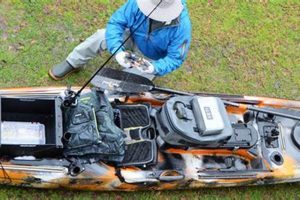
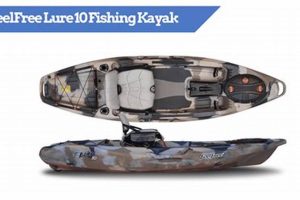
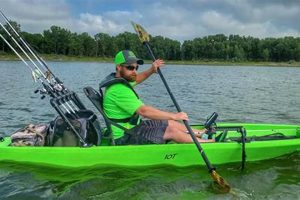
Specialized kayaks designed for offshore angling represent a niche within recreational fishing. These vessels are typically longer and wider than standard kayaks, offering increased stability and storage capacity necessary for tackling larger fish and carrying specialized equipment. They often feature features like rod holders, fish finders, and livewells.
The development of these specialized watercraft opens up new possibilities for anglers seeking access to deeper waters and larger game fish, previously accessible only by larger, more expensive boats. This allows for a more intimate and engaging experience compared to traditional motorized fishing, providing closer contact with the marine environment. The lower cost and relative ease of transport compared to larger vessels contributes to the growing popularity of this fishing method.
Further exploration will cover key features to consider when selecting a suitable vessel for offshore angling, essential safety precautions, recommended techniques, and popular destinations for this exciting pursuit.
Tips for Offshore Kayak Angling
Preparation and careful planning are essential for a safe and successful offshore kayaking experience. The following tips offer guidance for anglers venturing into deeper waters.
Tip 1: Choose the Right Kayak: Selecting a kayak designed specifically for offshore conditions is paramount. Look for features like stability, ample storage, and a comfortable seat for extended trips.
Tip 2: Prioritize Safety Equipment: Essential safety gear includes a personal flotation device, a VHF radio, a signaling device (like a flare or mirror), and a first-aid kit. A leash connecting the angler to the kayak is also crucial.
Tip 3: Check Weather and Sea Conditions: Always verify favorable weather forecasts and calm seas before embarking on an offshore trip. Unexpected changes in weather can create hazardous situations.
Tip 4: File a Float Plan: Inform someone on shore of the intended fishing location and estimated return time. This provides a point of contact in case of emergencies.
Tip 5: Understand Navigation: Familiarize oneself with navigational techniques, including the use of a compass, GPS, and charts. Knowledge of local currents and tides is also vital.
Tip 6: Practice Proper Paddling Technique: Efficient paddling conserves energy and reduces fatigue, especially important in challenging offshore conditions. Consider using a rudder or skeg for enhanced tracking.
Tip 7: Respect Wildlife and the Environment: Practice catch-and-release whenever possible and adhere to local fishing regulations. Pack out all trash and minimize disturbance to marine life.
Adhering to these guidelines enhances safety and increases the likelihood of a productive and enjoyable offshore kayaking fishing experience.
By following these precautions and best practices, anglers can confidently explore the rewarding world of offshore kayak fishing.
1. Stability

Stability is a critical factor in deep sea kayak fishing, directly impacting angler safety and fishing effectiveness. A stable platform allows for comfortable casting, fighting fish, and handling equipment in challenging offshore conditions. Compromised stability can lead to capsizing, jeopardizing both angler and equipment.
- Hull Design:
Wider hulls and flatter bottoms generally offer greater primary stability (initial resistance to tipping). Longer kayaks tend to track better in waves, providing secondary stability (resistance to capsizing after initial tipping). Specialized hull designs, like pontoon hulls or multi-hull configurations, offer enhanced stability but may sacrifice maneuverability. The chosen hull design must balance stability with performance needs.
- Weight Distribution:
Proper weight distribution is essential for maintaining balance. Gear should be evenly distributed and secured within the kayak. Lowering the center of gravity improves stability. Anglers must consider the weight of gear, catch, and their own body weight when planning load distribution.
- Sea Conditions:
Sea conditions significantly impact stability. Calm waters present fewer challenges, while rough seas and strong currents require greater stability. Kayak anglers must assess sea conditions before venturing offshore and choose locations appropriate for their skill level and kayak’s stability characteristics. Wind conditions also play a crucial role, as strong winds can exacerbate instability.
- Angler Skill and Experience:
An angler’s experience and skill level influence their ability to maintain balance and control the kayak in various conditions. Novice anglers should prioritize stability over speed and maneuverability. Experienced anglers can handle less stable kayaks, benefiting from increased speed and responsiveness, but even experienced anglers must exercise caution in demanding offshore environments.
Selecting a kayak with appropriate stability characteristics for the intended fishing conditions and angler experience is fundamental to a safe and successful deep sea fishing excursion. Careful consideration of hull design, weight distribution, and sea conditions is essential for maintaining balance and maximizing fishing effectiveness. Neglecting these factors can compromise safety and detract from the overall fishing experience.
2. Storage Capacity

Adequate storage capacity is crucial for deep sea fishing kayaks, enabling anglers to carry essential gear and supplies for extended trips offshore. Insufficient storage can limit fishing effectiveness and compromise safety by restricting access to necessary equipment or creating an unstable, cluttered environment. Careful consideration of storage solutions is paramount for a successful offshore kayaking experience.
- Rod and Tackle Storage:
Dedicated rod holders and tackle compartments are essential for organizing fishing gear and keeping it readily accessible. Rod holders secure rods safely while paddling or fighting fish. Well-designed tackle storage systems keep lures, hooks, lines, and other small items organized and protected from the elements. Efficient storage maximizes fishing time and minimizes the risk of tangled lines or lost equipment.
- Safety Gear Storage:
Storage for safety equipment, such as flares, a first-aid kit, a VHF radio, and extra clothing, is critical. These items must be readily accessible in case of emergencies. Waterproof compartments or dry bags protect essential gear from saltwater damage and ensure functionality when needed.
- Catch Storage:
Storage solutions for the intended catch are essential, especially when targeting larger fish. Options include built-in coolers, insulated bags, or livewells. Proper catch storage preserves the quality of the fish and prevents spoilage during extended trips.
- Personal Gear and Supplies:
Storage for personal items like food, water, sunscreen, and extra clothing is crucial for comfort and safety during long hours on the water. Dry storage compartments protect these items from saltwater and ensure they remain usable throughout the trip.
Effective storage solutions directly impact the safety, comfort, and success of deep sea fishing kayak excursions. Optimized organization maximizes fishing effectiveness and ensures essential gear remains accessible in all situations. Prioritizing storage considerations during kayak selection contributes significantly to a positive and productive offshore fishing experience.
3. Specialized Features
Specialized features distinguish deep sea fishing kayaks from recreational models, enhancing their functionality and performance in offshore environments. These features contribute significantly to angler safety, fishing effectiveness, and overall experience. Careful consideration of these specialized features is essential when selecting a kayak for offshore angling.
- Rod Holders
Multiple rod holders, strategically positioned for easy access and secure rod storage, are crucial for trolling, bottom fishing, or carrying spare rods. Adjustable rod holders accommodate different rod lengths and angling styles. Securely mounted rod holders prevent rod loss and damage in rough conditions.
- Fish Finders and Electronics
Integrated fish finders and GPS systems enhance fishing success by locating fish, identifying underwater structures, and navigating to productive fishing grounds. Transducers mounted through the hull or on a retractable arm provide accurate sonar readings. Power sources for electronics, such as dedicated batteries or solar panels, are essential for extended trips.
- Livewells and Bait Tanks
Livewells or bait tanks maintain the health and viability of live bait, crucial for attracting larger game fish. Aerated systems ensure adequate oxygen supply, while insulated construction maintains optimal water temperature. Properly sized livewells or bait tanks balance capacity with kayak stability.
- Anchor Systems
Anchor trolleys or deployable anchor systems allow anglers to maintain position in specific fishing areas, particularly in currents or windy conditions. Quick and easy deployment and retrieval are essential for efficient fishing. Anchor size and line length should be appropriate for the anticipated fishing depth and conditions.
These specialized features contribute significantly to the effectiveness and enjoyment of deep sea fishing kayak excursions. The selection and integration of these features should align with the angler’s target species, fishing style, and the specific demands of the offshore environment. Careful consideration of these elements enhances safety, improves fishing success, and maximizes the overall experience.
4. Safety Considerations
Safety is paramount in deep sea fishing kayak ventures. The open ocean presents inherent risks, demanding meticulous preparation and a comprehensive understanding of safety protocols. Neglecting these considerations can lead to dire consequences. The following facets are crucial for mitigating risks and ensuring a safe return.
- Personal Flotation Device (PFD)
A properly fitted PFD is non-negotiable. It provides essential buoyancy in case of capsizing, especially in cold water where hypothermia poses a significant threat. Inflatable PFDs offer greater comfort but require regular inspection and maintenance. Automatic inflation mechanisms are recommended for offshore excursions.
- Communication Equipment
A VHF radio enables communication with shore, other vessels, and emergency services. Cellular phones may have limited range offshore. A waterproof handheld GPS device with pre-programmed waypoints and emergency channels enhances navigation and rescue efforts. Signaling devices, such as flares, whistles, and mirrors, provide additional means of attracting attention in emergencies.
- Weather Awareness
Checking marine weather forecasts before embarking is crucial. Sudden changes in weather, including strong winds, waves, and fog, can create hazardous conditions. Understanding weather patterns and potential hazards is essential for informed decision-making regarding trip planning and execution. Monitoring weather conditions during the trip allows for timely adjustments and safe return.
- Emergency Preparedness
A well-stocked first-aid kit containing essential medical supplies, including seasickness medication, is vital. Carrying a repair kit with basic tools and materials addresses potential equipment malfunctions. Knowledge of self-rescue techniques and capsize recovery procedures is crucial. Practicing these procedures in calm water enhances preparedness for unexpected situations.
These safety considerations are integral to responsible deep sea fishing kayak practices. Meticulous attention to these factors significantly reduces risks and promotes a safe and enjoyable experience. Pre-trip planning, equipment maintenance, and continuous vigilance contribute to a successful and safe return from offshore excursions.
5. Offshore Suitability

Offshore suitability dictates the design, construction, and features of a kayak intended for deep sea fishing. A kayak’s ability to handle the rigors of the open ocean environment directly impacts angler safety and fishing success. Evaluating offshore suitability requires careful consideration of several key factors, each contributing to the overall performance and seaworthiness of the vessel.
- Hull Design and Length
Longer kayaks with a defined keel generally track better in waves and offer improved speed and efficiency over long distances, crucial for covering greater distances in offshore environments. Wider beams enhance stability, a critical factor in rough seas. Specialized hull designs, such as those with pronounced chines or multi-hull configurations, provide enhanced stability and load-carrying capacity, vital for handling larger fish and carrying necessary gear.
- Construction and Material
Durable, impact-resistant materials, such as high-density polyethylene or composites, are essential for withstanding the stresses of offshore conditions. Rotational molding or vacuum bagging construction techniques enhance structural integrity and durability. Reinforced hulls and decks provide added protection against impacts with waves, debris, or large fish. UV resistance prevents degradation from prolonged sun exposure.
- Self-Bailing System
An efficient self-bailing system is critical for removing water that enters the cockpit from waves or splashes. Scupper holes strategically placed in the cockpit floor allow water to drain quickly, maintaining buoyancy and preventing the kayak from becoming swamped. The size and placement of scupper holes influence drainage efficiency and impact overall stability.
- Deck Features and Fittings
Secure deck rigging and watertight hatches provide storage for essential gear and keep it dry in challenging conditions. Deck lines offer secure handholds for re-entry after a capsize. Stainless steel or corrosion-resistant hardware ensures durability and longevity in saltwater environments. Ergonomically designed seating and footrests enhance comfort and reduce fatigue during extended trips.
A deep sea fishing kayak’s offshore suitability is a critical factor influencing both safety and fishing effectiveness. Careful evaluation of hull design, construction materials, self-bailing capabilities, and deck features is essential for selecting a kayak capable of handling the demanding conditions of the open ocean. Prioritizing offshore suitability ensures angler safety, enhances fishing performance, and contributes to a more positive and productive offshore experience. Neglecting these aspects can jeopardize safety and compromise the overall success of deep sea fishing excursions.
6. Targeted Species

The targeted species significantly influences deep sea fishing kayak selection, equipment choices, and angling techniques. Different species inhabit varying depths and exhibit diverse behaviors, necessitating specific kayak features and fishing strategies. Understanding the target species’ habits and habitat is crucial for a successful and productive offshore kayaking experience.
For instance, pursuing large pelagic fish like tuna or marlin requires a stable, seaworthy kayak capable of handling rough conditions. Heavy-duty tackle, including strong rods, reels, and lines, is essential for battling these powerful fish. Trolling with specialized lures or live bait is a common technique. Conversely, targeting bottom-dwelling species like snapper or grouper necessitates a kayak with good maneuverability and anchoring capabilities. Lighter tackle and techniques like bottom fishing with jigs or bait are effective. Species like mahi-mahi, often found near floating debris or seaweed lines, require a kayak with ample storage for readily accessible gaffs and other specialized equipment. Understanding the target species’ preferred depth and habitat dictates fishing location choices, influencing factors like distance from shore, water depth, and proximity to structures like reefs or drop-offs.
Matching kayak selection, equipment, and techniques to the targeted species maximizes fishing success and enhances angler safety. A thorough understanding of the target species’ behavior, habitat preferences, and preferred fishing methods is essential for a productive and rewarding deep sea fishing kayak experience. This knowledge allows anglers to choose appropriate gear, employ effective fishing strategies, and minimize environmental impact through selective fishing practices. Ignoring these considerations can lead to frustration, wasted time, and potential safety risks.
Frequently Asked Questions
This section addresses common inquiries regarding deep sea fishing kayaks, providing concise and informative responses to facilitate informed decision-making and promote safe and successful offshore angling experiences.
Question 1: What differentiates a deep sea fishing kayak from a recreational kayak?
Deep sea fishing kayaks are specifically designed for offshore conditions, featuring enhanced stability, increased storage capacity for gear and catches, and specialized features like rod holders, fish finders, and anchor systems. Recreational kayaks prioritize maneuverability and comfort in calmer waters, lacking the specialized features and robust construction necessary for offshore excursions.
Question 2: What safety precautions are essential for deep sea kayak fishing?
Essential safety measures include wearing a personal flotation device (PFD), carrying a VHF radio, signaling devices (flares, whistle), and a first-aid kit. Checking weather forecasts, informing someone of the float plan, and understanding navigation are crucial. Carrying essential safety gear is non-negotiable.
Question 3: What essential gear is required for deep sea kayak fishing?
Essential gear includes appropriate rods, reels, lines, lures, and tackle suited for the target species. Safety equipment (PFD, VHF radio, signaling devices, first-aid kit) is paramount. Navigation tools (GPS, compass, charts) are crucial. Storage solutions for gear, catch, and personal items (food, water) are essential. Specialized equipment like fish finders, anchor systems, and livewells enhance fishing effectiveness.
Question 4: How does one choose the right deep sea fishing kayak?
Kayak selection depends on several factors, including target species, fishing style, experience level, and typical sea conditions. Stability, storage capacity, specialized features, and offshore suitability should be carefully considered. Researching various kayak models and seeking expert advice can inform the decision-making process.
Question 5: What are the physical demands of deep sea kayak fishing?
Deep sea kayak fishing requires a moderate level of physical fitness. Paddling, casting, reeling, and handling fish can be strenuous, particularly in challenging conditions. Regular exercise and paddling practice improve stamina and preparedness.
Question 6: What environmental considerations are relevant to deep sea kayak fishing?
Minimizing environmental impact is crucial. Practicing catch-and-release whenever possible, adhering to local fishing regulations, and properly disposing of waste are essential. Respecting marine life and avoiding sensitive habitats contribute to preserving the marine ecosystem.
Careful consideration of these frequently asked questions enhances preparedness, promotes safe practices, and contributes to a more rewarding and sustainable deep sea fishing kayak experience.
The following section delves into advanced techniques for maximizing fishing success in offshore environments.
Deep Sea Fishing Kayak
This exploration has provided a comprehensive overview of specialized kayaks designed for offshore angling. Key aspects discussed include the importance of stability and storage capacity, the role of specialized features like rod holders and fish finders, and the critical nature of safety considerations for venturing into open waters. Offshore suitability, determined by hull design, construction, and features, directly impacts angler safety and fishing effectiveness. Understanding the target species’ behavior and habitat is crucial for selecting appropriate gear and techniques.
The increasing popularity of this pursuit reflects a growing appreciation for the unique challenges and rewards it offers. Continued advancements in kayak design and technology promise further enhancements in safety, performance, and accessibility. Responsible engagement in this activity requires careful planning, adherence to safety protocols, and a commitment to preserving the marine environment for future generations. Successful deep sea kayak angling represents a harmonious blend of skill, preparation, and respect for the ocean’s power and bounty.