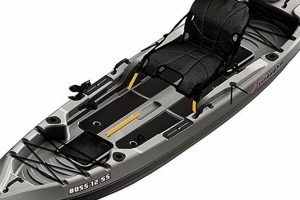
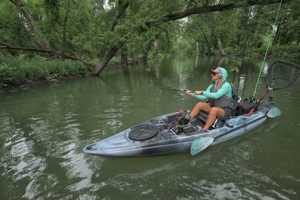
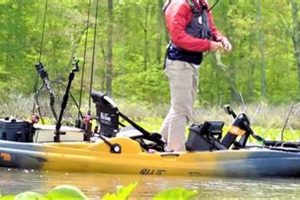
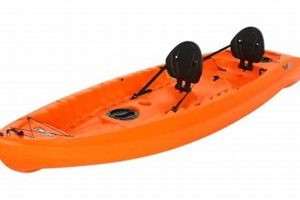
Specialized small watercraft designed for angling in marine environments offer a unique blend of maneuverability and stability, allowing access to shallow waters and diverse fishing grounds inaccessible to larger vessels. These craft are typically equipped with features like rod holders, storage compartments for tackle, and often anchor systems tailored to the demands of open water.
The use of these vessels provides anglers with a close-to-water experience, enhancing fishing opportunities and promoting a deeper connection with the marine environment. Historically, small boats have played a crucial role in coastal fishing communities, evolving from traditional designs to modern, purpose-built platforms that prioritize both performance and angler comfort. This evolution reflects the growing popularity of this style of fishing and the pursuit of sustainable fishing practices.
The following sections will explore the various types of suitable watercraft, essential safety considerations for open-water angling, recommended equipment, and techniques for successful marine fishing from these specialized platforms.
Ocean Kayak Fishing Tips
Successful angling from a kayak in the ocean requires careful planning and execution. The following tips offer guidance for a safe and productive experience.
Tip 1: Check Weather and Tides: Prior to departure, consult marine weather forecasts and tide charts. Understanding current conditions and predicted changes is crucial for safety and effective fishing.
Tip 2: Choose Appropriate Safety Gear: Always wear a personal flotation device (PFD). Carry a signaling device, such as a whistle or VHF radio, and a first-aid kit. A leash connecting essential equipment to the kayak is recommended.
Tip 3: Plan a Float Plan: Inform someone on shore of the intended fishing location, departure time, and expected return. This ensures timely assistance in case of emergencies.
Tip 4: Pack Essential Equipment: Bring appropriate fishing tackle, including rods, reels, lures, and bait suited to the target species. Tools for cutting fishing line and removing hooks are essential.
Tip 5: Practice Kayak Control: Familiarize oneself with paddling techniques and maneuvering the kayak in various conditions. Practice self-rescue techniques in calm water before venturing into the ocean.
Tip 6: Be Aware of Marine Life: Maintain a respectful distance from marine mammals and other wildlife. Understand local regulations regarding protected species and fishing limitations.
Tip 7: Respect Other Water Users: Observe proper boating etiquette and maintain a safe distance from other vessels. Be mindful of swimmers and divers in the area.
Adhering to these guidelines promotes safe and responsible kayak fishing practices, maximizing the enjoyment and productivity of ocean angling excursions.
By following these tips, anglers can enhance their safety and improve their chances of a successful and rewarding fishing trip. This leads to a more enjoyable experience and fosters a deeper appreciation for the marine environment.
1. Stable Kayak Platform

A stable kayak platform is fundamental to successful and safe fishing in the ocean. Stability directly influences an angler’s ability to cast, fight fish, and manage equipment effectively, particularly in dynamic ocean conditions. A stable platform minimizes the risk of capsizing and maximizes fishing efficiency. This section explores key facets contributing to kayak stability in an ocean environment.
- Hull Design
Hull design plays a crucial role in determining kayak stability. Wider hulls generally offer greater initial stability, reducing the likelihood of tipping during routine movements like casting or reeling. However, wider hulls may compromise maneuverability and speed. Longer kayaks tend to track better in a straight line, while shorter kayaks offer increased agility for navigating complex shorelines or following fish. Specific hull designs, such as pontoon hulls or those with pronounced chines (edges where the bottom and sides meet), offer increased stability, particularly in rougher conditions. For example, a kayak with a catamaran-style hull significantly increases stability compared to a traditional v-hull design.
- Weight Capacity and Distribution
The kayak’s weight capacity and how the weight is distributed significantly impact stability. Exceeding the manufacturer’s recommended weight capacity compromises both stability and performance. Proper weight distribution, with heavier items positioned lower and centrally within the kayak, enhances stability. Anglers should consider their body weight, the weight of fishing gear, and any additional equipment when assessing a kayak’s suitability. Uneven weight distribution, such as storing heavy tackle boxes on one side, can lead to instability and increase the risk of capsizing.
- Outriggers and Stabilizers
Outriggers and stabilizers provide additional support and enhance stability, particularly for anglers new to kayak fishing or those fishing in challenging conditions. These additions create a wider base, significantly reducing the likelihood of tipping. Outriggers are typically deployed horizontally from the sides of the kayak, while stabilizers can be inflatable or rigid structures attached to the hull. While beneficial for stability, these additions may impact maneuverability and should be chosen based on specific fishing needs. Deployable outriggers provide added stability when needed, allowing for compact storage during transport.
- Environmental Factors
Environmental factors, such as wind, waves, and currents, significantly influence kayak stability. Anglers should be aware of prevailing conditions and adjust their fishing strategies accordingly. Strong winds and waves can destabilize even the most stable kayaks, making paddling and fishing challenging. Understanding and anticipating these conditions is crucial for safe and successful ocean kayak fishing. For instance, paddling into waves at a slight angle rather than head-on can improve stability and prevent capsizing.
By carefully considering these facets, anglers can select and outfit a kayak that provides the optimal balance of stability and performance for their specific fishing needs and target environment. A stable kayak platform enhances safety, improves fishing efficiency, and ultimately contributes to a more enjoyable and productive ocean kayaking experience. This allows anglers to focus on the task at hand catching fish rather than constantly battling instability in challenging ocean conditions.
2. Ocean-Specific Gear

Specialized equipment designed for the marine environment is essential for successful and safe kayak fishing in the ocean. The unique challenges presented by saltwater conditions necessitate gear that can withstand corrosion, handle larger fish, and function effectively in a dynamic environment. Selecting appropriate ocean-specific gear directly impacts fishing success and angler safety.
- Saltwater-Resistant Tackle
Saltwater corrosion poses a significant threat to fishing equipment. Ocean-specific tackle, including rods, reels, hooks, and other hardware, is constructed from corrosion-resistant materials such as stainless steel, anodized aluminum, and specialized composites. Reels designed for saltwater use often incorporate sealed components and specialized lubricants to prevent saltwater intrusion and maintain smooth operation. For example, a reel with sealed bearings and a waterproof drag system offers significantly greater longevity and reliability in a saltwater environment compared to a standard freshwater reel. Investing in quality saltwater-resistant tackle ensures longevity and reliable performance in harsh marine conditions.
- Heavy-Duty Fishing Line and Leaders
Ocean fishing often involves targeting larger, more powerful fish species. Heavy-duty fishing lines and leaders are crucial for handling these fish and preventing line breakage during fights. Braided lines offer high strength and abrasion resistance, making them suitable for challenging ocean environments. Fluorocarbon leaders provide excellent abrasion resistance and low visibility, increasing the chances of enticing wary fish. For instance, when targeting large pelagic species like tuna, using a heavy-duty braided line with a fluorocarbon leader can significantly increase the chances of a successful landing. Choosing the right line and leader strength depends on the target species and fishing conditions.
- Specialized Lures and Bait
Ocean fish species often exhibit specific feeding preferences, requiring anglers to utilize specialized lures and bait. Saltwater lures are often designed to mimic the appearance and movement of common prey fish found in the target area. Live bait, such as squid, pilchards, or mackerel, can be highly effective for attracting larger predatory fish. For example, trolling skirted lures or using live baitfish can be highly effective methods for targeting pelagic species like marlin or mahi-mahi. Understanding local fish behavior and selecting appropriate lures and bait increases the likelihood of attracting and catching target species.
- Safety and Navigation Equipment
Safety should be a paramount concern for any ocean kayak angler. Essential safety gear includes a personal flotation device (PFD), a VHF radio, a signaling device (such as a flare or whistle), and a first-aid kit. Navigation equipment, including a chartplotter, GPS, and compass, helps anglers navigate safely and effectively in open water. A handheld GPS with pre-loaded nautical charts can be invaluable for navigating in unfamiliar waters and ensuring a safe return. Carrying appropriate safety and navigation equipment is crucial for mitigating risks and ensuring a safe and successful fishing trip.
The careful selection and utilization of ocean-specific gear significantly contribute to both the success and safety of fishing kayak excursions in the ocean. By equipping themselves with appropriate tackle, safety equipment, and navigational tools, anglers can confidently explore the diverse fishing opportunities the ocean provides while minimizing risks and maximizing their chances of a successful catch. The investment in specialized equipment adapted to the marine environment is fundamental to a positive and rewarding ocean kayak fishing experience.

Safe navigation is paramount for ocean kayak fishing, demanding careful planning and execution. The open-water environment presents unique challenges, including changing weather conditions, maritime traffic, and the potential for disorientation. A comprehensive understanding of navigational principles and adherence to safety protocols are crucial for mitigating risks and ensuring a successful fishing experience.
- Pre-Trip Planning
Thorough pre-trip planning forms the foundation of safe navigation. Consulting nautical charts, tide tables, and weather forecasts allows anglers to anticipate potential hazards and select appropriate launch sites and fishing areas. Identifying alternative routes and establishing communication protocols with onshore contacts are essential precautionary measures. For example, understanding tidal currents and their potential impact on kayak positioning is crucial for navigating safely through coastal inlets and estuaries.
- On-Water Navigation Techniques
Effective on-water navigation relies on a combination of traditional and modern techniques. Utilizing a compass and chart, alongside electronic navigational aids like GPS devices and chartplotters, allows for accurate positioning and course plotting. Regularly checking bearings and accounting for drift caused by wind and currents are essential for maintaining a safe course. Understanding how to use a handheld GPS to mark waypoints, such as productive fishing spots or navigational hazards, can greatly enhance safety and efficiency.
- Essential Safety Equipment
Carrying essential safety equipment is non-negotiable for ocean kayak fishing. A properly fitted personal flotation device (PFD) is paramount. Communication devices, including a VHF radio and a signaling device like a whistle or flare, are crucial for summoning assistance in emergencies. A first-aid kit equipped to address common injuries, such as cuts, hooks, and exposure, is also essential. For instance, a VHF radio with a built-in GPS can automatically transmit location information to rescue services in distress situations.
- Emergency Procedures and Self-Rescue
Knowing how to respond effectively in emergencies is critical for ocean kayak anglers. Practicing self-rescue techniques, such as re-entering a capsized kayak in open water, builds confidence and preparedness. Understanding basic first aid and having a plan for contacting emergency services are crucial components of a comprehensive safety strategy. Regular participation in kayak safety courses and drills can significantly improve response times and effectiveness in emergency situations. Carrying a bilge pump and paddle float can assist in self-rescue and recovery from a capsize.
These interconnected elements of navigation and safety form a critical framework for responsible ocean kayak fishing. By prioritizing meticulous planning, employing sound navigational practices, carrying essential safety gear, and developing robust emergency response skills, anglers can significantly mitigate risks and enhance their overall safety and enjoyment on the water. This proactive approach fosters a culture of safety and allows anglers to focus on the rewarding aspects of the sport while minimizing potential hazards inherent in the ocean environment.
4. Sustainable Practices

Maintaining the health of marine ecosystems is crucial for the continued enjoyment of ocean kayak fishing. Sustainable practices ensure the longevity of fish populations and the preservation of the marine environment. Integrating these practices into kayak fishing demonstrates responsible stewardship and contributes to the long-term health of our oceans. This section explores key facets of sustainable practices within the context of ocean kayak fishing.
- Catch and Release Principles
Practicing catch and release minimizes the impact on fish populations, particularly for sensitive species or those subject to conservation regulations. Proper handling techniques, such as using wet hands or a rubberized landing net, minimize stress on the fish. Promptly removing hooks with appropriate tools and reviving fish if necessary before release promotes their survival. For example, using barbless hooks reduces tissue damage and facilitates quicker release, improving the fish’s chances of survival. Understanding local regulations and adhering to size and bag limits further supports conservation efforts.
- Minimizing Environmental Impact
Reducing the environmental footprint of kayak fishing trips contributes to overall ocean health. Proper waste disposal, including packing out all trash and fishing line, prevents pollution and protects marine life. Avoiding anchoring in sensitive habitats, such as coral reefs or seagrass beds, preserves these vital ecosystems. Opting for biodegradable fishing lines and lures further minimizes environmental impact. For instance, using reusable water bottles and avoiding single-use plastics contributes to reducing plastic waste in the oceans.
- Respecting Marine Wildlife
Responsible interaction with marine wildlife is fundamental to sustainable ocean kayak fishing. Maintaining a safe distance from marine mammals and other wildlife avoids disturbance and stress. Refraining from feeding wildlife prevents unnatural behaviors and potential harm. Adhering to local regulations regarding protected species and fishing areas ensures their continued well-being. For example, respecting nesting areas for seabirds during breeding seasons protects vulnerable populations.
- Promoting Responsible Fishing Practices
Advocating for responsible fishing practices extends beyond individual actions. Supporting sustainable fisheries management initiatives and participating in local conservation efforts contribute to broader ocean health. Educating fellow anglers about sustainable practices and reporting illegal fishing activities further strengthens collective stewardship of marine resources. Participating in beach cleanups or supporting organizations dedicated to ocean conservation demonstrates a commitment to protecting marine environments.
Integrating these sustainable practices into ocean kayak fishing ensures the long-term health of marine ecosystems and the continued enjoyment of this recreational activity. By prioritizing responsible stewardship, kayak anglers contribute to the preservation of ocean resources for future generations. This commitment to sustainability enhances the overall fishing experience, fostering a deeper appreciation for the marine environment and its delicate balance.
5. Targeted Fishing Approach
A targeted fishing approach maximizes efficiency and success in ocean kayak fishing. Unlike shore-based or larger vessel angling, kayaks offer unique advantages in accessing specific habitats and targeting particular species. Leveraging these advantages requires a focused strategy that considers species-specific behavior, environmental factors, and appropriate gear selection. A targeted approach optimizes fishing time and minimizes environmental impact.
- Species Selection and Habitat Knowledge
Understanding the target species’ habitat preferences is fundamental. Ocean kayak anglers can effectively position themselves for success by identifying key areas such as reefs, kelp forests, or drop-offs frequented by specific species. This knowledge informs decisions regarding lure selection, fishing depth, and presentation techniques. For example, targeting reef-dwelling fish like snapper or grouper requires different tackle and techniques compared to pursuing pelagic species like tuna or mackerel. Researching local fish behavior and preferred habitats significantly increases the likelihood of a successful catch.
- Gear and Technique Optimization
A targeted approach necessitates selecting gear tailored to the specific target species. Rod and reel combinations, line weight, hook size, and lure or bait choices should align with the size and fighting characteristics of the fish being pursued. Matching fishing techniques to the target species is equally crucial. Trolling, jigging, or bottom fishing each require specialized equipment and approaches. For instance, using light tackle and small lures for panfish contrasts sharply with the heavy-duty gear and large baits required for larger predatory fish.
- Environmental Factor Integration
Integrating environmental factors into a targeted fishing approach significantly enhances effectiveness. Understanding tidal flows, current patterns, water temperature, and prevailing weather conditions influences species behavior and dictates optimal fishing locations and times. Recognizing how these factors interact allows anglers to predict fish movement and adjust their strategies accordingly. For example, fishing during a tide change or targeting areas where currents converge can significantly increase the chances of encountering actively feeding fish.
- Technological Assistance
Modern technology plays an increasingly important role in targeted fishing approaches. Fish finders and GPS devices aid in locating fish concentrations and identifying promising underwater structures. Utilizing online resources and local fishing reports provides valuable insights into current fishing conditions and successful techniques. For example, using a fish finder to locate baitfish schools can indicate the presence of larger predatory fish in the vicinity. Integrating these technological tools enhances efficiency and increases the likelihood of a successful catch.
By focusing efforts on specific species and tailoring techniques to their behavior and environment, ocean kayak anglers maximize their chances of success while minimizing wasted time and effort. This targeted approach, informed by knowledge, optimized gear, and an understanding of environmental factors, underscores the effectiveness and enjoyment of ocean kayak fishing. Furthermore, a targeted approach aligns with sustainable fishing practices by reducing bycatch and minimizing the impact on non-target species.
Frequently Asked Questions
This section addresses common inquiries regarding ocean kayak fishing, providing concise and informative responses to facilitate informed decision-making and promote safe angling practices.
Question 1: What are the essential safety precautions for ocean kayak fishing?
Essential safety precautions encompass wearing a personal flotation device (PFD), carrying a VHF radio, filing a float plan with onshore contacts, and being aware of weather conditions and tides. Regular practice of self-rescue techniques is also highly recommended.
Question 2: What type of kayak is best suited for ocean fishing?
Kayaks designed specifically for fishing, characterized by stability, storage capacity, and specialized features such as rod holders and anchor systems, are recommended. Sit-on-top kayaks are generally preferred for their self-bailing capabilities and ease of re-entry after a capsize.
Question 3: What fishing gear is recommended for ocean kayak angling?
Saltwater-resistant tackle, including rods, reels, and lines designed to withstand corrosive conditions, is essential. Heavy-duty lines and leaders are necessary for handling larger fish. Lure and bait selection depends on target species and local conditions.
Question 4: How does one navigate effectively while kayak fishing in the ocean?
Effective navigation relies on a combination of traditional navigational tools, such as charts and compasses, and modern electronic aids like GPS devices and chartplotters. Understanding tides, currents, and potential navigational hazards is crucial.
Question 5: What are the recommended practices for sustainable ocean kayak fishing?
Sustainable practices include adhering to catch and release guidelines whenever possible, minimizing environmental impact by properly disposing of waste, and respecting marine wildlife by maintaining a safe distance and avoiding disturbance.
Question 6: How does one choose appropriate fishing locations in the ocean?
Fishing location selection depends on target species and prevailing conditions. Researching local fishing reports, consulting nautical charts, and understanding the influence of tides and currents on fish behavior can inform effective location choices.
Careful consideration of these frequently asked questions equips prospective ocean kayak anglers with the knowledge necessary to engage in this activity safely, responsibly, and successfully. Prioritizing safety, environmental stewardship, and informed decision-making contributes to positive experiences on the water.
The subsequent section will delve into advanced techniques for ocean kayak fishing, building upon the foundational knowledge presented thus far.
Fishing Kayak Ocean
This exploration of ocean kayak fishing has highlighted the multifaceted nature of this pursuit, encompassing specialized equipment, refined techniques, and an unwavering commitment to safety and environmental responsibility. From the selection of a stable and appropriately outfitted kayak platform to the nuanced understanding of navigation, targeted fishing strategies, and sustainable practices, successful ocean kayak angling represents a confluence of knowledge, skill, and respect for the marine environment. The discussion encompassed essential safety considerations, including pre-trip planning, emergency preparedness, and responsible on-water conduct, underscoring the paramount importance of angler safety.
Ocean kayak fishing offers a unique and rewarding connection with the marine world, demanding careful preparation and a conscious approach. Continued learning, adaptation to evolving conditions, and active participation in conservation efforts ensure the enduring viability of this pursuit. The future of ocean kayak fishing rests upon the collective commitment to responsible stewardship, preserving the delicate balance of marine ecosystems for generations to come. Embracing these principles ensures not only the longevity of this exhilarating sport but also the health and vitality of the oceans themselves.