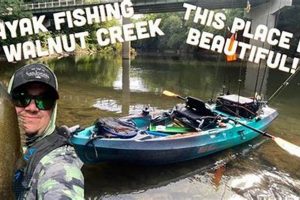
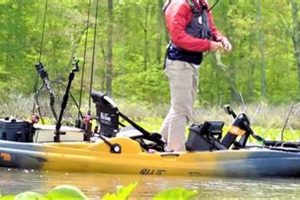
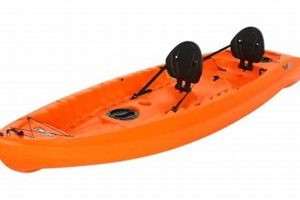
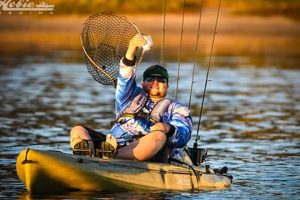
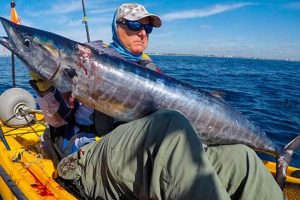
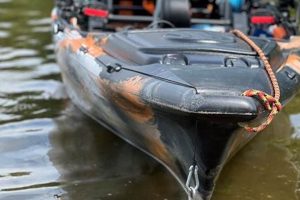
Angling from specialized, sit-on-top watercraft designed by the Old Town company offers a unique approach to the sport. These vessels are typically outfitted with features like rod holders, tackle storage, and comfortable seating, promoting stability and ease of movement while casting and retrieving. For example, an angler might employ such a vessel to pursue species in shallow-water environments inaccessible to larger boats.
This style of fishing provides anglers with enhanced access to secluded fishing grounds, offering a closer connection with nature and potentially improving catch rates. Historically, kayaks have been utilized for fishing across various cultures. Modern advancements in design and materials have significantly enhanced their capabilities, making them increasingly popular for recreational and sporting purposes. The stability and maneuverability of these specialized watercraft provide advantages in diverse aquatic environments, from tranquil lakes and rivers to coastal estuaries.
Further exploration of this topic will encompass discussions on selecting appropriate gear, effective fishing techniques, safety precautions, and responsible angling practices. Additional considerations include choosing the right model for individual needs and understanding the relevant regulations for specific fishing locations.
Tips for Kayak Angling
Effective angling from a kayak requires preparation and adherence to best practices. The following tips offer guidance for a successful and enjoyable experience.
Tip 1: Prioritize Safety Equipment: Always wear a personal flotation device (PFD). Carry a whistle, signaling mirror, and waterproof communication device for emergencies. A first-aid kit and basic repair tools are also recommended.
Tip 2: Plan and Research: Check weather forecasts, water conditions, and local fishing regulations before embarking. Identify potential fishing spots and plan routes accordingly. Awareness of tides and currents is crucial in coastal areas.
Tip 3: Organize Tackle and Gear: Utilize waterproof storage solutions for tackle, electronics, and personal items. Keep essential gear readily accessible. Rod leashes prevent loss of equipment during unexpected events.
Tip 4: Practice Paddle Strokes and Maneuvering: Develop proficiency in basic paddle strokes for efficient movement and boat control. This is especially important in challenging conditions such as wind or current.
Tip 5: Understand Kayak Stability: Recognize the stability limits of the chosen vessel. Avoid sudden movements or leaning excessively, especially when casting or retrieving. Practice re-entry techniques in a controlled environment.
Tip 6: Employ Appropriate Anchoring Techniques: Utilize a suitable anchor system for maintaining position in desired fishing locations. Consider anchor types and deployment methods appropriate for the specific bottom conditions.
Tip 7: Respect Wildlife and the Environment: Adhere to catch-and-release guidelines when appropriate. Dispose of fishing line and other waste responsibly. Minimize disturbance to natural habitats and wildlife.
By adhering to these guidelines, anglers can maximize their chances of a safe and productive fishing experience while promoting responsible enjoyment of the natural environment.
These preparatory steps ensure a rewarding experience on the water, allowing anglers to focus on the enjoyment of the sport.
1. Specialized Kayak Design

Specialized kayak design plays a pivotal role in the effectiveness and enjoyment of old town kayak fishing. These purpose-built vessels incorporate features that cater specifically to the needs of anglers, enhancing both performance and comfort on the water. Understanding these design elements is crucial for maximizing fishing success and overall experience.
- Hull Design:
Hull design significantly influences stability and maneuverability. Old Town kayaks often feature wider, flatter hulls for enhanced primary stability, crucial for casting and reeling. Specific hull designs, such as pontoon hulls or tri-hulls, cater to different fishing environments, offering varying degrees of stability and tracking performance. A wider, more stable hull might be preferred for calm lakes, while a longer, more streamlined hull could be advantageous in rivers or coastal waters.
- Deck Layout and Features:
Deck layouts are optimized for angler convenience. Flush-mounted rod holders provide secure storage and easy access. Recessed tackle compartments keep gear organized and within reach. Adjustable seating systems ensure comfort during long hours on the water. These specialized features contribute to an efficient and streamlined fishing experience. For example, strategically placed rod holders allow for quick transitions between paddling and fishing.
- Propulsion Systems:
Various propulsion systems cater to different fishing styles and environments. Traditional paddle kayaks offer maneuverability and quiet operation, ideal for stealthy approaches in shallow water. Pedal-driven kayaks provide hands-free fishing and increased speed for covering larger areas. Motorized kayaks offer even greater range and speed, suitable for traversing larger bodies of water or battling strong currents. The choice of propulsion system directly impacts an angler’s ability to reach desired fishing spots efficiently.
- Material Construction:
Durable materials, such as rotomolded polyethylene or composite constructions, ensure longevity and resilience in demanding environments. These materials offer impact resistance and UV protection, safeguarding against wear and tear from rocks, submerged obstacles, and prolonged sun exposure. Material selection directly impacts the kayak’s weight, durability, and overall performance. For instance, a lighter kayak might be preferable for portability and easier transport, while a more robust material offers enhanced durability in challenging conditions.
These specialized design elements collectively contribute to a more productive and enjoyable old town kayak fishing experience. By carefully considering these features, anglers can select a kayak optimized for their specific fishing needs and target environments. This synergy between design and purpose enhances the anglers ability to interact with their surroundings and pursue their quarry effectively, contributing to a more fulfilling and successful angling experience.
2. Enhanced Fishing Access

Enhanced fishing access represents a cornerstone of the old town kayak fishing experience. These specialized vessels provide anglers with the ability to reach locations often inaccessible to larger, motorized boats, opening up a wealth of fishing opportunities. This enhanced access translates to a more intimate and productive angling experience, enabling anglers to explore diverse environments and target specific species in their natural habitats.
- Shallow Water Penetration:
The shallow draft of kayaks allows navigation in extremely shallow water, a significant advantage when targeting species inhabiting these areas. Backwater flats, shallow creeks, and protected estuaries become easily accessible, offering prime fishing grounds often unreachable by other means. For example, redfish tailing in mere inches of water can be readily targeted from a kayak, a scenario often impossible with larger vessels. This shallow water access opens up a wealth of fishing opportunities and allows anglers to engage with the environment on a more intimate level.
- Maneuverability in Complex Environments:
Kayaks offer exceptional maneuverability, allowing anglers to navigate through intricate waterways and tight spaces. Mangrove tunnels, narrow creeks, and obstacle-laden areas pose little challenge. This maneuverability provides access to secluded pockets and hidden fishing holes often teeming with fish. Navigating a tight creek bed to reach a hidden pool, for instance, demonstrates the advantage of kayak fishing in complex environments. This agility opens up new angling possibilities and enhances the overall fishing experience.
- Stealth and Reduced Disturbance:
The quiet operation of kayaks minimizes disturbance to fish, especially in shallow, clear water. Approaching fish stealthily increases the likelihood of successful hookups. Unlike motorized boats, kayaks do not create engine noise or significant water displacement, allowing anglers to get closer to their quarry without detection. This stealth approach is particularly effective in clear-water situations, such as sight fishing for bonefish on the flats. The reduced disturbance enhances the angler’s ability to connect with the environment and increases the chances of a successful catch.
- Portability and Launch Accessibility:
Kayaks offer ease of transport and launch accessibility, expanding fishing possibilities beyond traditional boat ramps. Transporting a kayak on a vehicle roof rack or launching from a remote shoreline opens up access to smaller, less-frequented bodies of water. This portability expands the range of fishing locations and offers access to waters often overlooked by conventional anglers. Launching from a secluded beach to access a remote reef system exemplifies this advantage. The ease of transport and launch significantly broadens the angler’s reach and adds to the overall versatility of kayak fishing.
These facets of enhanced fishing access collectively contribute to the unique appeal of old town kayak fishing. By providing access to otherwise unreachable locations, kayaks offer a more intimate and productive angling experience, allowing anglers to explore diverse environments, target specific species, and connect with nature on a deeper level. This intimate connection with the aquatic environment sets old town kayak fishing apart, offering a distinct and rewarding experience beyond conventional angling methods.
3. Stability and Maneuverability
Stability and maneuverability are critical performance characteristics in kayak fishing, significantly influencing an angler’s effectiveness and safety. These attributes are particularly relevant in the context of old town kayak fishing, where anglers often navigate diverse and challenging aquatic environments. A stable platform allows anglers to cast, retrieve, and land fish effectively, while maneuverability enables precise boat control in currents, wind, and confined spaces. These combined characteristics are essential for a successful and enjoyable fishing experience.
Consider the scenario of an angler sight-fishing for redfish in shallow, wind-swept flats. A stable kayak platform is crucial for maintaining balance while standing and casting accurately. Simultaneously, the ability to maneuver the kayak precisely allows the angler to follow the fish and adjust position for optimal presentation. Conversely, in a river environment, maneuverability enables navigating through currents and around obstacles, while stability ensures the angler can maintain balance while fighting strong currents and hooked fish. These examples illustrate the practical significance of stability and maneuverability in various fishing scenarios.
Understanding the interplay between stability and maneuverability is crucial for selecting the right kayak for specific fishing needs. Wider, flatter hulls generally offer greater initial stability, ideal for calm waters and stand-up fishing, but may sacrifice some maneuverability. Longer, narrower hulls provide enhanced tracking and speed, beneficial in open water and moving currents, but may compromise initial stability. Specialized hull designs, such as those incorporating chines or multi-hulls, aim to balance these characteristics, offering stability and maneuverability tailored to specific fishing environments. Choosing the appropriate balance between these attributes contributes significantly to both safety and angling success.
4. Targeted Species Pursuit

Targeted species pursuit represents a defining characteristic of old town kayak fishing, distinguishing it from more generalized angling approaches. The specialized nature of these vessels, combined with enhanced access to diverse environments, allows anglers to focus on specific species and tailor their techniques accordingly. This targeted approach enhances the overall fishing experience, demanding a deeper understanding of fish behavior, habitat preferences, and effective angling strategies.
Consider the pursuit of largemouth bass in a heavily vegetated lake. An angler in an Old Town kayak can quietly navigate through shallow, weedy areas, inaccessible to larger boats, employing specialized lures and techniques designed for bass in such environments. Similarly, targeting bonefish on shallow saltwater flats requires a stealthy approach and precise casting, facilitated by the kayak’s low profile and maneuverability. These examples illustrate how old town kayak fishing enables anglers to pursue specific species in their preferred habitats, increasing the likelihood of success.
This targeted approach necessitates a deeper understanding of fish biology and ecology. Anglers must consider factors such as water temperature, prey availability, and seasonal patterns to effectively locate and target their chosen species. This knowledge, combined with specialized tackle and techniques, contributes significantly to successful outcomes. Furthermore, understanding the specific regulations and conservation concerns related to targeted species is paramount for responsible angling practices. This targeted pursuit, grounded in ecological awareness and species-specific knowledge, elevates old town kayak fishing beyond mere recreation, transforming it into a more engaging and rewarding pursuit. The ability to focus on specific species, adapt techniques, and contribute to conservation efforts enhances the overall experience and underscores the specialized nature of old town kayak fishing.
5. Nature-based Angling
Nature-based angling represents a core element of the old town kayak fishing experience. This connection stems from the inherent capabilities of kayaks to provide close, quiet access to diverse aquatic environments. The low-impact nature of kayak fishing minimizes disturbance to wildlife and habitats, fostering a deeper connection with the natural world. Cause and effect relationships are evident; the quiet approach afforded by kayaks allows closer observation of wildlife behaviors, leading to increased angling opportunities and a greater appreciation for ecological intricacies. The importance of nature-based angling as a component of this activity lies in its promotion of environmental stewardship and sustainable fishing practices.
Consider an angler paddling a kayak through a secluded mangrove estuary. The quiet movement allows observation of wading birds foraging along the shoreline and fish darting among submerged roots. This immersion in the natural environment enhances the fishing experience, fostering a sense of connection and respect for the ecosystem. Furthermore, the angler’s physical exertion in paddling becomes intertwined with the surrounding natural rhythms, creating a holistic and rewarding experience. Practically, this understanding translates to increased awareness of environmental fragility and a commitment to minimizing human impact. Anglers become more attuned to responsible fishing practices, such as catch-and-release and proper waste disposal, contributing to the long-term health of the ecosystem.
Nature-based angling, inherent in old town kayak fishing, offers a unique opportunity to connect with and appreciate aquatic ecosystems. This connection fosters responsible angling practices and contributes to conservation efforts. Challenges include balancing access with preservation, requiring careful consideration of environmental impacts and adherence to sustainable fishing guidelines. Ultimately, this understanding fosters a deeper appreciation for the natural world, enriching the angling experience and promoting responsible stewardship of aquatic resources.
Frequently Asked Questions
Addressing common inquiries regarding specialized kayak angling provides clarity for prospective enthusiasts. These responses aim to offer practical insights and dispel common misconceptions.
Question 1: What are the primary advantages of fishing from a specialized kayak compared to other small watercraft?
Specialized kayaks offer enhanced stability, maneuverability, and access to shallow, secluded waters often inaccessible to other small vessels. Integrated features like rod holders and tackle storage further optimize the angling experience.
Question 2: How does one choose an appropriate kayak for individual fishing needs and target species?
Kayak selection should consider factors like target species, fishing environment (rivers, lakes, or oceans), angler experience level, and desired features. Researching various hull designs, propulsion systems, and weight capacities is crucial.
Question 3: What essential safety precautions should be observed when engaging in this activity?
Wearing a personal flotation device (PFD) is paramount. Checking weather forecasts and water conditions before embarking is essential. Carrying communication devices, signaling equipment, and basic safety gear is strongly recommended.
Question 4: What are the recommended fishing techniques and tackle considerations for kayak angling?
Effective techniques vary depending on target species and environment. Adapting traditional fishing methods to the kayak’s limitations is key. Downsizing tackle and employing specialized rigging can enhance success.
Question 5: How does one transport and launch a fishing kayak effectively and safely?
Utilizing appropriate roof racks or trailers for transport is essential. Practicing safe launching techniques, considering water conditions and launch site accessibility, is crucial for a smooth and incident-free start to the fishing trip.
Question 6: What environmental considerations and ethical guidelines should anglers adhere to?
Minimizing environmental impact through proper waste disposal, respecting wildlife, and adhering to catch-and-release guidelines promotes responsible angling practices and preserves aquatic ecosystems for future generations.
Understanding these aspects of specialized kayak angling facilitates informed decisions and promotes a safe and enjoyable experience on the water.
Further sections will delve into specific techniques, gear recommendations, and advanced considerations for maximizing success in this specialized pursuit.
Old Town Kayak Fishing
This exploration of specialized kayak angling has highlighted its unique characteristics, emphasizing the synergy between specialized vessel design and enhanced fishing opportunities. Key aspects discussed include the advantages of enhanced access to shallow waters, improved maneuverability, and the targeted pursuit of specific species. Furthermore, the significance of stability, appropriate gear selection, and adherence to safety precautions has been underscored. The profound connection with nature inherent in this activity promotes responsible angling practices and fosters a deeper appreciation for aquatic ecosystems.
Old Town kayak fishing offers a distinct approach to angling, demanding both skill and respect for the environment. Continued exploration of specialized techniques, responsible conservation practices, and mindful interaction with natural habitats will further enhance the experience and ensure the sustainability of this rewarding pursuit. The future of this specialized angling discipline rests upon the angler’s commitment to ethical practices and environmental stewardship.