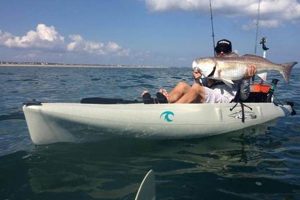
The sport of angling from a small, human-powered boat offers unique access to Ohio’s diverse waterways. From the shallows of Lake Erie to the winding currents of the Ohio River and the numerous inland lakes and reservoirs, this method allows anglers to explore areas often inaccessible by larger, motorized craft. This approach can yield catches ranging from bass and walleye to catfish and panfish.
This activity provides a low-impact way to experience the natural beauty of Ohio’s aquatic ecosystems. Its growing popularity stems from factors like affordability, portability, and the tranquil solitude it offers. The relatively low cost of entry compared to traditional powerboating makes it accessible to a wider range of people. Historically, small boats have been utilized for fishing, but modern advancements in kayak design and fishing-specific gear have transformed this traditional practice into a specialized recreational pursuit.
Further exploration will cover topics including recommended locations, essential equipment, licensing and regulations, safety considerations, and techniques for successful angling in Ohio waters.
Tips for Kayak Angling in Ohio
Successful angling from a kayak in Ohio requires preparation and adherence to best practices. The following tips offer guidance for a safe and productive experience.
Tip 1: Research and choose appropriate waterways. Consider factors like target species, water conditions, and access points. Lake Erie presents different challenges and opportunities compared to the calmer waters of inland reservoirs.
Tip 2: Prioritize safety equipment. A personal flotation device (PFD) is essential. Carry a whistle, signaling device, and a first-aid kit. Inform someone of planned fishing locations and estimated return times.
Tip 3: Select appropriate tackle and gear. Rods and reels should be suited to target species and the kayak fishing environment. Use tackle storage solutions designed for stability and easy access in a small boat.
Tip 4: Master basic paddling and maneuvering skills. Practice launching, landing, and maneuvering the kayak efficiently. Learn techniques for maintaining position and controlling drift in various water conditions.
Tip 5: Understand and follow all applicable regulations. Obtain necessary fishing licenses and familiarize oneself with catch limits, size restrictions, and permitted fishing methods.
Tip 6: Check weather conditions before embarking. Wind, rain, and temperature fluctuations can significantly impact safety and fishing success. Avoid fishing during storms or periods of extreme heat or cold.
Tip 7: Practice responsible angling ethics. Minimize environmental impact by properly disposing of fishing line and other waste. Handle fish carefully and practice catch-and-release techniques when appropriate.
By adhering to these guidelines, anglers can maximize their chances of a rewarding and enjoyable experience on Ohio’s waters. Preparedness and responsible practices contribute to both individual safety and the long-term health of aquatic ecosystems.
This information provides a foundation for a safe and successful kayak fishing outing. Further sections will delve into specific techniques, recommended locations, and resources for anglers in Ohio.
1. Suitable Kayak Selection
Suitable kayak selection significantly impacts the success and enjoyment of angling in Ohio’s diverse waterways. Characteristics like stability, maneuverability, and storage capacity directly influence an angler’s ability to navigate various water conditions and effectively target different species. A stable platform is essential for casting and landing fish, especially in challenging conditions like currents or wind. Maneuverability allows anglers to access shallow areas, navigate around obstacles, and position themselves optimally for fishing. Ample storage accommodates essential gear, including rods, tackle boxes, and safety equipment. For example, a longer, narrower kayak might excel in traversing larger bodies of water like Lake Erie, while a shorter, wider kayak might prove more suitable for navigating the tighter confines of smaller rivers and streams. The selection process should consider the specific environments and target species typical of Ohio fishing.
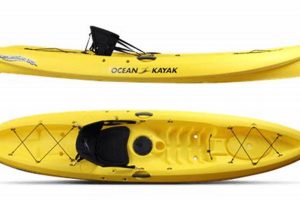
Different kayak types cater to specific needs and preferences. Sit-on-top kayaks offer excellent stability and ease of re-entry after a water landing, making them a popular choice for beginners. Sit-inside kayaks provide greater protection from the elements and often feature enhanced storage options. Inflatable kayaks offer portability and convenient storage but may sacrifice some performance in terms of speed and tracking. Furthermore, features like rod holders, anchor trolleys, and integrated fish finders can significantly enhance the angling experience. Choosing a kayak equipped with these features streamlines fishing processes and improves overall efficiency. Selecting a kayak tailored to individual needs and target fishing environments dramatically improves the overall angling experience.
Careful consideration of these factors ensures a safe, comfortable, and productive fishing outing. Failing to select an appropriate vessel can lead to instability, difficulty maneuvering, and inadequate storage, hindering the angler’s ability to fully enjoy the experience and maximize success on the water. Understanding the interplay between kayak characteristics, fishing environment, and target species allows anglers to make informed decisions and contributes significantly to a positive and rewarding experience in Ohio. Investing time in researching and selecting the right kayak is crucial for optimizing performance and ensuring a safe and fulfilling angling experience on Ohio’s waters.
2. Essential Fishing Gear

Specialized fishing gear enhances angling success and safety in the unique environment of kayak fishing in Ohio. Careful equipment selection considers the limitations and advantages presented by the kayak platform, optimizing both performance and angler comfort. The following facets highlight key gear considerations for maximizing the Ohio kayak fishing experience.
- Rods and Reels
Shorter rods, typically between 5.5 and 7 feet, are ideal for kayak fishing due to space constraints. A medium-power, fast-action spinning rod provides versatility for various species commonly found in Ohio waters, such as bass, walleye, and panfish. Baitcasting reels offer greater control and power for larger species like catfish or muskie. Selecting a rod and reel combination appropriate for target species improves casting accuracy and hookset effectiveness from the limited space of a kayak.
- Tackle and Lures
A selection of lures and terminal tackle appropriate for Ohio’s fish species is essential. Jigs, crankbaits, spinnerbaits, and soft plastics are effective choices. Live bait like minnows, worms, and crayfish can also be productive. Organized tackle storage within the kayak is crucial for quick access and efficient retrieval in the limited space available. Secure storage prevents tackle loss and contributes to a more organized and enjoyable fishing experience.
- Safety Equipment
Personal flotation devices (PFDs) are paramount for safety. A whistle, signaling device, and a first-aid kit are also recommended. A waterproof bag or box protects essential items like phones and wallets. These safety precautions contribute to a secure and prepared fishing environment, mitigating potential risks associated with on-the-water activities.
- Kayak Fishing Accessories
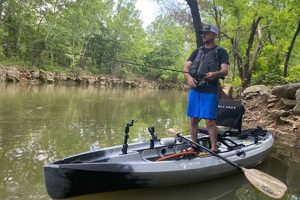
Specialized accessories enhance kayak fishing functionality. Anchor trolleys control drift and maintain position in current. Rod holders secure rods while paddling or landing fish. Fish finders assist in locating fish and identifying underwater structures. These additions streamline fishing processes and improve the overall experience. A well-outfitted kayak contributes to both efficiency and enjoyment on the water.
Appropriate gear selection significantly impacts success and safety while kayak fishing in Ohio. Prioritizing essential equipment ensures a productive and enjoyable experience, allowing anglers to fully engage with the diverse fishing opportunities available throughout the state. A well-equipped angler is better prepared to handle various fishing scenarios and challenges encountered on Ohio’s waters.
3. Prime Fishing Locations

Ohio offers diverse aquatic ecosystems well-suited to kayak angling. Strategic location selection significantly impacts fishing success. Factors such as target species, water conditions, accessibility, and the presence of suitable habitat influence location choice. Understanding these factors, coupled with knowledge of local regulations, contributes to a productive and rewarding angling experience. For example, anglers targeting walleye might focus on Lake Erie’s western basin, known for its strong walleye populations. Conversely, those seeking bass might explore the numerous inland reservoirs and rivers throughout the state.
Specific examples of prime kayak fishing locations in Ohio include the Ohio River, known for its diverse catfish, sauger, and bass populations; Indian Lake, offering excellent crappie and panfish opportunities; and Mosquito Creek Reservoir, renowned for its walleye and muskie fishing. These locations provide varied habitats, from deep open water to shallow weedy areas, catering to diverse angling preferences and target species. Access points, including boat ramps and public fishing areas, facilitate convenient kayak launching and retrieval. Researching specific access points within chosen locations further streamlines the angling experience.
Successful kayak angling in Ohio necessitates careful consideration of location characteristics. Matching target species with appropriate habitats, understanding water conditions and access limitations, and adhering to local regulations contribute significantly to angling success. Leveraging available resources, such as online fishing reports and local bait shops, provides valuable insights into current fishing conditions and productive areas. Ultimately, informed location selection maximizes the potential for a successful and enjoyable kayak fishing outing in Ohio.
4. Effective Fishing Techniques

Effective fishing techniques in the context of kayak angling in Ohio necessitate adaptation to the unique challenges and opportunities presented by this specialized approach. The confined space and maneuverability of a kayak influence casting techniques, fish fighting strategies, and overall angling approach. Understanding these nuances and employing appropriate techniques significantly enhances fishing success on Ohio’s diverse waterways. The following facets explore key techniques relevant to kayak angling in the state.
- Casting Techniques
Kayak anglers often employ underhand or sidearm casting techniques to avoid overhead obstructions and maximize casting accuracy within the limited space of the kayak. Practicing these techniques on land prior to on-the-water application builds proficiency and minimizes the risk of tangles or snags. Accurate casting placement near structures or cover is crucial for enticing target species in Ohio’s waters.
- Drift Fishing
Utilizing the kayak’s inherent maneuverability to control drift along shorelines, weed beds, or underwater structures is a productive technique. Adjusting drift speed with paddle strokes or a drift sock allows for precise bait or lure presentation in target areas. Drift fishing effectively covers water and targets fish holding in specific locations within Ohio’s rivers, lakes, and reservoirs.
- Fighting and Landing Fish
Fighting fish from a kayak requires a balanced approach, utilizing rod angles and drag settings to manage the fight effectively. Maintaining a low center of gravity and avoiding sudden movements contributes to stability during the process. Utilizing a landing net appropriate for kayak fishing facilitates efficient and safe retrieval of fish alongside the kayak.
- Anchor and Positioning
Strategic anchor placement or utilizing positioning techniques, such as anchoring to structure or using a stake-out pole in shallow water, allows anglers to maintain position in desired fishing locations. This is particularly effective in areas with current or wind. Precise boat control maximizes fishing efficiency by keeping the angler in the optimal location for targeting specific species.
Mastering these techniques significantly enhances kayak angling success in Ohio. Adapting traditional fishing methods to the unique environment of a kayak, coupled with knowledge of local fish behavior and habitat preferences, contributes to a more productive and enjoyable angling experience. Proficiency in these techniques allows anglers to effectively target a variety of species found in Ohio’s waters, from bass and walleye in Lake Erie to catfish and panfish in inland lakes and rivers. Refining these skills maximizes opportunities for a successful and rewarding kayak fishing outing in Ohio.
5. Safety Precautions

Safe practices are paramount for kayak angling in Ohio, ensuring angler well-being and fostering responsible enjoyment of the state’s waterways. Navigating diverse aquatic environments, from Lake Erie’s open waters to inland rivers and reservoirs, requires preparedness and adherence to established safety guidelines. Understanding potential hazards and implementing preventative measures contributes significantly to a secure and positive experience.
- Personal Flotation Devices (PFDs)
Wearing a properly fitted PFD is non-negotiable. Ohio law mandates PFD usage for all kayak occupants. PFDs provide essential buoyancy in the event of capsizing or accidental immersion, significantly increasing survival chances. Selecting a PFD designed for paddling comfort and mobility enhances both safety and overall angling experience.
- Weather Awareness
Checking weather forecasts before embarking is crucial. Sudden changes in wind speed, precipitation, or temperature can create hazardous conditions on the water. Avoiding fishing during storms, high winds, or extreme temperatures mitigates risks associated with unpredictable weather patterns. Monitoring real-time weather updates during the outing allows for proactive responses to changing conditions.
- Communication and Float Plans
Informing someone onshore of planned fishing locations, estimated return times, and emergency contact information is essential. This allows for prompt assistance in case of unforeseen circumstances. Carrying a waterproof communication device, such as a VHF radio or a charged mobile phone in a waterproof case, facilitates communication in emergencies.
- Navigation and Lighting
Carrying navigational tools like a compass or GPS device aids in maintaining orientation, particularly in larger bodies of water or unfamiliar areas. Navigational lights, required for low-light conditions, enhance visibility and prevent collisions with other vessels. Familiarizing oneself with navigational markers and local boating regulations contributes to safe navigation on Ohio’s waterways.
Prioritizing these safety precautions ensures a more secure and enjoyable kayak fishing experience in Ohio. Adherence to safety guidelines, coupled with informed decision-making and responsible angling practices, safeguards angler well-being and promotes the sustainable enjoyment of the state’s diverse aquatic resources. Integrating safety considerations into every aspect of kayak angling contributes to a positive and rewarding experience on Ohio’s waters.
6. Licensing and Regulations
Compliance with licensing and regulations is essential for lawful and ethical kayak fishing in Ohio. State regulations govern fishing activities to ensure sustainable fish populations and protect aquatic ecosystems. These regulations encompass licensing requirements, catch limits, size restrictions, permitted fishing methods, and designated fishing areas. Ignoring these regulations can result in fines, legal repercussions, and detrimental impacts on the environment. For instance, fishing without a valid Ohio fishing license or exceeding catch limits for specific species violates state law and undermines conservation efforts. Understanding and adhering to these regulations are crucial for responsible angling practices.
Specific licensing requirements vary based on residency and age. Residents and non-residents must obtain appropriate fishing licenses before engaging in angling activities. Short-term licenses cater to visitors, while annual licenses offer cost-effective options for frequent anglers. Senior citizens and individuals with disabilities may qualify for discounted licenses. Detailed information regarding license types, fees, and application procedures is available through the Ohio Department of Natural Resources (ODNR) Division of Wildlife. Staying informed about current regulations and possessing the correct license ensures legal compliance and supports responsible resource management.
Adhering to licensing and regulations demonstrates respect for Ohio’s natural resources and contributes to the long-term sustainability of its fisheries. Compliance fosters ethical angling practices, protects vulnerable fish populations, and preserves the ecological balance of aquatic ecosystems. Accessing and understanding current regulations through the ODNR website or contacting local wildlife offices ensures anglers possess the necessary information for lawful and responsible kayak fishing in Ohio. This proactive approach reinforces conservation efforts and promotes the continued enjoyment of the state’s diverse fishing opportunities.
7. Respectful Environmental Practices
Respectful environmental practices are integral to sustainable kayak fishing in Ohio. Minimizing environmental impact preserves the delicate balance of aquatic ecosystems and ensures the longevity of fishing opportunities. Kayak angling, due to its close interaction with the natural environment, presents unique opportunities for responsible stewardship. Disposing of fishing line and other waste properly prevents entanglement hazards for wildlife and reduces plastic pollution. Handling fish carefully minimizes stress and injury, promoting healthy fish populations. Avoiding disturbance of sensitive habitats, such as nesting areas or submerged vegetation, preserves ecological integrity. For example, retrieving snagged lures instead of cutting the line prevents residual fishing line from impacting wildlife or degrading water quality. Practicing catch and release for non-target species helps maintain healthy populations and preserves biodiversity.
The practical significance of these practices extends beyond immediate environmental protection. Responsible angling contributes to the long-term health and sustainability of Ohio’s fisheries. Healthy aquatic ecosystems support diverse fish populations, providing continued angling opportunities for future generations. Respect for the environment enhances the overall fishing experience, fostering a deeper appreciation for the natural world. Kayak anglers, by virtue of their intimate connection with the water, play a crucial role in environmental stewardship. Active participation in conservation initiatives, such as shoreline cleanups or habitat restoration projects, further amplifies positive impact. Supporting organizations dedicated to aquatic conservation contributes to broader environmental protection efforts.
Environmental stewardship is not merely an optional component of kayak fishing in Ohio; it is a fundamental responsibility. Understanding the interconnectedness of angling practices and ecological health fosters a culture of respect for the environment. Adopting these practices ensures the preservation of Ohio’s aquatic resources and the continued enjoyment of kayak fishing for years to come. Challenges such as invasive species and habitat degradation require ongoing attention and collaborative efforts. Integrating environmental awareness into every aspect of kayak angling promotes sustainable practices and safeguards the future of this cherished recreational activity.
Frequently Asked Questions
This section addresses common inquiries regarding kayak fishing in Ohio, providing concise and informative responses to facilitate informed decision-making and enhance angling experiences.
Question 1: What type of kayak is best suited for fishing in Ohio?
Kayak selection depends on intended fishing locations and angler preferences. Sit-on-top kayaks offer stability and ease of use, while sit-inside kayaks provide better protection from the elements. Inflatable kayaks offer portability. Consider factors like stability, maneuverability, and storage capacity when selecting a kayak.
Question 2: Are there specific licensing requirements for kayak fishing in Ohio?
A valid Ohio fishing license is required for all anglers, regardless of whether fishing from a kayak or other vessel. License requirements vary based on residency and age. Consult the Ohio Department of Natural Resources (ODNR) for detailed information.
Question 3: Where are recommended kayak fishing locations in Ohio?
Ohio offers diverse fishing opportunities. Lake Erie is renowned for walleye and smallmouth bass. Inland reservoirs and rivers, such as the Ohio River, provide excellent opportunities for various species. Research specific locations based on target species and preferred fishing styles.
Question 4: What essential safety precautions should one take while kayak fishing in Ohio?
Wearing a personal flotation device (PFD) is paramount. Checking weather forecasts before embarking, informing someone of fishing plans, and carrying communication devices enhance safety. Understanding water conditions and potential hazards is crucial.
Question 5: What fishing gear is recommended for kayak angling in Ohio?
Shorter rods (5.5-7 feet) are ideal for kayak fishing. A medium-power, fast-action spinning rod provides versatility. Select lures and tackle appropriate for target species. Essential safety gear includes a PFD, whistle, and first-aid kit.
Question 6: What are the regulations regarding catch limits and size restrictions for fish caught from a kayak in Ohio?
Specific catch limits and size restrictions vary by species. Consult the ODNR Division of Wildlife for current regulations. Adhering to these regulations ensures sustainable fish populations.
Understanding these key aspects of kayak fishing in Ohio contributes to a safe, legal, and enjoyable angling experience. Thorough preparation, responsible angling practices, and adherence to regulations ensure the preservation of Ohio’s aquatic resources.
Additional resources and information can be found on the ODNR Division of Wildlife website.
Kayak Fishing Ohio
This exploration of kayak fishing in Ohio has highlighted key aspects of this increasingly popular recreational activity. From suitable kayak selection and essential fishing gear to prime fishing locations and effective techniques, the information presented provides a comprehensive overview for anglers of all experience levels. Emphasis on safety precautions, licensing and regulations, and respectful environmental practices underscores the importance of responsible angling. Understanding these elements contributes to both individual enjoyment and the long-term sustainability of Ohio’s aquatic ecosystems.
Kayak fishing in Ohio offers a unique opportunity to connect with nature and experience the diverse aquatic life the state has to offer. Continued engagement with responsible angling practices, coupled with ongoing conservation efforts, will ensure the preservation of these valuable resources for future generations. Careful consideration of the information presented here equips anglers to embark on rewarding kayak fishing adventures while contributing to the protection of Ohio’s waterways.