Securing a suitable watercraft for angling in the Outer Banks of North Carolina is essential for a successful fishing trip. This often involves acquiring temporary use of a small, human-powered boat designed for stability and maneuverability in various aquatic environments. These vessels are typically crafted from durable materials like plastic or fiberglass and equipped with features like rod holders and storage compartments tailored for anglers’ needs. Locating a provider of these specialized crafts within the Outer Banks region streamlines access to the abundant fishing opportunities the area offers.
The Outer Banks’ diverse ecosystem, ranging from sound-side estuaries to ocean waters, presents a wealth of angling possibilities. Utilizing a small, maneuverable, and purpose-built watercraft allows anglers to explore shallower waters, navigate narrow creeks and inlets, and access areas unreachable by larger vessels. This enhances the fishing experience by expanding the range of fishable locations and increasing the potential for successful catches. The practice of temporarily acquiring such crafts contributes to the local tourism economy, supporting businesses and fostering accessibility for visitors seeking to experience the region’s rich fishing heritage.
The following sections will delve deeper into practical aspects of acquiring such vessels in the Outer Banks, covering topics such as selecting the right type of craft, finding reputable rental providers, understanding local regulations, and exploring optimal fishing locations. Additionally, guidance on essential fishing gear, safety precautions, and responsible angling practices will be provided.
Tips for Outer Banks Kayak Fishing
Careful planning ensures a successful and enjoyable fishing excursion in the Outer Banks. The following tips offer valuable guidance for anglers seeking to maximize their experience.
Tip 1: Reserve in Advance: Securing a kayak in advance, especially during peak seasons, is highly recommended. Early reservations guarantee availability and allow for better selection of desired kayak features.
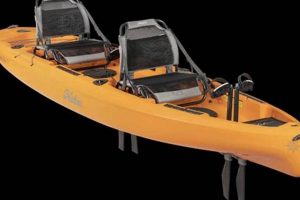
Tip 2: Choose the Right Kayak: Kayak selection should be based on individual needs and fishing style. Sit-on-top kayaks offer stability and ease of entry/exit, while sit-inside kayaks provide better protection from the elements. Consider factors like storage capacity and rod holders.
Tip 3: Understand Local Regulations: Familiarization with local fishing regulations, including licensing requirements and catch limits, is crucial. Checking for any temporary closures or restricted areas before heading out is also advisable.
Tip 4: Plan for Weather Conditions: Checking marine weather forecasts before embarking on a fishing trip is paramount. Wind, tides, and currents can significantly impact kayak handling and overall safety.
Tip 5: Pack Essential Gear: Essential items include appropriate fishing tackle, safety equipment (life vest, whistle, signaling device), sun protection (hat, sunscreen), and hydration. A dry bag is recommended for protecting electronics and personal belongings.
Tip 6: Prioritize Safety: Wearing a life vest at all times while on the water is non-negotiable. Informing someone of fishing plans and estimated return time is also a prudent safety measure.
Tip 7: Respect the Environment: Practicing catch-and-release fishing helps conserve fish populations. Proper disposal of fishing line and other waste materials minimizes environmental impact.
Adhering to these guidelines ensures a safe, productive, and environmentally responsible fishing experience in the Outer Banks. Preparation and awareness contribute significantly to maximizing enjoyment on the water.
By following these tips, anglers can focus on the thrill of the catch and the beauty of the Outer Banks environment.
1. Kayak Selection

Kayak selection represents a crucial element within the broader context of Outer Banks fishing kayak rentals. The choice of kayak directly influences angling success and overall enjoyment on the water. Factors such as hull design, stability, storage capacity, and specialized features like rod holders and anchor trolleys significantly impact fishing effectiveness. A stable kayak, for example, provides a secure platform for casting and reeling, while ample storage accommodates tackle boxes, coolers, and other necessary equipment. Specialized fishing kayaks often include features like built-in rod holders and anchor systems, further enhancing angling convenience.
Matching kayak selection to specific fishing styles and target species further optimizes the experience. Anglers targeting larger game fish in offshore waters benefit from longer, more stable kayaks designed for open-water conditions. Conversely, anglers fishing in calmer, shallower waters may prefer shorter, more maneuverable kayaks for navigating tight creeks and marshes. Consider, for instance, an angler seeking flounder in the sound; a shorter, sit-on-top kayak with a shallow draft allows access to shallow flats. Alternatively, an angler targeting tuna offshore requires a longer, sit-on-top kayak with greater stability and storage for heavier tackle.
Careful kayak selection ultimately enhances fishing success and safety in the Outer Banks environment. Understanding the interplay between kayak features, fishing style, and target species empowers anglers to make informed decisions when renting. This pre-fishing preparation contributes to a more productive and enjoyable experience on the water, maximizing opportunities for a memorable Outer Banks fishing adventure.
2. Rental Locations

Rental locations play a pivotal role in facilitating access to fishing kayaks within the Outer Banks. The geographic distribution of these rental businesses directly influences angler convenience and the ability to reach desired fishing grounds. Locations concentrated near popular fishing spots or launch points streamline the process of embarking on a fishing trip. Conversely, limited rental availability in certain areas may necessitate additional transportation logistics, potentially impacting fishing time and overall experience. For example, anglers targeting inshore species might prefer rentals situated near sound-side access points, while those pursuing offshore catches benefit from locations closer to ocean inlets. Understanding the proximity of rental locations to intended fishing areas proves crucial for efficient trip planning.
Furthermore, the services offered by various rental locations can significantly impact angler preparedness. Some providers offer comprehensive packages that include not only the kayak but also essential fishing gear, safety equipment, and even guided tours. Other locations might focus solely on kayak rentals, requiring anglers to supply their own accessories. This variability underscores the importance of researching rental providers in advance. An angler seeking a hassle-free experience with all-inclusive equipment might prioritize a full-service provider. In contrast, an experienced angler with their own preferred gear might opt for a basic rental focusing solely on the vessel. Considering these factors ensures alignment between angler needs and rental services.
In conclusion, the strategic selection of a rental location forms an integral component of a successful Outer Banks fishing kayak excursion. Factors such as proximity to fishing areas, available services, and rental provider expertise all contribute to the overall experience. Careful consideration of these elements empowers anglers to maximize their time on the water and enhance their chances of a productive and enjoyable fishing trip. This informed approach to rental location selection transforms a potentially logistical hurdle into a strategic advantage, ultimately enriching the Outer Banks fishing experience.
3. Pricing and Duration
Understanding pricing structures and rental durations is essential for effective budgeting and planning when securing a fishing kayak in the Outer Banks. Rental costs can vary significantly based on factors such as kayak type, rental duration, included equipment, and provider policies. A clear understanding of these factors allows anglers to make informed decisions aligned with their budget and fishing plans.
- Hourly Rates
Hourly rates offer flexibility for shorter fishing trips. These rates are typically advantageous for anglers seeking a brief on-the-water experience or those unsure of ideal fishing durations. However, hourly rates can accumulate quickly for longer outings, potentially exceeding the cost of daily or multi-day rentals.
- Daily Rates
Daily rates provide a cost-effective option for full-day fishing excursions. This option grants anglers ample time to explore various fishing spots and maximize their chances of a successful catch. Daily rates typically offer a more economical choice compared to accumulating hourly charges for extended periods.
- Multi-Day Rates
Multi-day rental rates cater to anglers seeking extended fishing adventures or those planning multiple outings during their stay. These rates often offer significant discounts compared to consecutive daily rentals, providing greater value for longer durations. This option is particularly attractive for anglers planning an extended fishing-focused trip.
- Package Deals
Some rental providers offer package deals that combine kayak rental with essential fishing gear, bait, tackle, and even guided tours. These packages can streamline the rental process and potentially offer cost savings compared to acquiring each item separately. However, anglers should carefully evaluate the included items to ensure alignment with their specific needs and avoid unnecessary expenses for unused equipment.
Careful consideration of pricing and duration ensures cost-effectiveness and maximizes fishing time. Matching the rental duration to fishing plans prevents unnecessary expenses and allows anglers to focus on the enjoyment of their Outer Banks fishing experience. Evaluating various rental options, including hourly, daily, multi-day, and package deals, empowers anglers to make informed decisions aligned with their budget and fishing objectives.
4. Fishing Regulations

Adherence to fishing regulations constitutes a critical aspect of responsible angling within the Outer Banks. Regulations governing size limits, catch limits, and permissible fishing methods directly impact the sustainability of local fish populations and the overall health of the aquatic ecosystem. Anglers renting kayaks for fishing bear the same responsibility for compliance as those using private vessels or fishing from shore. Ignoring these regulations can lead to fines, license revocation, and contribute to the depletion of fish stocks. For example, exceeding the catch limit for speckled trout, a popular Outer Banks species, could negatively impact the breeding population and future fishing opportunities. Understanding and adhering to regulations ensures the long-term viability of the Outer Banks fishery.
Specific regulations often apply to different fishing areas and target species within the Outer Banks. Designated areas might have seasonal closures, gear restrictions, or specific license requirements. For instance, certain areas within the Pamlico Sound might be designated as nursery areas with stricter regulations to protect juvenile fish. Similarly, fishing for certain species, such as striped bass, might require a specific coastal recreational fishing license in addition to a standard fishing license. Rental providers can often offer guidance on local regulations or direct anglers to relevant resources like the North Carolina Division of Marine Fisheries website. Accessing this information prior to embarking on a fishing trip ensures compliance and avoids potential legal issues.
Responsible angling practices, including adherence to fishing regulations, contribute significantly to the preservation of the Outer Banks unique coastal ecosystem. Compliance not only safeguards fish populations but also ensures the continued enjoyment of fishing opportunities for future generations. Understanding and respecting these regulations is integral to the overall fishing kayak rental experience, promoting a sustainable and ethical approach to angling in this ecologically sensitive region.
5. Safety Equipment
Safety equipment represents a non-negotiable aspect of fishing kayak rentals in the Outer Banks. Prioritizing safety ensures angler well-being and contributes to a positive on-the-water experience. Understanding the function and importance of various safety components allows for informed decision-making and promotes responsible angling practices within the dynamic Outer Banks environment.
- Personal Flotation Devices (PFDs)
PFDs, commonly known as life vests, are legally required and essential for all kayak anglers. They provide buoyancy in the event of capsizing or accidental immersion, significantly increasing survival chances in unpredictable water conditions. Selecting a comfortable, properly fitted PFD ensures unrestricted movement while paddling and fishing. Inflatable PFDs offer greater comfort but require regular maintenance and inspection.
- Signaling Devices
Signaling devices, such as whistles, air horns, or flares, enable communication in emergencies. These devices allow anglers to attract attention from other boaters or shore personnel if assistance is needed. A whistle attached to the PFD provides readily accessible signaling capability. Flares or air horns offer longer-range signaling options, particularly useful in foggy conditions or open water.
- Navigation and Communication Equipment
Navigation tools, including GPS devices, charts, and compasses, aid in orientation and safe navigation, particularly in unfamiliar waters or changing weather conditions. A waterproof GPS unit provides location information and facilitates navigation back to shore. A VHF radio enables communication with other vessels and shore stations, providing weather updates and emergency communication channels.
- Safety Accessories
Additional safety accessories enhance angler preparedness. A first-aid kit allows for immediate treatment of minor injuries. A bilge pump or sponge assists in removing water from the kayak in the event of swamping. Carrying a knife or multi-tool proves useful in various situations, from cutting fishing line to addressing equipment malfunctions.
Careful consideration of safety equipment is paramount when renting a fishing kayak in the Outer Banks. Understanding the function and importance of each component contributes significantly to angler safety and promotes a responsible approach to enjoying the Outer Banks’ diverse fishing opportunities. Rental providers often include basic safety equipment, but anglers should verify inclusions and supplement as needed to ensure comprehensive preparedness on the water.
Frequently Asked Questions
This section addresses common inquiries regarding fishing kayak rentals in the Outer Banks, providing concise and informative responses to facilitate informed decision-making.
Question 1: What type of fishing kayak is best suited for Outer Banks waters?
Kayak selection depends on intended fishing locations and angler experience. Sit-on-top kayaks offer stability and ease of use, particularly suitable for beginners and calmer waters. Sit-inside kayaks provide better protection from the elements but require more experience to manage. Longer kayaks track better in open water, while shorter kayaks offer greater maneuverability in tighter spaces like marshes and creeks.
Question 2: What is the average cost of a fishing kayak rental in the Outer Banks?
Rental rates typically range from $30 to $75 per day, depending on kayak type, rental duration, and included equipment. Hourly rates and multi-day discounts are often available. Researching various providers allows for cost comparison and selection of options aligned with budgetary constraints.
Question 3: Are fishing licenses required for kayak fishing in the Outer Banks?
A valid North Carolina Coastal Recreational Fishing License is generally required for anglers age 16 and older. Specific regulations may apply depending on targeted species and fishing locations. Checking with local authorities or rental providers ensures compliance with current licensing requirements.
Question 4: What essential safety equipment should be considered for kayak fishing?
Essential safety equipment includes a properly fitted personal flotation device (PFD), a whistle or other signaling device, and appropriate navigation tools. Additional safety accessories like a first-aid kit, bilge pump, and knife are recommended. Confirming safety equipment inclusions with the rental provider before embarking on a fishing trip is advisable.
Question 5: What are the best times of year for kayak fishing in the Outer Banks?
Fishing opportunities exist year-round in the Outer Banks, but specific species are more prevalent during certain seasons. Spring and fall offer milder temperatures and excellent fishing for various species. Summer months can provide opportunities for offshore fishing, while winter fishing may require specialized gear and cold-weather precautions.
Question 6: Are guided kayak fishing tours available in the Outer Banks?
Many rental providers offer guided kayak fishing tours led by experienced local guides. These tours cater to anglers of all skill levels, providing valuable insights into local fishing spots, techniques, and regulations. Guided tours offer a structured and informative way to experience Outer Banks kayak fishing.
Careful consideration of these frequently asked questions facilitates a well-informed approach to Outer Banks fishing kayak rentals. Understanding rental options, regulations, and safety precautions contributes to a successful and enjoyable angling experience.
The following section delves into specific fishing locations and techniques within the Outer Banks, providing valuable insights for maximizing angling opportunities.
Conclusion
Securing appropriate watercraft through a fishing kayak rental service within the Outer Banks region provides anglers with access to diverse fishing grounds and enhances angling opportunities. Careful consideration of kayak selection, rental locations, pricing structures, local regulations, and safety equipment ensures a productive and enjoyable experience. Understanding these factors allows anglers to maximize their time on the water and contribute to responsible angling practices within the Outer Banks ecosystem.
The Outer Banks offers a unique and rewarding fishing experience. Strategic planning and informed decision-making regarding equipment acquisition contribute significantly to angler success and the preservation of this valuable coastal resource. Preparation empowers anglers to fully embrace the challenge and tranquility of fishing in this dynamic environment.