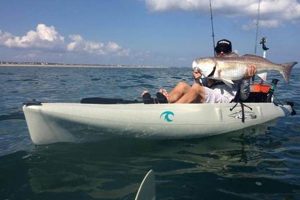
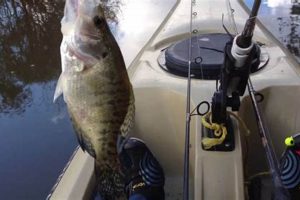
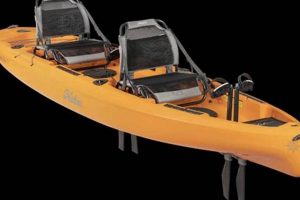
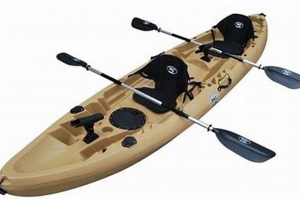
The question of value regarding fishing from a kayak involves weighing the advantages and disadvantages against individual needs and preferences. This assessment considers factors like cost, accessibility, the type of fishing desired, and the overall experience sought. For example, an angler seeking a close-to-nature, budget-friendly approach in calm waters might find it highly advantageous, while someone prioritizing speed, covering vast distances, or requiring substantial carrying capacity may not.
Small, human-powered watercraft have long been employed for fishing, evolving from traditional forms to modern, specialized kayaks. This evolution reflects a growing appreciation for the unique blend of mobility, stealth, and affordability that kayak fishing offers. It allows access to shallow, secluded waters often inaccessible to larger boats, fostering a more intimate connection with the environment. The relatively low cost of entry compared to motorized boats, combined with the physical activity involved, further contributes to its appeal.
Determining suitability necessitates examining various aspects, including the selection of appropriate kayaks and gear, understanding relevant safety precautions, and exploring different fishing techniques best applied from a kayak. A comprehensive evaluation of these elements provides a clearer picture of whether this approach aligns with individual angling goals and expectations.
Tips for Evaluating Kayak Fishing
Careful consideration of various factors contributes to a successful kayak fishing experience. The following tips provide guidance for assessing suitability and maximizing enjoyment.
Tip 1: Define Fishing Goals: Clarity regarding target species, preferred fishing locations, and desired frequency of trips informs appropriate kayak selection and gear choices. River fishing necessitates different considerations than ocean or lake fishing.
Tip 2: Assess Physical Capabilities: Kayak fishing requires a certain level of fitness for paddling, maneuvering, and potentially handling challenging conditions. Realistic self-assessment ensures a safe and enjoyable outing.
Tip 3: Research Kayak Types: Different kayak designs cater to specific needs. Sit-on-top kayaks offer stability and ease of entry/exit, while sit-inside kayaks provide better protection from the elements and greater storage capacity.
Tip 4: Prioritize Safety Equipment: A personal flotation device (PFD) is essential. Other safety gear includes a whistle, signaling devices, and appropriate clothing for varying weather conditions.
Tip 5: Consider Storage and Transportation: Kayak size and weight influence storage and transportation needs. Assess available storage space and vehicle capacity before purchasing a kayak.
Tip 6: Budget Realistically: Factor in the cost of the kayak, paddle, safety gear, fishing equipment, and potential transportation accessories. Used kayaks can be a cost-effective option.
Tip 7: Practice Basic Kayak Skills: Develop proficiency in paddling, maneuvering, and self-rescue techniques before venturing into open water. Lessons from experienced kayakers can be invaluable.
Careful planning and preparation contribute significantly to a positive kayak fishing experience. By considering these factors, individuals can determine if this style of angling aligns with their objectives and capabilities.
Through this evaluation process, anglers can make informed decisions and embark on rewarding fishing adventures.
1. Accessibility
A primary advantage of kayak fishing lies in its accessibility, opening up fishing opportunities often unavailable from shore or larger vessels. This accessibility contributes significantly to determining whether kayak fishing aligns with individual angling goals. Evaluating accessibility requires examining several key facets.
- Reaching Shallow Waters:
Kayaks excel in shallow waters inaccessible to larger boats, providing access to prime fishing grounds often teeming with species like bass, panfish, and redfish. This shallow-water access significantly broadens angling possibilities, expanding the range of target species and habitats, a crucial factor influencing the overall value proposition of kayak fishing.
- Navigating Restricted Waterways:
Kayaks navigate narrow creeks, rivers, and protected estuaries with ease, allowing anglers to explore areas where motorized craft are restricted or impractical. This capability enhances fishing opportunities, providing access to diverse ecosystems and potentially increasing catch rates. The ability to bypass crowded areas and reach pristine, less-pressured fishing spots significantly contributes to the appeal of kayak fishing.
- Launching from Diverse Locations:
Launching a kayak requires minimal infrastructure compared to larger boats. From public boat ramps to secluded shorelines, the ease and flexibility of launching significantly reduce barriers to entry and expand fishing possibilities. This convenience directly influences the overall practicality and enjoyment of kayak fishing.
- Transporting Kayaks:
Many kayaks are readily transported on roof racks or trailers, eliminating the need for dedicated boat slips or marinas. This portability simplifies logistics and expands the range of fishable waters, adding to the overall value and appeal of kayak fishing, particularly for anglers with limited storage space or who frequently travel to different fishing destinations.
The inherent accessibility of kayak fishing expands angling opportunities, reaching areas often beyond the scope of traditional fishing methods. This enhanced access significantly contributes to the overall worth of kayak fishing, providing a unique and rewarding experience for anglers seeking to explore new waters and connect more intimately with their surroundings.
2. Affordability
Affordability plays a crucial role in the value proposition of kayak fishing. The initial investment for a kayak, paddle, and basic safety gear is often significantly lower than the cost of a motorized boat, trailer, and associated maintenance. This lower barrier to entry makes kayak fishing an attractive option for anglers on a budget. For example, a decent fishing kayak can be purchased for a few hundred dollars, while a comparable motorized boat can cost tens of thousands. This cost differential allows a wider range of individuals to participate in the sport, impacting the perceived worth significantly. Furthermore, ongoing operational costs, such as fuel and storage fees, are minimal for kayaks, further enhancing their affordability.
While the initial outlay for a kayak setup can be relatively modest, additional equipment tailored for fishing, such as rod holders, fish finders, and specialized paddles, can increase overall expenses. However, even with these additions, the overall cost often remains substantially less than motorized boat ownership. Anglers can prioritize essential gear and gradually add specialized items as their budget allows, customizing their setup over time. The ability to scale equipment investments incrementally contributes to the affordability and perceived value of kayak fishing. Considering used kayaks or opting for simpler setups further reduces the financial barrier, broadening access and reinforcing its value.
Ultimately, the affordability of kayak fishing significantly contributes to its overall worth, particularly for individuals seeking a cost-effective means of enjoying the sport. While costs can vary based on kayak selection and additional equipment, the generally lower financial commitment compared to traditional boat fishing positions kayak angling as an accessible and appealing option for a wide range of budgets. This accessibility influences the perceived value, making kayak fishing a worthwhile pursuit for many anglers seeking a balance between cost and experience.
3. Stealth

Stealth, a significant advantage in kayak fishing, contributes substantially to its overall worth. A quiet approach allows anglers to get closer to fish without disturbing them, increasing the likelihood of a successful catch. This advantage is particularly relevant in shallow, clear waters where fish are easily spooked by noise and movement. The following facets highlight the role of stealth in kayak fishing and its impact on the overall experience.
- Reduced Noise Pollution:
Unlike motorized boats, kayaks produce minimal noise, allowing anglers to approach fish undetected. The absence of engine noise, combined with the kayak’s streamlined profile, minimizes disturbance in the water, increasing the chances of a successful presentation. For instance, in calm waters, the subtle sounds of a paddle dipping into the water are less likely to alarm fish compared to the roar of an outboard motor. This reduced noise pollution is a key factor contributing to the effectiveness and enjoyment of kayak fishing.
- Low Profile and Reduced Visibility:
Kayaks sit low in the water, presenting a smaller silhouette compared to larger vessels. This lower profile reduces visibility, making it harder for fish to detect the angler’s presence, especially in clear water or from a distance. The reduced visual impact improves the angler’s ability to approach fish without startling them, maximizing opportunities for a successful catch. This advantage is particularly valuable when targeting wary species in shallow or clear environments.
- Maneuverability in Tight Spaces:
Kayaks’ maneuverability allows anglers to navigate quietly through tight spaces, such as weed beds, submerged timber, and narrow channels, without creating excessive disturbance. This precise control enables targeted approaches to prime fishing locations, increasing the chances of presenting lures or bait effectively to fish holding in cover. This capability significantly enhances the angler’s ability to reach otherwise inaccessible areas and increases the likelihood of success.
- Blending with the Environment:
Kayaks, particularly those in natural colors like greens or browns, blend more effectively with the surrounding environment. This camouflage further reduces visibility, enhancing the stealth aspect of kayak fishing. By minimizing visual disruption, anglers can maintain a low profile and approach fish with minimal disturbance, improving their chances of a successful catch, especially in clear or shallow water conditions where fish are more easily spooked.
The inherent stealth of kayak fishing significantly enhances its value, allowing for a more intimate and effective fishing experience. By minimizing disturbance and maximizing opportunities for close-range presentations, kayaks provide a distinct advantage, contributing to the appeal and overall worth of this angling approach. This advantage is particularly valuable for anglers targeting pressured fish or seeking a more challenging and rewarding fishing experience.
4. Exercise

Kayak fishing offers a unique blend of recreational fishing and physical activity. The paddling required for propulsion and maneuvering provides a low-impact workout engaging multiple muscle groups, including the back, shoulders, arms, and core. This inherent physical component contributes significantly to the overall value proposition, particularly for individuals seeking an active outdoor pursuit. The level of exertion can vary depending on factors such as water conditions, distance covered, and kayak type. Paddling against strong currents or wind provides a more intense workout compared to calmer conditions. Longer trips necessitate greater endurance and stamina. Similarly, maneuvering a heavier, less efficient kayak requires more effort than paddling a lighter, more streamlined model. This variability allows individuals to tailor the intensity of their workout based on personal fitness levels and preferences, influencing the perceived worth of the activity.
The physical demands of kayak fishing offer several health benefits. Regular paddling improves cardiovascular health, strengthens muscles, and enhances overall fitness. The low-impact nature of the exercise minimizes stress on joints, making it suitable for individuals of varying ages and fitness levels. For example, a leisurely paddle on calm water can provide a gentle, restorative workout, while navigating challenging currents or covering longer distances offers a more vigorous cardiovascular challenge. Moreover, the outdoor setting and engagement with nature contribute to mental well-being, reducing stress and promoting relaxation. These combined physical and mental benefits contribute significantly to the overall value of kayak fishing, making it a worthwhile activity for individuals seeking a holistic approach to health and recreation.
While the physical activity associated with kayak fishing is generally beneficial, individuals with pre-existing health conditions should consult with a healthcare professional before engaging in strenuous paddling. Proper paddling technique and appropriate safety precautions are essential to minimize the risk of injury. Adequate hydration and sun protection are also crucial, especially during longer outings. By understanding and addressing these considerations, individuals can maximize the health benefits and overall enjoyment of kayak fishing, reinforcing its value as a worthwhile recreational pursuit.
5. Connection with Nature

Kayak fishing fosters a unique connection with nature, a key factor influencing its overall worth. The immersive experience, distinct from shore or motorized boat fishing, offers a closer interaction with the natural environment, enhancing the overall angling experience. This connection stems from several key facets that contribute to the perceived value of kayak fishing.
- Immersive Perspective:
Sitting close to the waterline provides a unique and intimate perspective of the aquatic environment. Anglers observe wildlife, aquatic vegetation, and subtle changes in water conditions often missed from higher vantage points. This intimate interaction enhances appreciation for the interconnectedness of the ecosystem. For example, observing a heron patiently stalking prey or witnessing a school of baitfish scattering beneath the surface adds depth to the fishing experience.
- Quiet Observation:
The quiet nature of kayaking allows for undisturbed observation of wildlife. Birds, fish, and other aquatic creatures are less likely to be startled by the quiet approach of a kayak compared to the noise of a motorized boat. This allows for closer encounters and deeper appreciation of natural behaviors. Paddling quietly along a shoreline may reveal a family of otters playing or a deer drinking at the water’s edge, enriching the overall experience.
- Physical Engagement with the Environment:
The physical act of paddling engages the senses and fosters a direct connection with the water and surrounding environment. Feeling the current, the wind, and the subtle movements of the kayak creates a sense of presence and immersion often lacking in other forms of fishing. Navigating through a winding river or paddling across a calm lake provides a tangible connection to the natural world.
- Exploration of Secluded Areas:
Kayaks provide access to secluded coves, marshes, and backwaters often inaccessible to larger boats. Exploring these pristine environments offers a sense of discovery and a deeper connection with less-impacted natural areas. Discovering a hidden waterfall or observing a rare bird species in a remote marsh enhances the sense of adventure and connection with nature.
The profound connection with nature fostered by kayak fishing significantly contributes to its overall worth. This immersive experience enhances appreciation for the natural world, enriching the angling experience and providing a sense of tranquility and connection often absent in more conventional fishing methods. This connection with nature, combined with the other benefits of kayak fishing, contributes to its enduring popularity and positions it as a worthwhile pursuit for those seeking a more meaningful and enriching outdoor experience.
6. Equipment Considerations

Equipment considerations play a pivotal role in determining whether kayak fishing proves a worthwhile pursuit. Appropriate gear enhances safety, comfort, and fishing effectiveness, directly impacting the overall experience and perceived value. Careful selection of essential equipment contributes significantly to a positive and productive outing, while inadequate or unsuitable gear can detract from enjoyment and even compromise safety. For instance, a stable, well-designed fishing kayak with ample storage facilitates a comfortable and organized fishing experience, whereas an unstable or poorly equipped kayak can lead to frustration and potentially hazardous situations. Similarly, investing in a high-quality paddle improves efficiency and reduces fatigue, maximizing time on the water and enhancing overall enjoyment.
Several key equipment choices influence the overall worth of kayak fishing. A properly fitted personal flotation device (PFD) is paramount for safety. Choosing appropriate fishing rods, reels, and tackle tailored to target species and fishing techniques maximizes effectiveness. Additional accessories, such as rod holders, fish finders, and anchors, further enhance functionality and convenience. For example, a kayak equipped with rod holders allows for hands-free trolling or drift fishing, increasing efficiency and enjoyment. A fish finder aids in locating fish and understanding underwater structures, improving catch rates. An anchor system provides stability in desired fishing locations, maximizing fishing time and effectiveness. Understanding the function and importance of each piece of equipment allows anglers to make informed decisions based on individual needs and preferences.
Ultimately, thoughtful equipment selection directly correlates with the overall value derived from kayak fishing. Prioritizing essential safety gear and selecting appropriate fishing equipment tailored to individual needs and target species enhances the experience and contributes to a positive outcome. While cost considerations are relevant, investing in quality equipment enhances performance, safety, and long-term enjoyment. A thorough understanding of equipment needs and careful selection based on individual fishing goals and preferences are essential for maximizing the value and enjoyment of kayak fishing.
Frequently Asked Questions
Addressing common inquiries regarding the value proposition of kayak fishing provides further clarity for prospective anglers.
Question 1: Is kayak fishing suitable for beginners?
While experience benefits any angling pursuit, kayak fishing can be readily accessible to beginners. Introductory lessons, calm water practice, and appropriate safety precautions facilitate a positive initial experience. Selecting a stable kayak designed for beginners further enhances ease of use and builds confidence.
Question 2: How much does a kayak fishing setup typically cost?
Costs vary depending on kayak type, features, and chosen accessories. A basic setup, including a kayak, paddle, and essential safety gear, can range from a few hundred to a couple of thousand dollars. Higher-end kayaks with advanced features and specialized fishing accessories command higher prices.
Question 3: What are the essential safety precautions for kayak fishing?
Wearing a personal flotation device (PFD) is paramount. Checking weather conditions before venturing out, carrying signaling devices, informing someone of fishing plans, and understanding basic self-rescue techniques are crucial safety measures.
Question 4: What type of fish can be caught from a kayak?
A wide variety of fish species can be targeted from a kayak, depending on location and fishing techniques. Popular targets include bass, trout, redfish, snook, flounder, and various panfish species. Kayaks offer access to diverse habitats, expanding angling possibilities.
Question 5: Is kayak fishing physically demanding?
Kayak fishing involves varying levels of physical exertion depending on factors like water conditions, distance covered, and kayak type. While paddling provides a low-impact workout, appropriate physical conditioning enhances enjoyment and reduces the risk of fatigue or injury.
Question 6: What are the advantages of kayak fishing over fishing from shore or a motorized boat?
Kayak fishing offers distinct advantages over other fishing methods. Kayaks access shallow, secluded areas often unreachable by larger boats or from shore. The quiet, stealthy approach allows for closer proximity to fish, increasing catch potential. Lower costs, exercise benefits, and a deeper connection with nature further enhance the overall experience.
Careful consideration of these frequently asked questions provides a more comprehensive understanding of the value proposition of kayak fishing. Individual needs and preferences ultimately determine whether this angling method proves a worthwhile pursuit.
Further exploration of specific kayak fishing techniques and locations provides additional insights for anglers considering this rewarding outdoor activity.
Is Kayak Fishing Worth It? A Final Assessment
The value proposition of kayak fishing hinges on individual priorities and desired experiences. Accessibility to secluded waters, affordability compared to motorized boating, the stealthy approach afforded by kayaks, inherent exercise benefits, and a profound connection with nature contribute significantly to its appeal. However, equipment considerations, potential physical demands, and the learning curve associated with paddling and fishing techniques warrant careful consideration. Evaluating these factors against personal preferences and angling goals provides a comprehensive understanding of potential benefits and drawbacks.
Ultimately, the worth of kayak fishing transcends a simple cost-benefit analysis. It represents an opportunity to engage with nature on a deeper level, experience the tranquility of secluded waters, and embrace the challenge of a physically engaging yet rewarding angling pursuit. Careful consideration of individual needs and aspirations, coupled with thorough research and preparation, empowers informed decisions regarding the potential value of kayak fishing as a personally enriching and fulfilling outdoor activity.