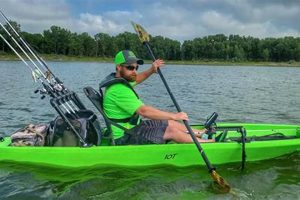
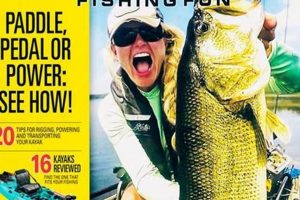
This pursuit combines the tranquility of paddling with the excitement of angling in the coastal waters of Orange County, California. Imagine launching a small, maneuverable vessel from a sandy beach or sheltered harbor, then casting a line into waters teeming with diverse fish species. This describes the essence of the activity, offering a unique blend of recreation and sport.
The calm, shallow-water access afforded by these small boats allows anglers to reach areas inaccessible to larger vessels, leading to potentially greater fishing success. The region’s diverse marine ecosystems provide habitats for a wide variety of game fish, enhancing the appeal of this pastime. Historically, small watercraft have played a role in fishing practices worldwide, but the modern iteration, with specialized equipment and techniques, offers a refreshed perspective on this ancient pursuit. This activity contributes to the local economy through tourism and related industries.
Further exploration will cover specific locations, optimal times and seasons, recommended gear and techniques, licensing and regulations, and the importance of conservation in preserving this unique recreational opportunity.
Tips for Kayak Fishing in Orange County
Successful kayak angling requires preparation and awareness. The following tips offer guidance for a safe and productive experience.
Tip 1: Check Weather and Tide Conditions: Prior to departure, consult marine forecasts for wind, swell, and tide information. Calm conditions are ideal, especially for beginners. Understanding tidal flows helps predict fish movement and identify optimal fishing zones.
Tip 2: Choose the Right Kayak: Select a kayak designed for stability and fishing, often featuring rod holders and storage compartments. Sit-on-top kayaks are generally preferred for their self-bailing capabilities and ease of re-entry in the event of a capsize.
Tip 3: Essential Safety Gear: Always wear a personal flotation device (PFD). Carry a whistle, signaling mirror, and VHF radio for communication in emergencies. A first-aid kit and basic repair tools are also recommended.
Tip 4: Plan Your Route and Inform Someone: Share your intended fishing locations and estimated return time with a friend or family member. Carry a chart or GPS device, and familiarize yourself with potential hazards such as reefs or shallow areas.
Tip 5: Respect Local Regulations: Obtain the necessary fishing licenses and adhere to size and catch limits for different species. Familiarize yourself with any protected areas or restricted zones.
Tip 6: Practice Proper Kayak Handling: Learn basic paddling techniques and maneuvering skills before venturing into open water. Practice self-rescue techniques, such as re-entering the kayak after a capsize.
Tip 7: Pack Light and Efficiently: Organize essential gear within easy reach. Minimize clutter to maintain stability and balance. Secure loose items to prevent loss overboard.
Tip 8: Leave No Trace: Pack out all trash and fishing line. Avoid disturbing wildlife or sensitive habitats. Responsible practices ensure the preservation of these valuable coastal ecosystems.
Adherence to these guidelines promotes a safe, enjoyable, and productive kayak fishing experience. Careful preparation enhances angler safety and contributes to the continued enjoyment of this activity for future generations.
This information provides a foundation for successful kayak fishing. The following section offers further details on specific locations and techniques.
1. Launch Locations

Launch locations play a critical role in the overall experience of kayak fishing within Orange County. Selection of an appropriate launch site directly influences accessibility to target species, affects the degree of physical exertion required, and impacts overall safety. Factors such as parking availability, prevailing currents, and proximity to desired fishing grounds must be considered when choosing a launch point. Launching from a sheltered harbor offers calmer conditions compared to launching directly from a beach exposed to ocean swells. For instance, Newport Harbor provides a protected environment suitable for beginners, while launching from Dana Point offers quicker access to deeper offshore waters.
Matching launch location to target species is a key strategic decision. Anglers seeking halibut might prefer launching near sandy bottom areas, while those targeting kelp bass might choose a location closer to rocky reefs or kelp forests. Understanding local ecosystems and fish behavior patterns enhances the likelihood of a successful fishing trip. Practical considerations, such as the presence of nearby amenities like restrooms or bait shops, also contribute to a more convenient and enjoyable outing. For example, launching near a bait and tackle shop allows for last-minute gear adjustments or replenishing supplies.
Careful consideration of launch locations is therefore integral to a productive and safe kayak fishing experience. Assessing conditions, understanding target species habitat, and factoring in logistical elements all contribute to optimizing fishing success. Failing to account for these factors can lead to wasted time, reduced catch rates, and potentially hazardous situations. Ultimately, selecting the right launch point significantly enhances the chances of a rewarding experience on the waters of Orange County.
2. Targeted Species

The diverse marine ecosystem of Orange County supports a variety of fish species, making targeted species selection a crucial element of kayak fishing success. The targeted species influences choice of fishing location, tackle, and techniques. Calico bass, for example, often inhabit rocky reefs and kelp forests, requiring anglers to navigate these complex structures. Halibut, on the other hand, prefer sandy bottom areas, necessitating a different approach to locating and presenting bait. Understanding the habitat and feeding behavior of the targeted species enhances efficiency and maximizes catch potential. Choosing appropriate bait and lures is also essential, with live bait often preferred for calico bass and artificial lures effective for halibut.
Matching fishing techniques to the targeted species is equally important. Slow trolling or drifting live bait near the bottom can be productive for halibut, while casting artificial lures near structure is often effective for calico bass. The time of year also influences species availability, with certain species more prevalent during specific seasons. For instance, yellowtail are often targeted during warmer months, while white seabass are more common in cooler seasons. Knowledge of local fish migration patterns and seasonal variations further refines species targeting strategies, enabling anglers to focus efforts for optimal results. Local fishing reports and expert advice from local tackle shops can provide valuable insights into current fish activity and effective techniques.
Successful kayak fishing in Orange County, therefore, hinges on careful consideration of targeted species. Understanding habitat preferences, feeding behaviors, and seasonal availability allows anglers to refine location selection, tackle choices, and fishing techniques. This targeted approach not only increases catch rates but also contributes to responsible fishing practices by minimizing bycatch and promoting conservation. Ultimately, strategic species targeting enhances the overall kayak fishing experience by aligning effort with realistic opportunities.
3. Kayak Selection

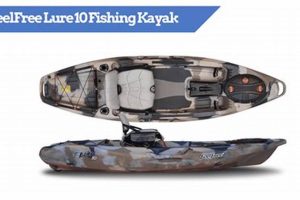
Appropriate kayak selection is fundamental to a successful and enjoyable kayak fishing experience in Orange County. The chosen vessel directly impacts stability, maneuverability, and the ability to transport necessary fishing gear. Selecting a kayak suited to the specific conditions and target species of Orange County waters is crucial for optimizing fishing success and ensuring angler safety.
- Stability
Stability is paramount, especially in the often-variable conditions of the Pacific Ocean. A wider, flatter hull design generally provides greater stability, reducing the risk of capsizing, particularly when battling larger fish or navigating through chop. Enhanced stability also facilitates casting and retrieving lines, contributing to a more comfortable and productive fishing experience. For beginners, stability is especially critical to build confidence and ensure safety.
- Maneuverability
Maneuverability influences the ability to navigate tight spaces, such as kelp forests or rocky reefs, and respond effectively to changing currents or wind conditions. Shorter kayaks generally offer greater maneuverability, allowing for quicker turns and precise positioning. This agility is advantageous when pursuing fish in complex environments or adjusting to shifting water conditions. Longer kayaks, while offering more speed and tracking, can be less responsive in confined areas.
- Storage Capacity
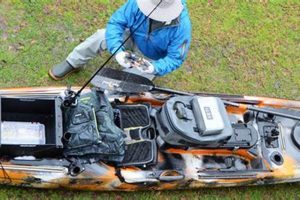
Adequate storage capacity is essential for carrying fishing gear, safety equipment, and personal items. Kayaks designed for fishing often feature built-in rod holders, tackle compartments, and dry storage areas. Sufficient storage space allows anglers to organize gear efficiently, maintain a clutter-free deck, and ensure essential items are readily accessible. Ample storage also contributes to a safer and more comfortable fishing experience by minimizing the risk of entanglement or lost equipment.
- Propulsion System
The propulsion system influences speed, efficiency, and hands-free fishing capabilities. Paddle kayaks offer a traditional and affordable option, providing excellent exercise and precise control. Pedal-driven kayaks offer increased speed and allow anglers to maintain position while fishing hands-free. Motorized kayaks, while less common in certain areas, provide the greatest range and speed, enabling access to distant fishing grounds. The choice of propulsion system should align with individual preferences, physical capabilities, and target fishing locations within Orange County.
Careful consideration of these factors, in relation to the specific fishing conditions and target species of Orange County, is essential for selecting the appropriate kayak. Optimizing kayak selection contributes significantly to both safety and fishing success, allowing anglers to fully enjoy the diverse fishing opportunities offered by the region. A well-chosen kayak enhances the overall experience, providing a stable, efficient, and comfortable platform for pursuing the varied fish species inhabiting Orange Countys coastal waters.
4. Essential Gear

Effective kayak fishing in Orange County requires specific gear tailored to the local environment and target species. This equipment contributes directly to angler safety, fishing success, and overall enjoyment. A breakdown of essential gear highlights the crucial role each item plays in a productive and safe outing. For instance, a high-quality personal flotation device (PFD) is non-negotiable for safety in the sometimes-challenging conditions of open water. A well-chosen paddle, appropriate for the angler’s size and kayak type, ensures efficient propulsion and maneuverability. Navigation tools, including GPS devices and charts, are vital for accurate positioning and safe navigation, particularly in areas with changing currents or potential hazards. Appropriate fishing rods, reels, and tackle, selected based on target species such as calico bass or halibut, directly influence fishing success.
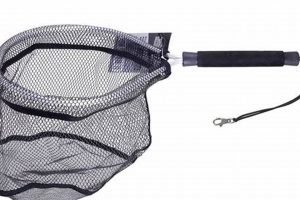
Further essential gear includes a first-aid kit for addressing minor injuries, a signaling device like a whistle or mirror for attracting attention in emergencies, and a dry bag for protecting electronics and personal items from water damage. A landing net assists in retrieving fish safely and efficiently, while appropriate fishing line and tackle, tailored to the target species and fishing environment, maximizes catch potential. Storage solutions within the kayak, such as tackle boxes and rod holders, contribute to organization and efficient use of space. Finally, appropriate attire, including sun protection like hats and sunscreen, and layered clothing for varying weather conditions, enhances comfort and safety during extended periods on the water.
Careful consideration of essential gear is therefore integral to successful kayak fishing in Orange County. Each item plays a specific role in promoting safety, enhancing fishing efficiency, and ensuring a positive overall experience. Investing in appropriate and high-quality gear directly contributes to a more productive and enjoyable outing, minimizing potential challenges and maximizing the chances of a rewarding fishing trip. This preparation enables anglers to fully appreciate the diverse fishing opportunities offered within Orange County’s unique coastal environment.
5. Safety Precautions
Safety precautions are paramount in kayak fishing within Orange County, directly impacting the well-being of anglers and the overall success of fishing trips. The coastal waters present inherent risks, including changing weather patterns, varying sea conditions, and potential interactions with marine vessels. Neglecting safety precautions can lead to serious consequences, ranging from equipment damage to life-threatening situations. Understanding and implementing appropriate safety measures is therefore non-negotiable for responsible kayak angling. For example, consistently wearing a personal flotation device (PFD) is fundamental, regardless of perceived swimming ability, as unexpected events like capsizing or encountering strong currents can quickly create hazardous situations. Checking weather forecasts prior to launching is crucial for avoiding potentially dangerous conditions such as high winds or rough seas. Informing someone of planned fishing locations and estimated return times provides an additional layer of safety, enabling timely assistance if needed.
Further crucial safety precautions include carrying essential communication and signaling devices, such as a VHF radio, whistle, and signaling mirror. These tools enable anglers to contact emergency services or other vessels in case of distress or unforeseen circumstances. Understanding local regulations, including designated fishing zones and vessel traffic patterns, contributes significantly to safe navigation and interaction with other water users. Carrying a basic first-aid kit and repair tools allows for addressing minor injuries and equipment malfunctions, preventing escalation into more serious problems. Maintaining awareness of surroundings, including observing weather changes and monitoring vessel traffic, is essential for proactive risk mitigation. Practical knowledge of self-rescue techniques, such as re-entering a kayak after capsizing, equips anglers to handle unexpected events confidently and safely.
In summary, prioritizing safety precautions is integral to responsible kayak fishing in Orange County. Implementing these measures minimizes potential risks, safeguards angler well-being, and contributes to a positive overall experience. Consistent adherence to safety protocols, coupled with awareness of local conditions and regulations, allows anglers to fully enjoy the region’s diverse fishing opportunities while mitigating potential hazards. This proactive approach to safety fosters a culture of responsible angling, preserving both individual safety and the long-term sustainability of this rewarding recreational pursuit.
6. Local Regulations
Adherence to local regulations is essential for the sustainability of kayak fishing within Orange County. These regulations, established by governing bodies such as the California Department of Fish and Wildlife, aim to protect fish populations, preserve marine habitats, and ensure safe navigation. Regulations encompass licensing requirements, catch limits for specific species, size restrictions, and designated fishing zones. Ignoring these regulations carries potential legal consequences, including fines and suspension of fishing privileges. Understanding and complying with these rules contributes to the long-term health of the local ecosystem, allowing future generations to enjoy the diverse fishing opportunities offered within Orange County. For example, regulations on the minimum size for kelp bass help ensure healthy breeding populations, while catch limits prevent overfishing and maintain a balanced ecosystem. Regulations also designate protected areas or seasons for certain species, further contributing to conservation efforts.
Practical application of local regulations requires anglers to familiarize themselves with current rules and obtain necessary licenses before embarking on fishing trips. Resources such as the California Department of Fish and Wildlife website and local tackle shops provide up-to-date information on regulations specific to Orange County. Understanding gear restrictions, such as the type and size of hooks permitted, is also crucial for compliance. Knowledge of restricted areas, like marine protected areas or designated swimming zones, prevents unintentional violations and ensures responsible fishing practices. For instance, certain areas may prohibit the use of specific fishing gear, like gill nets, to minimize bycatch and protect vulnerable species. Awareness of these nuances allows anglers to operate within legal boundaries and contribute to sustainable resource management.
In conclusion, compliance with local regulations is integral to responsible kayak fishing in Orange County. These rules are not merely bureaucratic hurdles but essential mechanisms for preserving the delicate balance of the marine environment. Understanding and adhering to these regulations ensures the continued health of fish populations, protects sensitive habitats, and promotes safe navigation. This proactive approach to compliance fosters a culture of responsible angling, benefiting both the environment and the future of this popular recreational activity within Orange County. Failure to respect these regulations risks not only individual penalties but also the long-term health and accessibility of this valuable resource.
7. Environmental Impact
Kayak fishing in Orange County, while a rewarding recreational activity, carries potential environmental impacts requiring careful consideration. The close interaction with the marine environment necessitates responsible practices to minimize disturbance and preserve the delicate ecosystem. Improper disposal of fishing line, for example, poses a significant entanglement hazard to marine wildlife, including seabirds and sea turtles. Discarded hooks can injure or kill marine animals, while lead sinkers, if ingested, can cause lead poisoning. Even seemingly minor actions, like disturbing nesting sites or approaching marine mammals too closely, can disrupt natural behaviors and negatively impact wildlife populations. The cumulative effect of these individual actions, multiplied by the increasing popularity of kayak fishing, underscores the importance of minimizing environmental impact.
Further environmental considerations include potential damage to sensitive habitats, such as seagrass beds or coral reefs, from improper anchoring or grounding of kayaks. The release of non-native bait species can disrupt local food chains and introduce invasive organisms with potentially devastating consequences for the existing ecosystem. Chemical pollutants, such as sunscreen or fuel leaks from motorized kayaks, can contaminate water and harm marine life. Noise pollution from motorized vessels can also disturb marine animals and disrupt their natural communication patterns. Addressing these potential impacts requires proactive measures, including promoting responsible angling practices, educating kayak anglers about environmental awareness, and encouraging the use of eco-friendly fishing gear and techniques.
Minimizing the environmental footprint of kayak fishing in Orange County is crucial for preserving the health and beauty of this valuable coastal resource. Responsible angling practices, including proper waste disposal, careful navigation to avoid sensitive habitats, and adherence to catch and release guidelines, contribute significantly to mitigating potential negative impacts. Promoting environmental awareness among kayak anglers, through educational programs and outreach initiatives, fosters a culture of stewardship and ensures the long-term sustainability of this popular recreational activity. Ultimately, recognizing and addressing the potential environmental impacts of kayak fishing allows for continued enjoyment of this pursuit while safeguarding the ecological integrity of Orange Countys coastal waters for future generations.
Frequently Asked Questions
This section addresses common inquiries regarding kayak fishing in Orange County, providing concise and informative responses to facilitate a safe and rewarding experience.
Question 1: What are the licensing requirements for kayak fishing in Orange County?
A valid California fishing license is required for individuals 16 years of age or older. One-day or multi-day licenses are available for purchase online or at licensed vendors. Specific regulations regarding license types and exemptions can be found on the California Department of Fish and Wildlife website.
Question 2: Where are recommended launch locations for kayak fishing in Orange County?
Recommended launch locations vary depending on target species and experience level. Newport Harbor offers calm waters suitable for beginners, while Dana Point provides access to deeper offshore areas. Consult local resources or experienced anglers for specific location recommendations based on individual needs and target species.
Question 3: What are the primary target species for kayak anglers in Orange County?
Common target species include calico bass, halibut, yellowtail, and white seabass. The optimal time of year and specific fishing locations vary depending on the target species. Researching seasonal fish behavior and preferred habitats enhances fishing success.
Question 4: What essential safety equipment should be carried on a kayak fishing trip?
Essential safety equipment includes a personal flotation device (PFD), a whistle, a signaling mirror, a VHF radio, a first-aid kit, and appropriate navigation tools such as a GPS device or chart. Checking weather conditions before departure and informing someone of the planned route and return time are also crucial safety measures.
Question 5: Are there specific regulations regarding fishing gear or techniques in Orange County?
Regulations exist regarding gear restrictions, such as hook sizes and types, as well as fishing methods allowed in specific areas. Consult the California Department of Fish and Wildlife regulations for detailed information on permitted gear and techniques for different species and locations.
Question 6: How can kayak anglers minimize their environmental impact?
Minimizing environmental impact involves responsible waste disposal, particularly fishing line and hooks, avoiding disturbance of sensitive habitats like seagrass beds or coral reefs, and adhering to catch and release guidelines. Using eco-friendly fishing gear and respecting local wildlife contribute to preserving the marine environment.
Understanding these frequently asked questions helps ensure a safe, legal, and environmentally responsible kayak fishing experience in Orange County. Thorough preparation and adherence to regulations contribute significantly to both angler safety and the long-term sustainability of this popular recreational activity.
The following section provides further detailed information regarding specific fishing techniques and strategies.
Kayak Fishing Orange County
This exploration of kayak fishing within Orange County has highlighted key aspects of this popular pursuit. From launch site selection and species targeting to essential gear and safety precautions, the information presented provides a comprehensive overview for anglers of all experience levels. Understanding local regulations and minimizing environmental impact are crucial for responsible and sustainable fishing practices. The diverse marine ecosystem of Orange County offers rewarding opportunities for anglers seeking a unique and engaging experience. Careful preparation, informed decision-making, and respect for the environment contribute significantly to successful and enjoyable kayak fishing trips.
The future of kayak fishing in Orange County rests on the collective responsibility of anglers to prioritize safety and conservation. Continued enjoyment of this recreational activity depends on mindful practices that preserve the delicate balance of the marine ecosystem. By embracing sustainable fishing methods, respecting local regulations, and promoting environmental awareness, anglers can ensure the long-term viability and enjoyment of kayak fishing in Orange County for generations to come. This pursuit offers not merely a recreational pastime but an opportunity to connect with nature, appreciate the region’s unique coastal beauty, and contribute to the preservation of a valuable natural resource.