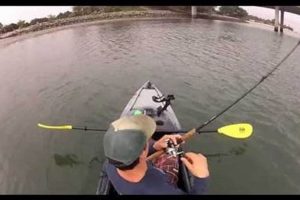
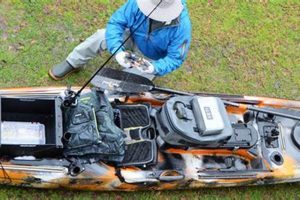
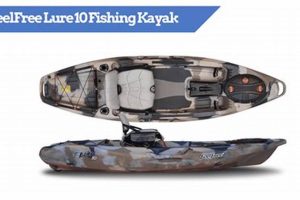
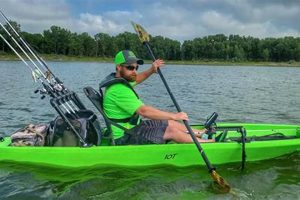
A guided angling excursion utilizing small, human-powered vessels offers a unique blend of sport and nature. Participants embark on stable, specialized kayaks equipped for angling, often accessing shallow or otherwise difficult-to-reach fishing grounds under the supervision of experienced guides. These excursions can range from short introductory trips to multi-day adventures, catering to a variety of skill levels and target species.
This approach to angling provides several advantages. The quiet, non-motorized approach minimizes disturbance to fish and the surrounding environment, enhancing opportunities for observation and interaction with wildlife. Furthermore, the maneuverability of kayaks allows access to secluded coves and shallow waters often inaccessible to larger boats, expanding the range of potential fishing spots. The physical activity inherent in paddling adds an element of exercise and adventure, enriching the overall experience. The practice has gained popularity in recent decades as anglers seek more immersive and eco-conscious fishing experiences.
The following sections will delve into specific aspects, exploring the equipment used, the role of guides, popular destinations, and the various species targeted by this increasingly popular fishing method.
Tips for a Successful Kayak Fishing Excursion
Careful preparation enhances safety and maximizes the angling experience. These tips offer valuable insights for a productive and enjoyable outing.
Tip 1: Dress Appropriately: Comfortable, quick-drying clothing layered for changing weather conditions is recommended. Consider sun protection such as wide-brimmed hats and long sleeves. Water shoes or sandals designed for aquatic environments improve footing and comfort.
Tip 2: Prioritize Safety: A personal flotation device (PFD) is essential and should be worn at all times. Carry a whistle for signaling in emergencies and a waterproof communication device. Inform someone onshore of the planned fishing location and expected return time.
Tip 3: Pack Essentials: A dry bag safeguards essential items like sunscreen, insect repellent, a first-aid kit, and any necessary medications. A waterproof pouch for electronic devices is also advisable.
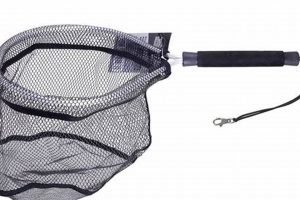
Tip 4: Plan for the Catch: Bring appropriate gear for handling and storing caught fish, such as a cooler with ice or a fish stringer. Familiarize oneself with local regulations regarding catch limits and licensing requirements.
Tip 5: Respect the Environment: Practice catch-and-release principles whenever possible. Dispose of fishing line and other waste responsibly. Avoid disturbing wildlife and sensitive habitats.
Tip 6: Listen to the Guide: Guides possess valuable local knowledge and experience. Following their instructions enhances safety and increases the likelihood of a successful fishing trip.
Tip 7: Practice Basic Kayaking Skills: Prior experience with paddling a kayak is beneficial. Even basic paddling and maneuvering skills can significantly improve stability and confidence on the water.
Adhering to these guidelines promotes a safe, rewarding, and environmentally responsible fishing experience. Preparation allows anglers to focus on the enjoyment of the sport and the natural surroundings.
By taking these preparatory steps, individuals can ensure a rewarding and memorable excursion.
1. Guided Fishing Experience

Central to the concept of a kayak fishing charter is the guided fishing experience. This structured approach offers distinct advantages over independent fishing excursions, particularly for those unfamiliar with the local environment or seeking to improve their angling skills. The guidance provided encompasses various facets that contribute to a more productive and enriching experience.
- Local Expertise:
Guides possess intimate knowledge of local waterways, including prime fishing spots, prevalent species, optimal tides and currents, and effective fishing techniques. This localized knowledge minimizes wasted time and effort, maximizing the chances of a successful catch. For instance, a guide might navigate clients to a secluded mangrove channel known for its snook population during a specific tidal phase, significantly increasing the likelihood of encountering these fish.
- Equipment and Technique Instruction:
Guides provide instruction on the effective use of fishing equipment, including rod and reel operation, knot tying, bait presentation, and fish fighting techniques tailored to the target species. This personalized instruction benefits anglers of all skill levels, from novices learning the basics to experienced anglers refining their techniques. A guide might demonstrate the proper way to rig a live shrimp for tarpon fishing or explain the nuances of fly casting in windy conditions.
- Safety and Navigation:
Guides prioritize safety, ensuring participants understand kayaking basics, proper use of safety equipment, and navigation through potentially challenging waters. They are equipped to handle unforeseen circumstances, such as changing weather conditions or equipment malfunctions. A guide’s knowledge of local navigation markers and shallow-water hazards significantly reduces the risk of grounding or other mishaps.
- Enhanced Environmental Awareness:
Guides often emphasize responsible fishing practices and environmental stewardship, promoting catch-and-release principles, proper disposal of fishing line, and respect for local ecosystems. They can educate participants about the delicate balance of the marine environment and the importance of conservation efforts. A guide might point out sensitive seagrass beds to avoid or explain the impact of invasive species on the local fish population.
These combined elements of a guided fishing experience elevate a kayak fishing charter beyond simply catching fish. It becomes an opportunity to learn, explore, and connect with the natural environment in a meaningful way, fostering a deeper appreciation for the sport and the surrounding ecosystem.
2. Specialized Kayak Usage

The effectiveness and enjoyment of a kayak fishing charter are significantly influenced by the use of specialized kayaks designed for angling. These vessels differ substantially from recreational kayaks, incorporating features that enhance stability, functionality, and overall fishing performance. Understanding these specialized features provides insight into the critical role they play in a successful charter experience.
- Stability and Design:
Fishing kayaks prioritize stability, crucial for casting, reeling, and landing fish without compromising balance. Wider hulls and flat bottoms provide enhanced stability compared to recreational kayaks, allowing anglers to stand and cast with confidence. Sit-on-top designs are common, facilitating easy entry and exit, particularly advantageous when dealing with a hooked fish. For example, a wide, stable platform is essential for sight-casting to bonefish in shallow flats, enabling quick adjustments and accurate casts.
- Specialized Features and Accessories:
Fishing kayaks are equipped with features tailored to angling needs. Rod holders, tackle storage compartments, anchor trolleys, and mounting points for fish finders and other electronics are commonly integrated into the design. These features allow anglers to keep essential gear organized and readily accessible, maximizing fishing efficiency. For instance, a dedicated rod holder securely positions a rod while paddling, minimizing the risk of damage and freeing up hands for other tasks.
- Propulsion Systems:
While traditional paddle propulsion remains prevalent, pedal-powered kayaks are increasingly popular, offering hands-free operation and greater maneuverability. This allows anglers to focus on fishing while maintaining position or covering water efficiently. Pedal drives also enable stealthy movement, minimizing disturbance to fish, particularly beneficial in shallow or clear water environments.
- Material and Construction:
Fishing kayaks are often constructed from durable materials like polyethylene or composites, designed to withstand the rigors of angling activities. These materials offer resistance to impacts, abrasion, and UV degradation, ensuring longevity and reliable performance in diverse aquatic environments. The robust construction allows navigation through shallow, rocky areas or dense vegetation without compromising the kayak’s structural integrity.
The utilization of specialized kayaks directly contributes to the success and overall experience of a kayak fishing charter. The enhanced stability, specialized features, diverse propulsion options, and robust construction combine to create a platform optimized for angling. This allows participants to focus on the enjoyment of the sport, maximizing their chances of a successful catch while prioritizing safety and comfort on the water.
3. Access to Prime Locations

A defining advantage of kayak fishing charters lies in their ability to access prime fishing locations often inaccessible to larger, motorized vessels. This unique access significantly enhances fishing opportunities, contributing to a more rewarding and productive angling experience. The following facets explore the key components and implications of this advantageous access.
- Shallow Water Exploration:
Kayaks excel in navigating shallow waters, including flats, backcountry creeks, and protected estuaries, which often serve as nurseries and feeding grounds for various fish species. These areas are frequently too shallow or obstructed for larger boats, providing kayak anglers with an exclusive advantage. For example, poling a flats skiff through inches of water can spook fish, while a kayak drifts silently, granting anglers a closer approach to tailing redfish or bonefish.
- Maneuverability in Complex Environments:
The compact size and maneuverability of kayaks allow navigation through intricate mangrove forests, tight river bends, and rocky coastlines. This agility opens up a wealth of fishing opportunities unavailable to less nimble craft. Kayaks can weave through tight channels and around submerged obstacles, accessing secluded pockets holding prized species like snook or snapper.
- Reduced Disturbance to Fish:
The quiet, non-motorized nature of kayaks minimizes disturbance to fish and the surrounding environment. This stealthy approach is particularly beneficial in clear, shallow waters where fish are easily spooked by engine noise and boat wakes. A quiet kayak drift allows anglers to approach wary fish undetected, increasing the chances of a successful presentation.
- Exploration of Diverse Habitats:
Kayak fishing charters can explore a wider range of habitats within a given area, transitioning seamlessly between open water, shallow flats, and vegetated shorelines. This versatility expands fishing opportunities and allows anglers to target diverse species within a single outing. A charter might start by trolling for pelagic fish in open water before venturing into a mangrove estuary to target redfish and snook, maximizing the variety of the fishing experience.
The access provided by kayak fishing charters to these prime locations significantly enhances the overall fishing experience. By reaching areas otherwise inaccessible, anglers gain a distinct advantage, increasing their chances of encountering target species and experiencing the thrill of fishing in pristine, undisturbed environments. This unique access contributes to the growing popularity of kayak fishing charters as anglers seek more immersive and productive fishing adventures.
4. Enhanced Fishing Opportunities

Kayak fishing charters offer enhanced fishing opportunities compared to traditional boat-based fishing excursions due to several factors. The inherent stealth of kayaks allows anglers to approach fish in shallow or heavily vegetated areas with minimal disturbance. This quiet approach, coupled with the kayak’s maneuverability, grants access to secluded fishing spots often unreachable by larger vessels. These factors contribute significantly to improved catch rates and the potential for encounters with larger, more elusive species. For example, silently drifting a kayak through a shallow grass flat allows anglers to sight-cast to redfish tailing in mere inches of water, a scenario difficult to replicate with a motorized boat.
The enhanced fishing opportunities offered by kayak charters extend beyond mere accessibility. The low profile of a kayak provides a unique perspective, enabling anglers to spot fish and structure more easily. This intimate connection with the water enhances the overall angling experience, fostering a deeper understanding of fish behavior and habitat. Furthermore, the physical engagement of paddling adds an element of active participation, increasing the sense of accomplishment associated with each catch. Consider the scenario of paddling a kayak along a mangrove shoreline, observing the subtle movements of snook lurking beneath overhanging branches. This immersive experience adds a dimension of challenge and reward that differentiates kayak fishing from traditional methods.
Understanding the connection between enhanced fishing opportunities and kayak fishing charters is crucial for anglers seeking a more engaging and productive experience. The combination of stealth, maneuverability, and immersive perspective translates directly into increased chances of success and a heightened appreciation for the sport. While challenges such as limited carrying capacity and weather dependency exist, the unique advantages of kayak fishing charters position them as a compelling option for anglers seeking to maximize their fishing potential and connect more deeply with the aquatic environment.
5. Environmental Considerations

Sustainable practices are integral to responsible kayak fishing charters. Minimizing environmental impact ensures the preservation of aquatic ecosystems for future generations of anglers and wildlife. Careful consideration of several key factors contributes to environmentally sound charter operations.
- Minimal Disturbance to Aquatic Life:
Kayaks, unlike motorized boats, operate silently, minimizing noise pollution and reducing disturbances to fish and other aquatic organisms. The absence of engine noise and propeller wash allows for a more natural approach, lessening stress on marine life and preserving the integrity of their habitats. For example, approaching fish in shallow, clear water with a kayak allows for closer observation without causing the disruptive pressure waves associated with motorboats, enhancing the opportunity for catch-and-release practices.
- Reduced Water Pollution:
The absence of fuel consumption and exhaust emissions inherent in kayak fishing eliminates the risks of oil spills and chemical contamination associated with motorized vessels. This significantly reduces the potential for water pollution and protects sensitive aquatic ecosystems. Furthermore, responsible waste disposal practices by charter operators and participants prevent the accumulation of debris and plastics in waterways, preserving water quality and protecting marine life.
- Respect for Sensitive Habitats:
Kayaks allow access to shallow, vegetated areas such as mangroves, seagrass beds, and salt marshes, which serve as vital nurseries and habitats for numerous species. Responsible charter operations prioritize navigating these areas with minimal disruption, avoiding damage to vegetation and minimizing disturbance to bottom habitats. For instance, using shallow-draft kayaks and employing proper paddling techniques prevents scarring of seagrass beds, preserving these crucial ecosystems.
- Promoting Conservation Awareness:
Kayak fishing charters provide an ideal platform for educating participants about environmental conservation and responsible angling practices. Guides can emphasize the importance of catch-and-release fishing, proper handling techniques to minimize stress on released fish, and the significance of preserving healthy aquatic ecosystems. This educational component fosters a deeper understanding and appreciation for the environment, promoting sustainable fishing practices among anglers.
By prioritizing these environmental considerations, kayak fishing charters contribute to the long-term health and sustainability of aquatic ecosystems. These practices ensure that future generations can enjoy the same pristine fishing environments and abundant marine life. This commitment to environmental stewardship distinguishes responsible kayak fishing charters and enhances the overall experience, aligning the thrill of angling with the preservation of the natural world.
6. Skilled Guide Expertise
Skilled guide expertise forms a cornerstone of successful and enriching kayak fishing charter experiences. Guides provide far more than simple navigation; they offer a wealth of knowledge, practical skills, and safety consciousness that significantly enhances the overall quality of the fishing trip. Their expertise encompasses various facets crucial for a productive and enjoyable outing.
- Intimate Local Knowledge:
Guides possess in-depth knowledge of local waters, including prime fishing locations, fish behavior patterns, optimal tides and currents, and effective fishing techniques specific to the region. This localized expertise minimizes wasted time and effort, maximizing opportunities for successful catches. A guide might, for instance, understand the migratory patterns of tarpon in a particular estuary, leading clients to the most productive spots based on tidal flows and time of year.
- Technical Proficiency and Instruction:
Guides are proficient in various fishing techniques and can provide tailored instruction to anglers of all skill levels. They offer guidance on equipment selection, knot tying, bait presentation, casting techniques, and fish fighting strategies. This personalized instruction enhances angling skills and increases the likelihood of successful hookups and landings. A guide might demonstrate the appropriate retrieve speed for a specific lure or explain the nuances of setting the hook on a bonefish.
- Safety Management and Risk Mitigation:
Guides prioritize safety, ensuring participants are equipped with and understand the proper use of safety gear, including personal flotation devices and communication equipment. They are trained to assess weather conditions, navigate challenging waters, and respond effectively in emergencies. Their vigilance and preparedness mitigate risks and create a secure environment for all participants. A guide might, for instance, recognize changing weather patterns and adjust the itinerary to ensure client safety, or provide swift assistance in the event of a capsize.
- Environmental Stewardship and Conservation:
Responsible guides promote sustainable fishing practices and educate clients about the importance of environmental conservation. They emphasize catch-and-release principles, proper handling techniques to minimize stress on released fish, and respect for local ecosystems. This fosters a deeper appreciation for the natural environment and encourages responsible angling behavior. A guide might explain the importance of avoiding sensitive seagrass beds or demonstrate the proper way to revive a fish before release.
These facets of skilled guide expertise intertwine to create a comprehensive and enriching kayak fishing charter experience. The guide’s knowledge, skills, and commitment to safety and conservation elevate the trip beyond simply catching fish; it becomes an opportunity to learn, explore, and connect with the natural world under the tutelage of a seasoned professional. This added value distinguishes guided charters and contributes significantly to angler satisfaction and the overall success of the fishing expedition.
Frequently Asked Questions
Addressing common inquiries regarding kayak fishing charters provides clarity and facilitates informed decision-making for prospective participants.
Question 1: What level of fishing experience is required?
No prior fishing experience is typically required. Guides provide instruction and support, catering to anglers of all skill levels, from beginners to seasoned professionals. Charters can be tailored to specific skill levels, ensuring a comfortable and rewarding experience for everyone.
Question 2: What is included in a typical charter package?
Inclusions vary by operator, but typically encompass the kayak, paddle, fishing gear, safety equipment, and the guide’s services. Some charters may also include additional amenities such as bait, tackle, refreshments, and transportation to and from the launch site. Clarifying inclusions with the chosen operator beforehand is recommended.
Question 3: What should one bring on a kayak fishing charter?
Recommended items include appropriate clothing (layered for varying weather conditions), sun protection (hat, sunglasses, sunscreen), insect repellent, a waterproof bag for personal items, and any necessary medications. While fishing gear is often provided, personal preferences may dictate bringing specific rods, reels, or lures. Consult the charter operator for a comprehensive packing list.
Question 4: Are kayak fishing charters physically demanding?
The physical demands vary depending on the charter’s duration and location. While some paddling is involved, fishing kayaks are designed for stability and comfort. Guides typically choose locations appropriate for the group’s physical capabilities. Open communication with the operator regarding any physical limitations ensures a suitable experience.
Question 5: What happens in case of inclement weather?
Operators prioritize safety and typically reschedule or cancel trips in the event of inclement weather. Monitoring weather forecasts and adhering to operator recommendations are essential. Rescheduling policies vary, so confirming these details beforehand is advisable.
Question 6: What are the typical target species in kayak fishing charters?
Target species vary by location and season. Common targets include inshore species such as redfish, speckled trout, snook, flounder, and various types of snapper. Some charters may also target nearshore species like tarpon, bonefish, or permit. Discussing target species preferences with the operator when booking can influence charter selection.
Understanding these common aspects contributes to a more informed and enjoyable kayak fishing charter experience. Addressing specific concerns or questions directly with chosen operators ensures alignment of expectations and facilitates a seamless and rewarding adventure.
Beyond these frequently asked questions, delving into specific aspects of kayak fishing charters offers a deeper understanding of the opportunities and considerations involved.
Kayak Fishing Charter
This exploration of kayak fishing charters has highlighted the multifaceted nature of this increasingly popular angling pursuit. From specialized equipment and access to prime fishing grounds to the crucial role of skilled guides and environmental considerations, the distinct advantages and inherent responsibilities associated with this activity have been examined. The unique blend of sport, nature, and conservation underscores the appeal of kayak fishing charters to anglers seeking a more immersive and sustainable approach.
The future of kayak fishing charters appears promising, driven by increasing awareness of environmental stewardship and a growing demand for personalized outdoor experiences. As anglers seek closer connections with nature and more engaging fishing opportunities, the specialized nature and inherent advantages of kayak fishing charters position them for continued growth and evolution. Continued emphasis on responsible practices and conservation efforts will ensure the long-term sustainability of this rewarding pursuit, preserving the delicate balance of aquatic ecosystems for generations to come. Careful consideration of the information presented here empowers individuals to make informed choices, supporting ethical and environmentally conscious kayak fishing charter operations.