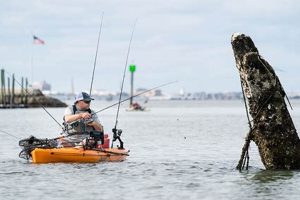
Competitive angling events held within Oklahoma, utilizing kayaks as the sole vessel, offer participants a unique blend of skill, strategy, and sportsmanship. These events typically involve targeting specific fish species within designated boundaries and timeframes, with winners determined by weight, length, or number of fish caught.
These competitions contribute significantly to the local economy through tourism and related expenditures. They also promote conservation awareness by encouraging responsible fishing practices and often partnering with environmental organizations. Furthermore, such events foster a sense of community among anglers, providing opportunities for networking and skill development. The rising popularity of kayak fishing, combined with Oklahoma’s diverse aquatic ecosystems, has contributed to the growth and success of these tournaments in recent years.
This article will further explore key aspects of competitive kayak angling in Oklahoma, including popular target species, tournament formats, regulations, essential gear and safety considerations, and the growing role of technology in these events.
Tips for Competitive Kayak Angling in Oklahoma
Success in competitive kayak fishing requires careful planning and execution. These tips offer guidance for anglers seeking a competitive edge.
Tip 1: Pre-Fishing Scouting: Thoroughly research potential fishing locations before the tournament. Identifying key habitats, prevalent species, and optimal fishing times provides a significant advantage.
Tip 2: Master Kayak Control: Precise boat maneuvering is essential for efficient fishing. Practice techniques like anchoring, drifting, and precise paddling, especially in windy conditions.
Tip 3: Optimize Tackle and Gear: Select rods, reels, lines, and lures appropriate for target species and anticipated conditions. Ensure all equipment is in optimal working order and readily accessible.
Tip 4: Prioritize Safety: Always wear a personal flotation device (PFD) and carry essential safety equipment, including a whistle, first-aid kit, and communication device. Inform someone of your fishing plans and expected return time.
Tip 5: Understand Tournament Rules: Carefully review all tournament regulations, including permitted fishing areas, species restrictions, and weigh-in procedures. Compliance ensures fair competition.
Tip 6: Efficient Fish Handling: Practice proper fish handling techniques to minimize stress on the catch. Utilizing appropriate livewells, culling systems, and quick release methods ensures fish survival.
Tip 7: Weather Awareness: Monitor weather forecasts closely before and during the tournament. Be prepared to adjust fishing strategies based on changing conditions.
By implementing these strategies, anglers can improve their performance, enhance safety, and contribute to a positive tournament experience.
These tips provide a foundation for successful competitive kayak fishing in Oklahoma. Further exploration of specific techniques, equipment choices, and local resources will further enhance angler preparedness.
1. Locations
Tournament locations play a crucial role in shaping the character and challenge of competitive kayak fishing events in Oklahoma. The diverse aquatic environments across the state offer distinct opportunities and require specific angling approaches. Understanding the characteristics of these locations is essential for tournament success.
- Lakes:
Oklahoma boasts numerous reservoirs, each with unique features impacting fish behavior and angler strategy. Grand Lake, known for its clear waters and rocky terrain, presents different challenges compared to the shallow, vegetation-rich waters of Lake Eufaula. Lake Texoma, a sprawling reservoir bordering Texas, offers diverse habitats, from rocky cliffs to submerged timber.
- Rivers:
River systems, such as the Arkansas, Canadian, and Illinois Rivers, provide flowing water environments, influencing fish distribution and requiring specialized techniques. Current, depth, and access points become key considerations. The Lower Illinois River, renowned for its trout population, presents a unique angling experience compared to the bass-rich waters of the Arkansas River.
- Accessibility:
Launch sites and access points vary significantly across different locations. Some tournaments utilize established boat ramps, while others may require navigating more remote areas. Accessibility influences pre-fishing scouting, kayak transport, and overall tournament logistics. Considering factors such as parking availability and shoreline access enhances angler preparedness.
- Environmental Factors:
Weather patterns, water clarity, and seasonal changes significantly impact fishing conditions. Wind, rain, and temperature fluctuations influence fish activity and angler comfort. Understanding these dynamics and adapting strategies accordingly is crucial. Monitoring weather forecasts and local fishing reports provides valuable insights.
Strategic location selection, based on a thorough understanding of these factors, significantly influences tournament outcomes. Analyzing past tournament results, consulting local fishing guides, and conducting pre-fishing scouting expeditions enhance an angler’s ability to capitalize on the specific characteristics of each location.
2. Target Species

Target species significantly influence angler strategies, equipment choices, and overall tournament outcomes in Oklahoma kayak fishing competitions. Understanding the behavior, habitat preferences, and seasonal patterns of these species is crucial for competitive success. The following key species commonly feature in Oklahoma kayak fishing tournaments.
- Largemouth Bass:
Largemouth bass, a prized game fish, are a frequent target in Oklahoma tournaments. Their preference for ambush points near vegetation, submerged structures, and rocky outcrops dictates angler approaches. Techniques like flipping, pitching, and crankbait fishing are often employed. Seasonal variations in water temperature and spawning behavior further influence bass fishing strategies.
- Smallmouth Bass:
Smallmouth bass, known for their aggressive strikes and acrobatic fights, thrive in clearer, rockier environments. They are often found in rivers and reservoirs with rocky bottoms and current breaks. Techniques like drop-shotting, Ned rigging, and tube fishing are effective. Understanding smallmouth bass’s preference for cooler water temperatures and their seasonal movement patterns is crucial.
- Crappie:
Crappie, popular for their abundance and palatability, are frequently targeted in Oklahoma kayak fishing tournaments. They congregate around brush piles, submerged timber, and docks. Techniques like jigging, minnow fishing, and spider rigging are commonly employed. Seasonal spawning behavior and their tendency to suspend in the water column influence crappie fishing tactics.
- Channel Catfish:
Channel catfish, known for their size and fighting ability, provide a different challenge for kayak anglers. They are often found in deeper water, near river channels, and around submerged structures. Techniques like bottom fishing with cut bait, stinkbait, or prepared baits are effective. Understanding catfish behavior in relation to water temperature and current flow is key.
Effective tournament preparation involves tailoring strategies and equipment choices to the specific target species. Researching preferred habitats, seasonal patterns, and effective fishing techniques for each species enhances an angler’s ability to locate and land these fish successfully during competitions. This targeted approach, combined with skillful kayak maneuvering and adherence to tournament regulations, increases the likelihood of a positive outcome in Oklahoma kayak fishing tournaments.
3. Regulations
Regulations form the backbone of organized competitive kayak fishing in Oklahoma, ensuring fair play, resource sustainability, and angler safety. These rules govern various aspects of tournaments, impacting participant behavior and shaping event outcomes. A clear understanding of these regulations is crucial for both tournament organizers and participants.
Tournament regulations typically address several key areas. Species-specific size and bag limits aim to protect fish populations and maintain healthy ecosystems. For instance, regulations may dictate minimum length requirements for bass or restrict the total number of crappie an angler can keep. Designated fishing boundaries confine competition to specific areas, often chosen to minimize environmental impact or ensure angler safety. Permitted fishing methods may prohibit certain techniques, such as live bait fishing or the use of specific lures, to maintain fair competition or protect vulnerable species. Equipment restrictions may limit the type or size of kayaks allowed, ensuring a level playing field and promoting safety. Weigh-in procedures ensure accurate measurement and recording of catches, promoting transparency and preventing disputes. Safety requirements, such as mandatory personal flotation devices (PFDs), safeguard angler well-being and minimize risks associated with on-the-water activities. Ignoring these regulations can lead to disqualification, penalties, or even legal repercussions, highlighting the importance of compliance.
Adherence to regulations fosters a competitive environment based on skill and sportsmanship, rather than exploitation or disregard for conservation. This framework promotes the long-term viability of kayak fishing tournaments in Oklahoma, preserving the natural resources that underpin these events. Familiarization with the specific regulations governing each tournament is essential for all participants. Consulting official tournament rules and seeking clarification from organizers ensures compliance and contributes to a positive and sustainable tournament experience.
4. Equipment

Specialized equipment plays a vital role in competitive kayak fishing tournaments held in Oklahoma. The right gear significantly impacts an angler’s efficiency, comfort, and ultimately, success. Selecting appropriate equipment based on target species, fishing location, and personal preferences is crucial for optimal performance.
- Kayak Selection:
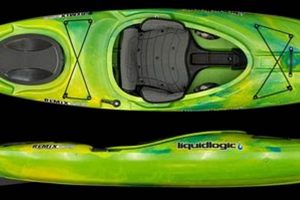
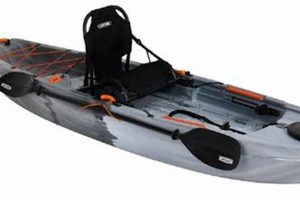
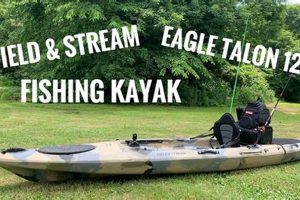
Kayak choice influences stability, maneuverability, and storage capacity. Sit-on-top kayaks offer enhanced stability and ease of re-entry after a water landing, while sit-inside kayaks provide better protection from the elements. Pedal-driven kayaks allow hands-free fishing, enhancing lure presentation and fish fighting capabilities. Consideration of factors like length, width, and weight capacity ensures a suitable platform for tournament fishing.
- Rods and Reels:
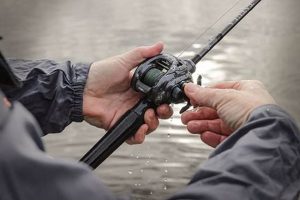
Rod and reel combinations should align with target species and fishing techniques. Shorter, lighter rods are suitable for finesse fishing for bass, while longer, heavier rods are preferred for catfish or larger species. Spinning reels offer versatility, while baitcasting reels provide greater accuracy and power. Matching line strength and type to the target species and fishing environment is essential.
- Fish Finders and Electronics:
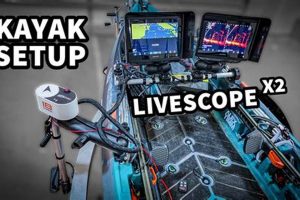
Fish finders and GPS units provide crucial underwater insights, aiding in locating fish, identifying structures, and navigating to productive areas. Side-imaging and down-imaging sonar enhance underwater visibility, while GPS mapping assists in marking waypoints and tracking fishing routes. Integration with other electronics, like trolling motors, further enhances angling efficiency.
- Tackle and Accessories:
A well-organized tackle system containing a variety of lures, hooks, weights, and tools is essential. Lure selection should consider target species and prevailing conditions. Essential accessories include pliers, line cutters, measuring boards, and livewells or coolers for keeping fish alive and healthy. Proper organization and readily accessible gear streamline fishing processes.
The strategic selection and effective utilization of appropriate equipment contribute significantly to success in Oklahoma kayak fishing tournaments. Investing in quality gear, tailored to specific needs and fishing styles, enhances angler performance, comfort, and overall tournament experience. Careful consideration of these equipment factors, combined with skillful fishing techniques and adherence to tournament regulations, increases the likelihood of a positive outcome in these competitive events.
5. Safety Procedures

Safety procedures are paramount in Oklahoma kayak fishing tournaments, ensuring participant well-being and responsible angling practices. These procedures mitigate risks inherent in on-the-water activities, contributing to a positive and sustainable tournament environment. Adherence to these guidelines benefits individual anglers and promotes the overall integrity of competitive kayak fishing.
- Personal Flotation Devices (PFDs):
Wearing a properly fitted PFD is non-negotiable. PFDs provide essential buoyancy in the event of capsizing or accidental immersion, significantly increasing survival chances. Oklahoma regulations often mandate PFD use during tournaments. Choosing a comfortable, well-maintained PFD designed for kayaking enhances both safety and angler performance.
- Communication Devices:
Carrying a reliable communication device, such as a waterproof VHF radio or a charged mobile phone in a waterproof case, allows anglers to contact tournament officials or emergency services if needed. Communication is crucial for reporting incidents, requesting assistance, or relaying changes in fishing plans. Regularly checking device functionality and ensuring adequate battery life are essential precautions.
- Weather Awareness and Preparation:
Monitoring weather forecasts before and during tournaments is crucial. Sudden changes in weather conditions, such as strong winds, lightning storms, or rapid temperature drops, can create hazardous situations on the water. Being prepared to adjust fishing plans, seek shelter, or exit the water promptly minimizes risks associated with adverse weather. Carrying appropriate clothing and gear for varying conditions enhances angler safety and comfort.
- First-Aid and Emergency Preparedness:
Carrying a basic first-aid kit equipped to handle common fishing-related injuries, such as hook removals, cuts, and insect bites, is essential. Knowledge of basic first-aid procedures and CPR further enhances preparedness. Informing someone of fishing plans, including intended locations and expected return times, provides an additional layer of safety in case of emergencies.
Prioritizing these safety procedures contributes to a positive and secure tournament experience for all participants. These measures not only protect individual anglers but also reflect a commitment to responsible angling practices. By adhering to safety guidelines, tournament organizers and participants cultivate a culture of safety within the Oklahoma kayak fishing community, ensuring the long-term sustainability and enjoyment of these competitive events.
Frequently Asked Questions
This section addresses common inquiries regarding competitive kayak angling in Oklahoma, providing concise and informative responses.
Question 1: How does one locate information on upcoming kayak fishing tournaments in Oklahoma?
Information regarding upcoming tournaments is often available through online fishing forums, local bait and tackle shops, and websites dedicated to kayak fishing communities in Oklahoma. Checking with local kayak fishing clubs and organizations can also provide valuable leads.
Question 2: Are there specific license requirements for participating in these tournaments?
A valid Oklahoma fishing license is typically required for tournament participation. Specific requirements may vary depending on tournament regulations and fishing locations. Consulting the Oklahoma Department of Wildlife Conservation website provides comprehensive information.
Question 3: What are the typical entry fees for kayak fishing tournaments in Oklahoma?
Entry fees vary widely depending on tournament scale, prize structure, and associated costs. Fees can range from modest amounts for smaller local events to higher amounts for larger, more prestigious competitions.
Question 4: What types of fish are typically targeted in these competitions?
Largemouth bass, smallmouth bass, crappie, and catfish are commonly targeted species in Oklahoma kayak fishing tournaments. Specific target species may vary depending on the tournament and the chosen fishing location.
Question 5: Are there any specific safety regulations participants should be aware of?
Wearing a personal flotation device (PFD) is typically mandatory. Additional safety regulations, such as carrying communication devices and adhering to designated fishing boundaries, may also apply. Consulting specific tournament rules ensures compliance.
Question 6: What are some recommended resources for improving kayak fishing skills in preparation for a tournament?
Local fishing guides, online instructional videos, and participation in kayak fishing clubs offer valuable opportunities for skill development. Practicing various fishing techniques and familiarizing oneself with local waterways enhances tournament preparedness.
Understanding these frequently addressed topics provides valuable insights into the landscape of competitive kayak angling in Oklahoma. Thorough preparation, adherence to regulations, and a commitment to safety contribute to a positive and rewarding tournament experience.
Further exploration of specific tournament formats, rules, and strategies will enhance angler preparedness and promote successful participation in these competitive events.
Conclusion
Competitive kayak angling in Oklahoma offers a dynamic blend of skill, strategy, and sportsmanship within the state’s diverse aquatic ecosystems. This article has explored key facets of these tournaments, from location considerations and target species to equipment selection, regulations, and essential safety procedures. The information presented provides a comprehensive overview for both aspiring competitors and those interested in learning more about this growing sport. Understanding the nuances of tournament formats, specific regulations, and effective fishing techniques is crucial for successful participation.
The continued growth of kayak fishing tournaments in Oklahoma underscores the importance of responsible angling practices and resource conservation. These events contribute not only to the enjoyment of participants but also to the economic vitality of local communities and the preservation of Oklahoma’s natural aquatic treasures. As the sport evolves, embracing technological advancements and fostering a strong commitment to ethical angling practices will ensure the long-term sustainability and enjoyment of competitive kayak fishing in Oklahoma.