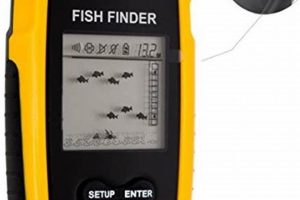
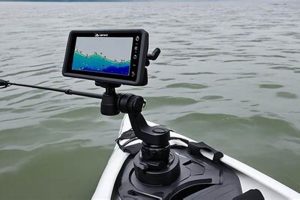
A high-quality, position-aware sonar device designed for kayak use represents a significant advancement in angling technology. These compact units typically combine GPS charting, sonar capabilities, and often other features like down-imaging and fish identification to provide kayakers with a comprehensive view of the underwater environment and their location on the water. This enables anglers to pinpoint productive fishing spots, navigate safely, and ultimately increase their chances of success.
The advantages of utilizing such technology are numerous. Kayaks, due to their smaller size and maneuverability, allow access to shallow waters and tight spaces often inaccessible to larger boats. Pairing this advantage with a device capable of accurately mapping underwater structures and pinpointing fish locations significantly enhances angling effectiveness. Furthermore, integrated GPS functionality provides crucial navigational aid, especially in unfamiliar waters or challenging conditions, contributing to both safety and efficient exploration. Historically, anglers relied on traditional methods like depth sounders and paper maps, which lack the precision and real-time data offered by modern electronics. This technological evolution has transformed kayak fishing, providing anglers with unparalleled situational awareness and control.
This article will further explore the crucial factors to consider when selecting a suitable unit for kayak fishing, including display size and resolution, transducer type, mapping capabilities, battery life, portability, and mounting options. It will also delve into the different features available and offer guidance on maximizing the benefits of this powerful technology on the water.
Tips for Selecting and Utilizing a Kayak Fishing Electronics Unit
Choosing and effectively using a suitable electronic device can significantly impact angling success from a kayak. Consider these key factors to optimize equipment selection and on-the-water performance.
Tip 1: Prioritize Display Clarity and Size: Opt for a unit with a bright, high-resolution display easily readable in direct sunlight. Screen size should balance information detail with space constraints on a kayak.
Tip 2: Select a Suitable Transducer: Transducer selection hinges on target fishing locations. Consider transducers optimized for shallow-water performance when fishing in rivers or ponds, while offshore kayak angling might necessitate a different model.
Tip 3: Evaluate Mapping Options: Detailed charts enhance navigation and location awareness. Consider units with preloaded charts or compatibility with mapping software for optimal coverage of target fishing areas.
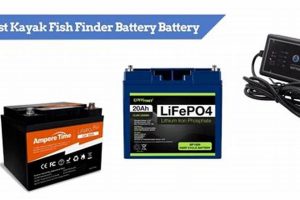
Tip 4: Ensure Adequate Battery Life: Longer battery life allows extended fishing trips without recharging. Assess power consumption rates and consider carrying a spare battery for all-day excursions.
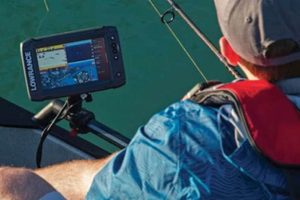
Tip 5: Consider Mounting Solutions: Secure and stable mounting is essential for device safety and accessibility. Evaluate kayak-specific mounting options designed for easy viewing and transducer deployment.
Tip 6: Understand Sonar Frequencies: Different sonar frequencies offer distinct advantages. Higher frequencies provide detailed images of bottom structure and fish in shallower water, while lower frequencies penetrate deeper but offer less detail.
Tip 7: Leverage Advanced Features: Features such as down-imaging, side-imaging, and fish identification can significantly enhance angling effectiveness. Understand how these features function and how they can be applied to specific fishing scenarios.
By carefully evaluating these factors, anglers can select and utilize electronic devices that maximize their potential on the water. Informed decisions lead to improved angling outcomes and enhanced enjoyment on the kayak.
These tips provide a foundation for successful kayak fishing with electronics. The following section will discuss specific product recommendations based on different budgets and fishing styles.
1. Portability

Portability is a critical factor when selecting a GPS fish finder for kayak use. The compact nature of kayaks necessitates equipment that is easy to transport, mount, and store. A portable fish finder enhances the overall kayak fishing experience by minimizing bulk and maximizing efficiency.
- Compact Size and Lightweight Design
Units designed for portability prioritize compact dimensions and lightweight materials. This reduces overall weight and bulk, simplifying transport to and from the water. Smaller units also occupy less valuable space on the kayak, leaving more room for other essential gear. For example, a unit weighing less than two pounds and featuring foldable displays greatly improves portability.
- Efficient Mounting Systems
Portable fish finders often incorporate versatile mounting systems designed for quick installation and removal. These systems may include adjustable brackets, suction cup mounts, or rail mounts compatible with standard kayak track systems. Easy mounting and dismounting streamline setup and storage processes. A quick-release mount allows anglers to easily stow the unit during transport or when not in use.
- Integrated Battery Solutions
Many portable fish finders utilize rechargeable lithium-ion batteries, eliminating the need for external power sources and reducing cable clutter. Integrated batteries contribute to a cleaner, more organized kayak setup. Long battery life further enhances portability, enabling extended fishing trips without requiring access to external power. A unit with a 10-hour battery life provides ample power for a full day of fishing.
- Carrying Cases and Protective Covers
Durable carrying cases and protective covers safeguard the fish finder during transport and storage. These accessories protect the unit from impacts, scratches, and exposure to the elements. Dedicated cases often incorporate compartments for transducers, cables, and other accessories, further enhancing organization. A waterproof case ensures the unit remains protected even in wet conditions.
These facets of portability contribute significantly to the overall usability and effectiveness of a GPS fish finder in a kayak fishing environment. A portable unit streamlines setup, minimizes clutter, and allows anglers to focus on the fishing experience. By prioritizing portability, kayak anglers can enhance their efficiency and enjoyment on the water.
2. Display Clarity
Display clarity is paramount for effective utilization of a GPS fish finder in a kayak. The ability to quickly and accurately interpret on-screen information significantly impacts navigational decisions and fishing success. A clear, easily readable display enhances situational awareness and allows for efficient adjustments based on real-time data. This discussion will explore key facets contributing to optimal display clarity in kayak fishing electronics.
- Screen Resolution and Pixel Density
Higher screen resolutions, measured in pixels, directly correlate to sharper, more detailed images. A high pixel density ensures fine details, such as subtle changes in bottom contour or the presence of smaller fish, are readily discernible. Comparing a 240 x 320 pixel display to a 480 x 640 pixel display reveals a significant difference in clarity and detail, impacting the angler’s ability to interpret sonar data effectively. Higher resolution enables more precise identification of fish and structure.
- Screen Size and Aspect Ratio
Screen size influences the overall visibility of information. While larger screens provide a more comprehensive view, they must balance with the limited space available on a kayak. Aspect ratio, the relationship between screen width and height, also impacts information presentation. A widescreen format might be beneficial for mapping, while a more square format might be preferable for sonar readings. A 5-inch display offers a good balance between visibility and space constraints on a typical kayak.
- Brightness and Contrast
Screen brightness and contrast are essential for maintaining visibility in varying light conditions, especially under direct sunlight, which is common in kayak fishing. High brightness levels and strong contrast ensure the display remains readable even in challenging glare. Adjustable brightness settings allow adaptation to changing light conditions throughout the day. A display with a transflective coating improves visibility by utilizing ambient light.
- Color Palettes and Customization
Color palettes impact the visibility of different elements on the display. Some color schemes highlight specific details, like fish arches or bottom structure, more effectively than others. Customization options allow anglers to tailor the display to their preferences and fishing conditions. The ability to adjust color palettes and background colors enhances visibility and improves interpretation of sonar data. A customizable color palette allows anglers to optimize the display for specific fish species or water conditions.
These elements of display clarity collectively contribute to the overall effectiveness of a GPS fish finder for kayak angling. A clear, easily readable display enhances situational awareness and allows anglers to make informed decisions based on accurate, real-time data. Prioritizing display clarity ensures optimal performance and contributes to a more successful and enjoyable fishing experience.
3. Accurate GPS
Accurate GPS functionality is a defining characteristic of a high-quality fish finder designed for kayak use. Precise positioning information is crucial for navigation, marking waypoints, tracking trolling paths, and creating detailed maps of fishing areas. This precision directly impacts angling effectiveness and safety on the water.
- Waypoint Marking and Navigation
Accurate GPS allows anglers to mark productive fishing spots, navigational hazards, and points of interest with waypoints. These waypoints facilitate easy return to specific locations, enhancing efficiency and reducing search time. Precise waypoint marking enables anglers to revisit successful fishing spots even after significant time has passed or under changing conditions. For example, marking a submerged reef or a drop-off allows for precise targeting of these structures on subsequent trips.
- Trolling Path Tracking and Optimization
GPS tracking of trolling paths provides valuable insights into successful fishing patterns. By recording the routes where fish are caught, anglers can identify productive trolling speeds, depths, and locations. This information facilitates pattern recognition and optimization of trolling strategies, increasing the likelihood of future success. Analyzing tracked paths helps determine optimal trolling speeds and depths for specific target species.
- Creating Detailed Fishing Maps
Combining GPS data with sonar readings enables the creation of detailed maps of fishing areas. These maps can include depth contours, bottom hardness variations, vegetation density, and locations of fish-holding structures. Accurate GPS ensures the precise correlation of sonar data with location, creating highly accurate and informative fishing maps. These customized maps provide valuable insights into underwater terrain and habitat.
- Enhanced Safety and Situational Awareness
Accurate GPS enhances safety by providing precise location information, especially in unfamiliar waters or during challenging weather conditions. Knowing one’s exact position facilitates informed decisions about navigation and emergency response. GPS data integrated with mapping software provides real-time location awareness relative to navigational hazards and safe passage routes. This is particularly crucial in low-visibility conditions or when navigating complex waterways.
These interconnected aspects of accurate GPS functionality contribute significantly to the overall effectiveness of a kayak fishing electronics unit. Precise positioning information empowers anglers to navigate efficiently, target specific locations, optimize fishing strategies, and enhance safety on the water. The integration of accurate GPS with other features like sonar and mapping creates a powerful tool that maximizes angling success and enjoyment.
4. Reliable Sonar
Reliable sonar performance is a cornerstone of a high-performing GPS fish finder designed for kayak use. The ability to consistently and accurately interpret underwater conditions directly impacts fishing success. Sonar data provides crucial insights into bottom structure, depth, water temperature, and fish presence, enabling informed decisions about lure selection, presentation, and fishing location. A reliable sonar system distinguishes a truly effective unit from a less capable one, particularly in the dynamic environment of kayak fishing.
Consider a scenario where an angler is targeting fish holding near a submerged structure. A reliable sonar system will accurately depict the structure’s contours, allowing the angler to precisely position the kayak for optimal casting. Conversely, an unreliable sonar system might provide inconsistent readings or fail to clearly depict the structure, leading to missed opportunities. Consistent performance allows anglers to build confidence in the data presented, facilitating more effective fishing strategies. For example, consistently accurate readings of thermocline depth enable anglers to target specific temperature zones preferred by certain fish species.
The practical significance of reliable sonar extends beyond simply locating fish. Understanding bottom composition, identifying vegetation beds, and recognizing changes in depth are crucial aspects of effective angling. A reliable sonar system provides the necessary data to make informed decisions about these factors, leading to a more comprehensive understanding of the underwater environment. Challenges such as interference from other electronic devices or turbulent water conditions can compromise sonar performance. High-quality units minimize these effects through advanced signal processing and transducer design, ensuring consistent data delivery. This reliability translates to greater efficiency, improved decision-making, and ultimately, increased angling success from a kayak.
5. Durable Construction

Durability is a critical factor in evaluating kayak fishing electronics. The marine environment presents unique challenges, including exposure to water, sunlight, temperature fluctuations, and physical impacts. A robustly constructed unit withstands these rigors, ensuring reliable performance and a longer lifespan. Investing in a durable fish finder minimizes the risk of malfunction and maximizes the return on investment for kayak anglers.
- Waterproof and Weatherproof Design
Exposure to water, spray, and rain is inevitable in kayak fishing. A truly durable unit features robust waterproofing, exceeding basic splash resistance. Look for Ingress Protection (IP) ratings, such as IPX7, indicating submersion protection. Weatherproofing safeguards internal components from humidity, fog, and temperature extremes. Effective sealing and robust construction prevent water intrusion and ensure continued functionality in challenging conditions. For example, a unit with a sealed keypad and connections resists damage from saltwater spray and accidental submersion.
- Impact and Shock Resistance
Kayak fishing often involves navigating shallow waters, rocky shorelines, and unexpected impacts. A durable fish finder withstands accidental drops, bumps, and vibrations without damage to internal components or the display. Shock-absorbing materials and robust housing construction protect against physical impacts common in a kayak fishing environment. A unit designed to withstand shocks and impacts ensures consistent performance even after accidental drops or collisions with obstacles.
- UV Resistance and Screen Protection
Prolonged exposure to sunlight can degrade plastics, fade displays, and damage sensitive electronic components. Durable units incorporate UV-resistant materials that maintain their integrity and appearance over time. Scratch-resistant screen coatings protect the display from abrasion and maintain visibility. A unit with UV-resistant materials and a scratch-resistant screen retains its functionality and appearance even after extended exposure to sunlight. This ensures continued readability and extends the lifespan of the unit.
- Corrosion-Resistant Components
Saltwater environments are particularly corrosive to electronic components and metal parts. Durable fish finders utilize corrosion-resistant materials, such as stainless steel hardware and marine-grade connectors, to ensure long-term reliability. These materials withstand the harsh effects of saltwater exposure, preventing rust and maintaining electrical conductivity. Units designed with corrosion-resistant components maintain performance and extend lifespan in saltwater environments.
The cumulative effect of these durability features results in a fish finder capable of withstanding the demanding conditions inherent in kayak fishing. This resilience translates to consistent performance, extended lifespan, and ultimately, a greater return on investment. By prioritizing durability, kayak anglers can focus on the fishing experience, confident in the reliability of their electronics.
6. Battery Life
Battery life is a crucial consideration when selecting a GPS fish finder for kayak use. Extended time on the water necessitates a unit capable of sustained operation without requiring recharging. Insufficient battery life can curtail fishing trips and limit exploration, underscoring the importance of this factor in choosing the best device. A longer-lasting battery contributes directly to a more productive and enjoyable kayak fishing experience.
- Capacity and Power Consumption
Battery capacity, typically measured in milliampere-hours (mAh), directly influences operational duration. However, power consumption rates, influenced by screen brightness, sonar frequency, and connected accessories, also play a significant role. Balancing higher capacity with efficient power management is key to maximizing runtime. For instance, a unit with a high-capacity battery but inefficient power management might offer similar runtime to a lower-capacity battery with optimized power usage. Understanding the interplay between capacity and consumption is essential for informed decision-making.
- Impact of Usage Patterns on Battery Life
Actual battery life varies depending on usage patterns. Continuous sonar operation, high screen brightness, and frequent GPS updates consume more power than intermittent use. Anglers should consider their typical fishing habits and adjust usage patterns to conserve battery power when necessary. For example, reducing screen brightness when fishing in low-light conditions or disabling sonar when paddling between fishing spots can significantly extend battery life.
- External Power Sources and Charging Options
While maximizing internal battery life is important, having options for external power and convenient charging methods enhances flexibility. Some units offer compatibility with portable power banks or 12V kayak battery systems. Understanding charging options, including USB charging or dedicated charging cradles, facilitates efficient power management and ensures readiness for extended trips. Having the option to connect to an external power source provides a valuable backup for prolonged outings.
- Battery Management Features and Indicators
Advanced battery management features, such as low-battery warnings and power-saving modes, enhance user experience and prevent unexpected shutdowns. Clear battery level indicators provide real-time feedback on remaining power, allowing anglers to anticipate recharging needs. These features contribute to efficient power utilization and prevent interruptions during critical fishing moments. For example, a unit with a power-saving mode automatically dims the screen or reduces sonar frequency after a period of inactivity, extending battery life.
These interconnected aspects of battery life significantly influence the overall performance and usability of a GPS fish finder in a kayak fishing context. Selecting a unit with adequate battery capacity, efficient power management, and convenient charging options directly impacts the length and productivity of fishing trips. Prioritizing battery life ensures uninterrupted operation and contributes to a more enjoyable and successful experience on the water.
Frequently Asked Questions
This section addresses common inquiries regarding the selection and utilization of GPS fish finders designed for kayak fishing. Clarity on these points facilitates informed purchasing decisions and optimal usage of these devices.
Question 1: What differentiates kayak-specific fish finders from other units?
Kayak-specific models prioritize portability, compact design, and versatile mounting options suitable for smaller vessels. They often include features tailored to kayak angling, such as specialized transducers for shallow-water performance.
Question 2: How does transducer selection impact sonar performance in a kayak?
Transducer selection significantly influences sonar effectiveness. Kayak anglers should consider transducers optimized for shallow-water use and compatibility with their specific fishing environment. Factors such as target species and bottom composition influence optimal transducer choice.
Question 3: Can existing kayak electronics be integrated with a new fish finder?
Integration possibilities depend on the specific units involved. Some fish finders offer NMEA connectivity, enabling data sharing with chartplotters and other compatible devices. Researching compatibility beforehand is crucial for successful integration.
Question 4: What maintenance is required for a kayak fish finder?
Regular maintenance ensures optimal performance and longevity. Rinsing the unit with fresh water after each use removes salt and debris. Periodically inspecting cables and connections for wear and tear prevents potential issues. Storing the unit in a protective case safeguards it during transport and off-season storage.
Question 5: How does screen size influence usability in a kayak?
Screen size impacts visibility and information detail. While larger screens offer better readability, they also require more mounting space. Balancing display size with available kayak space is crucial. Consider the typical viewing distance and the importance of a compact setup when selecting screen size.
Question 6: What role does GPS accuracy play in kayak fishing effectiveness?
Precise GPS data enables accurate waypoint marking, reliable navigation, and effective tracking of trolling paths. These factors directly contribute to locating productive fishing spots and optimizing angling strategies. Accurate GPS also enhances safety by providing reliable positional information, particularly in challenging conditions.
Understanding these key aspects of kayak fish finder selection and usage empowers anglers to make informed decisions and maximize their on-the-water success. Careful consideration of these factors contributes to a more productive and enjoyable fishing experience.
The next section will explore specific product recommendations and comparisons to further assist anglers in selecting the ideal unit for their individual needs and budget.
Conclusion
Optimal selection of a high-quality, position-aware sonar unit designed for kayak use requires careful evaluation of several key factors. Portability, display clarity, GPS accuracy, reliable sonar performance, durable construction, and battery life significantly influence a unit’s effectiveness and suitability for kayak fishing. Understanding the interplay of these elements empowers anglers to make informed decisions aligned with individual needs and fishing styles. Prioritizing these features ensures not only enhanced angling success but also increased safety and enjoyment on the water. Choosing wisely equips anglers with a powerful tool to explore, navigate, and ultimately, connect more deeply with the underwater world from the unique perspective of a kayak.
Technological advancements continue to refine the capabilities of these devices. Investing in a unit that balances present needs with future potential ensures long-term value and adaptability. As technology evolves, anglers who prioritize these key aspects will be well-equipped to leverage the ongoing innovations in kayak fishing electronics. This forward-thinking approach promises to further enhance the angling experience, allowing for greater exploration, improved efficiency, and a deeper understanding of aquatic environments.