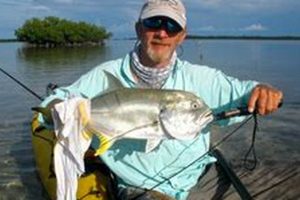
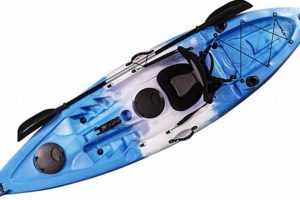
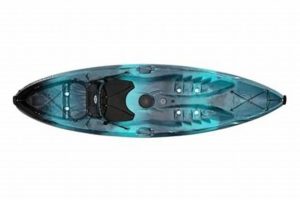
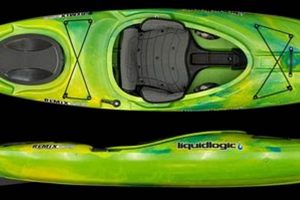
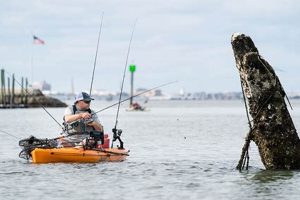
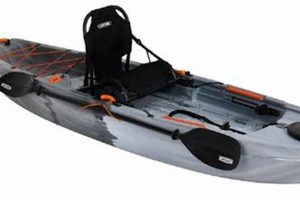
A small, highly maneuverable watercraft designed specifically for angling offers anglers exceptional portability and access to shallow, secluded fishing spots often inaccessible to larger boats. This type of vessel prioritizes stability and ease of use, frequently incorporating features like rod holders, tackle storage, and comfortable seating tailored to the needs of fishing enthusiasts.
The compact nature of these specialized vessels enables anglers to explore diverse waterways, from ponds and creeks to larger lakes and rivers. This versatility expands fishing opportunities, allowing for a more intimate connection with nature and targeted pursuit of various fish species. The emphasis on stability and user-friendly design makes these craft accessible to anglers of all skill levels, contributing to the growing popularity of kayak fishing. Historically, fishing from small, human-powered boats has been a common practice across cultures. Modern innovations in materials and design have led to the development of highly specialized kayaks optimized for stability, comfort, and fishing-specific features, enhancing the angling experience.
This exploration will further delve into specific design elements, popular models, and essential accessories, providing a comprehensive overview of the advantages and considerations associated with this increasingly popular fishing method. Topics covered will include choosing the right vessel for individual needs, essential safety precautions, and techniques for maximizing fishing success from this unique platform.
Tips for Optimized Kayak Fishing
Strategic preparation and thoughtful execution enhance the kayak fishing experience, maximizing both enjoyment and effectiveness on the water.
Tip 1: Prioritize Stability and Balance: Vessel stability is paramount. Consider hull design, weight capacity, and personal comfort levels when selecting a kayak. Practice entering, exiting, and maneuvering the kayak in calm water before venturing into more challenging environments.
Tip 2: Plan and Research Fishing Locations: Thorough research is essential. Study maps, water conditions, and local fishing regulations. Identify target species and their preferred habitats to pinpoint promising fishing spots accessible by kayak.
Tip 3: Organize and Secure Equipment: Efficient organization is crucial in a limited space. Utilize waterproof storage compartments and strategically mount rod holders within easy reach. Secure loose items to prevent loss or interference during paddling and casting.
Tip 4: Master Essential Paddling Techniques: Efficient paddling maximizes time spent fishing. Practice basic strokes and maneuvering techniques to navigate effectively and maintain position in various water conditions.
Tip 5: Employ Effective Anchoring Strategies: Proper anchoring ensures stability while fishing. Utilize a lightweight anchor suitable for the kayak and bottom conditions. Deploy the anchor carefully to prevent entanglement or damage to the environment.
Tip 6: Choose Appropriate Fishing Gear: Select rods, reels, and lures appropriate for the target species and fishing environment. Consider shorter rods and lighter tackle for easier handling in the confines of a kayak.
Tip 7: Practice Catch-and-Release Techniques: Conservation-minded angling preserves fish populations. Handle fish gently and minimize air exposure during catch-and-release practices. Employ barbless hooks to reduce stress on the fish.
Implementing these strategies promotes a safe and successful kayak fishing experience. Careful planning, proper equipment selection, and mindful angling practices contribute to both enjoyment and the long-term health of aquatic ecosystems.
By adhering to these guidelines, anglers can fully appreciate the unique advantages and rewards of kayak fishing, fostering a deeper connection with nature and a more fulfilling angling pursuit.
1. Kayak Selection

Appropriate kayak selection is fundamental to a successful mojo fishing kayak experience. The vessel serves as the angler’s primary platform, directly influencing stability, maneuverability, and overall fishing effectiveness. Choosing the right kayak requires careful consideration of several key factors.
- Hull Design:
Hull design significantly impacts performance. Sit-on-top kayaks offer excellent stability and ease of entry/exit, ideal for calm waters and sight fishing. Sit-inside kayaks provide better protection from the elements and enhanced paddling efficiency in moving water but require more experience to handle. A shorter, wider hull enhances stability for still-water fishing, while a longer, narrower hull improves tracking and speed for covering larger distances or navigating currents. Matching hull design to the intended fishing environment optimizes performance and safety.
- Length and Width:
Kayak dimensions directly affect stability and maneuverability. Shorter kayaks are more agile in tight spaces, while longer kayaks track better in open water. Wider kayaks offer increased stability, crucial for stand-up fishing or challenging conditions, while narrower kayaks are faster and more efficient for paddling longer distances. Consider the typical fishing environment and personal preferences regarding stability versus speed when selecting length and width.
- Weight Capacity:
Weight capacity dictates the safe carrying limit of the kayak, including the angler, gear, and any potential catch. Exceeding the weight capacity compromises stability and can lead to capsizing. Accurately estimate the total weight to be carried and choose a kayak with ample capacity. This ensures safe operation and prevents performance issues related to overloading.
- Storage and Features:
Dedicated storage compartments, rod holders, and mounting points for fish finders and other accessories streamline the fishing experience. Ample storage keeps gear organized and accessible, minimizing clutter and maximizing fishing time. Integrated features specifically designed for angling enhance convenience and efficiency on the water. The availability and placement of these features should align with individual fishing styles and preferences.
By carefully evaluating these factors, anglers can select a kayak that aligns with their individual needs, fishing style, and target environment. The right kayak enhances on-the-water performance, improves safety, and ultimately contributes to a more productive and enjoyable mojo fishing kayak experience. This informed decision lays the foundation for a successful and fulfilling fishing adventure.
2. Fishing Accessories

Specialized fishing accessories significantly enhance the effectiveness and enjoyment of the mojo fishing kayak experience. These accessories integrate seamlessly with the kayak platform, optimizing functionality and angler performance in various fishing scenarios. The selection and utilization of appropriate accessories directly influence fishing success and overall on-the-water experience. Consider the cause-and-effect relationship between accessory choices and fishing outcomes.
Rod holders, for example, provide secure storage and quick access to fishing rods, freeing hands for paddling and other tasks. Fish finders offer real-time underwater insights, enabling anglers to locate fish, identify structures, and assess water depth. Anchors maintain kayak position in desired locations, maximizing fishing time and preventing drift in currents or wind. A well-chosen and properly installed anchor is essential for stability and effective fishing. These accessories, when correctly implemented, enhance angling efficiency and contribute to a more productive outing.
Practical application necessitates thoughtful consideration of individual fishing styles and target species. A bass angler, for instance, benefits from accessories like rod holders designed for baitcasting reels and specialized tackle storage for lures and terminal tackle. A fly fisherman, conversely, might prioritize a stripping basket and fly-specific storage solutions. Understanding the practical significance of each accessory allows anglers to tailor their kayak setup to specific fishing needs and maximize on-the-water performance. Challenges may include balancing accessory functionality with weight and space limitations inherent to the kayak platform. Effective organization and strategic mounting solutions address these challenges, ensuring a streamlined and efficient fishing experience. Addressing these considerations contributes to a more fulfilling and successful mojo fishing kayak adventure.
3. Target Species
Target species selection significantly influences the mojo fishing kayak experience, dictating location choices, tackle selection, and overall angling strategies. Understanding the habitat preferences and behavioral patterns of target species is crucial for maximizing fishing success. The interplay between target species and kayak fishing necessitates careful consideration of various factors.
- Habitat Preferences:
Different species inhabit specific areas within a given body of water. Bass, for example, often prefer structures like submerged logs, weed beds, and rocky outcrops. Trout, conversely, gravitate towards cooler, oxygen-rich waters typically found in deeper sections or near inlets. Knowledge of these habitat preferences informs location selection and enhances the probability of encountering target species. Choosing a kayak conducive to navigating these specific environments, such as a shallow-draft kayak for navigating weed beds or a more stable platform for open-water trolling, further optimizes the fishing approach.
- Feeding Behavior:
Understanding feeding patterns is crucial for effective lure selection and presentation. Predatory fish like pike and muskie respond to aggressive retrieves and larger lures that mimic their natural prey. Panfish, on the other hand, are often attracted to smaller lures, slower presentations, and live bait. Tailoring tackle and retrieval techniques to match the feeding behavior of the target species significantly increases the likelihood of successful hookups. This knowledge, combined with an understanding of daily feeding patterns, influences the timing and location of fishing efforts.
- Seasonal Influences:
Seasonal changes impact fish behavior and distribution. During spawning seasons, certain species congregate in specific areas for reproduction, creating opportune fishing windows. Water temperature fluctuations also influence fish activity levels and feeding patterns. Adapting fishing strategies to account for these seasonal variations is essential for maximizing catch rates. This adaptability may involve changing lure choices, fishing different depths, or adjusting fishing locations based on seasonal changes in fish behavior.
- Local Regulations:
Fishing regulations, including size limits, catch limits, and seasonal closures, vary based on species and location. Adherence to these regulations ensures the sustainability of fish populations and preserves the integrity of the ecosystem. Awareness of local fishing regulations is a fundamental aspect of responsible angling. Consulting local resources, such as state wildlife agencies or fishing license vendors, provides up-to-date information on specific regulations for target species in the chosen fishing area.
By considering these facets of target species, anglers can effectively plan and execute their mojo fishing kayak outings. Matching kayak selection, fishing techniques, and location choices to the specific characteristics of the target species enhances the likelihood of a successful and rewarding fishing experience. This knowledge empowers anglers to make informed decisions, maximizing both enjoyment and conservation efforts.
4. Water Conditions

Water conditions significantly influence the mojo fishing kayak experience, impacting safety, kayak maneuverability, and fish behavior. Currents, wind, waves, and water clarity all play crucial roles in determining fishing success and overall angler safety. Understanding these dynamic factors and their effects empowers informed decision-making and enhances on-the-water adaptability. Cause-and-effect relationships between water conditions and kayak fishing outcomes are central to this understanding.
Strong currents, for example, can challenge kayak control, particularly in narrow channels or rivers. Wind generates waves, affecting stability and potentially hindering precise casting. Reduced water clarity limits visibility, impacting sight fishing techniques and requiring adjustments in lure selection and presentation. Conversely, calm, clear water provides optimal conditions for sight fishing and precise lure placement, maximizing angling opportunities. Consider the practical significance of these factors: launching a kayak in strong offshore winds poses significant risks, while understanding tidal flows enables strategic positioning for intercepting migrating fish. These real-life examples illustrate the practical implications of assessing and adapting to prevailing water conditions.
Assessing water conditions before and during a fishing trip is paramount. Consulting weather forecasts, tide charts, and local fishing reports provides valuable insights. On-the-water observation and continuous assessment of changing conditions allow for real-time adjustments in fishing strategies and kayak positioning. Recognizing limitations imposed by challenging conditions and prioritizing safety above all else are fundamental aspects of responsible kayak fishing. Challenges may include unpredictable weather changes or rapidly shifting currents. Carrying appropriate safety gear, maintaining situational awareness, and possessing the skills to handle various water conditions mitigate these challenges, ensuring a safe and productive mojo fishing kayak experience. This proactive approach fosters both successful angling and a responsible interaction with the aquatic environment.
5. Safety Precautions

Safety precautions are paramount in mojo fishing kayak excursions. The inherent risks associated with on-the-water activities necessitate a proactive approach to safety, ensuring angler well-being and fostering responsible enjoyment of the sport. Cause-and-effect relationships between safety practices and potential outcomes underscore the importance of this critical aspect of kayak fishing. Neglecting safety protocols significantly increases the risk of accidents, injuries, or even fatalities. Conversely, meticulous adherence to safety measures minimizes these risks, promoting a positive and secure fishing experience.
Wearing a personal flotation device (PFD) is non-negotiable. PFDs provide essential buoyancy in the event of capsizing or accidental immersion, significantly increasing chances of survival. Carrying a whistle allows for signaling in emergencies, attracting attention and facilitating rescue efforts. A waterproof communication device, such as a VHF radio or a mobile phone in a waterproof case, enables contact with emergency services or shore-based support in critical situations. Checking weather forecasts before embarking on a fishing trip informs decisions about whether conditions are safe for kayaking. Informing someone of the intended fishing location and estimated return time provides an additional layer of security, enabling timely assistance if needed. These precautions, while seemingly simple, collectively create a robust safety net, mitigating potential risks and promoting angler well-being. Consider the practical significance: a sudden storm can capsize a kayak, highlighting the life-saving role of a PFD. A mobile phone in a waterproof case enables communication with emergency services in case of injury or disorientation. These real-life scenarios illustrate the practical value of prioritizing safety.
Challenges may include complacency or underestimation of potential risks. Educating oneself about potential hazards, practicing self-rescue techniques, and maintaining situational awareness address these challenges. Regularly inspecting safety equipment, ensuring its proper functioning, and understanding its use are crucial for preparedness. Integrating safety precautions into pre-trip planning and on-the-water practices fosters a safety-conscious mindset, enhancing angler confidence and contributing to a positive and secure mojo fishing kayak experience. This commitment to safety fosters a culture of responsible angling, promoting long-term enjoyment of the sport and minimizing potential negative consequences associated with on-the-water activities.
Frequently Asked Questions
This section addresses common inquiries regarding specialized fishing kayaks, providing concise and informative responses to facilitate informed decision-making and enhance understanding of this specialized angling approach.
Question 1: What differentiates a specialized fishing kayak from a recreational kayak?
Fishing kayaks typically incorporate features like rod holders, tackle storage, and enhanced stability designed specifically for angling. Recreational kayaks prioritize general paddling and exploration, often lacking these specialized features.
Question 2: Are specialized fishing kayaks suitable for beginners?
Many fishing kayaks prioritize stability and user-friendly design, making them suitable for beginners. However, practicing basic paddling and maneuvering skills in calm water before venturing into more challenging environments is recommended.
Question 3: What safety equipment is essential for specialized fishing kayak outings?
Essential safety equipment includes a personal flotation device (PFD), a whistle, a waterproof communication device, and appropriate navigation lights if fishing in low-light conditions. Checking weather forecasts and informing someone of the fishing plan are also crucial safety practices.
Question 4: What factors influence kayak stability?
Hull design, kayak width, weight distribution, and water conditions all influence kayak stability. Wider kayaks generally offer greater stability, while proper weight distribution and awareness of water conditions, such as currents and wind, are essential for maintaining balance.
Question 5: How does one choose the appropriate paddle length for a fishing kayak?
Paddle length depends on factors like torso height, kayak width, and paddling style. Consulting sizing charts provided by paddle manufacturers or seeking expert advice from kayak retailers can assist in selecting the correct paddle length for optimal performance and comfort.
Question 6: What are the advantages of using a specialized fishing kayak compared to other fishing platforms?
Fishing kayaks offer enhanced access to shallow waters and secluded fishing spots often inaccessible to larger boats. Their portability and maneuverability provide a unique advantage in exploring diverse waterways and targeting specific fish species in their natural habitats.
Understanding these key aspects empowers informed decision-making, contributing to a safer and more rewarding fishing kayak experience. Careful consideration of individual needs, fishing style, and target environment optimizes kayak selection and enhances on-the-water performance.
Further exploration of specific kayak models, fishing techniques, and advanced accessories will be covered in subsequent sections.
Conclusion
Specialized fishing kayaks offer anglers a unique platform for pursuing their passion. Careful consideration of kayak selection, accessories, target species, water conditions, and safety precautions contributes significantly to a successful and rewarding experience. Understanding the interplay of these elements empowers anglers to make informed decisions, optimizing both performance and safety on the water.
The growing popularity of this specialized fishing approach underscores its effectiveness and the unique connection it fosters with the aquatic environment. Continued exploration of advanced techniques, innovative equipment, and responsible angling practices will further enhance the enjoyment and sustainability of this dynamic and evolving pursuit.