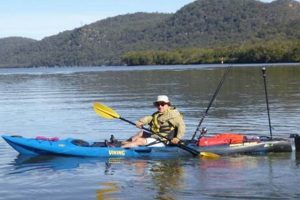
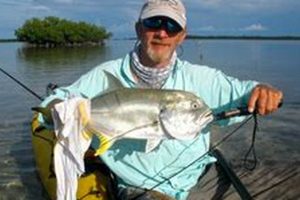
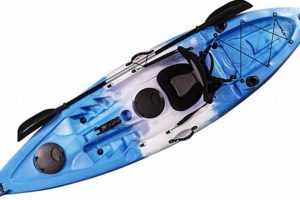
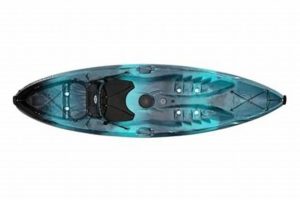
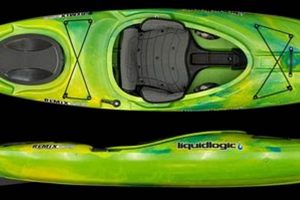
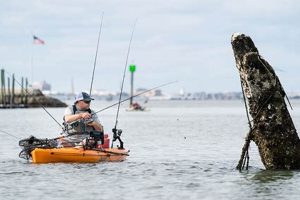
This tandem sit-on-top fishing kayak, manufactured by Lifetime Products, is designed for recreational angling. Typically constructed from high-density polyethylene (HDPE), it offers stability and durability for use in various water conditions. Equipped with features like fishing rod holders, adjustable seating, and storage compartments, this type of vessel caters specifically to anglers’ needs. The two-person design allows for shared paddling and a companionable fishing experience.
Tandem fishing kayaks offer several advantages. Shared paddling reduces individual exertion, enabling longer trips and exploration of broader areas. The increased stability compared to single kayaks provides a secure platform for casting and reeling. Furthermore, the shared experience enhances the social aspect of fishing. The development of durable and affordable materials like HDPE has contributed to the increasing popularity of recreational kayaking and broadened access to watersports.
Further exploration will cover key aspects of these kayaks, including construction, features, performance, and maintenance. Additionally, topics such as safety guidelines, essential accessories, and popular fishing techniques will be addressed.
Tips for Tandem Kayak Fishing
Effective tandem kayak fishing requires planning and coordination. These tips offer guidance for a safe and successful experience.
Tip 1: Distribute Weight Evenly: Balanced weight distribution is crucial for stability and efficient tracking. Gear should be divided evenly between paddlers and positioned within the kayak to maintain a low center of gravity.
Tip 2: Synchronize Paddling: Consistent, synchronized paddling maximizes speed and minimizes wasted energy. Communicate clearly and establish a paddling rhythm before setting out.
Tip 3: Designate Roles: Assigning roles, such as navigation and fishing, streamlines the experience. One paddler can focus on maneuvering while the other manages fishing gear and techniques.
Tip 4: Practice Casting and Reeling Techniques: Confined spaces require adapted casting techniques. Practice casting and reeling in a controlled environment before venturing onto the water to avoid entanglement and maintain safety.
Tip 5: Prioritize Safety Equipment: Personal flotation devices (PFDs) are essential for both paddlers. Carry a whistle, signaling device, and first-aid kit. Check weather conditions before embarking and be prepared for changes.
Tip 6: Respect Wildlife and the Environment: Maintain a safe distance from wildlife and avoid disturbing natural habitats. Adhere to “Leave No Trace” principles and pack out all trash.
Tip 7: Plan for Emergencies: Discuss emergency procedures before departure. Establish communication protocols and identify potential hazards in the chosen fishing area. Knowledge of basic kayak self-rescue techniques is recommended.
Adhering to these guidelines will enhance safety, improve fishing success, and contribute to a more enjoyable tandem kayaking experience.
By considering these tips, individuals can prepare for a rewarding and responsible tandem kayak fishing adventure.
1. Tandem Configuration

The tandem configuration is a defining characteristic of the Lifetime Sport Fisher 2 Person Kayak, directly influencing its functionality and suitability for specific activities. This design, accommodating two paddlers, fosters a shared experience, distributes paddling effort, and enhances stability. The increased stability derived from the broader hull and combined weight of two individuals creates a secure platform ideal for fishing activities, allowing for casting and reeling with reduced risk of capsizing. Shared paddling effort reduces fatigue, enabling longer excursions and exploration of more distant fishing spots. This configuration, however, requires coordination and communication between paddlers for efficient maneuvering and a harmonious experience. Consider a fishing trip in a windy bay: the tandem kayak’s stability provides a secure platform for casting, while shared paddling makes navigating against the wind less strenuous.
The tandem configuration necessitates considerations regarding weight distribution and coordinated paddling. Uneven weight distribution can negatively impact tracking and maneuverability, highlighting the importance of proper gear placement and balanced seating positions. Effective communication between paddlers is crucial for synchronized paddling, efficient turning, and overall maneuverability. Disagreements about direction or paddling rhythm can lead to frustration and inefficient movement. Consider navigating a narrow channel: coordinated paddling is essential for precise maneuvering and avoiding obstacles. Furthermore, the increased length and weight of a tandem kayak compared to a single kayak require greater effort when launching, landing, and transporting.
In summary, the tandem configuration inherent in the Lifetime Sport Fisher 2 Person Kayak presents both advantages and challenges. The shared paddling, increased stability, and social aspect contribute significantly to its suitability for recreational fishing. However, the need for coordinated paddling, balanced weight distribution, and the logistical considerations associated with larger watercraft require careful planning and execution. Understanding these factors is essential for maximizing the benefits and mitigating potential drawbacks of this configuration, contributing to a safe and enjoyable kayaking experience.
2. Sport Fishing Focus

The “sport fishing focus” distinguishes the Lifetime Sport Fisher 2 Person Kayak from recreational paddling kayaks. This specialization is evident in design choices prioritizing angler needs and enhancing the fishing experience. The following facets illustrate this focus:
- Integrated Rod Holders:
Flush-mounted and adjustable rod holders provide secure storage and convenient access to fishing rods while paddling or actively fishing. Multiple rod holders accommodate different fishing styles and allow for diverse angling approaches. For example, trolling with one rod while another is rigged for casting. This feature directly contributes to the kayak’s utility as a dedicated fishing platform.
- Storage Compartments:
Dedicated storage compartments offer secure and organized spaces for tackle boxes, fishing gear, and other essentials. Dry storage protects sensitive equipment from water damage. Ample storage capacity allows anglers to carry a variety of lures, lines, and tools, maximizing preparedness for diverse fishing scenarios. For instance, dedicated compartments can hold extra fishing line, hooks, and lures, enabling anglers to adapt to changing fish behavior or water conditions.
- Stability and Maneuverability:
The kayak’s design balances stability, crucial for casting and reeling, with maneuverability for navigating to fishing spots. The hull design provides stability for standing while casting in calm water. This thoughtful design enhances the fishing experience by enabling anglers to reach desired locations and maintain a stable platform during fishing activities. For example, a stable platform is crucial for sight fishing in shallow water, while maneuverability allows access to tighter fishing areas within vegetation or along shorelines.
- Other Fishing-Specific Features:
Additional features like paddle parks and accessory mounting points further demonstrate the kayak’s focus on fishing. Paddle parks secure paddles during fishing, preventing loss and freeing hands for angling. Accessory mounts allow for customization with fish finders, GPS units, or other specialized equipment. For instance, mounting a fish finder provides crucial information on water depth and fish location. These additions enhance the angler’s ability to locate and catch fish effectively.
These integrated features, tailored to the needs of anglers, underscore the Lifetime Sport Fisher 2 Person Kayak’s dedicated “sport fishing focus.” The thoughtful design choices optimize both fishing functionality and on-the-water experience, positioning this kayak as a practical and efficient platform for angling enthusiasts. Compared to a standard recreational kayak, the Sport Fisher provides a tailored experience specifically aimed at maximizing fishing success and enjoyment. This specialized design contributes to a more productive and satisfying fishing experience overall.
3. Lifetime Brand

Understanding the “Lifetime brand” is crucial for contextualizing the Lifetime Sport Fisher 2 Person Kayak within the broader market of recreational products. Lifetime Products, a privately held company, has established a significant presence in the manufacture of outdoor recreational equipment, including kayaks, sheds, basketball hoops, and folding tables. This brand association influences consumer perceptions of quality, durability, and value, impacting purchasing decisions and overall satisfaction with the kayak.
- Reputation for Durability:
Lifetime has cultivated a reputation for manufacturing durable products built to withstand outdoor conditions. This emphasis on durability influences material selection and construction techniques. High-density polyethylene (HDPE) is frequently utilized in their kayaks due to its impact resistance and UV protection. This focus on durability resonates with consumers seeking long-lasting recreational equipment, aligning with the anticipated usage of a kayak in potentially harsh environments. For example, the expectation of durability influences purchasing decisions, especially for individuals intending to use the kayak frequently or in challenging conditions such as rocky rivers or saltwater environments.
- Focus on Affordability:
Lifetime products often occupy a competitive price point within their respective markets. This affordability factor expands market access, making recreational equipment accessible to a broader consumer base. While maintaining cost-effectiveness, the brand strives to balance price with essential features and functionality. This balance appeals to budget-conscious consumers seeking recreational equipment without compromising essential functionality. For instance, families seeking an entry-level kayak for occasional recreational use might prioritize affordability without sacrificing core features like stability and capacity.
- Wide Distribution Network:
Lifetime products benefit from a widespread distribution network, encompassing major retailers both online and in physical stores. This extensive availability simplifies product acquisition, contributing to consumer convenience and brand visibility. Consumers can readily find and purchase Lifetime products, reinforcing brand recognition and facilitating access to warranty support and replacement parts. For example, the widespread availability reduces the research and logistical effort required for purchase, potentially influencing impulsive purchases or last-minute acquisitions before a planned trip.
- Emphasis on Family-Oriented Recreation:
Lifetime’s product line often caters to family-oriented recreational activities, promoting shared experiences and outdoor engagement. This focus aligns with the tandem nature of the Sport Fisher kayak, emphasizing the social aspect of kayaking and fishing. Products are designed to facilitate family participation and foster positive outdoor experiences. This resonates with families seeking recreational activities that encourage togetherness and create lasting memories. For example, a family purchasing the Sport Fisher kayak might envision using it for shared fishing trips, fostering bonding experiences and creating opportunities for skill development.
These facets of the “Lifetime brand” durability, affordability, accessibility, and family orientation directly influence the perception and value proposition of the Lifetime Sport Fisher 2 Person Kayak. Consumers associate these brand attributes with the kayak itself, shaping expectations regarding its performance, longevity, and overall suitability for recreational fishing. This understanding provides valuable context when evaluating the kayak within the competitive landscape and considering its alignment with individual needs and priorities. Ultimately, the brand association contributes significantly to the kayak’s perceived value and influences the consumer experience from purchase to on-the-water usage.
4. Durable HDPE Construction

High-density polyethylene (HDPE) construction is fundamental to the Lifetime Sport Fisher 2 Person Kayak’s performance and longevity. HDPE’s inherent properties directly influence the kayak’s ability to withstand various environmental factors and usage demands, contributing significantly to its overall value proposition. Understanding the implications of HDPE construction is crucial for informed product evaluation and appropriate usage practices.
- Impact Resistance:
HDPE exhibits excellent impact resistance, protecting the kayak from damage caused by collisions with rocks, submerged debris, or accidental impacts during transport and storage. This resilience minimizes the risk of cracks or punctures, preserving the kayak’s structural integrity and extending its lifespan. Consider navigating a rocky riverbed: HDPE’s impact resistance safeguards the hull from damage, ensuring continued functionality and safety.
- UV Resistance:
HDPE’s inherent UV resistance protects the kayak from degradation caused by prolonged sun exposure. This resistance prevents fading, cracking, and weakening of the plastic, preserving the kayak’s structural integrity and aesthetic appeal over time. This characteristic is particularly important for kayaks frequently used in sunny environments, maintaining the kayak’s condition and extending its usable life. Visualize a kayak stored outdoors year-round: UV resistance prevents sun damage, preserving its color and material strength.
- Recyclability:
HDPE’s recyclability aligns with environmentally conscious manufacturing practices. At the end of its lifespan, the kayak can be recycled, reducing landfill waste and contributing to resource conservation. This aspect appeals to consumers prioritizing environmentally responsible product choices. Consider the long-term environmental impact: HDPE’s recyclability offers a sustainable disposal solution, minimizing the kayak’s environmental footprint.
- Cost-Effectiveness:
HDPE offers a balance of durability and cost-effectiveness compared to other kayak construction materials like fiberglass or composites. This allows manufacturers to produce durable kayaks at a competitive price point, increasing accessibility for a wider range of consumers. This affordability contributes to the kayak’s overall value proposition, making it an attractive option for budget-conscious buyers. Imagine equipping a family with kayaks: HDPE’s cost-effectiveness enables multiple purchases without excessive financial strain.
These facets of HDPE construction directly contribute to the Lifetime Sport Fisher 2 Person Kayak’s durability, longevity, and overall suitability for recreational fishing. The material’s inherent properties enable the kayak to withstand the rigors of outdoor use, ensuring reliable performance and extended lifespan. By understanding the benefits of HDPE construction, consumers can make informed decisions regarding kayak selection and appreciate the role material science plays in enhancing the recreational experience. This durable construction, combined with the kayak’s fishing-specific features, contributes significantly to its value and appeal within the recreational kayaking market.
5. Sit-on-Top Design

The sit-on-top design of the Lifetime Sport Fisher 2 Person Kayak significantly influences its functionality and suitability for recreational fishing. This design choice directly impacts stability, ease of entry and exit, and overall user experience, particularly in warmer climates and calmer waters. Unlike traditional sit-inside kayaks, the open deck allows for greater freedom of movement and eliminates the feeling of confinement, which can be particularly appealing to anglers who prefer to stand while casting or need to reposition quickly. This open design also simplifies re-entry after a swim, a significant advantage for less experienced kayakers or those fishing in warm water conditions. Imagine an angler hooking a large fish; the sit-on-top design provides the stability and freedom of movement necessary to fight and land the catch effectively. Furthermore, the self-bailing scupper holes inherent in sit-on-top kayaks prevent water accumulation on the deck, enhancing stability and reducing the risk of capsizing in choppy conditions or after a wave washes over the deck.
The sit-on-top design presents distinct advantages for fishing activities. The unobstructed deck space facilitates easier casting and reeling, allowing anglers to maneuver rods and lines without interference from a cockpit rim. This open design also simplifies access to gear stored on the deck, such as tackle boxes and landing nets. Consider a scenario where an angler needs to quickly switch lures; the sit-on-top design allows for immediate access to tackle without the need to reach into a confined cockpit. Moreover, the enhanced stability provided by the wider hull and higher center of gravity inherent in many sit-on-top designs creates a secure platform for casting and reeling, even in moderately choppy conditions. This stability is particularly beneficial when landing larger fish, reducing the risk of capsizing due to sudden movements. Additionally, the ease of entry and exit offered by the sit-on-top design is advantageous for anglers who may need to quickly enter or exit the kayak for various reasons, such as landing a fish on shore or adjusting fishing lines in shallow water.
In summary, the sit-on-top design of the Lifetime Sport Fisher 2 Person Kayak contributes significantly to its suitability for recreational fishing. This design choice enhances stability, simplifies entry and exit, and provides greater freedom of movement, all of which benefit anglers. While sit-inside kayaks offer advantages in colder conditions or rougher waters, the sit-on-top design offers clear benefits for the targeted use case of this specific kayak recreational fishing in calmer, warmer environments. Understanding these design implications empowers consumers to select the most appropriate kayak type for their intended activities and environmental conditions, maximizing both safety and enjoyment on the water.
6. Stability and Maneuverability
Stability and maneuverability are critical, interconnected performance characteristics of the Lifetime Sport Fisher 2 Person Kayak, directly influencing its suitability for recreational fishing. The kayak’s design must balance these often-competing attributes to achieve optimal performance in its intended environment. Enhanced stability provides a secure platform for casting, reeling, and landing fish, reducing the risk of capsizing. Consider a scenario involving hooking a large fish: a stable platform is crucial for maintaining control during the fight and minimizing the risk of an overturned kayak. However, excessive stability can compromise maneuverability, making it difficult to navigate tight spaces, shallow water, or changing currents. Imagine attempting to navigate a winding creek: a kayak prioritizing stability over maneuverability might struggle to make sharp turns or negotiate obstacles effectively.
The Lifetime Sport Fisher’s hull design, length, and width contribute significantly to its stability and maneuverability profile. A wider hull generally enhances stability, while a longer, narrower hull promotes tracking and speed. The sit-on-top design, characteristic of this kayak model, inherently contributes to stability due to its higher center of gravity. However, this design can also increase windage, affecting maneuverability in windy conditions. Consider paddling against a strong headwind: the increased windage might require greater effort to maintain a straight course. The kayak’s weight capacity also influences performance; exceeding the recommended weight limit can compromise both stability and maneuverability. For example, overloading the kayak with gear and passengers can decrease freeboard, increasing susceptibility to swamping and reducing responsiveness to paddle strokes.
Achieving optimal performance requires understanding the interplay between stability and maneuverability. While the Lifetime Sport Fisher prioritizes stability for fishing activities, it maintains sufficient maneuverability for navigating typical fishing environments. Practical application necessitates considering environmental factors such as wind, current, and water conditions. Paddlers must adapt their techniques and weight distribution within the kayak to maintain balance and control. Challenges arise when navigating challenging conditions, requiring careful paddle strokes and potentially compromising fishing activities due to the need for increased focus on maneuvering. Ultimately, understanding this interplay is essential for maximizing the kayak’s performance and ensuring a safe and productive fishing experience.
7. Integrated Features (Rod Holders, Storage)

Integrated features, specifically rod holders and storage compartments, are essential components differentiating the Lifetime Sport Fisher 2 Person Kayak from standard recreational kayaks. These purpose-built features enhance fishing functionality and overall user experience, directly contributing to the kayak’s suitability for angling activities. Analysis of these integrated features provides crucial insights into the kayak’s design philosophy and its targeted user base.
- Rod Holders
Multiple rod holders, strategically positioned on the kayak, allow anglers to keep rods readily accessible while paddling or actively fishing. These holders secure rods, preventing loss or damage, and free hands for paddling, navigating, and other tasks. Different rod holder types, such as flush-mounted or adjustable holders, accommodate various fishing styles and rod lengths. Imagine trolling with one rod while another is rigged for casting; integrated rod holders facilitate this multi-faceted approach to fishing.
- Storage Compartments
Dedicated storage compartments, including dry storage options, provide secure and organized spaces for essential fishing gear. Tackle boxes, lures, lines, and other equipment can be safely stowed, protected from water damage and readily accessible when needed. Ample storage capacity reduces clutter on the deck, maximizing fishing space and enhancing safety. Consider a scenario requiring a quick lure change: easily accessible storage compartments streamline this process, maximizing fishing time and minimizing disruption.
- Paddle Parks
Integrated paddle parks offer dedicated storage for paddles when not in use, preventing loss and ensuring paddles remain within easy reach when needed. Securely stowing paddles frees hands for fishing activities, enhancing safety and convenience. Imagine landing a fish; having paddles secured prevents them from drifting away during this critical moment.
- Accessory Mounting Points
Accessory mounting points provide versatility, allowing anglers to customize their kayaks with additional equipment like fish finders, GPS units, or camera mounts. These mounting points facilitate integration of specialized gear, enhancing fishing capabilities and overall experience. Consider using a fish finder to locate fish or a GPS to mark productive fishing spots; accessory mounting points enable these enhancements.
These integrated features collectively enhance the Lifetime Sport Fisher 2 Person Kayak’s utility as a dedicated fishing platform. The thoughtful design caters specifically to the needs of anglers, optimizing functionality and convenience on the water. By incorporating these specialized features, the kayak distinguishes itself from standard recreational models, appealing directly to the target market of fishing enthusiasts. This targeted design approach reinforces the kayak’s value proposition and contributes to its popularity among recreational anglers.
Frequently Asked Questions
This section addresses common inquiries regarding the Lifetime Sport Fisher 2 Person Kayak, providing concise and informative responses to facilitate informed decision-making and optimal product utilization.
Question 1: What is the maximum weight capacity of this kayak?
The maximum weight capacity is typically 500 lbs. Exceeding this limit can compromise stability and performance.
Question 2: What materials are used in its construction?
The kayak is constructed from high-density polyethylene (HDPE), known for its durability, impact resistance, and UV protection.
Question 3: Is it suitable for ocean use?
While designed for recreational use in calm to moderate conditions, it can be used in coastal waters, provided conditions remain suitable. Ocean use requires careful attention to weather forecasts and water conditions.
Question 4: How does one transport this kayak?
Transportation requires a roof rack or trailer suitable for carrying the kayak’s length and weight. Secure tie-down straps are essential. Consulting the owner’s manual for recommended transport procedures is advisable.
Question 5: What maintenance is required?
Rinsing the kayak with fresh water after each use and storing it out of direct sunlight prolongs its lifespan. Periodic inspection for damage and necessary repairs are recommended.
Question 6: What safety precautions should be observed?
Wearing personal flotation devices (PFDs) is paramount. Checking weather forecasts, carrying a whistle or signaling device, and informing someone of paddling plans are crucial safety measures.
Understanding these aspects contributes to informed product selection and safe, enjoyable use. Careful consideration of these points empowers individuals to maximize the benefits of the Lifetime Sport Fisher 2 Person Kayak while prioritizing safety and responsible watercraft operation.
Further sections will explore specific techniques for paddling, fishing, and maintaining this kayak model.
Conclusion
This exploration has provided a comprehensive overview of the Lifetime Sport Fisher 2 Person Kayak, encompassing its key features, design considerations, and suitability for recreational angling. Durable HDPE construction, coupled with a stable sit-on-top design and integrated fishing features like rod holders and storage compartments, positions this kayak as a practical choice for anglers seeking a tandem fishing platform. The analysis of stability and maneuverability, along with considerations of the Lifetime brand reputation and the implications of the tandem configuration, provides potential users with a thorough understanding of this kayak’s capabilities and limitations.
Informed decision-making regarding kayak selection necessitates careful consideration of individual needs, intended usage, and environmental conditions. Responsible and enjoyable kayaking experiences are predicated on a thorough understanding of equipment capabilities, adherence to safety guidelines, and respect for the natural environment. Continued exploration of kayak fishing techniques and responsible paddling practices will further enhance enjoyment and promote safe, sustainable interaction with aquatic ecosystems.