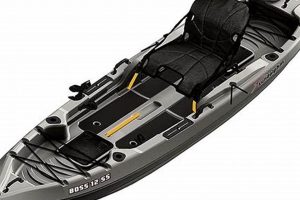
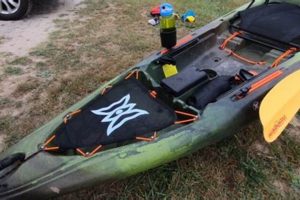
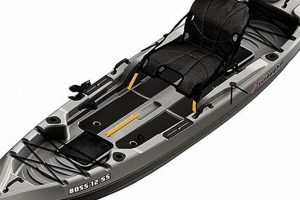
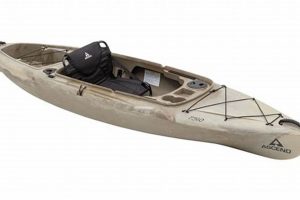
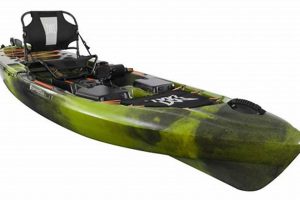
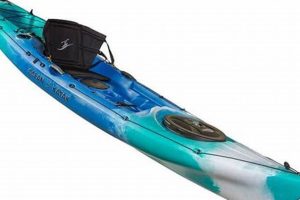
This style of watercraft, manufactured by a well-known brand, features an open-deck design allowing the angler to sit above the waterline. This design enhances stability and maneuverability, making it ideal for various fishing environments, from calm lakes to choppy ocean waters. A typical example includes features like rod holders, storage compartments, and often a comfortable, elevated seat.
The elevated seating position offers improved visibility for spotting fish and casting, while the self-bailing design ensures the deck stays dry even in rough conditions. Historically, this type of kayak has revolutionized recreational fishing, providing greater accessibility and a more dynamic angling experience. Its stability and ease of use make it suitable for anglers of all skill levels, contributing to its widespread popularity. Furthermore, the open design allows for easy entry and exit, a significant advantage for anglers with mobility limitations.
The following sections will explore specific aspects of this style of kayak in greater detail, covering topics such as hull design, material construction, feature variations, and suitability for different fishing styles and environments. This information aims to provide a comprehensive understanding of its advantages and help potential users make informed purchasing decisions.
Tips for Kayak Fishing
Proper preparation and technique enhance safety and fishing success. These tips offer guidance for anglers of all skill levels.
Tip 1: Dress for immersion. While these kayaks are designed for stability, unforeseen circumstances can lead to entering the water. Appropriate attire, including a personal flotation device, is crucial.
Tip 2: Plan fishing locations strategically. Research potential fishing spots beforehand, considering factors like water depth, currents, and accessibility.
Tip 3: Secure gear effectively. Utilize onboard storage and secure loose items to prevent loss or interference during paddling and casting.
Tip 4: Practice paddling and maneuvering. Familiarize oneself with the kayak’s handling characteristics before venturing into open water, particularly in challenging conditions.
Tip 5: Employ appropriate anchoring techniques. Learn how to anchor effectively in various water conditions to maintain position while fishing.
Tip 6: Respect wildlife and the environment. Practice catch-and-release whenever possible and adhere to local fishing regulations.
Tip 7: Prioritize safety. Check weather forecasts before embarking, inform someone of planned fishing locations, and carry essential safety equipment.
By following these guidelines, anglers can improve their chances of a successful and enjoyable fishing experience while prioritizing safety and environmental responsibility.
These tips offer valuable insights for enhancing one’s fishing experience. The concluding section provides further resources and recommendations for continued learning.
1. Stability

Stability represents a critical performance attribute in sit-on-top kayaks, particularly for fishing applications. Old Town kayaks designed for fishing prioritize stability through several design elements. A wider hull, strategically placed weight distribution, and a lower center of gravity contribute to enhanced stability. This inherent stability allows anglers to cast lines, reel in fish, and even stand occasionally without compromising balance. Consider a scenario where an angler hooks a large fish. The inherent stability of an Old Town sit-on-top kayak provides a secure platform to manage the fight without risk of capsizing. This stability translates directly to a safer and more successful fishing experience. Moreover, stability contributes significantly to angler confidence, especially in challenging conditions such as windy days or choppy waters. A stable platform fosters a more relaxed and enjoyable experience, enabling anglers to focus on fishing rather than precarious balance.
The specific design choices employed by Old Town, such as hull shaping and material selection, further enhance stability. For example, the use of rotomolded polyethylene in many of their models yields a rigid and predictable hull form that resists flexing and maintains its shape even under stress. This rigidity translates directly to improved stability, minimizing the likelihood of tipping or rocking. Furthermore, certain Old Town models incorporate specialized design features like pontoon-style hulls or outriggers, which further amplify stability, especially in rougher waters or when carrying heavier loads. These specialized features cater to anglers who require maximum stability for specific fishing styles or physical limitations.
In conclusion, stability serves as a cornerstone of the Old Town sit-on-top fishing kayak design philosophy. The deliberate combination of design elements, material selection, and specialized features creates a platform that prioritizes angler safety and enhances the overall fishing experience. This focus on stability allows anglers to focus on the task at hand catching fish without constant concern for balance or safety. Ultimately, this emphasis on stability contributes significantly to the popularity and effectiveness of Old Town sit-on-top kayaks within the fishing community.
2. Fishing Features

Dedicated fishing features distinguish these kayaks from recreational models, optimizing them for angling pursuits. These features reflect a deep understanding of angler needs and contribute significantly to on-the-water effectiveness. Flush-mounted rod holders, strategically positioned throughout the deck, provide secure rod storage and quick access during crucial moments. Integrated tackle storage compartments offer organized storage for lures, lines, and other essential gear, minimizing clutter and maximizing efficiency. For example, the placement of rod holders within easy reach allows anglers to quickly switch rods without shifting position or disrupting their fishing rhythm. Similarly, dedicated tackle storage eliminates the need to rummage through bags, saving valuable time and preventing tangles.
Further enhancements, such as paddle parks or clips, secure the paddle while fishing, preventing unwanted movement and potential loss. These seemingly small details significantly enhance the overall fishing experience. Consider the scenario of an angler battling a strong fish. Having a secure paddle park allows them to focus entirely on the fight, without the distraction or danger of a loose paddle. Additionally, features like anchor trolleys facilitate controlled drift fishing, maximizing coverage of target areas. These specialized features, while often overlooked, contribute significantly to angling success and underscore the thoughtful design inherent in these kayaks.
In summary, dedicated fishing features represent a defining characteristic of these kayaks, setting them apart from general-purpose recreational models. These features are not mere add-ons but integral components that enhance functionality, efficiency, and overall fishing performance. The strategic placement and design of these features reflect a deep understanding of angler needs, contributing to a more streamlined and successful fishing experience. This focus on specialized fishing features reinforces the distinction of these kayaks as purpose-built tools designed for serious anglers seeking to maximize their time on the water.
3. Open Deck Design

The open deck design is a defining characteristic of sit-on-top kayaks, particularly relevant to Old Town’s fishing models. This design choice directly influences several key aspects of performance, usability, and overall fishing experience. The following facets explore the implications of this design in greater detail.
- Self-Bailing
A key advantage of the open deck is its self-bailing capability. Scupper holes strategically placed throughout the deck allow water to drain continuously, preventing accumulation and maintaining buoyancy. This feature is particularly beneficial in rough conditions or when navigating through waves. For example, if a wave washes over the deck, the water quickly drains away, preventing the kayak from becoming swamped and maintaining stability. This inherent self-bailing capability enhances safety and provides peace of mind in dynamic water conditions.
- Ease of Entry and Exit
The open deck simplifies entry and exit, eliminating the need to squeeze into a confined cockpit. This design proves particularly advantageous for anglers with mobility limitations or those who prefer a more accessible platform. Consider an angler needing to quickly re-enter the kayak after a swim or a wading angler transitioning from shore to water. The open design facilitates seamless transitions, minimizing effort and enhancing overall convenience.
- Enhanced Stability
The open deck design, combined with a wider hull and lower center of gravity typical in Old Town fishing kayaks, contributes to inherent stability. This design promotes a secure platform for casting, reeling, and even standing, crucial for effective angling. For instance, an angler fighting a large fish benefits from the stability offered by the open deck design, allowing them to maintain balance and control throughout the process. This inherent stability is particularly crucial in challenging conditions like windy days or choppy waters.
- Versatility and Adaptability
The open deck provides a versatile platform for various fishing styles and activities beyond angling. The spacious deck accommodates additional gear, such as coolers or dry bags, expanding the possibilities for longer excursions or specialized fishing techniques. For example, an angler specializing in fly fishing appreciates the open deck’s spaciousness, allowing for easy casting and line management. This adaptability makes sit-on-top kayaks suitable for diverse fishing environments and preferences.
In conclusion, the open deck design in Old Town sit-on-top fishing kayaks is not merely a stylistic choice but a fundamental design element that directly influences performance and usability. Its contributions to self-bailing, ease of access, stability, and versatility collectively create a superior platform for angling. These combined advantages solidify the open deck design as a core element of what makes these kayaks so effective and popular among fishing enthusiasts.
4. Durable Construction
Durability represents a critical factor in kayak selection, particularly for fishing kayaks subjected to demanding conditions. Old Town sit-on-top fishing kayaks are known for their robust construction, contributing to their longevity and resilience in diverse environments. This examination explores the key elements contributing to the durability of these kayaks.
- Material Selection
Old Town frequently employs rotomolded polyethylene in their kayak construction. This single-piece construction method creates a seamless, extremely durable hull resistant to impacts, abrasion, and UV degradation. Rotomolded polyethylene’s inherent flexibility allows it to absorb impacts that might crack or damage other materials, contributing to a longer lifespan. This material choice reflects a prioritization of durability and long-term performance.
- Construction Process
The rotomolding process itself contributes to the kayaks’ structural integrity. The even distribution of material during molding eliminates weak points susceptible to stress cracking or failure. This uniform strength ensures the kayak can withstand repeated flexing and impacts encountered during regular use, from navigating rocky shorelines to encountering submerged obstacles.
- Hardware and Fittings
Durable construction extends beyond the hull material. Old Town typically utilizes marine-grade stainless steel or other corrosion-resistant hardware for fittings, ensuring longevity and resistance to the harsh marine environment. High-quality hardware maintains the kayak’s structural integrity and prevents premature failure due to rust or corrosion, crucial for long-term reliability in saltwater environments.
- UV Resistance
Exposure to sunlight can degrade many plastics, leading to weakening and discoloration. Old Town kayaks incorporate UV inhibitors in their polyethylene formulation, mitigating the damaging effects of prolonged sun exposure. This protection ensures the kayak retains its structural integrity and aesthetic appeal over time, minimizing the long-term impact of environmental factors.
The durable construction of Old Town sit-on-top fishing kayaks represents a significant investment in long-term performance and reliability. The combination of robust material selection, meticulous construction processes, and high-quality hardware ensures these kayaks can withstand the rigors of regular use in diverse environments. This focus on durability translates to a longer lifespan, minimizing the need for frequent repairs or replacements and ultimately enhancing the value proposition for the angler. This robust construction enables anglers to focus on their fishing experience without concern for the kayak’s ability to withstand the challenges presented by the environment.
5. Maneuverability

Maneuverability represents a critical performance attribute in fishing kayaks, directly influencing an angler’s ability to navigate diverse water conditions and access prime fishing locations. In the context of Old Town sit-on-top fishing kayaks, maneuverability is a carefully considered design element that contributes significantly to on-the-water effectiveness. The following facets explore the key components contributing to the maneuverability of these kayaks.
- Hull Design
Hull design plays a pivotal role in determining a kayak’s maneuverability. Old Town fishing kayaks often feature a combination of hull characteristics optimized for both stability and maneuverability. For example, a slightly shorter hull length generally enhances turning responsiveness, while a moderate hull width balances stability with agility. Specific hull designs, such as those incorporating a shallow-V or tri-hull configuration, can further enhance tracking and maneuverability in varying water conditions. These design choices enable anglers to navigate tight corners, swiftly change direction, and efficiently position themselves in optimal fishing locations, such as alongside weed beds or near submerged structures.
- Length and Width
The kayak’s length and width directly impact its maneuverability. Shorter kayaks generally offer greater agility and turning responsiveness, making them well-suited for navigating smaller streams or maneuvering in tight spaces. Conversely, longer kayaks provide better tracking and speed in open water. Old Town offers a range of kayak lengths and widths to cater to different fishing styles and environments, ensuring anglers can select a model optimized for their specific needs. A shorter, wider kayak excels in confined areas, while a longer, narrower design performs better in open water or when covering longer distances.
- Rudder or Skeg
Some Old Town fishing kayak models incorporate a rudder or skeg, further enhancing directional control and maneuverability. A rudder allows for precise steering adjustments, particularly helpful in windy conditions or strong currents. A skeg, on the other hand, primarily improves tracking and reduces yaw, particularly beneficial in open water paddling. These features provide anglers with greater control over the kayak’s movement, enabling them to maintain desired headings and navigate challenging conditions with increased precision and efficiency.
- Weight Capacity and Distribution
Weight capacity and its distribution influence maneuverability. A kayak loaded near its maximum capacity may exhibit reduced responsiveness and maneuverability. Proper weight distribution, with heavier items positioned lower and centrally, optimizes performance. Understanding the kayak’s weight capacity and distributing gear effectively maintains optimal maneuverability, even when carrying a full load of fishing equipment and supplies. This is crucial for maintaining responsiveness and control, particularly in dynamic water conditions.
The maneuverability of Old Town sit-on-top fishing kayaks reflects a deliberate balance between stability and agility. The interplay of hull design, dimensions, steering systems, and weight management collectively contribute to a responsive and controllable on-the-water experience. This emphasis on maneuverability allows anglers to navigate diverse environments, access desirable fishing locations, and effectively position themselves for optimal fishing success. This targeted design approach distinguishes these kayaks as specialized tools tailored for the demands of angling, enhancing both efficiency and enjoyment on the water.
6. Comfort
Comfort plays a crucial role in the overall fishing experience, particularly during extended outings on the water. Old Town sit-on-top fishing kayaks address comfort through several key design elements. Ergonomically designed seating systems provide crucial support and cushioning, reducing fatigue and enhancing endurance. Adjustable features, such as seatbacks, foot braces, and thigh supports, allow anglers to customize their seating position for optimal comfort and stability. Consider an angler spending hours on the water. A comfortable seating system minimizes discomfort, allowing for sustained focus on fishing and maximizing enjoyment. Proper posture, facilitated by adjustable features, further reduces strain and prevents long-term physical discomfort.
Beyond seating, other comfort-focused design elements contribute to a positive experience. Ample deck space allows for freedom of movement and stretching, particularly important during long fishing sessions. Recessed areas for feet or legs provide comfortable resting positions and enhance stability. Integrated cup holders and accessory mounting points further enhance convenience and practicality. For example, adequate deck space allows anglers to shift position, stretch their legs, and maintain comfortable posture, reducing fatigue and enhancing overall endurance. Easy access to beverages and essential gear further minimizes disruption and enhances on-the-water comfort.
The prioritization of comfort in Old Town sit-on-top fishing kayaks contributes significantly to angler satisfaction and performance. By minimizing discomfort and fatigue, these design elements allow anglers to focus on the task at handfishingwithout distraction. This enhanced comfort translates directly to increased endurance, enabling longer fishing trips and maximizing opportunities for success. The thoughtful integration of comfort-focused features distinguishes these kayaks as purpose-built tools designed for serious anglers who demand both performance and comfort. This understanding of the importance of comfort reinforces the brand’s commitment to enhancing the overall fishing experience.
7. Brand Reputation
Brand reputation significantly influences consumer perception and purchasing decisions, particularly in specialized markets like fishing kayaks. Old Town benefits from a long-standing reputation for quality, innovation, and performance, impacting how anglers perceive and value their sit-on-top fishing kayaks. This reputation is not merely a marketing construct but a reflection of the brand’s history, design philosophy, and commitment to the angling community. The following facets explore the key components contributing to Old Town’s brand reputation within the fishing kayak market.
- History and Heritage
Old Town’s history, spanning over a century, contributes significantly to its brand reputation. Established in 1898, the company possesses a deep heritage in canoe and kayak manufacturing, establishing a legacy of craftsmanship and expertise. This long-standing presence within the paddling community fosters trust and credibility, influencing consumer perceptions of quality and durability. Anglers often associate Old Town with a tradition of reliable watercraft, a perception rooted in the brand’s historical commitment to quality manufacturing.
- Innovation and Design
Old Town maintains a reputation for innovation in kayak design, consistently introducing new features and technologies that enhance performance and angler experience. This commitment to innovation is evident in features like specialized hull designs, integrated fishing features, and comfortable seating systems. Anglers recognize Old Town’s dedication to pushing the boundaries of kayak design, resulting in products that cater specifically to the evolving needs of the fishing community. This focus on innovation reinforces the brand’s image as a leader in the fishing kayak market.
- Quality and Durability
Old Town kayaks are widely recognized for their durability and robust construction. The use of high-quality materials, such as rotomolded polyethylene, and meticulous manufacturing processes contribute to kayaks that withstand the rigors of regular use in demanding environments. This reputation for durability translates to consumer confidence in the long-term value and reliability of Old Town products. Anglers appreciate the resilience of these kayaks, knowing they can withstand the challenges of diverse fishing environments and provide years of reliable service.
- Community Engagement
Old Town actively engages with the angling community through sponsorships, events, and partnerships with professional anglers. This involvement demonstrates the brand’s commitment to the sport and fosters a sense of connection with its target audience. Anglers perceive Old Town not just as a manufacturer but as an active participant in the fishing community, further solidifying brand loyalty and positive reputation. This engagement reinforces the brand’s authenticity and dedication to serving the needs of anglers.
Old Town’s brand reputation within the fishing kayak market represents a culmination of its history, innovation, quality, and community engagement. These factors collectively contribute to a positive brand image, influencing angler perceptions and purchasing decisions. This established reputation differentiates Old Town within a competitive market, reinforcing its position as a leading provider of high-quality, performance-driven fishing kayaks. Ultimately, this strong brand reputation translates to consumer confidence and trust, solidifying Old Town’s position as a preferred choice for anglers seeking reliable and innovative fishing kayaks.
Frequently Asked Questions
This section addresses common inquiries regarding these specialized kayaks, providing concise and informative responses to facilitate informed decision-making.
Question 1: What are the primary advantages of a sit-on-top design for fishing?
The sit-on-top design offers inherent stability, self-bailing capabilities, and ease of entry and exit, advantageous for anglers in various fishing scenarios. These features contribute to enhanced safety and convenience on the water.
Question 2: How does the stability of these kayaks compare to traditional sit-inside kayaks?
Generally, sit-on-top kayaks offer greater primary stability, meaning they resist initial tipping. This characteristic provides a more secure platform for casting and reeling, particularly beneficial for less experienced anglers or those fishing in rough conditions.
Question 3: What weight capacity should one consider when selecting a fishing kayak?
Weight capacity should accommodate the combined weight of the angler, fishing gear, and any anticipated additional cargo. Exceeding the specified weight capacity can compromise stability and performance. Selecting a kayak with ample weight capacity ensures safe and efficient operation.
Question 4: What maintenance is required for these kayaks?
Routine maintenance includes rinsing with fresh water after each use, particularly after exposure to saltwater, and periodic inspection of hardware and fittings. Proper care ensures the kayak’s longevity and optimal performance over time.
Question 5: Are these kayaks suitable for use in both freshwater and saltwater environments?
Yes, these kayaks are typically constructed from durable, corrosion-resistant materials suitable for both freshwater and saltwater environments. However, rinsing with fresh water after saltwater use is essential to prevent long-term corrosion of hardware and fittings.
Question 6: What are the key factors to consider when choosing a paddle for a sit-on-top fishing kayak?
Paddle selection depends on factors such as angler height, kayak width, and paddling style. A paddle with the appropriate length and blade shape ensures efficient paddling and minimizes fatigue during longer excursions. Consulting with experienced paddlers or retailers can assist in selecting the optimal paddle for individual needs and preferences.
Understanding these key aspects facilitates informed decisions regarding kayak selection and usage. Further research and consultation with experienced anglers or retailers can provide additional insights tailored to specific needs and fishing styles.
The subsequent section explores advanced techniques for maximizing fishing success from a sit-on-top kayak.
Conclusion
Exploration of this specific type of watercraft reveals a confluence of design elements contributing to an enhanced angling experience. Stability, maneuverability, specialized features, and durable construction converge to create a platform optimized for diverse fishing environments and techniques. Furthermore, considerations of comfort and the manufacturer’s established reputation underscore the value proposition inherent in these purpose-built kayaks. Understanding these key attributes empowers informed purchasing decisions and fosters a deeper appreciation for the design considerations behind effective fishing kayak construction.
The evolution of fishing kayak design continues to refine the angling experience, promising further advancements in performance, comfort, and specialized functionality. Careful consideration of individual needs and preferences, coupled with a thorough understanding of available features and design principles, remains essential for selecting the optimal fishing kayak. This pursuit of enhanced on-the-water performance underscores the enduring appeal and continued innovation within the fishing kayak industry.