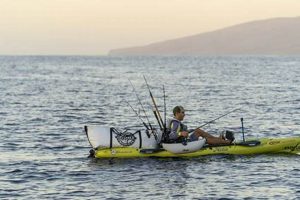
This activity involves angling from a small, human-powered vessel in the waters surrounding Maui. It offers a unique blend of sport and connection with nature, allowing anglers to access shallow waters and secluded coastlines often unreachable by larger boats. Imagine casting a line amidst the vibrant coral reefs, with the majestic West Maui Mountains as a backdrop.
The practice provides a sustainable and environmentally friendly way to experience the rich marine biodiversity of the Pacific. It fosters a deep appreciation for the ocean ecosystem while offering the thrill of challenging catches. Historically, Hawaiians utilized similar methods for sustenance, demonstrating the enduring practicality and cultural significance of this approach to fishing.
The following sections delve into essential aspects of this pursuit, including choosing the right equipment, understanding local regulations, identifying prime fishing locations, and ensuring a safe and enjoyable experience.
Tips for Kayak Fishing in Maui
Successful kayak angling in Maui requires careful planning and preparation. These tips offer valuable insights for a productive and enjoyable experience.
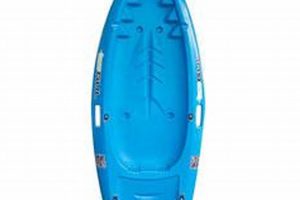
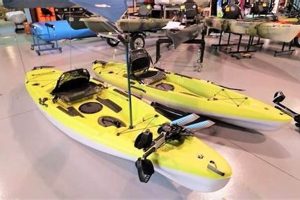
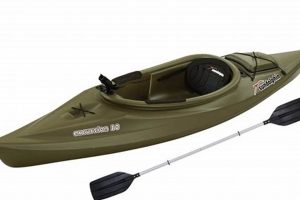
Tip 1: Choose the Right Kayak: Selecting a stable and appropriately sized kayak is paramount. Consider models specifically designed for fishing, equipped with features like rod holders and storage compartments. Longer kayaks offer better tracking and speed, while shorter ones provide enhanced maneuverability in shallower waters.
Tip 2: Understand Local Regulations: Familiarize oneself with current fishing regulations, including licensing requirements, size and catch limits, and permitted fishing areas. This ensures a responsible and legal fishing experience.
Tip 3: Prioritize Safety Equipment: Always wear a personal flotation device (PFD). Carry essential safety gear, including a whistle, signaling mirror, first-aid kit, and communication device. Inform someone of the planned fishing location and estimated return time.
Tip 4: Utilize Appropriate Fishing Gear: Opt for shorter rods and reels suitable for kayak fishing. Consider using lighter tackle and lures appropriate for the target species. Live bait can also be highly effective.
Tip 5: Plan for Weather Conditions: Check the marine forecast before heading out. Avoid venturing out in strong winds, rough seas, or lightning storms. Be prepared for changing conditions.
Tip 6: Respect the Environment: Practice catch-and-release whenever possible. Dispose of fishing line and other waste responsibly. Minimize disturbance to coral reefs and other marine habitats.
Tip 7: Hire a Guide: For those new to kayak fishing or the local waters, consider hiring a local guide. Guides possess invaluable knowledge of the best fishing spots, techniques, and local regulations.
By adhering to these guidelines, anglers can maximize their chances of success while prioritizing safety and environmental responsibility. A well-planned outing ensures a rewarding experience on the water.
The insights provided here equip anglers with the knowledge and strategies needed for a memorable kayak fishing adventure in Maui.
1. Location Scouting

Effective location scouting is paramount for successful kayak fishing around Maui. The island’s diverse coastline offers a range of fishing environments, from calm bays and sheltered coves to more exposed reefs and open ocean areas. Careful consideration of factors such as water depth, currents, prevailing winds, and proximity to structure (like reefs, rocks, or drop-offs) significantly influences fishing outcomes. For example, targeting reef fish like ulua requires scouting locations with healthy coral formations and sufficient depth, while pursuing pelagic species like mahi-mahi necessitates venturing further offshore to deeper waters. Ignoring the importance of pre-fishing reconnaissance can lead to unproductive outings and missed opportunities.
Utilizing resources like nautical charts, online fishing forums, local fishing reports, and even consulting with experienced local anglers can provide valuable insights into productive fishing grounds. Understanding tidal fluctuations and their impact on fish behavior is crucial. Certain species may concentrate in specific areas during incoming or outgoing tides. Observing bird activity can also offer clues, as diving seabirds often indicate the presence of baitfish, which in turn attract larger predatory fish. Practical application of this knowledge allows anglers to select locations with higher probabilities of encountering target species.
In conclusion, thorough location scouting significantly enhances the effectiveness of kayak fishing excursions around Maui. Strategic planning based on environmental factors, species behavior, and available resources maximizes the chances of a successful and rewarding experience. Failing to adequately scout suitable locations can lead to frustration and diminished results, highlighting the critical role of pre-fishing preparation in this pursuit. This understanding empowers anglers to approach their fishing trips with informed decisions, increasing their chances of success while minimizing wasted time and effort.
2. Equipment Selection

Appropriate equipment selection is fundamental to successful and enjoyable kayak fishing in Maui. The unique demands of this activity necessitate careful consideration of various factors, including target species, fishing location, and prevailing conditions. Choosing the right kayak, paddle, fishing rods, reels, lines, lures, and safety gear directly impacts angling effectiveness, comfort, and overall safety. For instance, targeting larger pelagic fish like marlin requires a robust, ocean-going kayak, heavy-duty tackle, and specialized gear like outriggers, whereas pursuing reef fish in calmer waters allows for a smaller, more maneuverable kayak and lighter tackle. Neglecting proper equipment selection can compromise safety, reduce fishing success, and diminish the overall experience.
Kayak choice hinges on factors like stability, storage capacity, and intended fishing environment. Longer kayaks offer superior tracking and speed in open water, while shorter, wider kayaks provide greater stability and maneuverability in shallower, calmer areas. Paddle length and blade shape influence paddling efficiency and fatigue. Rods and reels should match the target species and fishing techniques. Braided fishing line offers increased sensitivity and strength compared to monofilament, facilitating better hooksets and handling of larger fish. Lure selection depends on target species and prevailing conditions; bright, flashy lures attract pelagic fish in clear water, while more subdued colors and natural baits might prove effective in murky or shallow environments. Essential safety equipment includes a personal flotation device (PFD), a whistle, a signaling mirror, a first-aid kit, and a communication device. These items contribute to a safe and prepared outing, crucial in the often unpredictable marine environment.
In summary, meticulous equipment selection significantly influences the outcome of kayak fishing expeditions in Maui. Understanding the interplay between equipment choices, target species, and environmental conditions allows anglers to optimize their chances of success while ensuring safety and comfort. Failing to adequately prepare and equip oneself can lead to suboptimal results, compromised safety, and a less enjoyable experience. The thoughtful selection of appropriate gear, therefore, represents a crucial element of successful kayak fishing in Maui, directly impacting the effectiveness, safety, and overall enjoyment of the pursuit.
3. Safety Procedures

Safety procedures are paramount in Maui kayak fishing, dictating the difference between an enjoyable outing and a potentially hazardous situation. The ocean environment, while beautiful, presents inherent risks that necessitate careful planning and preparation. Understanding and adhering to established safety protocols significantly mitigates these risks, ensuring a secure and rewarding experience.
- Personal Flotation Devices (PFDs)
Wearing a properly fitted PFD is non-negotiable. Even strong swimmers can encounter unforeseen circumstances, such as capsizing in rough seas or unexpected encounters with marine life. A PFD provides essential buoyancy, increasing the chances of survival in such events. Choosing a comfortable, well-maintained PFD specifically designed for kayaking enhances both safety and comfort during extended periods on the water.
- Communication Equipment
Carrying a reliable communication device is crucial for summoning assistance in emergencies. A waterproof VHF radio enables direct contact with the Coast Guard and other vessels, providing a lifeline in distress situations. Mobile phones, while useful, can be unreliable due to limited coverage areas. Signaling devices like whistles and flares serve as additional means of attracting attention. Informing someone onshore of the planned fishing location and estimated return time provides an additional layer of safety, ensuring that help can be summoned if the angler does not return as scheduled.
- Weather Awareness
Checking marine weather forecasts before embarking on a kayak fishing trip is critical. Sudden changes in weather conditions, such as strong winds, high waves, or thunderstorms, can create dangerous situations for kayakers. Understanding potential hazards and avoiding fishing during adverse conditions significantly reduces risks. Having a plan for seeking shelter or returning to shore quickly in case of unexpected weather changes is crucial for maintaining safety.
- Navigation and Awareness
Carrying a nautical chart or GPS device and understanding basic navigation principles helps anglers maintain their bearings and avoid becoming disoriented. Awareness of potential hazards like reefs, rocks, and strong currents enhances safety. Maintaining a safe distance from motorized vessels and understanding navigational rules further reduces the risk of collisions. Staying aware of one’s surroundings, including other water users and potential changes in sea conditions, contributes to a safe and enjoyable experience.
These safety procedures, when combined with a thorough understanding of kayak handling and fishing techniques, create a comprehensive safety framework for Maui kayak fishing. Adhering to these guidelines maximizes enjoyment while minimizing potential risks, ensuring a positive and secure experience in the dynamic ocean environment. Ignoring these precautions can jeopardize angler safety, transforming a recreational activity into a hazardous undertaking. Therefore, prioritizing safety through diligent planning and preparation is paramount for a successful and enjoyable kayak fishing experience in Maui.
4. Target Species

Target species selection significantly influences equipment choices, fishing techniques, and overall success in Maui kayak fishing. Understanding the behavior, habitat preferences, and feeding patterns of desired fish enhances angling effectiveness. Different species present unique challenges and rewards, enriching the overall experience.
- Reef Fish
Species like ulua (giant trevally), papio (young trevally), and oio (bonefish) inhabit shallow reefs and offer exciting challenges for kayak anglers. Targeting these fish often involves sight fishing or using live bait and lures near coral structures. Their powerful runs and acrobatic fights provide thrilling experiences. Understanding their feeding patterns and preferred habitats is essential for successful reef fishing from a kayak.
- Pelagic Fish
Species like mahi-mahi (dorado), ono (wahoo), and aku (skipjack tuna) roam the open ocean and present different challenges. Trolling lures or using live bait while drifting or paddling is effective for attracting these fast-moving predators. Their speed and strength test an angler’s skill and equipment, making them prized catches. Specialized tackle and techniques, including the use of outriggers, may be employed to increase success rates when targeting pelagic species.
- Bottom Fish
Species like snapper and grouper inhabit deeper waters and are often targeted using bottom fishing techniques. Heavy tackle and specialized rigs are employed to reach these depths. While not as visually exciting as pursuing surface-dwelling fish, bottom fishing offers the potential for rewarding catches of delicious table fare. Accurate depth sounders and knowledge of local bottom structures are crucial for success.
- Deep-Sea Fish
Targeting deep-sea species like marlin and ahi (yellowfin tuna) from a kayak requires specialized equipment, experience, and knowledge of offshore waters. This challenging pursuit demands careful planning, robust tackle, and a thorough understanding of fish behavior and migration patterns. While less common than other forms of kayak fishing, deep-sea angling offers the potential for truly exceptional catches. Safety considerations are paramount in this demanding environment.
Strategic species selection enhances the overall kayak fishing experience in Maui. Matching targeted species with appropriate equipment, techniques, and locations maximizes angling success and enjoyment. Understanding the nuances of each target species, from their habitat preferences to their feeding behaviors, allows anglers to tailor their approach, increasing their chances of landing a prized catch. Ultimately, the diverse range of target species in Maui’s waters contributes to the richness and excitement of kayak fishing in this unique environment.
5. Local Regulations
Adherence to local regulations is essential for responsible and sustainable kayak fishing in Maui. These regulations, established by the State of Hawaii’s Department of Land and Natural Resources (DLNR), Division of Aquatic Resources (DAR), aim to protect marine ecosystems, preserve fish populations, and ensure equitable access to resources. Regulations encompass aspects like licensing requirements, size and bag limits for specific species, seasonal closures, and designated marine protected areas. Ignoring these regulations carries potential legal consequences, including fines and confiscation of equipment. More importantly, disregarding these rules undermines conservation efforts and jeopardizes the long-term health of Maui’s marine environment.
Specific examples illustrate the practical significance of understanding local regulations. For instance, fishing for certain species, like ulua, might be restricted to specific seasons or sizes to protect breeding populations. Certain areas, designated as marine protected areas or fish replenishment areas, may prohibit fishing altogether to allow fish populations to recover and thrive. Bag limits dictate the maximum number of a particular species an angler can keep, preventing overfishing. Possessing undersized fish or exceeding bag limits can result in penalties. Familiarizing oneself with current regulations before embarking on a fishing trip is crucial. Resources like the DAR website and local fishing shops provide up-to-date information on current regulations and licensing requirements. This proactive approach ensures compliance and contributes to the preservation of Maui’s marine resources.
In conclusion, understanding and respecting local fishing regulations is integral to responsible kayak fishing in Maui. These regulations play a vital role in maintaining the health and sustainability of the local marine ecosystem. Compliance safeguards fish populations, protects sensitive habitats, and ensures the long-term viability of this valued recreational activity. Ignoring these rules not only risks legal repercussions but also undermines the collective effort to preserve Maui’s unique marine environment for future generations. Diligence in understanding and adhering to these regulations is a hallmark of ethical and responsible angling practices, contributing to the continued enjoyment of this activity for all.
6. Sustainable Practices
Sustainable practices are integral to preserving the delicate balance of Maui’s marine ecosystem and ensuring the long-term viability of kayak fishing. These practices minimize environmental impact and promote responsible use of resources, allowing current and future generations to enjoy the rich biodiversity of these waters. Integrating sustainability into kayak fishing involves conscious decision-making and responsible actions that prioritize the health of the ocean environment.
- Catch-and-Release Fishing
Catch-and-release fishing minimizes the impact on fish populations, especially for species facing conservation concerns. Proper handling techniques, including using barbless hooks and minimizing air exposure, increase the likelihood of successful release and survival. This practice allows anglers to experience the thrill of the catch while preserving fish stocks for the future. In Maui’s waters, practicing catch-and-release for species like ulua (giant trevally) contributes to the long-term health of their populations.
- Responsible Gear and Tackle Choices
Utilizing sustainable fishing gear minimizes harm to marine life and reduces pollution. Choosing biodegradable fishing lines and lead-free weights prevents the accumulation of harmful materials in the ecosystem. Avoiding the use of excessively heavy tackle reduces stress on fish during capture and release. Opting for reusable lures and tackle boxes over single-use plastics minimizes plastic waste and its impact on the marine environment.
- Respect for Marine Habitats
Minimizing disturbance to coral reefs, seagrass beds, and other sensitive marine habitats is crucial for maintaining a healthy ecosystem. Avoiding anchoring directly on coral reefs and paddling carefully through shallow areas prevents physical damage to these vital habitats. Proper disposal of fishing line and other waste prevents entanglement and ingestion by marine animals. Respectful interaction with the environment preserves its integrity for future generations.
- Reduced Carbon Footprint
Kayak fishing, by its nature, offers a low-impact alternative to motorized fishing. Human-powered propulsion eliminates emissions associated with motorized boats, contributing to cleaner air and water. Supporting local businesses that prioritize sustainable practices, such as kayak rental companies committed to environmental stewardship, further reduces the overall carbon footprint of the activity. This eco-conscious approach aligns with broader efforts to mitigate climate change and preserve the natural beauty of Maui.
By integrating these sustainable practices, kayak anglers contribute directly to the conservation of Maui’s marine resources. This conscious approach ensures the continued health and vitality of the ecosystem, allowing future generations to experience the unique thrill and tranquility of kayak fishing in these pristine waters. The interconnectedness of sustainable practices and the enjoyment of this activity underscores the importance of responsible stewardship for preserving this valuable resource.
Frequently Asked Questions
This section addresses common inquiries regarding kayak fishing in Maui, providing concise and informative responses.
Question 1: What are the licensing requirements for kayak fishing in Maui?
A fishing license is generally required for individuals over the age of 16 engaging in recreational fishing. It is advisable to consult the Hawaii Department of Land and Natural Resources, Division of Aquatic Resources website for current licensing requirements and regulations.
Question 2: What essential safety equipment should one carry while kayak fishing?
Essential safety equipment includes a personal flotation device (PFD), a whistle, a signaling mirror, a first-aid kit, a communication device (preferably a VHF radio), and a waterproof container for personal belongings.
Question 3: Are there guided kayak fishing tours available in Maui?
Numerous guided kayak fishing tours cater to various skill levels, from beginners to experienced anglers. Local outfitters offer guided excursions that include equipment, instruction, and local expertise.
Question 4: What are the common target species for kayak anglers in Maui?
Common target species include reef fish such as ulua (giant trevally) and papio (young trevally), pelagic fish like mahi-mahi (dorado) and ono (wahoo), and bottom fish such as snapper and grouper.
Question 5: What are the best times of year for kayak fishing in Maui?
Fishing conditions are generally favorable year-round in Maui. However, certain species might be more prevalent during specific seasons. Consulting local fishing reports and guides can provide insights into seasonal fishing patterns.
Question 6: Are there any specific regulations regarding fishing in certain areas of Maui?
Certain areas, designated as marine protected areas or fish replenishment areas, may have specific fishing restrictions or prohibitions. It is essential to consult official resources to ensure compliance with all local regulations.
Careful consideration of these frequently asked questions enhances preparedness and contributes to a safer and more informed kayak fishing experience.
The subsequent section offers concluding remarks and recommendations for those interested in pursuing this activity.
Conclusion
This exploration of the activity has highlighted key aspects crucial for a successful and rewarding experience. From equipment selection and safety procedures to understanding local regulations and embracing sustainable practices, careful planning and preparation are essential. The diverse range of target species and the unique challenges presented by Maui’s waters offer anglers a dynamic and engaging pursuit. The importance of location scouting, informed decision-making, and respect for the marine environment underscore the interconnectedness of responsible angling and the long-term preservation of this valuable resource.
The insights provided equip prospective anglers with the knowledge necessary to embark on this unique adventure. One’s engagement with this activity offers an opportunity to connect with nature, experience the thrill of the catch, and contribute to the ongoing stewardship of Maui’s marine ecosystem. Continued learning and a commitment to responsible practices will ensure the enduring enjoyment and sustainability of this pursuit for generations to come.