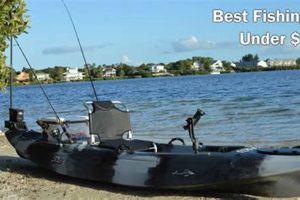
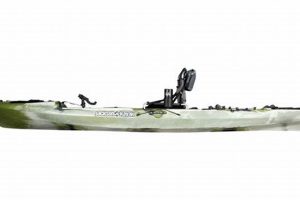
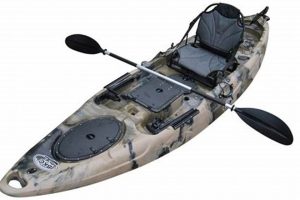
A high-quality, budget-friendly fishing kayak offers anglers an accessible entry point into the sport or a portable, versatile option for experienced anglers. Such a vessel balances affordability with essential features like stability, storage, and comfort. For example, a shorter, sit-on-top model made from durable, lightweight materials might be ideal for maneuvering in smaller bodies of water, while a longer sit-in kayak could be preferable for open water and longer trips, even with a lower price point.
Affordable fishing kayaks contribute significantly to the accessibility of fishing. They allow a wider range of individuals to experience the sport without a substantial financial commitment. Historically, fishing from a personal vessel often required significant upfront investment. Now, the availability of well-designed, budget-conscious kayaks democratizes the sport, allowing more people to enjoy the tranquility and excitement of angling. This increased access has positive ripple effects, supporting local economies and fostering a deeper appreciation for natural resources.
Understanding the key features, materials, and designs involved in selecting an appropriate fishing kayak at a lower price point is vital. The following sections will explore these considerations in detail, offering guidance on factors such as hull design, weight capacity, storage solutions, and essential accessories. Furthermore, various reputable brands and models will be reviewed to assist in the decision-making process.
Tips for Selecting a High-Quality, Budget-Friendly Fishing Kayak
Choosing an appropriate fishing kayak requires careful consideration of several factors. Focusing on key features and understanding individual needs will lead to a satisfying purchase.
Tip 1: Prioritize Stability: Stability is paramount, especially for fishing. Wider kayaks generally offer greater stability than narrower models. Consider a sit-on-top design for enhanced primary stability (resistance to initial tipping) or a sit-in kayak with a wider hull for improved secondary stability (recovery from tipping).
Tip 2: Evaluate Weight Capacity: Ensure the kayak’s weight capacity accommodates the angler’s weight, fishing gear, and any potential catches. Exceeding the weight limit compromises stability and performance.
Tip 3: Consider Storage Options: Ample storage is essential for carrying tackle boxes, rods, and other fishing essentials. Look for dedicated storage compartments, bungee cords, and rod holders.
Tip 4: Assess Hull Design: Different hull designs offer varying performance characteristics. Shorter hulls are more maneuverable in tight spaces, while longer hulls track better in open water. A flatter hull provides better stability, while a V-shaped hull offers better tracking and speed.
Tip 5: Choose Durable Materials: Opt for kayaks constructed from durable, UV-resistant materials like high-density polyethylene (HDPE) or rotomolded plastic. These materials can withstand the rigors of fishing and offer long-term durability.
Tip 6: Research Reputable Brands: Research reputable kayak brands known for quality and customer support. Reading reviews and comparing models can help inform purchasing decisions.
Tip 7: Consider Transportation: Think about how the kayak will be transported. A lighter kayak might be easier to load and unload, especially without assistance.
By considering these factors, anglers can select a fishing kayak that meets their needs and budget, enabling them to enjoy countless hours on the water.
Equipped with this information, the following section explores recommended models and provides a comprehensive guide to making an informed purchase.
1. Stability

Stability is a critical factor in selecting a fishing kayak, especially an affordable one. A stable platform allows anglers to cast, reel, and land fish effectively and safely, maximizing their fishing experience while minimizing the risk of capsizing. Compromising stability for cost savings can negatively impact performance and safety.
- Primary Stability:
Primary stability refers to a kayak’s initial resistance to tipping. A wider hull and a lower center of gravity contribute to greater primary stability. This is particularly important when entering and exiting the kayak, standing to cast, or making quick turns. Budget-friendly kayaks can achieve good primary stability through design features like pontoon hulls or wider bases. A kayak with strong primary stability will feel secure and inspire confidence, particularly for beginners.
- Secondary Stability:
Secondary stability describes a kayak’s ability to recover from a near-capsize situation. This is crucial for handling unexpected waves or sudden movements. Kayaks with rounded or flared hulls typically offer better secondary stability. While some budget-friendly kayaks may prioritize primary stability, finding a balance between both is essential for overall safety and performance. A kayak with good secondary stability provides a margin of error, reducing the likelihood of a full capsize.
- Factors Affecting Stability:
Several factors influence stability, including hull design, kayak width, and the angler’s weight and distribution. Understanding these factors allows informed decisions aligned with individual needs and intended fishing environments. For example, a kayak designed for calm lakes will have different stability characteristics than one designed for ocean fishing. Weight distribution within the kayak also plays a vital role. Properly distributing gear and maintaining a balanced posture enhances stability regardless of the kayak’s design.
- Stability and Fishing Activities:
The type of fishing activity also dictates the level of stability required. Still-water fishing generally demands less stability than fishing in moving water or surf. Anglers engaging in stand-up fishing require kayaks with significantly greater stability than those who remain seated. Recognizing the specific needs of the intended fishing style helps narrow down suitable kayak choices within a budget.
Ultimately, selecting a budget-friendly fishing kayak requires careful consideration of stability features. Balancing cost with performance and safety ensures a rewarding and safe fishing experience. Understanding the nuances of primary and secondary stability, alongside factors affecting stability and the specific fishing activity, empowers informed decisions that prioritize safety and maximize enjoyment on the water.
2. Storage Capacity

Adequate storage capacity is essential for a successful and enjoyable fishing kayak experience. Effective organization of fishing gear, including rods, reels, tackle boxes, and safety equipment, directly impacts efficiency and safety on the water. Insufficient storage can lead to cluttered decks, tangled lines, and lost or damaged equipment, hindering fishing performance and potentially creating hazardous situations.
- Types of Storage:
Fishing kayaks offer various storage solutions, from open deck space with bungee cords to dedicated compartments and hatches. Open storage areas are suitable for quick access items, while enclosed compartments protect sensitive gear from water and damage. Recessed storage areas minimize interference with paddling. Understanding the advantages of each type allows anglers to prioritize storage features that align with their fishing style and gear requirements. For example, a fly fisherman might prioritize open storage for quick access to fly boxes, while a bass angler might prefer enclosed storage for tackle boxes and electronic equipment.
- Capacity and Organization:
The capacity and layout of storage areas significantly impact organization and accessibility. A well-designed kayak maximizes storage space while maintaining a balanced and stable platform. Dividers and compartments within storage areas help maintain order and prevent gear from shifting during transport or paddling. Considering the volume and types of gear carried, along with the intended fishing environment, aids in selecting a kayak with appropriate storage solutions.
- Storage and Kayak Design:
Storage features are often integrated into the kayak’s overall design. Sit-on-top kayaks typically offer more open storage space, while sit-in kayaks often provide enclosed hatches and compartments. The location and accessibility of storage areas impact both performance and convenience. Rear storage wells are suitable for larger items, while smaller compartments closer to the cockpit are ideal for frequently accessed gear. Considering the relationship between storage and kayak design ensures efficient use of space without compromising stability or paddling performance.
- Importance for Different Fishing Styles:
Storage requirements vary significantly depending on the fishing style. Kayak anglers targeting larger species often carry heavier tackle and require more storage space. Those fishing in remote locations need ample storage for safety equipment and supplies. Conversely, anglers targeting smaller species in easily accessible areas may require less storage. Matching storage capacity to the specific demands of the chosen fishing style ensures preparedness and efficiency on the water.
Careful evaluation of storage capacity is crucial when selecting a fishing kayak, particularly within a budget. Prioritizing storage solutions that align with individual fishing styles and gear requirements maximizes efficiency, safety, and overall enjoyment on the water. Understanding the nuances of storage types, capacity, design integration, and the specific needs of different fishing styles ensures a well-equipped and organized fishing experience.
3. Durability

Durability is a critical factor influencing the long-term value and performance of a fishing kayak, especially in the context of budget-conscious purchases. A durable kayak withstands regular use, transportation, and exposure to various environmental conditions, minimizing the need for repairs and replacements. Compromising durability for cost savings can lead to premature wear and tear, ultimately diminishing the kayak’s lifespan and increasing overall expenses.
- Material Selection:
The choice of material significantly impacts a kayak’s durability. High-density polyethylene (HDPE) is a common material known for its impact resistance and UV stability. Rotomolded plastic offers excellent durability and structural integrity. Less expensive materials may be more susceptible to damage from impacts, UV exposure, or abrasion. Understanding the properties of different materials allows for informed decisions that balance cost and durability. For example, while a kayak made from recycled plastic might be more affordable, it may also be more prone to cracking or fading over time compared to a rotomolded HDPE kayak.
- Construction Quality:
Construction quality plays a vital role in a kayak’s ability to withstand stress and resist damage. Properly welded seams, reinforced stress points, and quality hardware contribute to overall durability. Inspecting these details during the selection process helps identify potential weaknesses. A well-constructed kayak, even at a lower price point, should exhibit solid build quality and attention to detail in its construction.
- UV Resistance:
Exposure to sunlight can degrade kayak materials over time, leading to fading, cracking, and reduced structural integrity. UV-resistant coatings and additives help protect against sun damage, prolonging the kayak’s lifespan. Storing the kayak out of direct sunlight when not in use further enhances UV protection. This is particularly important in regions with intense sunlight, where UV degradation can significantly shorten a kayak’s lifespan.
- Impact Resistance:
Fishing kayaks often encounter impacts from rocks, logs, or other obstacles in the water. Materials with high impact resistance, such as HDPE, minimize damage from these encounters. The thickness of the hull also contributes to impact resistance. A thicker hull generally provides better protection against impacts, but it also adds weight and can affect maneuverability.
Investing in a durable fishing kayak, even within a budget, ensures long-term value and performance. Prioritizing durable materials, quality construction, UV resistance, and impact resistance minimizes the risk of damage and extends the kayak’s usable lifespan. Understanding the interplay of these factors empowers informed decisions that balance cost and durability, resulting in a reliable and dependable fishing platform for years to come.
4. Maneuverability

Maneuverability plays a crucial role in the effectiveness of a fishing kayak, especially when targeting specific locations or navigating challenging waters. A highly maneuverable kayak allows anglers to precisely position themselves for optimal casting, efficiently navigate tight spaces, and respond quickly to changing conditions. This attribute becomes particularly important in environments like shallow creeks, narrow rivers, and areas with dense vegetation, where precise control and quick turns are essential for successful fishing. Balancing maneuverability with other desirable characteristics like stability and tracking is key to selecting the best kayak for individual fishing needs and budget.
- Hull Design and Length:
Hull design significantly impacts a kayak’s maneuverability. Shorter kayaks with flatter hulls generally turn more easily, making them ideal for navigating tight spaces and complex waterways. Longer kayaks with V-shaped hulls, while offering better tracking in open water, tend to be less maneuverable. Understanding the trade-offs between maneuverability and tracking is crucial for selecting a kayak suited to the intended fishing environment. For example, a shorter, wider kayak might be ideal for navigating a mangrove forest, while a longer, narrower kayak would be better suited for open lakes.
- Water Conditions and Maneuverability:
The prevailing water conditions influence the importance of maneuverability. In calm, open water, maneuverability may be less critical than tracking and speed. However, in windy conditions or moving water, a highly maneuverable kayak allows anglers to maintain better control and avoid obstacles effectively. Consider the typical fishing environment when evaluating the importance of maneuverability. A kayak designed for river fishing will likely prioritize maneuverability over pure speed.
- Fishing Style and Maneuvering Requirements:
Different fishing styles demand varying degrees of maneuverability. Anglers frequently changing locations or targeting fish in tight cover require kayaks that can turn quickly and precisely. Trolling or still-fishing, on the other hand, may prioritize stability and tracking over extreme maneuverability. Matching the kayak’s maneuverability to the specific fishing style enhances efficiency and overall fishing success. For instance, a bass angler fishing in heavy cover will benefit from a highly maneuverable kayak, while a trolling angler might prefer a kayak that tracks well in a straight line.
- Weight and Maneuverability:
A kayak’s weight affects its maneuverability, particularly in wind and current. Lighter kayaks are generally easier to maneuver and respond more quickly to paddle strokes. Heavier kayaks, while potentially offering greater stability, require more effort to turn and maintain control. Consider the weight of the kayak in relation to physical capabilities and the expected fishing conditions. A lighter kayak may be preferable for anglers who frequently paddle long distances or fish in challenging environments.
Selecting a fishing kayak involves carefully balancing maneuverability with other essential features. While a highly maneuverable kayak excels in specific situations, such as navigating tight spaces or responding to changing water conditions, it might compromise tracking performance in open water. Understanding the interplay between maneuverability, hull design, intended fishing environment, and personal paddling style enables informed decisions that optimize kayak performance for specific fishing needs and budgetary constraints. Ultimately, the best kayak offers a balanced combination of features that align with the angler’s individual preferences and fishing goals.
5. Comfort
Comfort significantly impacts the overall fishing experience, particularly during longer outings. An uncomfortable kayak can lead to fatigue, back pain, and decreased fishing effectiveness. While budget constraints may limit options, prioritizing comfort features within an affordable price range ensures a more enjoyable and productive fishing experience. Discomfort can detract from the focus required for successful angling and shorten the duration of fishing trips. For example, a poorly designed seat can cause backaches, while insufficient legroom can lead to cramping and stiffness, hindering an angler’s ability to cast, reel, and react to fish strikes effectively. Conversely, a comfortable kayak allows anglers to focus on fishing, maximizing their time on the water and increasing their chances of success.
Several factors contribute to kayak comfort, including seat design, legroom, and backrest support. Seats with adjustable backrests and ample padding provide crucial support during long hours on the water. Sufficient legroom allows for comfortable stretching and shifting of position, reducing fatigue and discomfort. Features like adjustable footrests further enhance comfort and control, enabling anglers to maintain a stable and balanced posture. While some budget-friendly kayaks may compromise on comfort features, seeking models with ergonomic designs and adjustable components enhances long-term fishing enjoyment. Understanding the interplay of these factors empowers informed decisions that prioritize comfort without exceeding budgetary limitations. For instance, opting for a kayak with a removable, upgraded seat might be a cost-effective way to enhance comfort in an otherwise budget-friendly model. Similarly, choosing a kayak with a wider cockpit can provide additional legroom without significantly increasing the overall cost.
Prioritizing comfort in a budget-friendly fishing kayak requires careful consideration of individual needs and preferences. Anglers with back problems, for instance, should prioritize kayaks with adjustable backrests and lumbar support. Taller individuals may require kayaks with ample legroom and adjustable footrests. Evaluating these individual needs alongside budget considerations ensures a balanced selection that maximizes both comfort and affordability. Failing to prioritize comfort can negatively impact the fishing experience, leading to fatigue, discomfort, and a shortened time on the water. Ultimately, a comfortable kayak contributes significantly to fishing enjoyment and success, enabling anglers to fully immerse themselves in the sport without physical limitations.
6. Weight

Kayak weight significantly influences transport, launch, and overall handling, particularly crucial when seeking the best cheap kayak for fishing. A lighter kayak simplifies car-topping, carrying to launch sites, and maneuvering on the water, especially for individuals with physical limitations or those lacking assistance. However, lighter kayaks can be more susceptible to wind and currents, requiring careful consideration of the intended fishing environment. Balancing weight with stability, durability, and cost is essential in selecting the optimal kayak.
- Transportation and Portability
Transporting a kayak often involves lifting, carrying, and loading onto a vehicle. Kayak weight directly impacts the ease of this process. Lighter kayaks are significantly easier to manage, especially for solo anglers. Heavier kayaks may necessitate assistance or specialized loading equipment, adding complexity and potential cost. Consider the typical transport scenario, including vehicle type and available assistance, when evaluating kayak weight. For example, a rooftop carrier might be suitable for a lighter kayak, while a trailer might be necessary for a heavier model.
- Launching and Landing
Launching and landing a kayak involve maneuvering the vessel into and out of the water. Lighter kayaks simplify this process, reducing physical strain and minimizing the risk of damage. Heavier kayaks can be challenging to control in shallow water or during adverse conditions, potentially requiring greater physical exertion. The typical launch environment, including shoreline accessibility and water conditions, should influence the choice of kayak weight. Rocky or uneven shorelines may necessitate a lighter, more easily maneuverable kayak.
- On-Water Performance
Kayak weight affects on-water performance, particularly in wind and current. Lighter kayaks are more susceptible to wind drift, requiring more effort to maintain course. Heavier kayaks track better in windy conditions but require more effort to paddle and maneuver. The intended fishing environment, including prevailing wind and current conditions, significantly influences the optimal kayak weight. Calm lakes and sheltered bays allow for lighter kayaks, while open water or rivers with strong currents may necessitate a heavier, more stable vessel.
- Material and Weight Considerations
Kayak weight is often directly related to material and construction. Lighter materials, such as composites or high-end plastics, often come at a premium cost. More affordable kayaks may utilize heavier materials, impacting portability and maneuverability. Balancing cost with weight considerations is crucial for selecting a kayak that meets both budgetary and performance requirements. A slightly heavier kayak constructed from a durable, budget-friendly material might be a preferable compromise compared to a lighter but more expensive and potentially less durable model.
The weight of a fishing kayak presents a crucial consideration in the selection process, particularly when seeking a balance between affordability and performance. While lighter kayaks offer advantages in portability and ease of handling, they may compromise stability and tracking in certain conditions. Heavier kayaks, conversely, provide greater stability but may present challenges in transport and launch. Careful evaluation of individual needs, typical fishing environments, and budgetary constraints ensures an informed decision that optimizes kayak weight for a rewarding fishing experience.
Frequently Asked Questions
This section addresses common inquiries regarding the selection and use of budget-friendly fishing kayaks. Clarity on these points assists in making informed purchasing decisions and maximizing on-the-water experiences.
Question 1: What is the typical price range for a good-quality, inexpensive fishing kayak?
Prices can vary significantly based on features, materials, and brand. Generally, one can find suitable options ranging from $300 to $700. Focusing on essential features and avoiding unnecessary extras helps keep costs down.
Question 2: Are inexpensive fishing kayaks less durable than more expensive models?
Not necessarily. Durability depends more on the materials and construction methods than the overall price. Even budget-friendly kayaks constructed from high-density polyethylene (HDPE) can offer excellent durability and longevity. Focusing on build quality rather than price ensures a durable vessel.
Question 3: What essential features should one look for in an affordable fishing kayak?
Key features include stability, sufficient storage for tackle and gear, comfortable seating, and appropriate weight capacity. Prioritizing these features ensures a functional and enjoyable fishing experience without overspending.
Question 4: Are inflatable kayaks a suitable budget-friendly option for fishing?
Inflatable kayaks offer portability and affordability. However, they may be less stable and durable than hard-shell kayaks, especially in challenging conditions. Careful consideration of fishing environment and personal preferences is crucial when considering inflatables.
Question 5: How does one maintain an affordable fishing kayak to ensure its longevity?
Proper maintenance, including regular cleaning, UV protection, and appropriate storage, extends the lifespan of any kayak. Rinsing the kayak after each use, storing it out of direct sunlight, and addressing minor repairs promptly ensures long-term value.
Question 6: Where can one find reputable reviews and comparisons of budget-friendly fishing kayaks?
Reputable online resources, paddling communities, and specialized kayak retailers offer valuable insights and reviews. Consulting multiple sources provides a comprehensive understanding of available options and helps narrow down the selection.
Careful consideration of individual needs, intended use, and budget constraints, alongside the information presented here, ensures a well-informed purchasing decision. Understanding the trade-offs inherent in different kayak features empowers buyers to prioritize essential qualities and find the best fit for their fishing style.
This comprehensive guide concludes with a summary of key takeaways and final recommendations for selecting the best cheap kayak for fishing.
Finding the Best Cheap Kayak for Fishing
Selecting a high-quality, budget-friendly fishing kayak involves careful consideration of various factors. Balancing cost with essential features like stability, durability, maneuverability, storage, comfort, and weight is crucial for a successful purchase. Prioritizing individual needs and intended fishing environments ensures the chosen kayak aligns with specific fishing styles and desired performance characteristics. Understanding the trade-offs inherent in different kayak designs empowers informed decision-making, maximizing value and long-term satisfaction. Thorough research, including reviewing reputable sources and comparing available models, further refines the selection process, leading to a well-informed choice.
The pursuit of angling from a kayak opens doors to unique and rewarding experiences on the water. A well-chosen, affordable fishing kayak provides access to diverse fishing locations, fostering a deeper connection with nature and promoting sustainable enjoyment of aquatic environments. Careful consideration of the factors discussed in this guide empowers anglers to select the optimal kayak for their needs and budget, ultimately enhancing their fishing adventures and fostering a lifelong appreciation for the sport.