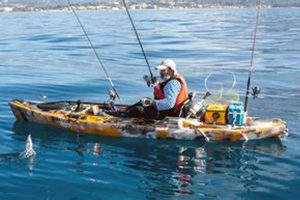
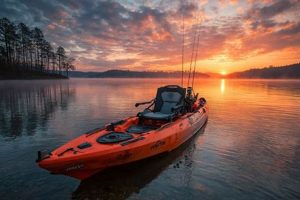
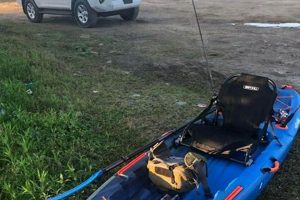
Kayaks designed specifically for angling and available during the 2015 model year represent a notable point in the evolution of fishing-specific watercraft. These vessels typically incorporated features like rod holders, specialized storage compartments, and improved stability designed to enhance the angling experience.
The 2015 timeframe saw continued growth in the popularity of kayak fishing, driven by factors such as affordability compared to motorized boats and increased access to previously difficult-to-reach fishing spots. Advancements in kayak design and manufacturing during this period led to more durable, stable, and feature-rich options for anglers. This era represents a key stage in the development of modern fishing kayaks, bridging the gap between earlier, simpler designs and the highly specialized models available today.
This discussion will delve further into specific aspects of these fishing kayaks, covering topics such as prevalent design features, popular manufacturers of the time, and the lasting impact these models had on the sport.
Tips for Selecting a 2015-Era Fishing Kayak
Choosing a suitable kayak from the 2015 model year requires careful consideration of various factors to ensure optimal performance and angler satisfaction. The following tips provide guidance for navigating the selection process.
Tip 1: Assess Hull Design: Consider the hull type (sit-on-top or sit-inside) based on anticipated water conditions and personal preferences. Sit-on-tops offer greater stability and ease of re-entry after a water landing, while sit-ins provide better protection from the elements and a drier ride.
Tip 2: Prioritize Stability: Stability is paramount, especially for stand-up fishing. Look for wider kayaks with flatter bottoms for enhanced balance.
Tip 3: Evaluate Storage Options: Ample storage is crucial for tackle, gear, and catches. Consider models with dedicated compartments, hatches, and bungee systems.
Tip 4: Inspect Rod Holders: Ensure the kayak has sufficient and conveniently placed rod holders. Flush-mounted holders reduce line tangling while adjustable holders offer versatility.
Tip 5: Check Weight Capacity: Select a kayak with a weight capacity that accommodates the angler’s weight, gear, and potential catches comfortably.
Tip 6: Consider Propulsion Options: Paddle propulsion remains the standard, but pedal-powered kayaks were gaining popularity in 2015, offering hands-free fishing and increased speed.
Tip 7: Research Manufacturer Reputation: Opt for kayaks from reputable manufacturers known for quality construction and durable materials.
By carefully considering these factors, anglers can identify a 2015-era fishing kayak that aligns with their specific needs and fishing style, ensuring a safe and enjoyable experience on the water.
This guidance serves as a starting point for further exploration of specific models and features available during that period, leading to an informed purchasing decision.
1. Hull Designs

Hull design played a crucial role in the performance and functionality of fishing kayaks in 2015, influencing stability, speed, maneuverability, and overall suitability for specific fishing environments. Understanding the diverse hull configurations available during this period provides valuable insight into the advancements and specialization within the fishing kayak market.
- Pontoon Hulls:
Known for exceptional stability, pontoon hulls provided a secure platform ideal for stand-up fishing and sight casting. Their wide, flat bottoms minimized rocking, offering anglers increased confidence in various water conditions. However, this stability often came at the expense of speed and maneuverability, making them better suited for calmer waters like lakes and ponds. In 2015, pontoon hulls were a popular choice for anglers prioritizing stability above all else.
- Tunnel Hulls:
Tunnel hulls featured a recessed channel running the length of the kayak’s bottom. This design enhanced tracking and speed, particularly in flat water, allowing anglers to cover more ground efficiently. While not as stable as pontoon hulls, tunnel hulls offered a balance between stability and performance, making them suitable for a broader range of fishing environments. The tunnel hull’s popularity in 2015 stemmed from its ability to combine speed with reasonable stability.
- V-Shaped Hulls:
Commonly found in sit-inside kayaks, V-shaped hulls excelled in tracking and cutting through chop and waves. Their design provided efficient paddling and better performance in rougher conditions compared to flatter hulls. However, they offered less initial stability than pontoon or tunnel hulls, requiring more experience and balance from the angler. In 2015, V-shaped hulls were favored by anglers fishing larger bodies of water or areas with currents.
- Flat-Bottomed Hulls:
Similar to pontoon hulls, flat-bottomed designs maximized stability, making them excellent for stand-up fishing and maneuvering in shallow water. Their simple design often translated to affordability, making them a popular choice for budget-conscious anglers. While stability was their strength, flat-bottomed hulls lacked the tracking and speed of other designs. In 2015, this design catered to anglers prioritizing stability and shallow-water access.
The diverse range of hull designs available in 2015 demonstrates the increasing specialization of fishing kayaks to meet varying angler needs and preferences. By understanding the advantages and disadvantages of each hull type, anglers could select a kayak optimized for their target fishing environment and style, contributing to the growth and refinement of kayak fishing during this period.
2. Stability Features

Stability constituted a critical design element in 2015 fishing kayaks, directly influencing angler safety, comfort, and fishing effectiveness. Enhanced stability enabled anglers to confidently cast, reel, and land fish, especially in challenging conditions or when standing. Manufacturers addressed stability through various design innovations, reflecting the growing emphasis on this performance characteristic.
Wider hulls, particularly those with a flatter bottom profile, provided a larger surface area for displacement, thereby increasing primary stabilityresistance to initial tipping. Outrigger systems, either integrated or add-on, further augmented stability by extending the kayak’s effective width. These features allowed anglers to maintain balance even when shifting weight, a common occurrence during fishing activities. Specific examples include the Wilderness Systems Ride 115 and the Hobie Mirage Pro Angler, both popular in 2015, showcasing diverse approaches to stability enhancement through hull design and outrigger integration, respectively.
The prioritization of stability in 2015 fishing kayaks directly addressed the need for a secure and balanced platform, crucial for a successful and enjoyable fishing experience. This focus facilitated the adoption of stand-up fishing techniques, further enhancing the angler’s field of vision and casting range. While stability sometimes came at the cost of maneuverability or speed, its benefits proved significant for many anglers, especially those targeting species in calm or slow-moving water. The ongoing development of stability features highlights the continuous evolution of fishing kayak design, responding to the practical demands of anglers seeking enhanced performance and safety on the water.
3. Storage Capacity

Storage capacity played a vital role in the functionality and appeal of fishing kayaks designed in 2015. Anglers require ample space for tackle boxes, rods, reels, safety gear, personal items, and potentially captured fish. Insufficient storage capacity limits the duration and effectiveness of fishing trips, necessitating careful consideration of storage solutions during kayak selection. Kayak manufacturers in 2015 addressed this need by incorporating various storage features into their designs.
Common storage solutions included dedicated compartments for tackle boxes, often located within easy reach of the seated angler. Recessed areas with bungee cords secured larger items like rods and paddles. Hatches provided access to internal storage compartments, ideal for protecting sensitive electronics or personal belongings. For instance, the Old Town Predator XL, a popular model in 2015, featured a large tank well with bungee cords and a front hatch for dry storage, illustrating the emphasis on versatile storage options. Similarly, the Wilderness Systems Tarpon 120 offered a spacious rear tank well and a center hatch, catering to diverse storage needs.
Adequate storage capacity directly impacted the practicality and usability of 2015 fishing kayaks. The ability to carry necessary equipment and supplies allowed anglers to extend their time on the water and venture further from launch points. The evolution of storage solutions reflected a growing understanding of angler requirements and contributed to the increasing popularity of kayak fishing. Evaluating storage options remains a key consideration for prospective kayak buyers, influencing their choice based on individual fishing styles and anticipated gear requirements. This aspect highlights the practical significance of storage capacity in shaping the design and functionality of fishing kayaks in 2015 and beyond.
4. Rod Holder Integrations

Rod holder integrations represented a crucial design element in 2015 fishing kayaks, directly impacting angling efficiency and overall fishing experience. Secure and strategically positioned rod holders allowed anglers to manage multiple lines, troll effectively, and keep rods readily accessible while attending to other tasks. The variety of rod holder designs and placements reflected the diverse fishing styles and preferences of kayak anglers.
- Flush-Mount Rod Holders:
Flush-mount rod holders, integrated seamlessly into the kayak’s deck, minimized line tangling and interference with paddling or casting. These holders offered a streamlined profile and reduced the risk of snagging on vegetation or other obstacles. Their popularity stemmed from their practicality and minimal impact on the kayak’s overall design. Many 2015 models, like the Ocean Kayak Prowler 13, featured multiple flush-mount rod holders strategically placed for optimal angling versatility.
- Adjustable Rod Holders:
Adjustable rod holders offered flexibility in positioning rods at various angles, accommodating different fishing techniques and target species. Anglers could adjust the rod’s orientation for trolling, casting, or still fishing, maximizing their effectiveness in diverse scenarios. The Hobie PA 14, a prominent 2015 model, included adjustable rod holders as a standard feature, showcasing the growing demand for customizable rod placement.
- Track-Mounted Rod Holders:
Track systems, often integrated into the kayak’s gunwales, allowed for highly customizable rod holder placement. Anglers could add, remove, or reposition rod holders along the track, tailoring their setup to specific fishing needs. This modularity appealed to anglers who frequently switched between different fishing styles or techniques. Wilderness Systems kayaks, such as the Tarpon 160, frequently incorporated track systems, providing a versatile platform for rod holder customization.
- Rotating Rod Holders:
Rotating rod holders allowed anglers to easily swivel their rods 360 degrees, facilitating quick adjustments to changing fish positions or currents. This feature proved particularly beneficial for trolling or fishing in areas with complex underwater structures. While less common than other types in 2015, rotating rod holders offered a specialized advantage appreciated by certain anglers seeking maximum adaptability.
Rod holder integrations significantly influenced the utility and overall effectiveness of fishing kayaks in 2015. The evolution of different rod holder types and mounting systems underscored the ongoing refinement of kayak design to meet the diverse demands of the angling community. Careful consideration of rod holder placement and functionality remains a critical factor in kayak selection for anglers seeking an optimized fishing experience.
5. Propulsion Systems
Propulsion systems significantly influenced the performance and usability of fishing kayaks in 2015. The choice of propulsion directly impacted an angler’s speed, maneuverability, and fatigue levels, ultimately affecting the overall fishing experience. Understanding the prevalent propulsion methods of 2015 provides valuable context for evaluating the evolution of fishing kayak technology.
- Paddle Propulsion:
Traditional paddle propulsion remained the dominant method in 2015, offering simplicity, affordability, and quiet operation. Paddles provided excellent maneuverability in tight spaces and shallow water, crucial for navigating complex shorelines or accessing secluded fishing spots. While effective, paddling requires physical exertion, potentially limiting fishing range or causing fatigue during extended trips. A wide variety of paddle designs catered to different kayaking styles and angler preferences.
- Pedal Propulsion:
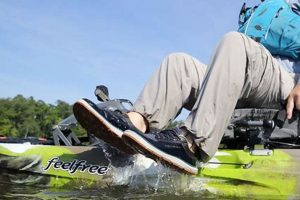
Pedal-powered kayaks gained popularity in 2015, offering hands-free operation and increased speed and range compared to paddling. Pedal drives allowed anglers to maintain a consistent speed over longer distances, conserving energy for fishing. Models like the Hobie Mirage Pro Angler series showcased the advantages of pedal propulsion, appealing to anglers seeking enhanced efficiency and reduced physical strain. However, pedal drives typically added cost and complexity compared to paddle kayaks.
- Motorized Propulsion:
While less common than paddle or pedal systems, motorized kayaks offered the greatest speed and range, enabling access to distant fishing grounds. Electric trolling motors provided quiet operation and minimized environmental impact. However, motors added weight, cost, and required battery management, impacting portability and ease of use. In 2015, motorized kayaks represented a niche segment of the market, appealing to anglers prioritizing speed and range over portability and simplicity.
- Combination Systems:
Some 2015 kayaks offered hybrid propulsion systems, combining paddle and pedal or paddle and motor options. This versatility allowed anglers to adapt to changing conditions or fishing needs. For example, an angler might use the pedal drive for traversing open water and switch to paddle propulsion for maneuvering in shallows or tight areas. Combination systems offered flexibility but often involved higher costs and increased complexity compared to dedicated single-propulsion kayaks.
Propulsion system choices in 2015 reflected a diversifying market catering to a broader range of angler preferences and fishing styles. The advancements and increasing availability of pedal and motor drives alongside the enduring popularity of paddles underscored the ongoing evolution of fishing kayak technology. Evaluating propulsion options remains a critical aspect of kayak selection, influencing factors such as speed, maneuverability, range, and overall fishing experience.
6. Material Construction

Material construction significantly influenced the durability, performance, and price point of fishing kayaks in 2015. The choice of materials directly impacted a kayak’s weight, resistance to impact and abrasion, and overall lifespan. Understanding the prevalent construction materials of the era provides essential context for evaluating the evolution of kayak design and manufacturing.
- Polyethylene (PE):
Polyethylene, in both high-density (HDPE) and linear low-density (LLDPE) forms, remained the most common material for fishing kayak construction in 2015. HDPE offered excellent impact resistance and durability, making it suitable for demanding fishing environments. LLDPE provided enhanced UV resistance and flexibility but could be slightly less resistant to abrasion. PE kayaks offered a balance of affordability and durability, appealing to a broad range of anglers. Examples include the Perception Pescador 12 and the Lifetime Tamarack Angler 100, both popular choices constructed from PE.
- Fiberglass:
Fiberglass kayaks, constructed by layering fiberglass cloth with resin, offered superior strength and stiffness compared to PE. This resulted in lighter and more responsive kayaks, enhancing speed and maneuverability. However, fiberglass kayaks were generally more expensive and susceptible to cracking or damage upon impact. Models like the QCC 700X exemplified the performance advantages of fiberglass construction but catered to a more specialized market segment.
- Composite Materials:
Composite constructions, involving combinations of materials like Kevlar, carbon fiber, and fiberglass, emerged in higher-end fishing kayaks. These materials offered exceptional strength-to-weight ratios, resulting in extremely lightweight and durable kayaks ideal for long expeditions or demanding conditions. However, the complex manufacturing process translated to a higher price point. The Necky Looksha Sport exemplified the potential of composite construction in 2015, targeting discerning anglers seeking premium performance.
- Thermoformed Plastic:
Thermoformed plastic, a process involving heating and shaping sheets of plastic, offered a relatively durable and cost-effective alternative to PE. Thermoformed kayaks could achieve complex hull shapes and designs, but they were generally less impact-resistant than rotomolded PE kayaks. In 2015, thermoforming represented a growing segment within the recreational kayak market, but HDPE remained the dominant material for fishing-specific models.
The selection of construction materials significantly impacted the performance characteristics, durability, and cost of fishing kayaks in 2015. The prevalence of polyethylene reflected its balance of affordability and robustness, while fiberglass and composite materials catered to specialized needs for lightweight performance. Understanding the characteristics of these materials provides valuable insight into the design and manufacturing considerations prevalent during this period, informing purchasing decisions and highlighting the evolution of kayak construction techniques.
7. Manufacturer Innovations
Manufacturer innovations played a pivotal role in the evolution of fishing kayaks during 2015, driving improvements in performance, features, and overall angler experience. This period witnessed significant advancements as manufacturers responded to the growing popularity of kayak fishing and the increasing demands of anglers seeking specialized watercraft. Exploring these key innovations reveals the dynamic nature of the industry and its impact on the sport.
- Integration of Pedal-Driven Systems:
2015 marked a significant turning point in propulsion systems, with the increased adoption and refinement of pedal drives. Manufacturers like Hobie, Native Watercraft, and Wilderness Systems introduced or enhanced their pedal-powered kayak lines, offering anglers hands-free operation and increased speed and range. These systems, leveraging either propeller or fin-based propulsion, allowed for efficient travel over longer distances and the ability to maintain position in currents, significantly expanding fishing possibilities.
- Advanced Seating Systems:
Angler comfort became a central focus, leading to the development of more ergonomic and adjustable seating systems. High-back seats with improved lumbar support and breathable fabrics enhanced comfort during long fishing trips. Adjustable seating positions allowed for customization based on individual preferences and fishing styles. These advancements addressed the need for increased comfort and reduced fatigue, essential for prolonged periods on the water.
- Customization and Modularity:
Manufacturers increasingly embraced modular design principles, allowing anglers to customize their kayaks with a wider range of accessories and add-ons. Track systems provided mounting points for rod holders, fish finders, and other gear, enabling anglers to tailor their setups to specific fishing needs. This increased customization facilitated specialized configurations for various fishing techniques and environments, enhancing versatility and personalization.
- Improved Hull Designs for Stability and Performance:
Hull designs continued to evolve in 2015, with a greater focus on stability, speed, and maneuverability. Wider, flatter hulls enhanced stability for stand-up fishing, while designs incorporating features like tunnels or pronounced chines improved tracking and speed in various water conditions. Manufacturers experimented with different hull shapes and materials to optimize performance characteristics, catering to specific fishing styles and target environments.
These innovations collectively shaped the landscape of fishing kayaks in 2015, contributing to the growing popularity and sophistication of the sport. The focus on enhanced performance, increased comfort, and greater customization reflected a deeper understanding of angler needs and a commitment to providing specialized equipment for a more rewarding fishing experience. These advancements laid the groundwork for further developments in subsequent years, solidifying 2015 as a pivotal period in the evolution of fishing kayak technology.
Frequently Asked Questions about 2015 Fishing Kayaks
This section addresses common inquiries regarding fishing kayaks from the 2015 model year, providing clarity on key features, selection considerations, and market trends.
Question 1: What were the typical price ranges for fishing kayaks in 2015?
Prices varied significantly based on features, materials, and brand reputation. Entry-level models generally ranged from $500 to $1000, while higher-end kayaks with advanced features or premium construction could exceed $2000.
Question 2: Were pedal-powered kayaks readily available in 2015?
Pedal kayaks were gaining popularity in 2015, though not as prevalent as paddle-powered models. Several manufacturers offered pedal-drive systems, expanding options for anglers seeking hands-free propulsion.
Question 3: What were the primary materials used in constructing fishing kayaks during this period?
Polyethylene remained the dominant construction material due to its durability and affordability. Fiberglass and composite materials were also utilized in higher-end models, offering performance advantages at a premium cost.
Question 4: What key features should one consider when evaluating a used 2015 fishing kayak?
Essential considerations include hull condition, stability, storage capacity, rod holder placement, seat comfort, and the presence of any signs of wear or damage. Evaluating the propulsion system’s functionality is also crucial if applicable.
Question 5: How does the technology in 2015 fishing kayaks compare to current models?
While fundamental design principles remain consistent, current kayaks often incorporate advancements in materials, propulsion systems, and feature integration. Modern kayaks may offer lighter weights, enhanced stability, and more sophisticated features compared to their 2015 counterparts.
Question 6: Where can one find used fishing kayaks from 2015 for sale?
Potential sources include online marketplaces, classified advertisements, used sporting goods stores, and specialized kayak retailers. Thoroughly inspecting any used kayak before purchase is highly recommended.
Careful consideration of these frequently asked questions provides valuable insights for anyone interested in exploring or acquiring a fishing kayak from the 2015 model year. Understanding the features, market context, and potential limitations empowers informed decision-making.
The subsequent section will delve deeper into specific 2015 models and their respective features, providing a more detailed analysis for discerning buyers.
Fishing Kayaks 2015
Fishing kayaks of the 2015 model year represent a significant stage in the evolution of angling-specific watercraft. This analysis explored key aspects of these kayaks, including hull designs, stability features, storage solutions, rod holder integrations, propulsion systems, material construction, and notable manufacturer innovations. The diverse range of features available in 2015 catered to a growing segment of anglers seeking specialized vessels for enhanced fishing experiences.
The 2015 era served as a pivotal point in the development of modern fishing kayaks. Advancements in design and technology during this period laid the foundation for the sophisticated features and specialized performance characteristics found in contemporary models. Understanding the context of fishing kayaks from 2015 provides valuable insights for both enthusiasts and those seeking to acquire a pre-owned model, contributing to a deeper appreciation of this evolving segment of the recreational fishing industry.