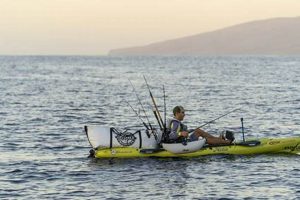
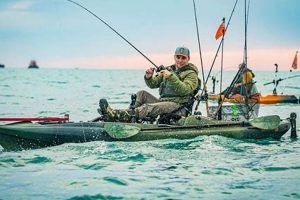
The sport of angling from a small, human-powered vessel offers a unique and intimate way to experience the diverse waterways of the Gem State. From high-elevation alpine lakes to the meandering Snake River, this activity allows close-up encounters with nature and a variety of fish species. For example, paddling across a pristine mountain lake at dawn provides both breathtaking scenery and opportunities to hook trout or kokanee.
This accessible activity offers numerous benefits. The low impact of non-motorized vessels preserves the serenity of natural environments and minimizes disturbance to aquatic life. Furthermore, it provides a low-cost entry point to the sport of fishing, requiring less specialized equipment than traditional boat-based angling. The state’s rich angling heritage, combined with its abundant waterways, makes it a prime destination for this increasingly popular pursuit.
Further exploration will cover ideal locations, necessary gear, essential techniques, safety considerations, licensing and regulations, and the impact on local ecosystems. This information will provide a comprehensive guide for both novice and experienced anglers.
Tips for Kayak Angling in Idaho
Successful outings require preparation and awareness. The following tips offer guidance for a safe and productive experience on Idaho’s waterways.
Tip 1: Check Water Conditions: Prior to departure, consult resources such as the National Weather Service and local river gauges for up-to-date information on water levels, flow rates, and potential hazards. Unexpected changes in conditions can significantly impact safety and fishing success.
Tip 2: Choose Appropriate Gear: Selecting a kayak designed for stability and maneuverability in the intended environment is crucial. Essential safety equipment includes a personal flotation device, a whistle, and a first-aid kit. Fishing-specific gear, such as rod holders and tackle storage, enhances efficiency and enjoyment.
Tip 3: Dress for Success and Safety: Layered clothing allows adjustments to fluctuating weather conditions. Waterproof outerwear and quick-drying fabrics provide comfort and protection. Brightly colored clothing enhances visibility to other boaters.
Tip 4: Plan a Float Route: Research access points, potential take-out locations, and estimated float times. Sharing this itinerary with someone onshore ensures a point of contact in case of unexpected delays or emergencies.
Tip 5: Practice Proper Kayak Handling: Understanding basic paddling strokes and maneuvering techniques contributes to efficient navigation and safe handling in currents and wind. Practicing these skills in calm water before venturing onto challenging waterways builds confidence and competence.
Tip 6: Respect Wildlife and the Environment: Maintaining a safe distance from wildlife minimizes disturbance and promotes ethical interactions. Proper disposal of all trash and fishing line preserves the natural beauty and ecological integrity of Idahos waterways.
Tip 7: Obtain Necessary Licenses and Permits: Ensure compliance with all state fishing regulations, including possession of a valid fishing license and any required permits for specific waters or species. Information on regulations can be found on the Idaho Department of Fish and Game website.
Adherence to these guidelines contributes to a more rewarding and responsible experience on the water, promoting both personal safety and the preservation of Idaho’s natural resources.
These tips provide a foundation for successful outings. Next, a detailed exploration of Idaho’s premier kayak fishing destinations will follow.
1. Location Selection

Strategic location selection is paramount for a successful Idaho kayak fishing experience. The diverse landscape offers a spectrum of options, each presenting unique opportunities and challenges. Careful consideration of factors such as target species, water conditions, accessibility, and angler skill level influences the overall outcome. For example, the slow-moving waters of the Henry’s Fork offer excellent opportunities for dry fly fishing for trout, while the fast-flowing Salmon River presents a more challenging environment suitable for experienced anglers targeting steelhead. Choosing a location aligned with these factors optimizes the chance of a productive and enjoyable outing. The cause-and-effect relationship is clear: appropriate location selection increases the likelihood of angling success and overall satisfaction.
Different locations cater to various fishing styles and target species. High-elevation alpine lakes, such as Redfish Lake in the Sawtooth Mountains, provide access to cold-water species like trout and char. The Snake River, with its varied stretches and tributaries, supports diverse warm-water fish populations, including bass and catfish. Understanding the specific characteristics of each location, including water depth, clarity, flow rate, and prevalent forage, informs effective tackle and technique choices. Researching local fishing reports and consulting with experienced anglers or local outfitters can provide valuable insights for location selection, enhancing the probability of success. Access points, parking availability, and the presence of boat ramps or put-in areas also influence practical considerations.
In conclusion, thoughtful location selection is integral to successful kayak fishing in Idaho. Matching the chosen location to angler skill level, target species, and desired fishing style maximizes the chances of a rewarding experience. Analyzing factors like water conditions, accessibility, and local regulations further refines the decision-making process. Ultimately, careful planning and informed decision-making concerning location choice contribute significantly to both the enjoyment and productivity of any Idaho kayak fishing adventure. Neglecting this crucial aspect can lead to frustration and diminished results, underscoring the importance of thorough pre-trip planning.
2. Essential Gear

Appropriate gear is fundamental to a safe and successful kayak fishing experience in Idaho. From ensuring personal safety to maximizing angling effectiveness, the right equipment plays a crucial role. This section explores essential gear categories, providing examples and highlighting their importance.
- Personal Flotation Device (PFD):
A properly fitted PFD is non-negotiable. State regulations mandate its use, and it is crucial for personal safety in the event of capsizing or unexpected immersion. Choose a PFD designed for paddling comfort and mobility. Inflatable PFDs offer greater freedom of movement, while traditional foam PFDs provide immediate buoyancy.
- Paddle:
A kayak paddle specifically designed for fishing provides efficient propulsion and maneuverability. Consider factors like blade shape, shaft length, and material construction. A lightweight paddle reduces fatigue during long paddling sessions, while a longer paddle generates more power. Adjustable-length paddles offer versatility for different water conditions and paddling styles.
- Fishing Rods and Reels:
Selecting appropriate rods and reels depends on the target species and fishing techniques employed. Shorter rods are advantageous for close-quarters casting in tight spaces, while longer rods facilitate longer casts and greater line control. Spinning reels are versatile for various fishing styles, while baitcasting reels offer increased precision and control for experienced anglers.
- Tackle and Accessories:
Essential tackle includes a selection of lures, hooks, weights, and line appropriate for the target species. A tackle box or bag keeps gear organized and accessible. Other useful accessories include rod holders, a landing net, pliers for hook removal, and a fish finder for locating fish concentrations. Dry bags protect essential items like phones and wallets from water damage.
The selection and proper use of essential gear contribute significantly to a positive kayak fishing experience in Idaho. Prioritizing safety equipment, choosing appropriate paddling gear, and selecting effective fishing tackle enhances both comfort and success on the water. Investing in quality gear and understanding its proper use contributes to enjoyable and productive outings on Idaho’s diverse waterways.
3. Effective Techniques

Employing effective techniques is crucial for successful kayak fishing in Idaho. These techniques encompass a range of skills and strategies that enhance angling success and overall enjoyment. From paddle control and boat positioning to casting methods and fish fighting strategies, mastering these techniques significantly impacts the outcome of any fishing trip. This section explores key techniques relevant to kayak fishing in Idaho.
- Boat Control and Positioning:
Precise boat control is essential for presenting lures effectively and maintaining optimal fishing positions. Utilizing anchoring techniques, such as stake-out poles or drift socks, allows anglers to hold position in current or wind. Understanding how wind and current affect kayak movement enables strategic positioning for intercepting fish. For example, positioning a kayak upstream of a submerged structure allows a natural drift presentation of a lure. Mastering boat control maximizes fishing efficiency and minimizes disturbance to the fishing environment.
- Casting Techniques:
Adapting casting techniques to the confines of a kayak is essential. Underhand and sidearm casts are often necessary to avoid obstructions and maintain balance. Practicing accurate casts in confined spaces enhances lure presentation and minimizes snags. Accurate casting allows for precise targeting of specific areas, such as pockets along undercut banks or beneath overhanging branches, increasing the likelihood of enticing a strike.
- Fish Fighting Strategies:
Fighting fish from a kayak presents unique challenges. Maintaining balance and leverage while playing a fish requires careful rod handling and body positioning. Utilizing the kayak’s maneuverability to steer the fish away from obstacles, such as submerged logs or rocks, prevents line breakage and increases landing success. A well-executed fish fighting strategy minimizes stress on the angler, the tackle, and the fish, ensuring a safe and successful release.
- Trolling Methods:
Trolling from a kayak offers an effective way to cover water and locate fish. Utilizing different trolling speeds and lure depths helps determine fish preferences. Downriggers or planer boards allow precise depth control when trolling, targeting specific sections of the water column. Trolling can be particularly effective in larger lakes or reservoirs where fish may be scattered over wider areas.
Mastering these techniques significantly enhances the overall kayak fishing experience in Idaho. Efficient boat control, accurate casting, effective fish fighting strategies, and productive trolling methods contribute to increased catch rates and a deeper appreciation for the nuances of the sport. By honing these skills, anglers can maximize their success and enjoyment on Idaho’s diverse waterways. The interplay of these techniques, coupled with a solid understanding of fish behavior and habitat, creates a foundation for successful and rewarding kayak fishing adventures.
4. Safety Precautions

Safety precautions are paramount in Idaho kayak fishing due to the inherent risks associated with navigating waterways in a small vessel. Cold water temperatures, rapidly changing weather conditions, and remote locations necessitate careful planning and preparation. Neglecting safety protocols can lead to serious consequences, including hypothermia, capsizing, or stranding. For example, venturing onto a lake without checking the weather forecast could expose an angler to unexpected high winds and waves, increasing the risk of capsize. Conversely, adherence to safety measures significantly mitigates these risks, allowing for a more enjoyable and secure experience.
Several key safety precautions apply specifically to kayak fishing in Idaho. Wearing a properly fitted personal flotation device (PFD) is crucial, providing buoyancy and increasing survival chances in case of immersion. Carrying a communication device, such as a waterproof VHF radio or a satellite messenger, enables contact with emergency services in remote areas where cell phone service may be unavailable. Informing someone onshore of the planned float route and estimated return time provides an additional layer of security. Furthermore, dressing in layers appropriate for changing weather conditions and carrying essential safety gear, including a first-aid kit, whistle, and signaling device, are crucial components of responsible kayak fishing practices. Checking water levels and flow rates before embarking on a river trip can prevent encountering hazardous conditions, such as strainers or rapids beyond one’s skill level. Understanding and adhering to these safety measures is not merely recommended; it is essential for mitigating potential risks and ensuring a safe return.
In summary, prioritizing safety precautions is integral to responsible kayak fishing in Idaho. The potential consequences of neglecting these measures underscore their importance. By adhering to established safety guidelines and remaining vigilant about changing conditions, anglers can significantly reduce risks and enjoy a more secure and rewarding experience on the water. Preparation, awareness, and a proactive approach to safety are fundamental to preserving life and ensuring enjoyable outings on Idaho’s waterways.
5. Regulations Awareness
Compliance with regulations is essential for responsible and legal kayak fishing in Idaho. Awareness of these rules preserves fish populations, protects sensitive habitats, and ensures the sustainability of the sport. Ignorance of regulations is no excuse for non-compliance and can result in fines or legal action. Understanding the applicable rules fosters a culture of respect for natural resources and contributes to the long-term health of Idaho’s aquatic ecosystems.
- Licensing Requirements:
A valid Idaho fishing license is mandatory for anyone engaging in the sport. Different license types exist, including resident, non-resident, and short-term options. Anglers must possess the correct license corresponding to their residency status and the duration of their fishing trip. Licenses can be obtained online, from licensed vendors, or at Idaho Fish and Game offices. Failure to possess a valid license can result in penalties.
- Catch Limits and Size Restrictions:
Regulations dictate catch limits and size restrictions for various fish species. These limits aim to maintain healthy fish populations and prevent overfishing. Specific regulations vary by location and species, necessitating consultation of the current Idaho Fish and Game regulations. Exceeding catch limits or keeping undersized fish can result in fines and jeopardize future fishing opportunities.
- Permitted Fishing Methods and Gear:
Regulations often stipulate permitted fishing methods and gear types in specific locations. Some areas may restrict the use of certain lures, bait, or fishing techniques to protect specific species or habitats. For instance, some waters may prohibit the use of live bait to prevent the introduction of invasive species. Anglers must familiarize themselves with these restrictions before fishing in a particular location to ensure compliance.
- Designated Fishing Seasons and Areas:
Fishing seasons define specific timeframes during which certain species can be legally targeted. Closed seasons protect fish during spawning periods or other vulnerable stages of their life cycle. Designated fishing areas may restrict access to certain waters to protect sensitive habitats or manage fish populations. Awareness of these seasonal and spatial restrictions is crucial for legal and ethical fishing practices. Consulting the Idaho Fish and Game regulations provides detailed information on open seasons and permitted fishing areas.
Awareness and adherence to these regulations are integral to the responsible enjoyment of kayak fishing in Idaho. Compliance safeguards fish populations, preserves the integrity of aquatic ecosystems, and ensures the sustainability of the sport for future generations. By prioritizing regulations awareness, anglers contribute to the long-term health and vitality of Idaho’s valuable aquatic resources, fostering a culture of respect for the environment and the sport of fishing. Ultimately, understanding and abiding by these rules benefits both the angler and the resource.
Frequently Asked Questions
This section addresses common inquiries regarding kayak fishing in Idaho, providing concise and informative responses.
Question 1: What are the most popular fish species targeted by kayak anglers in Idaho?
Popular targets include trout, bass, salmon, steelhead, and panfish. Specific species vary by location and season.
Question 2: Are there specific license requirements for kayak fishing in Idaho?
A valid Idaho fishing license is required. Specific license types and regulations vary based on residency and fishing location. Consulting the Idaho Fish and Game website provides comprehensive details.
Question 3: What safety equipment is essential for kayak fishing in Idaho?
Essential safety equipment includes a personal flotation device (PFD), a whistle, a first-aid kit, and a communication device. Appropriate clothing for varying weather conditions is also crucial.
Question 4: Where can suitable kayaks for fishing be purchased or rented in Idaho?
Numerous sporting goods stores and outfitters throughout the state offer kayaks for sale or rent. Online retailers also provide options. Researching local providers is recommended to determine the best fit for individual needs.
Question 5: What are the primary considerations when choosing a kayak fishing location in Idaho?
Key considerations include target species, water conditions, accessibility, angler skill level, and prevailing regulations. Researching potential locations thoroughly ensures a suitable match.
Question 6: Are there guided kayak fishing tours available in Idaho?
Several professional guide services offer kayak fishing tours throughout the state. Guided tours provide expert instruction and access to prime fishing locations. Researching reputable guide services is recommended.
Addressing these common inquiries provides a foundation for a successful and informed approach to kayak fishing in Idaho. Thorough preparation and awareness enhance both safety and enjoyment on the water.
Additional resources, including detailed maps, species-specific information, and local fishing reports, can further enhance angling experiences.
Conclusion
This exploration has highlighted the multifaceted nature of angling from a kayak in Idaho. From the selection of appropriate locations and essential gear to the mastery of effective techniques and adherence to safety regulations, each component contributes to a successful and rewarding experience. The diverse waterways of Idaho offer unique opportunities for anglers of all skill levels, providing access to a variety of fish species and breathtaking natural landscapes. Understanding the interplay of these elements is crucial for maximizing both enjoyment and responsible angling practices. The importance of pre-trip planning, including research on location-specific regulations and water conditions, cannot be overstated.
The future of this pursuit relies on the continued stewardship of Idaho’s aquatic resources. Respect for the environment, adherence to ethical angling practices, and a commitment to conservation ensure the sustainability of this cherished pastime for generations to come. Continued exploration and appreciation of Idaho’s diverse waterways will undoubtedly yield further insights and enrich the experiences of those who seek the tranquility and challenge of this unique angling pursuit.