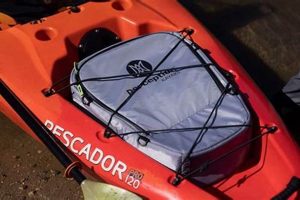
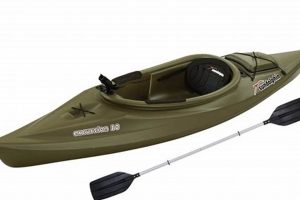
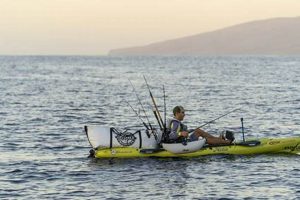
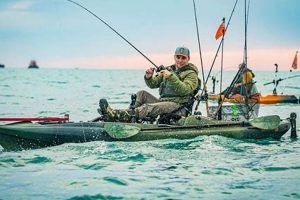
Companies specializing in the design, production, and distribution of kayaks specifically outfitted for angling represent a distinct segment of the broader paddlesports industry. These specialized watercraft often incorporate features like rod holders, tackle storage, and enhanced stability to cater to the needs of anglers. For example, a company might produce a sit-on-top kayak with integrated fish finders and adjustable footrests, designed for maneuvering in shallow waters.
The availability of specialized kayaks benefits both fishing enthusiasts and the wider economy. Enhanced designs contribute to improved angler safety and efficiency, allowing for more productive and enjoyable fishing experiences. Historically, fishing from kayaks relied on adapting general-purpose vessels. The emergence of dedicated manufacturers has led to innovations in design, materials, and manufacturing processes, resulting in kayaks optimized for various fishing styles and environments. This specialization has, in turn, fostered growth within related sectors such as fishing equipment and tourism.
This article will explore various aspects of the specialized kayak sector, including key players in the market, emerging trends in design and technology, and the impact of these specialized vessels on the sport of fishing.
Tips for Selecting a Fishing Kayak
Choosing the right fishing kayak requires careful consideration of various factors, from individual needs and preferences to specific fishing styles and environmental conditions. The following tips provide guidance for making an informed decision.
Tip 1: Consider Hull Design: Kayak hull designs significantly impact stability and maneuverability. A wider, flatter hull offers greater stability, ideal for calmer waters and stand-up fishing. A longer, narrower hull provides better tracking and speed, suited for covering larger distances and paddling in currents.
Tip 2: Evaluate Propulsion Systems: Paddle kayaks offer excellent exercise and precise control. Pedal-driven kayaks allow hands-free fishing and faster speeds, advantageous for trolling or covering long distances. Motorized kayaks provide the greatest speed and range but require battery maintenance and may be restricted in certain areas.
Tip 3: Assess Storage Capacity: Ample storage is essential for carrying fishing gear, safety equipment, and personal belongings. Consider the size and type of storage compartments, including dry hatches, tank wells, and rod holders.
Tip 4: Choose Appropriate Seating: Kayak seating affects comfort and stability. Adjustable seating allows for customization and can accommodate different fishing styles. Elevated seating provides better visibility and reduces fatigue.
Tip 5: Factor in Weight Capacity: The kayak’s weight capacity should accommodate the angler’s weight, fishing gear, and any additional equipment. Exceeding the weight capacity can compromise stability and performance.
Tip 6: Prioritize Safety Features: Essential safety features include reflective elements for visibility, multiple grab handles for re-entry, and a secure leash for paddles and other equipment.
Tip 7: Set a Budget: Fishing kayaks range in price depending on features, materials, and brand. Establish a budget early in the selection process to narrow down options.
By carefully considering these factors, anglers can select a kayak that optimizes their fishing experience, ensuring safety, comfort, and efficiency on the water.
These tips provide a starting point for navigating the diverse market of fishing kayaks. Further research and, ideally, hands-on experience with different models are recommended before making a final purchase.
1. Design & Innovation

Design and innovation serve as crucial drivers within the fishing kayak manufacturing sector. The ability to develop kayaks that meet evolving angler needs while incorporating advancements in materials and technology directly influences market competitiveness and consumer satisfaction. This constant evolution necessitates a focus on several key facets.
- Hull Design & Stability:
Hull design directly impacts a kayak’s performance characteristics, influencing stability, speed, and maneuverability. Innovations in hull design, such as multi-chine hulls and displacement hulls, cater to specific fishing styles and water conditions. For example, a shallow-water angler benefits from a stable, flat-bottomed hull, while an open-water angler prioritizes a hull designed for speed and tracking. These specialized designs demonstrate the ongoing interplay between angler needs and manufacturer innovation.
- Integration of Technology:
Integrating technology enhances the fishing experience and improves angler efficiency. Examples include built-in fish finders, GPS systems, and advanced sonar technology. Furthermore, advancements in battery technology and electric motor integration are expanding the capabilities of motorized kayaks, offering increased range and power. These technological advancements illustrate the continuous drive for improved functionality and performance.
- Ergonomics & Comfort:
Ergonomics play a vital role in angler comfort and endurance. Adjustable seating systems, footrests, and strategically placed rod holders contribute to a more comfortable and efficient fishing experience. Innovations in seating materials and designs prioritize breathability, support, and adjustability, reducing fatigue and enhancing overall enjoyment. This focus on ergonomics highlights the industry’s recognition of the importance of user comfort and well-being.
- Material Advancements:
Material science contributes significantly to kayak durability, weight, and performance. The use of lightweight, high-strength materials like polyethylene, fiberglass, and carbon fiber allows for the construction of robust yet easily transportable kayaks. Furthermore, advancements in rotomolding and other manufacturing processes improve production efficiency and product quality. These material innovations demonstrate the ongoing pursuit of lighter, stronger, and more durable kayaks.
These interconnected facets of design and innovation underscore the dynamic nature of the fishing kayak manufacturing industry. The ongoing pursuit of improved performance, enhanced functionality, and increased user comfort drives continuous development and shapes the future of fishing kayaks.
2. Manufacturing Processes

Manufacturing processes employed by fishing kayak producers directly influence product quality, durability, and cost-effectiveness. These processes encompass a range of techniques, each with its own implications for the final product. Rotational molding, a common method for producing polyethylene kayaks, offers advantages in terms of consistent wall thickness and complex shape formation. However, it can be a slower process compared to thermoforming, which utilizes heated plastic sheets molded over a mold. Thermoforming allows for faster production cycles but may present challenges in achieving uniform thickness, particularly in complex shapes. The choice of manufacturing process reflects a balance between production efficiency, cost considerations, and desired product characteristics. For instance, a manufacturer prioritizing affordability and high-volume production might opt for rotational molding, while a company focused on high-performance kayaks with intricate designs might choose thermoforming or other specialized techniques.
Beyond the primary construction methods, ancillary processes contribute to the overall quality and functionality of fishing kayaks. These include the integration of inserts and fittings for accessories, the application of UV-resistant coatings for enhanced durability, and rigorous quality control measures throughout the production cycle. For example, precisely positioned inserts are crucial for ensuring the secure mounting of rod holders and other fishing-specific accessories. Similarly, UV-resistant coatings protect the kayak from sun damage, prolonging its lifespan. These seemingly minor details underscore the importance of meticulous manufacturing processes in delivering a high-quality finished product. Manufacturers prioritizing premium quality often invest in advanced technologies and stringent quality control protocols to ensure consistent performance and customer satisfaction.
Understanding the intricacies of manufacturing processes provides valuable insights into the fishing kayak market. The chosen manufacturing method impacts not only the final product’s characteristics but also the manufacturer’s ability to respond to market demands and maintain competitive pricing. By analyzing these processes, consumers gain a deeper understanding of the factors influencing kayak quality, durability, and overall value. Moreover, this knowledge empowers informed purchasing decisions aligned with individual needs and budgetary considerations. The continuous evolution of manufacturing technologies and techniques further underscores the dynamic nature of this industry, prompting manufacturers to adapt and innovate to meet the evolving demands of the angling community.
3. Materials & Technology

Material selection and technological integration represent crucial aspects of fishing kayak manufacturing, directly impacting performance, durability, and overall user experience. The choice of materials influences weight, strength, and resistance to environmental factors like UV radiation and saltwater corrosion. For instance, high-density polyethylene (HDPE) offers a balance of affordability and durability, making it a common choice for recreational fishing kayaks. Higher-end models may utilize lighter and stronger materials like fiberglass or carbon fiber, enhancing performance and responsiveness but often at a higher price point. Thermoforming and rotational molding, distinct manufacturing technologies, influence the final product’s structural integrity and complexity of design. Rotational molding allows for consistent wall thickness and intricate hull shapes, while thermoforming facilitates faster production cycles and the incorporation of detailed features. These choices underscore the interplay between material properties and manufacturing technologies in achieving desired kayak characteristics.
Technological advancements further shape the functionality and capabilities of fishing kayaks. Integration of fish finders, GPS systems, and electric motors enhances angling efficiency and expands the range of fishing environments accessible by kayak. Advancements in battery technology and motor design improve propulsion systems’ efficiency and power, enabling longer trips and easier navigation against currents or wind. Furthermore, the incorporation of smart technology, such as integrated navigation and communication systems, adds another layer of sophistication, connecting anglers with real-time information and enhancing safety on the water. These technological integrations exemplify the continuous evolution of fishing kayaks, driven by a demand for enhanced performance and user experience.
Understanding the relationship between materials, technology, and manufacturing processes provides valuable insight into the fishing kayak market. The selection of materials and manufacturing techniques dictates a kayak’s performance characteristics, durability, and price point. Technological advancements enhance functionality and user experience, catering to specific angling needs and preferences. This knowledge equips consumers with the information necessary to make informed purchasing decisions, selecting kayaks that align with their fishing style, budget, and desired level of technological integration. Furthermore, recognizing the dynamic nature of materials science and technological innovation allows for anticipating future trends and appreciating the continuous evolution of fishing kayak design and manufacturing.
4. Distribution & Retail

Effective distribution and retail strategies are essential for connecting fishing kayak manufacturers with their target audience. The process of bringing a finished kayak from the factory floor to the angler’s hands involves a complex network of partnerships, logistics, and marketing efforts. Understanding this network provides valuable insights into market dynamics and consumer access.
- Direct Sales Channels:
Some manufacturers opt for direct sales through their own retail stores or online platforms. This approach allows for greater control over branding, pricing, and customer interaction. It also provides valuable customer feedback directly to the manufacturer, enabling adjustments to product development and marketing strategies. For instance, a manufacturer specializing in high-end fishing kayaks might choose direct sales to maintain a premium brand image and cultivate direct relationships with their customer base.
- Independent Dealerships:
Many manufacturers rely on networks of independent dealerships to reach a broader audience. Dealerships offer local expertise, product demonstrations, and convenient access for customers. This localized approach builds community engagement and trust. An example would be a manufacturer partnering with regional sporting goods stores to leverage their established customer base and local market knowledge. This strategy allows the manufacturer to expand its reach without the investment required for establishing its own retail network.
- Online Retailers & Marketplaces:
The growth of e-commerce has significantly impacted kayak distribution. Online retailers and marketplaces offer manufacturers access to a global customer base and streamlined logistics. This online presence expands market reach and caters to consumers who prefer the convenience of online shopping. However, it also introduces challenges in terms of product presentation, customer service, and competition from other brands. A manufacturer utilizing online marketplaces might implement strategies like virtual product demonstrations and enhanced customer support to address these challenges.
- Strategic Partnerships & Cross-Promotion:
Manufacturers often engage in strategic partnerships with related businesses, such as fishing outfitters and tour operators, to expand their reach and target specific customer segments. Cross-promotional activities, such as joint marketing campaigns and bundled product offerings, leverage the strengths of each partner to reach a wider audience. A manufacturer might partner with a fishing guide service to offer package deals that include kayak rentals or purchases, benefiting both businesses and providing customers with a comprehensive fishing experience.
These facets of distribution and retail demonstrate the complexity of connecting fishing kayak manufacturers with their end users. The chosen strategies significantly influence market penetration, brand perception, and ultimately, sales success. By analyzing these networks and partnerships, one gains a deeper understanding of the dynamics within the fishing kayak market and how manufacturers strive to reach and engage their target audiences. Effective distribution and retail strategies are essential for sustainable growth and long-term success in this competitive industry.
5. Marketing & Branding

Marketing and branding strategies are essential for fishing kayak manufacturers to establish brand identity, differentiate their products, and ultimately drive sales in a competitive market. Effective marketing communicates product value, builds brand loyalty, and connects with target audiences. Understanding these strategies provides insights into how manufacturers position themselves within the market and influence consumer perception.
- Target Audience Identification:
Identifying the target audience is fundamental to effective marketing. Understanding the specific needs, preferences, and motivations of different angler segments allows manufacturers to tailor their messaging and product development accordingly. For example, a manufacturer specializing in kayaks for recreational anglers might emphasize stability and comfort in their marketing, while a brand targeting tournament anglers might focus on speed and performance. Precise audience segmentation enables targeted campaigns that resonate with specific consumer groups.
- Branding & Brand Identity:
Creating a strong brand identity differentiates a manufacturer within the market. A well-defined brand communicates values, builds trust, and fosters customer loyalty. This involves consistent messaging, visual elements, and a clear brand voice across all marketing channels. A manufacturer focusing on eco-conscious anglers might emphasize sustainable manufacturing practices and environmentally friendly materials as part of their brand identity. This resonates with the target audience and positions the brand as a responsible choice.
- Multi-Channel Marketing Strategies:
Utilizing multiple marketing channels expands reach and engages diverse customer segments. This might include online advertising, social media engagement, content marketing, sponsorships, and participation in industry events. A manufacturer might sponsor a fishing tournament to increase brand visibility among competitive anglers while simultaneously running online advertisements targeting recreational kayakers. This multi-channel approach maximizes exposure and caters to diverse audiences.
- Content Marketing & Storytelling:
Engaging content marketing strategies build brand authority and connect with audiences on a deeper level. Creating valuable content, such as blog posts, videos, and educational resources, positions the manufacturer as a knowledgeable resource and fosters trust. A manufacturer might create videos showcasing the features and benefits of their kayaks in various fishing scenarios, demonstrating their practical application and appealing to potential customers. This content-driven approach builds brand credibility and fosters customer engagement.
These interconnected facets of marketing and branding demonstrate how fishing kayak manufacturers build brand awareness, connect with target audiences, and ultimately drive sales. Effective marketing strategies consider the nuances of the target market, establish a clear brand identity, and utilize diverse channels to reach potential customers. By analyzing these strategies, one gains a deeper understanding of the competitive landscape and how manufacturers position themselves within the market to attract and retain customers. The ongoing evolution of marketing techniques and digital platforms underscores the importance of adaptability and innovation in maintaining a strong brand presence and achieving sustained success in the fishing kayak industry.
6. Customer Service & Support

Customer service and support play a critical role in the fishing kayak industry, significantly impacting brand reputation, customer loyalty, and long-term success. Effective customer service builds trust, fosters positive relationships, and differentiates manufacturers in a competitive market. It encompasses a range of interactions and services that contribute to the overall customer experience, from pre-purchase inquiries to post-sale assistance. This focus on customer satisfaction is essential for building a strong brand reputation and driving repeat business.
- Pre-Purchase Guidance & Product Information:
Providing comprehensive product information and readily available assistance during the pre-purchase phase empowers potential customers to make informed decisions. This includes detailed product specifications, online resources, responsive customer service representatives, and knowledgeable sales staff at dealerships. A readily accessible knowledge base with FAQs and product comparison charts exemplifies this commitment to customer education. Clear and accessible information builds confidence and fosters trust in the brand.
- Warranty & Repair Services:
A robust warranty program and efficient repair services are crucial for addressing potential product issues and ensuring customer satisfaction. Offering timely repairs, readily available replacement parts, and clear communication throughout the repair process demonstrates a commitment to product quality and customer support. A manufacturer providing expedited warranty service for registered owners exemplifies this dedication to customer care. Efficient and reliable repair services build confidence and minimize disruption to the customer’s fishing experience.
- Post-Sale Support & Technical Assistance:
Ongoing support and technical assistance beyond the initial purchase build customer loyalty and enhance the overall ownership experience. This can include online tutorials, troubleshooting guides, and readily accessible customer service channels for addressing technical questions or concerns. A manufacturer offering online video tutorials demonstrating kayak maintenance and repair exemplifies this commitment to ongoing customer support. Accessible and helpful resources empower customers and foster a sense of community.
- Community Building & Engagement:
Creating opportunities for community building and engagement fosters a sense of belonging among kayak anglers. This can involve organizing fishing events, sponsoring local clubs, or establishing online forums for sharing tips and experiences. A manufacturer sponsoring a local fishing tournament and creating an online forum for kayak anglers demonstrates this commitment to community building. These initiatives foster brand loyalty and create a positive association with the manufacturer.
These interconnected facets of customer service and support illustrate how fishing kayak manufacturers cultivate positive relationships with their customers. Effective customer service goes beyond addressing immediate needs; it builds trust, fosters loyalty, and contributes significantly to the long-term success of a brand. By prioritizing customer satisfaction, manufacturers differentiate themselves within the market and establish a reputation for quality and reliability. This customer-centric approach is essential for sustainable growth and building a thriving community of kayak anglers.
Frequently Asked Questions
This section addresses common inquiries regarding fishing kayaks, providing concise and informative responses to assist consumers in making informed decisions.
Question 1: What are the primary advantages of a fishing-specific kayak over a recreational kayak?
Fishing kayaks offer specialized features such as rod holders, tackle storage, and enhanced stability designed specifically for angling. These features improve angler efficiency, comfort, and overall fishing experience.
Question 2: How does hull design impact kayak performance for fishing?
Hull design significantly influences stability, maneuverability, and tracking. Wider, flatter hulls offer greater stability for calmer waters and stand-up fishing, while longer, narrower hulls provide better speed and tracking for open water or currents.
Question 3: What are the different propulsion options available for fishing kayaks?
Common propulsion options include paddle, pedal, and motor. Paddle kayaks offer excellent exercise and control, pedal kayaks provide hands-free fishing, and motorized kayaks offer greater speed and range.
Question 4: What safety considerations are essential for kayak fishing?
Essential safety considerations include wearing a personal flotation device (PFD), carrying a whistle or other signaling device, informing someone of your fishing plans, and being aware of weather conditions and water hazards.
Question 5: How does one choose the appropriate kayak weight capacity for fishing?
Kayak weight capacity should accommodate the combined weight of the angler, fishing gear, and any additional equipment. Exceeding the weight capacity can compromise stability and performance.
Question 6: What maintenance is required for a fishing kayak?
Regular maintenance includes rinsing the kayak with fresh water after each use, storing it out of direct sunlight, and inspecting it for any damage or wear. Proper maintenance prolongs the kayak’s lifespan and ensures optimal performance.
This FAQ section provides a general overview of common inquiries. Consulting with experienced kayak anglers or specialized retailers can offer further personalized guidance tailored to individual needs and fishing styles.
The subsequent sections will delve deeper into specific aspects of fishing kayak selection, customization, and maintenance.
Conclusion
This exploration of the fishing kayak manufacturing landscape has highlighted the multifaceted nature of the industry. From design innovation and material selection to manufacturing processes and distribution networks, each element contributes to the final product and its accessibility to anglers. The integration of technology, coupled with a focus on ergonomics and customer service, further shapes the user experience and fosters brand loyalty. Understanding these interconnected aspects provides valuable insights for both consumers and industry stakeholders.
The continuous evolution of design, materials, and technology within the fishing kayak sector promises further advancements in performance, functionality, and user experience. This ongoing development presents opportunities for manufacturers to innovate and cater to the evolving needs of anglers, driving continued growth and shaping the future of kayak fishing. The careful consideration of these elements empowers informed decision-making and contributes to a more enriching and sustainable angling experience.