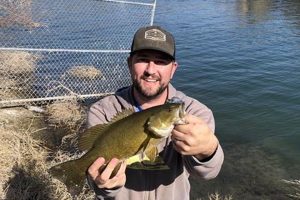
An expert in angling from small, human-powered vessels provides instruction and support for this specialized activity. This often includes knowledge of suitable locations, effective techniques for various fish species, and safe navigation practices in diverse water conditions. An example would be a professional who leads groups on fishing excursions in coastal estuaries, offering tips on tackle, bait, and reading the water.
Expertise in this niche activity enhances safety and success for anglers. Knowledge of local regulations, water conditions, and species-specific techniques contributes significantly to a positive experience. Historically, the practice evolved from traditional fishing methods adapted for maneuverability and access to shallow or otherwise challenging waters. This evolution has led to increased popularity and specialization within recreational angling.
The following sections will explore various aspects of this specialized pursuit, including selecting appropriate equipment, identifying productive fishing grounds, and mastering essential techniques for a successful and enjoyable outing.
Tips for Kayak Fishing
Successful kayak angling requires careful planning and execution. The following tips offer valuable insights for a safe and productive experience.
Tip 1: Stability is paramount. Choose a kayak designed for stability, especially in challenging conditions. Wider hulls generally offer greater stability than narrower designs. Consider a sit-on-top kayak for easier re-entry after an accidental capsize.
Tip 2: Plan fishing locations carefully. Research potential fishing spots beforehand, considering factors like water depth, currents, and accessibility. Consult local resources for information on fish species and regulations.
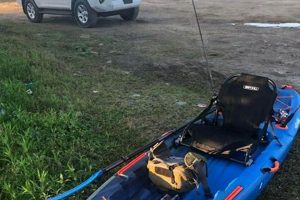
Tip 3: Organize and secure equipment. Utilize specialized kayak storage solutions to keep essential gear within easy reach while maintaining a clutter-free and balanced vessel. Secure rods and tackle to prevent loss in case of capsizing.
Tip 4: Prioritize safety equipment. Always wear a personal flotation device and carry essential safety gear, including a whistle, signaling device, and first-aid kit. Inform someone of your fishing plans, including your intended location and return time.
Tip 5: Master paddling techniques. Efficient paddling conserves energy and allows for precise maneuvering in various water conditions. Practice basic paddling strokes and learn how to adjust for wind and currents.
Tip 6: Choose appropriate fishing tackle. Select tackle appropriate for the target species and fishing environment. Consider using lighter lines and lures for greater sensitivity and responsiveness in a kayak setting.
Tip 7: Practice catch-and-release techniques. Proper handling and release methods minimize stress on fish populations and contribute to sustainable angling practices. Learn how to safely unhook and revive fish before returning them to the water.
By adhering to these guidelines, anglers can significantly improve their chances of a successful and enjoyable experience on the water while prioritizing safety and conservation.
Careful preparation and informed decision-making are essential for maximizing success and enjoyment in this rewarding outdoor activity. The insights offered here provide a foundation for enhancing one’s skills and appreciating the unique challenges and rewards inherent in this specialized form of angling.
1. Local Expertise

Effective guidance in kayak angling hinges significantly on possessing intimate knowledge of the local environment. This expertise elevates not only the success rate of fishing expeditions but also contributes substantially to angler safety. A deep understanding of local nuances distinguishes a truly effective guide.
- Navigational Proficiency
Navigational proficiency encompasses more than basic paddling skills. It includes a thorough understanding of local currents, tides, potential hazards like submerged rocks or shallows, and optimal routes to productive fishing grounds. A guide familiar with these nuances can safely navigate challenging waters, maximizing fishing time and minimizing risks. For example, a guide might leverage knowledge of tidal flows to position anglers for optimal ambush points near underwater structures.
- Species-Specific Knowledge
Understanding the behavior, feeding habits, and preferred habitats of local fish species is crucial for successful angling. Local expertise extends beyond general fishing knowledge to encompass the specific nuances of the local fishery. This might involve understanding the seasonal migration patterns of certain species or knowing the preferred bait and tackle for targeting specific fish in a particular location. For example, a guide might advise on using specific fly patterns that mimic local insect hatches.
- Regulatory Awareness
Adherence to local fishing regulations, including licensing requirements, catch limits, and protected species, is paramount. A guide possessing up-to-date knowledge of these regulations ensures anglers remain compliant, promoting ethical and sustainable fishing practices. This knowledge might include specific area closures, gear restrictions, or seasonal limitations on certain species. A guide’s awareness safeguards both the angler and the local ecosystem.
- Weather Pattern Recognition
Local weather patterns can change rapidly, impacting both safety and fishing conditions. A guide experienced in interpreting local weather signs can anticipate changing conditions and make informed decisions about fishing locations and trip duration. This might involve recognizing signs of an approaching storm or understanding how wind direction affects fish behavior. This proactive approach safeguards anglers and optimizes fishing opportunities.
These facets of local expertise collectively contribute to a more rewarding and safer kayak fishing experience. A guide’s intimate knowledge of the local environment empowers anglers to focus on the enjoyment of the sport, confident in the guidance provided.
2. Safety Practices

A crucial aspect of effective kayak fishing guidance revolves around prioritizing and implementing comprehensive safety practices. A responsible approach to safety ensures enjoyable and incident-free excursions, fostering confidence and promoting responsible angling.
- Pre-Trip Planning
Thorough pre-trip planning forms the foundation of safe kayak fishing excursions. This includes checking weather forecasts, informing someone of the trip plan (including location and expected return time), and understanding local water conditions, such as tides and currents. A guides role in pre-trip planning is crucial, ensuring all participants are aware of potential hazards and equipped for a safe experience. For example, a guide might advise on appropriate clothing based on the weather forecast or recommend specific safety gear based on the planned location.
- Essential Safety Equipment
Carrying essential safety equipment is non-negotiable. This includes wearing a properly fitted personal flotation device (PFD), carrying a whistle or other signaling device, having a first-aid kit readily available, and ensuring the kayak is equipped with appropriate navigation lights if fishing during low-light conditions. A guide emphasizes the importance of this equipment and ensures its proper use and functionality. For example, a guide might demonstrate the proper way to activate a distress beacon.
- On-Water Safety Procedures
Adhering to established on-water safety procedures significantly reduces risks. This includes maintaining a safe distance from other vessels, avoiding navigation in hazardous areas, and practicing proper paddling techniques to minimize the risk of capsizing. A guide reinforces these procedures, providing clear instructions and demonstrating best practices. For example, a guide might explain how to maintain balance and stability while casting and reeling in a fish.
- Emergency Preparedness
Being prepared for potential emergencies is paramount. This includes knowing how to perform self-rescue techniques in case of capsizing, understanding basic first-aid procedures for common injuries, and having a communication plan in case of unexpected events. A guide’s training and experience in emergency procedures provide a critical safety net for anglers. For example, a guide might demonstrate how to re-enter a kayak after a capsize or how to administer first aid for a hook injury.
These safety practices, when consistently implemented under the guidance of a knowledgeable professional, significantly mitigate risks associated with kayak fishing, enabling participants to focus on the enjoyment and rewards of the experience. A guide’s emphasis on safety fosters a culture of responsible angling, enhancing the overall experience and promoting long-term enjoyment of the sport.
3. Equipment Selection
Appropriate equipment selection significantly impacts the safety and success of kayak fishing excursions. A knowledgeable guide plays a crucial role in advising on suitable gear, ensuring anglers are well-equipped for the specific challenges and opportunities presented by the chosen fishing environment.
- Kayak Choice
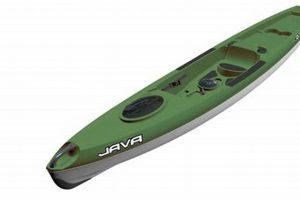
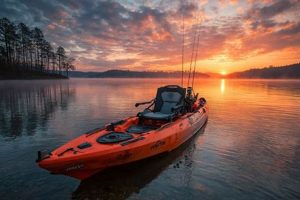
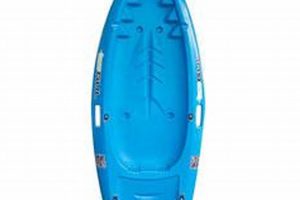
Kayak selection hinges on several factors, including the intended fishing environment (calm lakes vs. open ocean), angler experience level, and desired features. Guides often recommend specific kayak types based on stability, maneuverability, and storage capacity. For example, a sit-on-top kayak might be recommended for beginners due to its ease of re-entry after a capsize, while a longer, more streamlined kayak might be suitable for experienced anglers seeking speed and efficiency in covering larger distances. The guide’s expertise ensures anglers choose a kayak appropriate for their individual needs and the specific fishing environment.
- Paddle Selection
Paddle choice influences paddling efficiency and comfort. Guides often advise on paddle length, blade shape, and material construction based on angler height, paddling style, and intended use. A longer paddle with a wider blade might be recommended for open water paddling, while a shorter paddle with a narrower blade might be more suitable for maneuvering in tight spaces. The guide’s recommendations ensure anglers have a paddle that maximizes efficiency and minimizes fatigue.
- Fishing Tackle and Gear
Appropriate fishing tackle selection depends on the target species, fishing techniques employed, and local regulations. Guides offer valuable insights into suitable rod and reel combinations, line weight, lure selection, and other essential gear. For example, a guide might recommend specific fly patterns for targeting trout in a mountain stream or heavier tackle for offshore fishing. Their expertise optimizes angler preparedness and increases the likelihood of success.
- Safety and Navigation Equipment
Prioritizing safety equipment is paramount. Guides emphasize the importance of personal flotation devices (PFDs), signaling devices (whistles, mirrors, or flares), navigation lights, and first-aid kits. They also advise on appropriate storage solutions for these items, ensuring accessibility in case of emergencies. A guide’s emphasis on safety ensures anglers are prepared for unforeseen circumstances and promotes responsible angling practices.
A guide’s expertise in equipment selection streamlines the decision-making process for anglers, ensuring they have the appropriate gear for a safe, comfortable, and successful kayak fishing experience. This personalized guidance contributes significantly to angler confidence and enhances the overall enjoyment of the sport. The correct equipment, chosen with expert guidance, empowers anglers to focus on the thrill of the catch, knowing they are well-prepared for the challenges and opportunities that await on the water.
4. Technique Instruction

Effective technique instruction forms a cornerstone of successful kayak fishing guidance. A skilled guide provides practical instruction that elevates angler performance and contributes significantly to a rewarding experience. This instruction bridges the gap between theoretical knowledge and practical application, empowering anglers to confidently employ effective techniques on the water. The connection between technique instruction and the role of a kayak fishing guide is inextricably linked, with the guide serving as the conduit for transferring essential skills and knowledge to the angler.
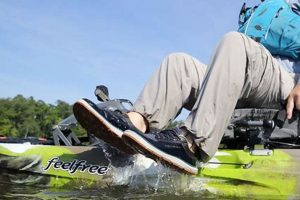
Consider the technique of casting from a kayak. Unlike casting from shore or a larger boat, kayak fishing presents unique challenges related to balance and limited space. A guide demonstrates specialized casting techniques, emphasizing the importance of body positioning, rod control, and accurate lure placement. These techniques maximize casting efficiency while minimizing the risk of capsizing. For example, a guide might instruct anglers on using a sidearm or underhand casting technique to avoid overhead obstructions and maintain balance. Similarly, instruction on paddle control enhances maneuvering precision, allowing anglers to position the kayak optimally for casting and retrieving lures. This interplay between casting and paddling techniques exemplifies the interconnected nature of effective kayak fishing instruction.
Furthermore, a guide provides instruction on fish-fighting techniques specific to the kayak environment. Managing a hooked fish from a small, relatively unstable platform requires specialized skills. A guide demonstrates proper rod handling, line management, and drag control techniques to maximize control and minimize the risk of line breakage or losing the fish. For example, a guide might instruct anglers on using the kayak’s paddle to steer and maintain position while fighting a strong fish. This integrated approach, combining fishing techniques with kayak control skills, distinguishes effective instruction in this specialized angling discipline. Mastering these techniques enhances angler success and promotes safe and responsible fish handling practices, contributing to the overall enjoyment and sustainability of the sport.
5. Sustainable Practices

A responsible kayak fishing guide prioritizes sustainable practices to minimize environmental impact and preserve fish populations for future generations. This commitment to conservation distinguishes ethical guides and contributes to the long-term health of the aquatic ecosystems they operate within. Integrating sustainable practices into guided fishing experiences ensures the activity remains enjoyable and environmentally responsible.
- Catch-and-Release Principles
Promoting catch-and-release fishing minimizes stress on fish populations and helps maintain healthy ecosystems. Guides educate clients on proper handling techniques to minimize injury to fish, including using wet hands or specialized dehooking tools. They also emphasize the importance of reviving fish properly before release, ensuring their survival. For example, a guide might demonstrate how to support a fish in the water while it recovers from the stress of being caught. This commitment to catch-and-release ensures the longevity of the fishery.
- Respect for Habitats
Minimizing disturbance to aquatic habitats is crucial for maintaining their health and productivity. Guides educate clients on avoiding sensitive areas, such as spawning grounds or nesting sites. They also emphasize the importance of retrieving lost tackle to prevent pollution and entanglement hazards for wildlife. For example, a guide might instruct clients on paddling techniques that minimize disturbance to shallow-water habitats. This respect for the environment safeguards the delicate balance of aquatic ecosystems.
- Responsible Waste Disposal
Proper waste disposal prevents pollution and protects water quality. Guides emphasize the importance of packing out all trash and fishing line, leaving no trace of their presence. They also encourage the use of biodegradable fishing line and other eco-friendly products. For example, a guide might provide reusable water bottles and encourage clients to avoid single-use plastics. This commitment to responsible waste disposal contributes to cleaner and healthier waterways.
- Educating Clients on Conservation
Guides play a vital role in educating clients about the importance of conservation. They share information about local ecosystems, fish species, and the impact of human activities on the environment. This education fosters a sense of stewardship among anglers, encouraging them to adopt sustainable fishing practices. For example, a guide might explain the role of specific fish species in the local food web or discuss the threats posed by invasive species. This educational component empowers clients to become advocates for conservation.
By embracing and promoting these sustainable practices, kayak fishing guides contribute significantly to the long-term health and viability of the sport. They demonstrate leadership in conservation, inspiring clients to adopt responsible angling practices and ensuring that future generations can enjoy the rewards of kayak fishing in healthy and thriving aquatic ecosystems. This commitment to sustainability elevates the role of the kayak fishing guide beyond simply providing a service; it transforms them into stewards of the environment and ambassadors for responsible angling.
Frequently Asked Questions
This section addresses common inquiries regarding guided kayak fishing excursions, providing clarity and promoting informed decision-making.
Question 1: What level of experience is required for a guided kayak fishing trip?
Guided trips cater to various experience levels, from beginners to seasoned anglers. Guides tailor instruction and support to individual needs, ensuring a positive experience regardless of prior kayak fishing experience.
Question 2: What equipment is typically provided by a guide?
Guides typically provide kayaks, paddles, and essential safety gear, such as personal flotation devices (PFDs). Fishing equipment, including rods, reels, and tackle, may also be provided, although some guides may recommend anglers bring their own preferred gear.
Question 3: What factors influence the cost of a guided trip?
Trip duration, location, group size, and included services influence pricing. Specialized trips targeting specific species or techniques may also affect cost.
Question 4: What safety measures are typically employed during guided excursions?
Guides prioritize safety through pre-trip briefings, adherence to established on-water safety procedures, provision of essential safety equipment, and preparedness for potential emergencies. Guides typically hold relevant safety certifications and possess experience in handling unforeseen circumstances.
Question 5: Are there any specific physical requirements for participating in a guided kayak fishing trip?
While kayak fishing requires a moderate level of physical fitness, guides can often adapt trips to accommodate individual needs. It is recommended to discuss any physical limitations or concerns with the guide prior to booking a trip.
Question 6: How does one choose a reputable and qualified kayak fishing guide?
Researching local guides, seeking recommendations from reputable sources, and verifying certifications and licenses are essential steps in selecting a qualified guide. Inquiring about experience, local knowledge, and commitment to sustainable practices provides further insights into a guide’s qualifications.
Understanding these key aspects of guided kayak fishing contributes significantly to informed decision-making and enhances the overall experience. Careful consideration of these frequently asked questions empowers individuals to choose suitable excursions and maximize enjoyment on the water.
For further information and to book a guided kayak fishing experience, please consult the resources provided below.
Conclusion
This exploration of expert-led kayak angling underscores the multifaceted nature of the activity. From essential safety practices and specialized equipment selection to the crucial role of local expertise and sustainable conservation principles, the significance of informed guidance becomes readily apparent. Effective instruction in specialized techniques, combined with a deep understanding of the local environment, contributes significantly to both angler success and the preservation of aquatic ecosystems.
The future of this specialized pursuit hinges on continued education and a commitment to responsible practices. By embracing sustainable approaches and prioritizing safety, anglers contribute to the long-term health of fisheries and ensure the continued enjoyment of this rewarding outdoor activity for generations to come. Careful consideration of the insights provided herein empowers individuals to make informed decisions, enhancing safety, maximizing enjoyment, and promoting responsible stewardship of our valuable aquatic resources.