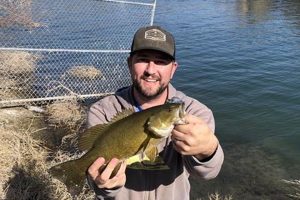
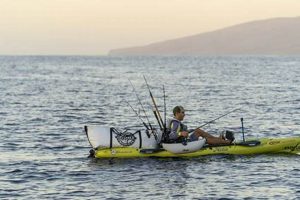
Competitive angling events in Florida often involve extended durations in human-powered vessels, challenging participants to capture and record catches within established rules and timeframes. These competitions test endurance, fishing skill, and strategic navigation across diverse aquatic environments, ranging from freshwater lakes and rivers to coastal saltwater zones. An example might involve anglers paddling specified distances, locating fish, and documenting their catches through photography or weight measurements for subsequent scoring.
Such events promote sportsmanship and conservation awareness within the angling community. They offer opportunities for skill development, camaraderie among participants, and increased understanding of Florida’s diverse ecosystems. Historically, these competitions have evolved alongside advancements in kayak design and fishing technology, reflecting a growing interest in environmentally conscious angling practices and the pursuit of challenging sporting experiences.
The following sections will explore various aspects of these competitions in more detail, including popular locations, necessary equipment, preparation strategies, and the broader impact on Florida’s recreational fishing landscape.
Tips for Competitive Kayak Angling in Florida
Success in long-duration kayak fishing competitions requires meticulous planning and execution. The following tips offer guidance for maximizing performance and ensuring a positive experience.
Tip 1: Pre-Fishing Scouting: Thoroughly research potential fishing locations before the competition. Identify productive areas, understand prevailing currents and tides, and note access points. This preparation minimizes wasted time during the event.
Tip 2: Equipment Optimization: Select a stable, efficient kayak suited to the targeted waters. Ensure essential gear, including rods, reels, tackle, and safety equipment, is in optimal condition and readily accessible.
Tip 3: Physical Conditioning: Paddling long distances requires endurance. Implement a training regimen that incorporates paddling, strength training, and stretching to ensure peak physical condition.
Tip 4: Nutrition and Hydration: Pack lightweight, high-energy foods and ample water. Maintaining proper hydration and energy levels is crucial for sustained performance throughout the event.
Tip 5: Weather Awareness: Monitor weather forecasts closely before and during the competition. Be prepared to adjust strategies based on changing conditions, and prioritize safety in inclement weather.
Tip 6: Efficient Time Management: Develop a strategic plan for navigating the competition area and allocating time effectively. Avoid lingering in unproductive locations and maximize fishing time in promising spots.
Tip 7: Rule Adherence: Thoroughly understand all competition rules and regulations. Compliance ensures fair competition and avoids penalties that could jeopardize performance.
By adhering to these guidelines, anglers can improve their competitive edge, enhance their overall experience, and promote responsible angling practices during these demanding events.
These preparation strategies contribute significantly to a successful and rewarding experience in competitive kayak angling. The following section concludes with essential considerations for ensuring safety and enjoyment on the water.
1. Endurance

Endurance forms a cornerstone of successful participation in Florida kayak fishing marathons. These competitions demand sustained physical and mental exertion over extended periods, often encompassing entire days of paddling, casting, and navigating diverse aquatic environments. Anglers must prepare strategically to meet these demands, focusing on both physical conditioning and mental resilience.
- Physical Stamina
Paddling for hours, especially against currents or wind, requires significant upper body strength and cardiovascular fitness. Training regimens incorporating paddling simulations, weight training, and aerobic exercise are crucial for building the necessary stamina. An angler who neglects physical preparation may find themselves exhausted and unable to effectively fish or navigate later in the competition.
- Mental Fortitude
Maintaining focus and motivation over prolonged periods, especially during challenging conditions or slow fishing periods, requires substantial mental resilience. Practicing mindfulness techniques, developing positive self-talk strategies, and visualizing success can enhance mental endurance. An angler’s mental state can significantly impact their ability to maintain focus and make sound decisions during the competition.
- Nutritional Strategies
Sustained physical and mental exertion necessitates consistent fueling. Consuming adequate calories and electrolytes through strategically planned meals and snacks helps prevent energy depletion and maintain performance. An angler relying solely on readily available convenience foods may experience energy crashes that compromise their ability to compete effectively.
- Adaptive Capacity
Florida’s weather can change rapidly. Anglers must adapt to shifting conditions, from intense sun and heat to sudden rain and wind. This adaptability extends to fishing strategies, requiring adjustments based on changing tides, currents, and fish behavior. An angler who rigidly adheres to a pre-determined plan without considering changing environmental factors may struggle to locate and catch fish successfully.
The interplay of these facets of endurance directly influences performance in Florida kayak fishing marathons. Strategic preparation targeting physical stamina, mental fortitude, nutritional strategies, and adaptive capacity contributes significantly to an angler’s ability to withstand the demands of these challenging competitions and achieve success on the water.
2. Strategy

Strategic planning is paramount in Florida kayak fishing marathons. Success hinges on more than just angling proficiency; it requires a comprehensive approach encompassing location selection, time management, and adaptability to changing conditions. A well-defined strategy maximizes opportunities for success while conserving energy and resources during these demanding competitions.
- Pre-Competition Planning
Thorough research and preparation before the event are crucial. This includes studying maps, identifying potential fishing hotspots, understanding prevailing currents and tides, and formulating a preliminary plan of attack. Anglers might analyze historical data, consult local fishing reports, or even conduct pre-fishing scouting trips to gain valuable insights. This pre-emptive planning minimizes wasted time and effort during the competition itself, enabling anglers to focus on execution rather than improvisation.
- Time Management
Effective time allocation is essential during the marathon. Anglers must balance travel time between locations with actual fishing time, considering factors such as distance, water conditions, and potential fish activity. Sticking to a predetermined schedule helps avoid lingering in unproductive areas and maximizes fishing time in promising spots. Adjustments based on real-time observations, such as changes in weather or fish behavior, are also crucial for optimizing time utilization.
- Adaptive Fishing Techniques
Flexibility in fishing techniques is critical. Conditions and fish behavior can change rapidly, requiring anglers to adapt their approach accordingly. This might involve switching lures, adjusting retrieval speeds, or altering fishing depths. An angler who rigidly adheres to a single technique may struggle while a more adaptable competitor can adjust their approach based on observed conditions, increasing the likelihood of success.
- Contingency Planning
Developing alternative plans for unforeseen circumstances is essential. Equipment malfunctions, sudden weather changes, or unexpected slowdowns can disrupt the best-laid plans. Having backup equipment, alternative fishing locations, or contingency strategies ensures anglers can respond effectively to unforeseen challenges without compromising their overall performance. This proactive approach minimizes the impact of unexpected events, allowing for continued progress towards competitive goals.
These strategic elements are interconnected and contribute significantly to overall performance. Effective pre-competition planning informs time management decisions, while adaptive fishing techniques and contingency planning provide flexibility to respond to dynamic conditions. A holistic strategic approach is crucial for maximizing success and achieving competitive goals in Florida kayak fishing marathons.

Proficient navigation is essential for competitive kayak fishing in Florida. Success in these marathons relies heavily on efficient movement and precise positioning within often complex aquatic environments. Effective navigation conserves energy, maximizes fishing time in productive zones, and ensures angler safety.
Navigational challenges in these events stem from several factors. Florida’s diverse waterways, ranging from shallow flats and mangrove-lined coasts to expansive lakes and rivers, present varying conditions that demand adaptability. Tidal currents, wind patterns, and submerged obstacles further complicate navigation, requiring anglers to possess strong map reading skills, compass proficiency, and an understanding of electronic navigational aids. For instance, an angler navigating a shallow saltwater flat during an outgoing tide must anticipate changing water depths and avoid becoming stranded. Similarly, navigating a large lake requires understanding wind effects on kayak drift and adjusting course accordingly. Mastery of these skills allows efficient movement between fishing locations, conserving energy crucial for prolonged competitions.
Practical application of navigational skills significantly impacts competitive performance. Anglers who can accurately and efficiently reach targeted fishing areas gain a substantial advantage. They maximize time spent fishing in productive zones, conserving energy otherwise expended on correcting course or searching for desired locations. Furthermore, proficient navigation enhances safety by enabling anglers to avoid hazards, navigate changing conditions, and reach designated checkpoints or extraction points efficiently. This strategic advantage directly translates to increased fishing opportunities and overall competitive success in Florida kayak fishing marathons.
4. Equipment

Equipment selection significantly influences performance and safety in Florida kayak fishing marathons. These competitions demand specialized gear that balances functionality, durability, and weight. Appropriate equipment enables efficient paddling, effective fishing, and comfortable endurance over extended periods, contributing directly to competitive success and overall angler well-being. Choosing inappropriate equipment can hinder performance, create safety risks, and diminish the overall experience.
- Kayak Selection
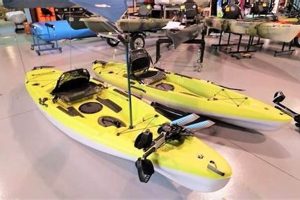
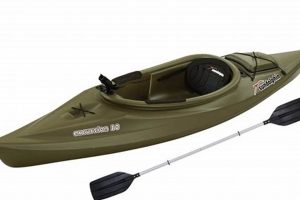
Kayak choice is paramount. Stability, speed, and storage capacity are key considerations. Longer, narrower kayaks generally offer greater speed, while shorter, wider models provide enhanced stability. Sufficient storage is crucial for carrying essential gear, including rods, tackle, safety equipment, and provisions. A sit-on-top design is often preferred for its self-bailing capability and ease of re-entry in the event of a capsize. Selecting a kayak appropriate for the anticipated water conditions and fishing style directly impacts maneuverability, speed, and overall comfort throughout the competition.
- Fishing Gear
Rods, reels, and tackle should be chosen based on target species and fishing techniques. Lightweight yet robust rods and reels are preferred for minimizing fatigue during long hours of casting. A selection of lures and terminal tackle appropriate for the expected fish species and prevailing conditions ensures anglers can adapt to changing circumstances and maximize catch potential. A well-organized tackle system facilitates quick and efficient lure changes, minimizing downtime and maximizing fishing time.
- Safety Equipment
Prioritizing safety is non-negotiable. Essential safety gear includes a personal flotation device (PFD), a whistle, a signaling device, and a first-aid kit. A VHF radio enables communication in emergencies. Navigation lights are crucial for visibility, particularly during low-light conditions or in congested waterways. Carrying appropriate safety equipment not only mitigates risk but also provides peace of mind, allowing anglers to focus on the competition without undue concern for unforeseen circumstances.
- Comfort and Efficiency Enhancements
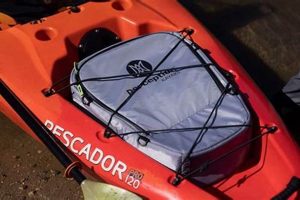
Additional equipment can enhance comfort and efficiency. A comfortable seat and back support minimize fatigue during long paddling sessions. A paddle leash prevents loss in the event of a capsize. Dry bags protect essential gear from water damage. A fish finder or GPS unit can assist with navigation and locating fish. These enhancements, while not strictly essential, can significantly improve overall comfort, efficiency, and the overall competitive experience.
The strategic selection and utilization of appropriate equipment contribute directly to competitive success in Florida kayak fishing marathons. A well-equipped angler can navigate efficiently, fish effectively, and endure the physical demands of these challenging events while prioritizing safety and maximizing their chances of a positive outcome.
5. Regulations

Regulations play a critical role in Florida kayak fishing marathons, ensuring fair competition, promoting conservation, and maintaining angler safety. These regulations, often established by governing bodies or tournament organizers, encompass various aspects of the events, including permitted fishing areas, catch limits, allowable gear, and safety requirements. Adherence to these rules is mandatory for all participants and contributes significantly to the integrity and sustainability of these competitions. For example, regulations might stipulate specific boundaries for the competition area, ensuring anglers do not encroach on protected habitats or private property. Similarly, catch limits and size restrictions help maintain healthy fish populations, supporting the long-term viability of the fishery.
Understanding and complying with regulations is crucial for successful participation. Prior to the event, anglers must familiarize themselves with all applicable rules and ensure their equipment and practices align with these standards. Failure to comply can result in penalties, disqualification, or even legal repercussions. For instance, using prohibited fishing gear, exceeding catch limits, or fishing in restricted areas can lead to disqualification from the competition. Beyond the competitive implications, adherence to regulations demonstrates a commitment to ethical angling practices and contributes to the overall health and sustainability of Florida’s aquatic ecosystems. This responsible approach benefits both the environment and the future of the sport.
Regulations provide a framework for fair and sustainable competition in Florida kayak fishing marathons. They protect fish populations, ensure angler safety, and maintain the integrity of these events. A thorough understanding and consistent adherence to these rules are essential for all participants, fostering a culture of responsible angling and contributing to the long-term health and enjoyment of Florida’s waterways.
6. Conservation

Conservation is integral to the sustainability of kayak fishing marathons in Florida. These events, by their nature, place anglers in direct contact with fragile aquatic ecosystems. Integrating conservation practices ensures the long-term health of these environments, supporting healthy fish populations and preserving the recreational opportunities they provide. A core principle involves minimizing environmental impact. Kayaks, being human-powered, offer a low-impact alternative to motorized boats, reducing noise pollution and minimizing disturbance to aquatic life. However, responsible anchoring practices are crucial in sensitive areas like seagrass beds to avoid damage. For example, utilizing appropriate anchoring techniques, such as stake-out poles or drift socks, minimizes physical disruption to these vital habitats. Furthermore, catch-and-release practices, often mandated in competition rules, promote the survival of caught fish, preserving breeding populations and maintaining the overall health of the fishery. Promoting these conservation-minded practices among participants fosters a sense of stewardship and ensures the longevity of the sport.
The emphasis on conservation within these marathons extends beyond immediate practices to broader educational initiatives. Many events incorporate educational components, promoting awareness of local ecosystems and responsible angling practices. This might involve pre-tournament briefings on local regulations, discussions of best practices for minimizing environmental impact, or even partnerships with conservation organizations. Such initiatives foster a deeper understanding of the interconnectedness between recreational fishing and environmental stewardship. For instance, educating anglers about the importance of seagrass beds as essential fish habitat can encourage responsible anchoring practices. Similarly, highlighting the impact of pollution on water quality can motivate participants to adopt more sustainable practices in their daily lives. This broader educational approach cultivates a culture of conservation within the angling community, extending the positive impact of these events beyond the competition itself.
The integration of conservation practices into kayak fishing marathons is crucial for the long-term health of Florida’s aquatic ecosystems and the sustainability of the sport. Minimizing environmental impact through responsible kayaking practices, promoting catch-and-release fishing, and incorporating educational initiatives fosters a culture of stewardship among participants. This proactive approach ensures that these events contribute not only to the enjoyment of anglers but also to the preservation of the natural resources that make them possible. Addressing challenges such as pollution, habitat loss, and invasive species requires continued collaboration between tournament organizers, anglers, and conservation organizations, ensuring that these events remain a positive force for both recreational enjoyment and environmental protection.
Frequently Asked Questions
This section addresses common inquiries regarding competitive kayak fishing marathons in Florida, providing concise and informative responses to assist both prospective participants and interested observers.
Question 1: What typical distances are covered during these marathons?
Distances vary depending on the specific event, ranging from several miles to over twenty miles in a single day. Factors influencing distance include the competition format, the targeted fishing areas, and the overall duration of the event.
Question 2: What type of kayak is best suited for these competitions?
Kayak selection depends on individual preferences and the specific water conditions. Longer kayaks generally offer greater speed, while shorter, wider models provide enhanced stability. Sit-on-top kayaks are often preferred for their self-bailing capability and ease of re-entry.
Question 3: What essential safety equipment is required?
Mandatory safety equipment typically includes a personal flotation device (PFD), a whistle, a signaling device, and a first-aid kit. A VHF radio and navigation lights are often recommended, particularly for events in open water or low-light conditions.
Question 4: How are fish catches recorded and scored during the competition?
Scoring methods vary. Common approaches include measuring fish length and assigning points based on species and size. Photographic evidence is often required for verification. Some events utilize weigh-in procedures, particularly for larger species.
Question 5: What are the typical entry fees for these competitions?
Entry fees range from relatively modest amounts to several hundred dollars, depending on the event’s scale, the prizes offered, and the associated amenities. Detailed information regarding entry fees is typically available through event organizers.
Question 6: How can one find information about upcoming kayak fishing marathons in Florida?
Information regarding upcoming events can be found through online search engines, specialized fishing forums, local kayak fishing clubs, and social media groups dedicated to competitive angling.
Understanding these key aspects contributes to a more comprehensive understanding of competitive kayak fishing marathons in Florida. Further inquiries specific to individual events should be directed to the respective tournament organizers.
The following section provides a summary of key takeaways and offers concluding thoughts on the significance of these events within the broader context of recreational fishing in Florida.
Conclusion
Competitive kayak fishing marathons in Florida represent a demanding yet rewarding pursuit within the angling community. These events showcase not only angling prowess but also physical endurance, strategic thinking, and navigational skill. Participants navigate diverse aquatic environments, adapt to changing conditions, and adhere to strict regulations while striving for competitive success. The emphasis on conservation within these competitions underscores the importance of responsible angling practices and promotes environmental stewardship among participants. From pre-fishing scouting and equipment selection to strategic navigation and adherence to regulations, success requires meticulous planning and execution.
These marathons contribute significantly to the broader landscape of recreational fishing in Florida. They foster camaraderie among anglers, promote awareness of the state’s diverse aquatic ecosystems, and encourage responsible resource management. Continued growth and evolution of these events will depend on ongoing collaboration between tournament organizers, participants, and conservation organizations. This collective effort will ensure the long-term health of Florida’s fisheries and the enduring enjoyment of competitive kayak angling for generations to come. The future of the sport relies on embracing sustainable practices, fostering a spirit of sportsmanship, and promoting a deep appreciation for the natural environment that sustains it.