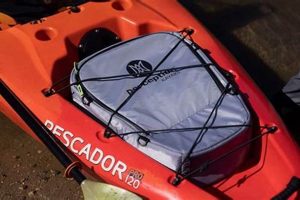
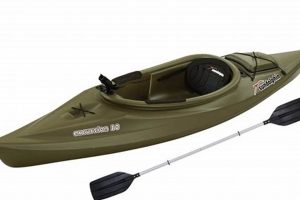
This activity involves angling from a small, human-powered watercraft within the waters surrounding Palos Verdes, California. The area, known for its diverse marine life and dramatic coastline, offers unique opportunities for anglers to target a variety of species from a close-to-the-water perspective. Launching from various points along the peninsula allows access to kelp forests, rocky reefs, and open ocean, each presenting distinct fishing challenges and rewards.
The quiet, non-motorized approach afforded by this method minimizes disturbance to the marine environment, increasing the likelihood of encountering fish. The maneuverability of these vessels grants anglers access to shallow waters and tight spaces inaccessible to larger boats, further enhancing fishing prospects. The regions historical connection to fishing, dating back to indigenous practices, provides a rich context for modern recreational pursuits. Palos Verdes thriving kelp forests serve as vital nurseries for numerous fish species, contributing to the areas popularity as a fishing destination.
The following sections will explore specific techniques, recommended equipment, ideal locations, and relevant regulations for engaging in this pursuit safely and responsibly within the Palos Verdes ecosystem.
Tips for Success
Careful planning and preparation contribute significantly to a productive and enjoyable experience on the water.
Tip 1: Check Weather and Tide Conditions: Prior to departure, consult marine forecasts for wind speed, wave height, and swell direction. Tidal currents can significantly impact fishing conditions and navigation, especially around points and kelp beds.
Tip 2: Choose Appropriate Gear: Rod and reel selection should align with target species. A variety of lures and baits appropriate for the local fish populations, including live bait, artificial lures, and jigs, should be included.
Tip 3: Prioritize Safety: A personal flotation device (PFD) is essential and should be worn at all times. Carry a whistle, signaling mirror, and VHF radio for emergencies. Inform someone of the planned fishing location and estimated return time.
Tip 4: Respect Local Regulations: Obtain necessary fishing licenses and familiarize oneself with size and catch limits for target species. Adhere to established marine protected areas and no-fishing zones.
Tip 5: Practice Proper Kayak Handling: Understand basic paddling techniques and maneuvering in various conditions. Be prepared for potential changes in wind and current. Consider taking a kayaking safety course before venturing out.
Tip 6: Employ Effective Fishing Techniques: Tailor fishing techniques to the target species and prevailing conditions. Drift fishing, trolling, and bottom fishing can all be productive methods depending on the location and species.
Tip 7: Minimize Environmental Impact: Practice catch and release whenever possible. Properly dispose of all fishing line and tackle. Avoid disturbing wildlife and sensitive habitats.
By adhering to these guidelines, anglers can maximize their chances of success while ensuring a safe and responsible experience.
With proper preparation and a respect for the marine environment, this pastime offers a rewarding way to connect with nature and enjoy the beauty of the Palos Verdes coastline.
1. Location Scouting

Effective location scouting is paramount for successful kayak fishing around Palos Verdes. Identifying productive fishing grounds, accessible launch points, and understanding prevalent conditions maximizes angling opportunities while ensuring safety and efficiency. Thorough pre-trip planning allows anglers to target specific species and optimize time on the water.
- Launch Point Accessibility
Selecting appropriate launch sites is crucial. Factors to consider include parking availability, ease of entry and exit, prevailing currents, and proximity to target fishing areas. For example, launching from a sheltered cove offers easier entry compared to a rocky shoreline exposed to swell. Choosing a location near target species minimizes transit time and maximizes fishing time.
- Habitat Identification
Understanding the distribution of key habitats such as kelp forests, rocky reefs, and sandy bottoms is essential. Different species inhabit specific environments. Targeting calico bass, for example, requires focusing on rocky structures and kelp beds where they ambush prey. Identifying these habitats on nautical charts or using online resources enhances the likelihood of encountering target species.
- Prevailing Conditions Assessment
Analyzing wind, tides, and currents is critical for both safety and fishing success. Strong winds and currents can significantly impact kayak control and drift fishing techniques. Consulting marine forecasts and tide charts before heading out helps anglers select locations sheltered from adverse conditions and optimize fishing strategies based on current flow.
- Regulations and Restrictions
Awareness of marine protected areas, no-fishing zones, and other local regulations is essential for responsible angling. Designated areas may offer refuge for specific species or protect sensitive habitats. Consulting local resources and adhering to regulations ensures sustainable fishing practices and avoids potential penalties.
By thoroughly scouting locations and considering these factors, anglers significantly increase their chances of a successful and enjoyable kayak fishing experience in the diverse waters surrounding Palos Verdes. Preparation enables strategic decision-making on the water, maximizing both safety and fishing success while minimizing environmental impact.
2. Kayak Selection

Kayak selection significantly impacts the overall experience when fishing around Palos Verdes. The diverse conditions, ranging from calm bays to open ocean swells, necessitate careful consideration of kayak characteristics. Stability, maneuverability, storage capacity, and propulsion systems all play crucial roles in ensuring a safe, efficient, and productive fishing trip. Choosing a kayak suited to the specific environment and target species enhances angler comfort, safety, and success.
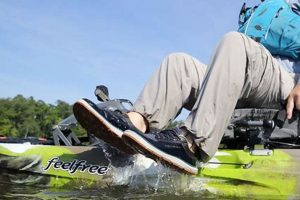
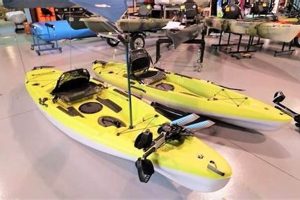
For instance, navigating the kelp forests prevalent along the Palos Verdes coastline requires a maneuverable kayak. Shorter, wider kayaks offer greater stability in choppy conditions and facilitate navigating tight spaces between kelp stands. Conversely, longer, narrower kayaks excel in open water, covering greater distances efficiently and tracking effectively in currents. A sit-on-top kayak offers advantages in warmer weather and calmer waters, allowing for easier re-entry after a potential capsize, while a sit-inside kayak provides greater protection from the elements in colder conditions. The choice between pedal-powered and paddle kayaks also depends on individual preferences, fishing style, and target species. Pedal drives offer hands-free fishing and efficient long-distance travel, while traditional paddle kayaks provide greater maneuverability in tight spaces.
Careful consideration of these factors optimizes the kayak fishing experience. A stable and maneuverable kayak enhances safety and control in varied conditions. Ample storage capacity allows anglers to carry essential gear, including tackle boxes, safety equipment, and fish handling tools. Choosing the appropriate propulsion system, whether paddle or pedal-driven, maximizes fishing efficiency and enjoyment. Ultimately, selecting the right kayak for Palos Verdes waters significantly contributes to a successful and enjoyable angling experience, allowing anglers to focus on the pursuit of their target species while ensuring comfort and safety.
3. Targeted Species
The diverse marine ecosystem surrounding Palos Verdes supports a variety of fish species, making targeted species selection a key aspect of kayak fishing. Understanding the habitat preferences, feeding behaviors, and seasonal patterns of these species enhances angling success. Choosing appropriate tackle and fishing techniques based on the target species further optimizes the fishing experience.
- Calico Bass
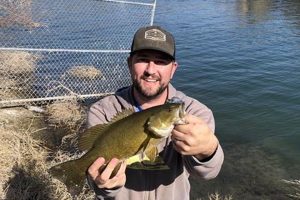
Calico bass (Paralabrax clathratus) are a popular target due to their abundance and fighting spirit. They inhabit rocky reefs and kelp forests, often found near structure. Anglers frequently employ live bait, artificial lures, and jigs to target calico bass, adapting techniques based on water depth and current. Understanding their ambush predation behavior allows anglers to strategically position their kayaks near likely hiding spots.
- White Seabass
White seabass (Atractoscion nobilis) represent a prized catch for kayak anglers. These powerful fish are often found in deeper waters and around kelp beds. Live squid and swimbaits are effective lures for white seabass. Patience and proper fish-fighting techniques are essential for landing these strong swimmers from a kayak.
- Halibut
California halibut (Paralichthys californicus) inhabit sandy bottoms and are targeted using live bait or artificial lures presented near the seabed. Kayak anglers often drift fish for halibut, allowing currents to carry their baits across likely holding areas. Understanding their camouflage and bottom-dwelling behavior requires anglers to be observant and patient.
- Yellowtail
Yellowtail (Seriola lalandi) are migratory pelagic fish that frequent the waters around Palos Verdes during certain seasons. They are often found near kelp paddies and other floating debris. Live bait, surface lures, and jigs are effective for targeting yellowtail. Their strong runs and acrobatic fights present an exciting challenge for kayak anglers.
By carefully selecting target species and adapting fishing strategies accordingly, kayak anglers in Palos Verdes can maximize their chances of a successful and rewarding experience. Understanding the nuances of each species’ behavior and preferred habitats enhances angling efficiency and enjoyment. Matching tackle and techniques to the target species contributes to both successful hookups and responsible fish handling.
4. Safety Precautions
Safety precautions are paramount for kayak fishing around Palos Verdes. The coastal environment presents inherent risks, including changing weather conditions, strong currents, and vessel traffic. Implementing comprehensive safety measures mitigates these risks, ensuring angler well-being and a positive experience. Neglecting safety protocols can lead to serious incidents, jeopardizing angler safety and potentially impacting other water users. For example, a sudden shift in wind conditions can create challenging paddling conditions, especially for less experienced kayakers. Without proper preparation and safety gear, such as a personal flotation device (PFD) and a reliable communication device, this situation could escalate into a dangerous scenario.
A crucial aspect of safe kayak fishing involves understanding and respecting local regulations. Adherence to designated fishing zones, catch limits, and marine protected areas ensures sustainable fishing practices and avoids potential penalties. Checking weather forecasts before embarking is crucial. Sudden changes in wind speed and direction can create hazardous conditions on the water. Similarly, awareness of tide changes and currents is essential for safe navigation, particularly around points and kelp beds. Carrying essential safety equipment, including a PFD, whistle, signaling mirror, and VHF radio, enhances preparedness for unforeseen circumstances. Informing someone onshore of the planned fishing location and estimated return time provides an additional layer of security. Practical knowledge of self-rescue techniques, such as re-entering a capsized kayak, further mitigates risks.
Prioritizing safety precautions contributes significantly to a positive and incident-free kayak fishing experience in Palos Verdes. Careful planning, proper equipment, and adherence to regulations enhance angler safety, protect the marine environment, and promote responsible enjoyment of the coastal waters. Understanding and mitigating potential risks through proactive safety measures ensures a sustainable and rewarding experience for all.
5. Regulation Adherence
Regulation adherence is integral to sustainable and responsible kayak fishing within the Palos Verdes ecosystem. Regulations govern various aspects of the activity, including licensing requirements, catch limits, size restrictions, and designated fishing zones. These regulations aim to protect fish populations, preserve sensitive habitats, and ensure equitable access to resources. Non-compliance undermines these objectives, potentially leading to overfishing, habitat degradation, and conflicts among resource users. For instance, exceeding catch limits for a specific species can negatively impact its population, disrupting the balance of the marine ecosystem. Ignoring designated marine protected areas disrupts sensitive habitats crucial for breeding and juvenile development.
Understanding and adhering to specific regulations applicable to Palos Verdes waters is essential. These regulations may include seasonal closures for certain species, gear restrictions, and specific area closures. The California Department of Fish and Wildlife (CDFW) provides comprehensive information on current regulations, including license requirements and species-specific regulations. Consulting the CDFW website or contacting local authorities ensures anglers possess the most up-to-date information and can comply with all applicable rules. Practical examples of regulation adherence include possessing a valid California fishing license, adhering to size and bag limits for targeted species, and respecting designated marine protected areas by avoiding fishing within their boundaries. Carrying a printed copy of relevant regulations while on the water facilitates quick reference and ensures consistent compliance.
Responsible angling practices, including strict adherence to regulations, contribute to the long-term health of the Palos Verdes marine environment. Compliance ensures sustainable fish populations, protects sensitive habitats, and promotes equitable access for all anglers. Disregarding regulations undermines these goals, jeopardizing the ecological integrity of the region and the future of kayak fishing. By prioritizing regulation adherence, anglers demonstrate a commitment to responsible resource management and contribute to the preservation of this valuable coastal ecosystem.
Frequently Asked Questions
This section addresses common inquiries regarding kayak fishing in the Palos Verdes area. Clear and concise answers provide prospective anglers with the information necessary to plan safe and successful fishing trips.
Question 1: What are the most suitable kayak launch points in Palos Verdes?
Several launch points offer access to Palos Verdes waters, each with varying conditions and accessibility. Royal Palms State Beach, Cabrillo Beach, and Inspiration Point are popular choices, offering relatively calm launch conditions. However, specific launch point suitability depends on prevailing weather and sea conditions.
Question 2: Are specific fishing licenses required for kayak fishing in Palos Verdes?
A valid California fishing license is required for individuals 16 years of age or older. One-day, two-day, and annual licenses are available for purchase online or through authorized vendors. Regulations regarding license requirements should be reviewed prior to any fishing activity.
Question 3: What species are commonly targeted by kayak anglers in Palos Verdes?
Common target species include calico bass, halibut, white seabass, and yellowtail. The specific species encountered may vary depending on season, location, and prevailing environmental conditions. Understanding the habitat preferences of target species enhances angling success.
Question 4: What safety precautions are essential for kayak fishing in this area?
Wearing a personal flotation device (PFD) is crucial. Checking weather forecasts prior to departure and informing someone of planned fishing locations and estimated return times are also essential safety measures. Carrying a VHF radio, signaling devices, and basic first-aid supplies is strongly recommended.
Question 5: Are there specific regulations regarding fishing gear and methods in Palos Verdes?
Regulations regarding fishing gear and methods exist. Restrictions may apply to specific types of fishing gear, bait, and fishing methods. Reviewing current California Department of Fish and Wildlife (CDFW) regulations ensures compliance and promotes responsible angling practices.
Question 6: What resources provide additional information on kayak fishing in Palos Verdes?
Local tackle shops, kayak rental businesses, and online forums often offer valuable insights into current fishing conditions, recommended techniques, and local regulations. Consulting these resources can enhance angler preparedness and promote successful fishing trips.
Careful planning, adherence to regulations, and a focus on safety contribute to a positive and rewarding experience. Reviewing these frequently asked questions and consulting relevant resources further enhances angler preparedness and promotes sustainable fishing practices.
For further information on exploring Palos Verdes waters, consider reviewing local nautical charts and tide tables for detailed navigational information.
Kayak Fishing Palos Verdes
This exploration of kayak fishing around Palos Verdes has highlighted key elements for a successful and rewarding experience. From pre-trip planning, including location scouting and kayak selection, to on-the-water practices such as species targeting and safety precautions, informed decision-making is paramount. Adherence to local regulations ensures the sustainability of this activity and preserves the ecological integrity of the region. Understanding the interplay of these factors contributes significantly to both angler satisfaction and the long-term health of the Palos Verdes marine environment.
The Palos Verdes coastline offers a unique and dynamic environment for kayak anglers. Continued exploration of this area necessitates a commitment to responsible angling practices, including respect for the marine ecosystem and adherence to established regulations. Through careful planning, informed decision-making, and a commitment to conservation, the future of kayak fishing in Palos Verdes can be ensured, providing ongoing opportunities for anglers to experience the beauty and bounty of this coastal treasure.