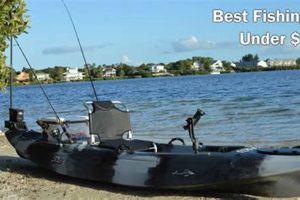
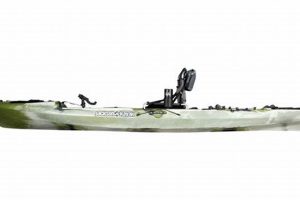
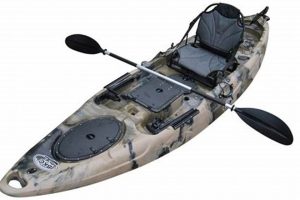
High-quality kayaks equipped with propulsion systems offer anglers distinct advantages on the water. These watercraft combine stability and maneuverability with the efficiency of electric motors or pedal drives, allowing for longer fishing trips with less physical exertion. This opens up new possibilities for reaching distant fishing spots, covering more water, and staying on top of productive areas with minimal effort.
Motorized kayaks significantly enhance the fishing experience by reducing fatigue and freeing up anglers to focus on the sport itself. This is particularly beneficial for those with physical limitations or those who simply prefer a more relaxed approach. The evolution of kayak propulsion, from early adaptations to today’s sophisticated systems, has dramatically expanded the capabilities of these vessels, making them a popular choice for serious anglers.
Considerations for choosing a suitable propelled fishing kayak include factors such as motor type and power, battery life, hull design, weight capacity, and integrated features like rod holders and fish finders. Exploring these aspects will help anglers make informed decisions tailored to their individual needs and fishing styles.
Tips for Choosing a Propelled Fishing Kayak
Selecting a suitable propelled fishing kayak requires careful consideration of various factors to ensure optimal performance and angler satisfaction.
Tip 1: Evaluate Propulsion Systems: Assess the advantages and disadvantages of electric motors versus pedal drives. Electric motors offer greater speed and range, while pedal drives provide a quieter, more environmentally friendly experience.
Tip 2: Consider Battery Life and Capacity: For electric motors, battery life is crucial. Longer fishing trips necessitate higher capacity batteries. Factor in expected run time and charging options.
Tip 3: Prioritize Stability and Hull Design: A stable hull is essential for comfortable fishing, particularly in rougher water conditions. Consider wider hulls for enhanced stability and narrower hulls for increased speed.
Tip 4: Assess Weight Capacity and Gear Storage: Ensure the kayak can accommodate the angler’s weight, along with essential fishing gear and equipment. Ample storage compartments are vital for organized gear management.
Tip 5: Examine Integrated Features: Features such as rod holders, fish finder mounts, and comfortable seating significantly enhance the fishing experience. Consider which features are essential for individual needs.
Tip 6: Research Manufacturer Reputation and Reviews: Opt for kayaks from reputable manufacturers known for quality construction and reliable performance. Consulting user reviews can provide valuable insights.
By carefully considering these factors, anglers can select a propelled fishing kayak that aligns with their specific requirements, enhancing their overall fishing experience and success.
These considerations are crucial for making an informed purchase decision, ensuring the chosen kayak contributes to successful and enjoyable fishing excursions.
1. Motor Power
Motor power represents a critical factor in determining the overall performance and suitability of a powered fishing kayak. Appropriate motor selection directly influences the vessel’s speed, range, and ability to navigate various water conditions, ultimately impacting fishing success.
- Thrust and Speed
Thrust, measured in pounds, dictates the kayak’s ability to overcome water resistance and achieve desired speeds. Higher thrust motors enable faster travel, covering more water and reaching distant fishing spots efficiently. For example, a 55 lb thrust motor provides significantly more speed than a 30 lb thrust motor, especially when contending with currents or wind. This enhanced speed translates to more time fishing and less time traveling.
- Power Consumption and Battery Life
Motor power directly correlates with battery consumption. Higher thrust motors generally draw more power, impacting battery life. Understanding this relationship is crucial for selecting an appropriate battery capacity to ensure sufficient run time for planned fishing excursions. For instance, a high-power motor may require a larger, heavier battery, potentially affecting the kayak’s overall performance and maneuverability.
- Navigating Currents and Wind
Sufficient motor power is essential for effectively navigating challenging water conditions such as strong currents or headwinds. A more powerful motor provides the necessary thrust to maintain course and position, especially in demanding environments. Consider a scenario where an angler needs to navigate against a strong tidal current; a higher thrust motor ensures the kayak can maintain its position effectively.
- Kayak Size and Weight
The kayak’s size and weight influence the required motor power. Larger, heavier kayaks require more thrust to achieve the same speed as smaller, lighter models. Matching motor power to the kayak’s specifications ensures optimal performance and efficiency. A heavier, fully-loaded fishing kayak will require a proportionally more powerful motor than a smaller, lighter recreational model.
Careful consideration of these facets of motor power allows anglers to choose a powered fishing kayak best suited to their individual needs and fishing styles. Selecting the appropriate motor ensures optimal performance, enabling anglers to maximize their time on the water and enhance their fishing success. For example, an angler fishing in large, open water with strong currents would prioritize a higher thrust motor, while an angler fishing in calm, protected waters might prioritize a lower thrust motor with longer battery life.
2. Battery Life

Battery life stands as a pivotal consideration when selecting a powered fishing kayak, directly impacting operational range and fishing time. Understanding the factors influencing battery performance is crucial for maximizing time on the water and ensuring a productive and enjoyable fishing experience. An inadequate power supply can curtail excursions, limiting access to fishing grounds and potentially compromising safety.
- Amp-Hour Rating
Amp-hour (Ah) rating signifies the battery’s capacity, indicating the amount of current it can deliver over a specific period. A higher Ah rating translates to a longer run time, allowing for extended fishing trips and exploration of distant locations. For instance, a 100 Ah battery will typically provide significantly longer run time than a 50 Ah battery under similar conditions. This extended range allows anglers to cover more water and reach otherwise inaccessible fishing spots.
- Motor Consumption
Motor power consumption directly influences battery drain rate. Higher thrust motors generally draw more current, reducing battery life. Balancing motor power with battery capacity is essential for optimizing performance and range. A powerful motor paired with an insufficient battery capacity can result in a shorter run time, potentially stranding the angler far from shore.
- Usage Patterns and Speed
Battery drain varies depending on usage patterns. Consistent high-speed operation depletes the battery faster than lower speeds or intermittent use. Adjusting speed according to fishing needs and conserving power when possible extends battery life. For example, trolling at a slow speed consumes less power than traveling at maximum speed, allowing for longer periods on the water.
- Environmental Factors
Environmental factors like temperature can affect battery performance. Extreme temperatures, both hot and cold, can reduce battery efficiency and overall lifespan. Proper battery storage and maintenance are essential for mitigating these effects. Storing batteries in a cool, dry place, and avoiding complete discharge, can help prolong their lifespan and maintain performance.
Careful evaluation of these factors ensures selection of a powered fishing kayak with appropriate battery capacity, maximizing fishing time and enhancing the overall experience. Balancing battery life with motor power and intended usage patterns allows anglers to confidently explore their chosen waters and focus on the sport of fishing, without the concern of premature power depletion. This ensures not only a more productive fishing trip but also a safer one.
3. Hull Stability

Hull stability represents a critical factor in determining the suitability of a powered fishing kayak, significantly impacting safety, comfort, and fishing effectiveness. A stable hull provides a secure platform for anglers to cast, reel, and land fish, especially in challenging conditions. Instability, conversely, can compromise safety, hinder fishing performance, and detract from the overall experience. Understanding the factors influencing hull stability is crucial for making informed decisions and selecting a kayak appropriate for individual needs and intended fishing environments.
Several factors contribute to kayak hull stability. Wider hulls generally offer greater initial stability, resisting tipping and providing a secure feeling for anglers. However, increased width can compromise maneuverability and tracking in certain conditions. Hull shape also plays a crucial role, with flatter bottoms providing enhanced initial stability while more rounded or V-shaped hulls offer superior secondary stability, recovering more easily from leaning or tilting. The kayak’s center of gravity, influenced by weight distribution and angler positioning, significantly impacts stability. A lower center of gravity enhances overall stability, while a higher center of gravity increases the risk of capsizing. Consider a kayak angler standing to cast in a narrow, high-center-of-gravity kayak versus a wider, more stable platform. The latter offers a significantly more secure and confident casting experience, especially in windy conditions or choppy water.
Selecting a powered fishing kayak with appropriate hull stability requires careful consideration of intended usage and fishing environment. Anglers fishing in calm, protected waters might prioritize maneuverability over absolute stability, opting for a slightly narrower hull. Conversely, those fishing in rougher conditions, such as open ocean or large lakes, would prioritize stability, selecting a wider, more stable platform. Furthermore, anglers intending to stand and fish require a kayak with exceptional stability, potentially incorporating features like outriggers or stabilizers. Ultimately, prioritizing hull stability contributes significantly to angler safety, comfort, and overall fishing success, ensuring a positive and productive experience on the water. This understanding empowers anglers to make informed choices tailored to their specific needs and fishing styles.
4. Storage Capacity
Ample storage capacity is a defining characteristic of a high-quality powered fishing kayak. Effective organization and accessibility of essential gear directly influence fishing efficiency and overall success. Insufficient storage can lead to cluttered decks, hindering movement and potentially compromising safety. A well-designed storage system allows anglers to focus on fishing, rather than managing gear.
- Rod Storage
Dedicated rod holders, whether flush-mounted or adjustable, secure rods during transport and while fishing. Secure storage prevents damage and keeps rods readily accessible. For instance, recessed rod holders protect rods from impacts while navigating through tight spaces, while adjustable rod holders allow for customized positioning during trolling or still fishing.
- Tackle Organization
Compartments and trays designed for tackle storage maintain organization and facilitate quick retrieval of lures, hooks, and other essential gear. Waterproof compartments protect sensitive items from moisture and damage. A well-organized tackle system maximizes fishing time by minimizing the time spent searching for specific items. Consider an angler needing a specific lure quickly in changing conditions; efficient tackle organization is crucial.
- Dry Storage for Personal Items
Watertight compartments safeguard personal items such as phones, wallets, and keys from the elements. Dry storage maintains the integrity of essential belongings, ensuring peace of mind during excursions. Protecting electronic devices and other valuables from water damage is paramount, especially in unpredictable weather conditions.
- Gear Capacity for Longer Trips
Larger storage wells or tank wells accommodate coolers, camping gear, and other equipment necessary for multi-day fishing trips. Sufficient capacity for extended excursions enhances versatility and expands fishing opportunities. Imagine embarking on a multi-day kayaking and fishing expedition; ample storage space allows for the necessary provisions and equipment.
Prioritizing storage capacity contributes significantly to a positive and productive fishing experience. Efficient storage solutions maximize available deck space, enhance safety, and allow anglers to focus on the task at hand: fishing. Consider the advantage of quickly accessing necessary gear in a critical moment, such as landing a large fish or responding to changing weather conditions. Ample and well-organized storage is indispensable for a truly “best” powered fishing kayak.
5. Added Features

Distinguishing a truly exceptional powered fishing kayak often hinges on integrated features that enhance functionality, comfort, and overall fishing effectiveness. These additions, while not always essential, can significantly elevate the angling experience, contributing to increased success and enjoyment on the water. Careful consideration of these features allows anglers to tailor their kayak selection to specific needs and fishing styles.
- Integrated Fish Finders
Modern fish finders provide crucial underwater insights, revealing depth, structure, and fish location. Transducers mounted directly to the kayak’s hull offer seamless integration, minimizing clutter and maximizing fishing efficiency. Real-time information allows anglers to target specific areas, increasing the likelihood of success. Consider an angler targeting specific underwater structures or fish species; an integrated fish finder becomes an invaluable tool.
- GPS and Navigation Systems
GPS systems integrated into the kayak’s electronics enhance navigation, particularly in unfamiliar waters or challenging conditions. Marking waypoints, tracking routes, and navigating accurately contribute to safety and efficiency. Imagine navigating through a complex network of channels or returning to a productive fishing spot in foggy conditions; GPS becomes essential.
- Advanced Seating Systems
Ergonomic seating significantly impacts long-term comfort, especially during extended fishing trips. Adjustable seating positions and supportive designs minimize fatigue, allowing anglers to focus on fishing. Consider the difference between a basic molded seat and an adjustable, high-back seat with lumbar support during a full day of fishing. Comfort directly influences focus and endurance.
- Anchor Trolleys and Deployment Systems
Efficient anchor deployment and control are crucial for maintaining position in specific fishing locations. Anchor trolleys facilitate precise anchor placement and adjustment, maximizing fishing effectiveness. Consider fishing in a current or windy conditions; precise anchor control maintains the kayak’s desired position, optimizing fishing presentation.
These added features, while not mandatory, significantly enhance the overall experience and contribute to what constitutes a “best” powered fishing kayak. By carefully evaluating these additions and aligning them with individual needs and fishing styles, anglers can select a kayak that optimizes performance, comfort, and overall fishing success. The combination of core functionality with thoughtfully integrated features elevates the fishing experience from satisfactory to exceptional.
Frequently Asked Questions
Addressing common inquiries regarding high-performance fishing kayaks equipped with propulsion systems provides clarity for informed decision-making. These responses aim to offer comprehensive insights, guiding potential purchasers toward suitable options.
Question 1: What are the primary advantages of a powered fishing kayak over a traditional paddle kayak?
Propelled kayaks offer increased range, reduced physical exertion, and enhanced maneuverability, particularly in challenging conditions such as currents or wind. This allows for access to distant fishing locations and more time fishing, less time paddling.
Question 2: What are the key differences between pedal-powered and motor-powered fishing kayaks?
Pedal-powered kayaks offer quiet, environmentally friendly operation and excellent maneuverability. Motor-powered kayaks provide greater speed and range, particularly beneficial in larger bodies of water or against strong currents. Each propulsion system presents unique advantages and disadvantages depending on individual needs and fishing styles.
Question 3: How does hull design influence stability and performance in a powered fishing kayak?
Wider hulls generally provide greater initial stability, while narrower hulls enhance speed and tracking. Hull shape also influences performance, with flatter bottoms increasing stability and V-shaped hulls improving tracking and handling in rougher water.
Question 4: What factors should be considered when evaluating the battery life of a motor-powered fishing kayak?
Battery capacity (amp-hours), motor power consumption, usage patterns, and environmental conditions all influence battery life. Higher amp-hour ratings generally provide longer run times, but motor power and speed significantly impact battery drain.
Question 5: What features should one look for in a powered fishing kayak intended for use in saltwater environments?
Saltwater kayaks benefit from corrosion-resistant hardware, robust hull construction, and sealed components to withstand the harsh marine environment. Features such as rudder systems and higher weight capacities are also beneficial.
Question 6: How does one determine the appropriate weight capacity for a powered fishing kayak?
Weight capacity should accommodate the angler’s weight, plus all gear, equipment, and potential catch. Exceeding the specified weight capacity compromises stability and performance. Selecting a kayak with ample weight capacity ensures safe and efficient operation.
Careful consideration of these frequently asked questions provides a foundation for informed decision-making when selecting a powered fishing kayak. Understanding individual needs and fishing styles is crucial for choosing the optimal vessel.
Further exploration of specific kayak models and manufacturer specifications will refine the selection process, ensuring a suitable choice for enhanced fishing experiences.
Conclusion
Optimal selection hinges on a comprehensive understanding of individual needs and intended fishing environments. Careful consideration of propulsion type, motor power, battery life, hull stability, storage capacity, and integrated features ensures alignment between kayak capabilities and angler requirements. Prioritizing these factors contributes significantly to enhanced fishing effectiveness, comfort, and overall enjoyment on the water. Informed decisions empower anglers to maximize their time on the water and pursue their passion with confidence.
The pursuit of the ideal propelled fishing kayak represents an investment in enhanced angling experiences. Thorough research and careful consideration of critical features empower anglers to acquire a vessel that serves as a reliable and effective platform for pursuing their passion. As technology continues to advance, the future of powered fishing kayaks promises even greater innovation and refinement, further enhancing the pursuit of angling excellence.