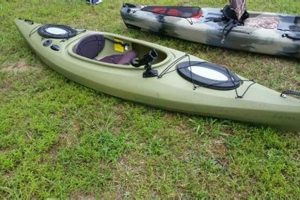
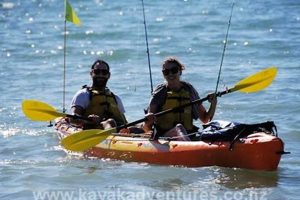
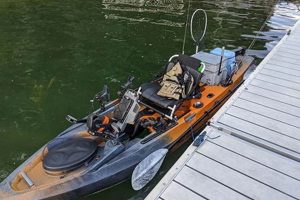
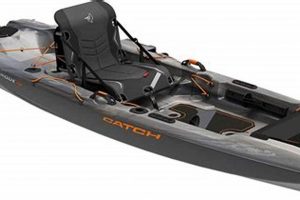
Competitive angling events from human-powered watercraft, specifically kayaks, are scheduled throughout 2025. These competitions typically involve anglers vying for prizes based on the size and quantity of fish caught within set rules and boundaries. A specific example would be a tournament focusing on a particular species, like bass, within a defined lake or river system. Anglers might be judged by the combined weight of their largest catches, often verified through photographs and measurements.
Such events contribute to the growth and development of the sport by fostering camaraderie among participants, encouraging conservation practices, and promoting respect for aquatic ecosystems. They provide a platform for both seasoned professionals and amateur enthusiasts to test their skills and learn new techniques. Historically, these competitions have evolved from smaller, local gatherings to large-scale, nationally recognized events with significant sponsorships and media coverage. This growth reflects the increasing popularity of kayak fishing as a recreational activity and a competitive sport.
The following sections will delve into specific tournament circuits planned for 2025, highlighting key locations, dates, expected participation levels, and potential rule variations. Further exploration will include discussions on qualifying procedures, prize structures, and the broader impact of these events on the sportfishing community.
Tips for Competitive Kayak Angling in 2025
Success in competitive kayak angling requires meticulous preparation and strategic execution. The following tips offer guidance for improved performance in 2025 tournaments.
Tip 1: Pre-Fish the Waters: Gaining familiarity with the tournament waters prior to the competition is crucial. This allows anglers to identify productive areas, understand fish behavior, and locate potential hazards. Detailed mapping and sonar studies can provide valuable insights into underwater structures and fish concentrations.
Tip 2: Optimize Tackle and Equipment: Selecting the right rods, reels, lines, and lures is essential for maximizing catch potential. Consider species-specific tackle and adjust selections based on pre-fishing observations. Ensuring equipment is in optimal working condition is vital to avoid malfunctions during critical moments.
Tip 3: Master Kayak Control: Efficient kayak maneuvering allows anglers to access hard-to-reach areas and maintain optimal casting positions. Practice precise paddling techniques and anchoring strategies to conserve energy and remain stealthy.
Tip 4: Develop a Tournament Strategy: A well-defined plan helps anglers utilize time effectively and adapt to changing conditions. This includes identifying target species, prioritizing fishing locations, and adjusting techniques throughout the competition.
Tip 5: Prioritize Safety: Adhering to safety regulations and carrying appropriate gear are paramount. This includes wearing a personal flotation device, carrying communication devices, and having a first-aid kit readily available. Being aware of weather conditions and potential hazards is crucial for ensuring a safe and successful tournament experience.
Tip 6: Study Tournament Rules: Familiarization with specific tournament rules and regulations is essential to avoid penalties and disqualifications. Understanding size and bag limits, permitted fishing areas, and allowed tackle can significantly impact results.
Tip 7: Maintain Ethical Practices: Respectful angling practices demonstrate sportsmanship and contribute to the long-term health of fisheries. Proper fish handling techniques, adherence to catch-and-release guidelines, and responsible waste disposal are essential components of ethical angling.
By focusing on these key areas, anglers can significantly enhance their chances of success in 2025 kayak fishing tournaments. Preparation, strategy, and a commitment to ethical practices contribute to a rewarding and competitive experience.
In conclusion, competitive kayak angling offers a unique challenge and rewarding experience for dedicated anglers. The following section will explore the projected growth and evolution of this exciting sport in the years to come.
1. Competition Schedules

Competition schedules form the backbone of organized kayak fishing tournaments in 2025. These schedules, typically released months in advance, dictate the timing and location of events, allowing anglers to plan their participation strategically. A well-structured schedule considers factors like seasonal fish behavior, weather patterns, and tidal influences to optimize fishing conditions. For instance, a bass tournament might be scheduled during the pre-spawn period when fish are actively feeding, while a redfish tournament could be planned around peak tidal movements in coastal estuaries. The availability of accurate schedules is crucial for attracting participants, coordinating logistics, and ensuring fair competition.
The importance of competition schedules extends beyond individual angler planning. Tournament organizers rely on these schedules to secure permits, arrange accommodations, and coordinate with local communities. Sponsors use the schedules to align marketing efforts and maximize brand visibility. Media outlets depend on the schedules to provide timely coverage of events. For example, a national tournament series might stagger events across different states throughout the year, allowing for broader geographic reach and media exposure. The economic impact on host communities, through tourism and related spending, is also influenced by the timing and duration of tournaments outlined in the schedules.
Effective competition scheduling requires careful consideration of multiple stakeholders. Potential conflicts with other events, conservation regulations, and local community activities must be addressed. Balancing the needs of anglers, organizers, sponsors, and host communities is essential for long-term sustainability and growth of the sport. Challenges such as unpredictable weather patterns and unforeseen circumstances can necessitate schedule adjustments, highlighting the importance of adaptability and effective communication within the competitive kayak fishing community. Ultimately, well-planned competition schedules contribute significantly to the success and overall experience of kayak fishing tournaments in 2025.
2. Target Species

Target species play a pivotal role in shaping the dynamics of kayak fishing tournaments in 2025. The chosen species influences tournament locations, angler strategies, required tackle, and overall participant demographics. Understanding the specific target species is fundamental to analyzing tournament outcomes and appreciating the diverse skill sets within competitive kayak angling.
- Species-Specific Regulations
Conservation concerns and fishery management practices often dictate specific regulations regarding target species. Size limits, bag limits, and seasonal closures influence angler strategies and tournament rules. For instance, a tournament targeting largemouth bass might impose a minimum size limit to protect younger fish, while a redfish tournament could enforce a strict one-fish-per-angler bag limit. These regulations play a crucial role in ensuring sustainable fishing practices and maintaining healthy fish populations.
- Habitat Preferences
Target species exhibit distinct habitat preferences, directly impacting tournament location selection. A tournament focusing on smallmouth bass might be held in a riverine environment with rocky substrate and clear water, whereas a flounder tournament would likely take place in shallow, brackish estuaries with sandy or muddy bottoms. Understanding these habitat preferences allows tournament organizers to choose locations that maximize fishing opportunities and ensure fair competition.
- Angling Techniques
Effective angling techniques vary significantly depending on the target species. Tournaments targeting pelagic species like tuna might involve trolling or casting large lures, while bottom-dwelling species like catfish require specialized rigs and baits. Anglers must adapt their techniques and tackle selections based on the target species to maximize their chances of success. This specialized knowledge adds complexity and nuance to competitive kayak angling.
- Economic Considerations
The economic impact of kayak fishing tournaments can be influenced by the target species. Tournaments targeting highly sought-after game fish, like marlin or tarpon, can attract significant sponsorship and media attention, boosting local economies through tourism and related spending. Conversely, tournaments focused on more common species, like panfish or catfish, might have a smaller economic footprint but still provide valuable recreational opportunities and support local communities.
The interplay between target species and tournament dynamics creates a complex ecosystem within competitive kayak angling. Understanding the biological characteristics, habitat preferences, and angling techniques associated with each target species is essential for both participants and observers of these events. Further exploration of these interrelationships provides valuable insights into the evolution and future of kayak fishing tournaments.
3. Location Variety

Location variety significantly enhances the appeal and complexity of kayak fishing tournaments in 2025. Diverse locations offer unique challenges and opportunities, attracting a broader range of participants and promoting the exploration of different aquatic ecosystems. The choice of location directly influences target species, fishing techniques, and the overall tournament experience. For instance, a tournament held in a fast-flowing river demands different skills and equipment compared to one held in a calm, shallow lake. Coastal saltwater tournaments introduce additional factors such as tides, currents, and varying salinity levels, further diversifying the competitive landscape.
This variety contributes to the growth and sustainability of competitive kayak angling. Expanding tournament locations introduces the sport to new regions, fostering local participation and economic benefits. A tournament held in a remote mountain lake, for example, might attract anglers seeking a wilderness experience, while an urban river tournament could engage a more diverse demographic. This diversification also encourages anglers to develop broader skill sets, adapting to different environments and target species. Furthermore, varying locations reduce pressure on individual fisheries, promoting conservation efforts and ensuring the long-term health of aquatic ecosystems.
Strategic location selection requires careful consideration of multiple factors. Accessibility, safety, fish populations, and local regulations all play a role in determining suitable tournament venues. Logistical challenges, such as parking, boat ramps, and accommodation availability, must also be addressed. The ability to offer a variety of locations while maintaining high standards of organization and safety is a key indicator of a successful tournament series. This complexity underscores the importance of collaboration between tournament organizers, local communities, and conservation agencies to ensure responsible and sustainable development of kayak fishing tournaments in diverse locations.
4. Rule Variations

Rule variations play a critical role in shaping the competitive landscape of kayak fishing tournaments in 2025. These variations introduce strategic depth, address conservation concerns, and cater to diverse angling styles. Understanding the nuances of these rules is essential for both participants and followers of competitive kayak fishing. Differing rulesets can significantly impact tournament outcomes and influence angler preparation strategies.
- Target Species and Size Limits
Rules regarding target species and size limits directly impact angler strategies and conservation efforts. A tournament might focus exclusively on a single species, such as largemouth bass, or allow multiple species within specific size ranges. Minimum size limits ensure the protection of younger fish and promote sustainable fishing practices. For example, a tournament might allow only bass over 14 inches to be counted, encouraging anglers to target larger, more mature fish. These rules influence tackle choices, fishing locations, and overall tournament dynamics.
- Artificial Lures Only
Some tournaments mandate the use of artificial lures only, prohibiting live bait. This rule variation promotes fair competition by standardizing tackle options and emphasizes angler skill in lure presentation and retrieval. It also reduces the potential impact on local ecosystems by preventing the introduction of non-native baitfish. This rule often leads to diverse lure selections, from topwater plugs to soft plastic baits, and encourages anglers to adapt their techniques based on prevailing conditions.
- Catch, Photo, and Release (CPR)
CPR formats prioritize fish conservation and minimize stress on fish populations. Anglers photograph their catches alongside a designated measuring device and release the fish immediately. This method relies on accurate measurements and digital image verification, requiring specialized equipment and adherence to strict protocols. CPR tournaments are becoming increasingly popular, reflecting a growing emphasis on responsible angling practices within the competitive community.
- Boundary Restrictions and Permitted Areas
Clearly defined boundaries and permitted fishing areas ensure fair competition and prevent anglers from accessing restricted or sensitive habitats. These boundaries might be defined by GPS coordinates, natural landmarks, or designated marker buoys. Tournament organizers carefully consider factors like fish distribution, accessibility, and safety when establishing boundaries. Respecting these boundaries is essential for maintaining the integrity of the tournament and minimizing environmental impact.
The interplay of these rule variations significantly influences the strategic complexity and conservation focus of kayak fishing tournaments in 2025. Analyzing these variations provides insights into the evolution of the sport and its commitment to sustainable angling practices. Furthermore, understanding these rule variations enhances spectator engagement and fosters a deeper appreciation for the skill and adaptability required in competitive kayak angling.
5. Technological Integration
Technological advancements are increasingly influencing competitive kayak fishing, impacting tournament logistics, angler strategies, and spectator engagement. Integration of technology within kayak fishing tournaments enhances accuracy, efficiency, and transparency, shaping the evolution of the sport in 2025 and beyond. These advancements provide new tools for anglers, organizers, and fans, enhancing the overall tournament experience.
- Real-Time Tracking and Monitoring
GPS tracking devices integrated with online platforms allow real-time monitoring of angler locations during tournaments. This enhances safety by enabling rapid response in emergencies and provides spectators with live updates on angler movements and fishing patterns. Furthermore, real-time tracking ensures adherence to designated boundaries and promotes fair competition. For example, tournament organizers can monitor angler distribution within permitted fishing areas and ensure compliance with established rules.
- Digital Weigh-Ins and Scoring
Digital weigh-in systems streamline the process of recording catches, reducing human error and promoting efficiency. Anglers capture images or videos of their catches alongside a standardized measuring device. These digital records are then submitted electronically for verification and score tabulation. This system minimizes handling time, reduces stress on fish, and facilitates rapid dissemination of tournament results. Moreover, digital records provide valuable data for fishery management and research.
- Sonar and Fish-Finding Technology
Advanced sonar and fish-finding technologies provide anglers with detailed underwater mapping and fish identification capabilities. These tools enhance angler efficiency by identifying productive fishing areas, pinpointing fish concentrations, and revealing underwater structures. Integration of this technology into tournament strategies enables anglers to make informed decisions about lure selection, retrieval techniques, and fishing locations. This technology enhances the competitive aspect by rewarding anglers who effectively utilize data-driven insights.
- Enhanced Communication and Data Analysis
Mobile applications and online platforms facilitate communication and data sharing among anglers, organizers, and spectators. Real-time updates on weather conditions, tournament standings, and rule clarifications streamline communication and enhance transparency. Data analysis tools provide insights into angler performance, fish distribution patterns, and overall tournament trends. This information can be used to refine tournament formats, improve angler strategies, and enhance spectator engagement.
The integration of these technologies within kayak fishing tournaments in 2025 represents a significant shift towards a more data-driven, transparent, and engaging competitive environment. These advancements not only enhance the angler experience but also contribute to the growth and sustainability of the sport by promoting safety, conservation, and informed decision-making.
6. Sponsorship Growth

Sponsorship growth plays a crucial role in the development and sustainability of kayak fishing tournaments in 2025. Increased financial support from sponsors allows for larger prize pools, enhanced media coverage, improved tournament infrastructure, and greater outreach to potential participants. This influx of capital elevates the professionalism and visibility of the sport, attracting a wider audience and fostering a more competitive environment. Examining the various facets of sponsorship growth provides insights into the evolving landscape of competitive kayak angling.
- Enhanced Prize Pools and Incentives
Increased sponsorship translates directly into larger prize pools and more attractive incentives for tournament participants. Larger cash prizes, sponsored gear packages, and travel stipends incentivize participation from top-tier anglers and elevate the overall prestige of the tournament. For example, a title sponsor might offer a new kayak and fishing gear package to the tournament winner, attracting skilled anglers and enhancing the competitive field. These enhanced rewards not only benefit individual anglers but also raise the profile of the tournament, attracting greater media attention and spectator interest.
- Elevated Media Coverage and Brand Visibility
Sponsors seek to maximize brand visibility through their association with kayak fishing tournaments. Increased sponsorship allows for broader media coverage, including live streaming, television broadcasts, and online content creation. This exposure introduces the sport to a wider audience, attracting new participants and generating greater public interest. For example, a prominent outdoor apparel brand sponsoring a tournament might leverage the event to showcase its latest fishing apparel line, reaching a targeted demographic and strengthening brand recognition within the angling community.
- Improved Tournament Infrastructure and Logistics
Sponsorship dollars contribute to improved tournament infrastructure and logistical support. This includes funding for better launch facilities, enhanced weigh-in stations, improved safety measures, and more efficient registration processes. For instance, a sponsorship from a marine electronics company might provide funding for upgrading the tournaments communication systems, ensuring seamless coordination and enhanced safety for participants. These improvements enhance the overall tournament experience for both anglers and spectators, promoting professionalism and efficiency.
- Expanded Outreach and Community Engagement
Sponsorship enables greater outreach to potential participants and fosters community engagement. Funding for marketing campaigns, social media promotion, and youth outreach programs expands the reach of the sport and cultivates a broader base of participants. A kayak manufacturer sponsoring a tournament might offer free introductory kayak fishing clinics for local youth, fostering interest in the sport and building future generations of anglers. This expanded outreach broadens participation, strengthens the angling community, and ensures the long-term sustainability of the sport.
The symbiotic relationship between sponsorship growth and the success of kayak fishing tournaments in 2025 is undeniable. Increased financial support elevates the sport’s profile, enhances the competitive landscape, and promotes broader participation. As the sport continues to gain popularity, attracting further sponsorship, the future of competitive kayak angling appears promising, poised for continued growth and innovation.
7. Conservation Efforts

Conservation efforts are integral to the long-term sustainability of kayak fishing tournaments in 2025. These tournaments, by their nature, rely on healthy fish populations and thriving aquatic ecosystems. Integrating conservation principles into tournament structures and angler practices ensures the continued viability of the sport and protects the natural resources upon which it depends. This connection manifests through various initiatives and practices, reflecting a growing awareness of environmental responsibility within the competitive angling community.
Cause-and-effect relationships between fishing pressure and ecosystem health underscore the importance of conservation within tournament frameworks. Increased fishing activity, particularly during tournaments, can potentially impact fish populations and habitats. Implementing catch-and-release practices, employing size and bag limits, and restricting access to sensitive areas mitigate these potential impacts. For example, requiring the use of circle hooks reduces injury to released fish, increasing their survival rates. Promoting the use of non-lead tackle minimizes the risk of lead poisoning in aquatic environments. Educating anglers about proper fish handling techniques further reduces stress on caught fish, contributing to conservation efforts. Several tournaments now partner with conservation organizations to conduct habitat restoration projects or implement fish stocking programs, demonstrating a proactive approach to environmental stewardship.
The practical significance of integrating conservation into kayak fishing tournaments extends beyond immediate ecological benefits. A commitment to conservation enhances the sport’s public image, attracting sponsors who prioritize environmental responsibility. This, in turn, provides additional resources for promoting conservation initiatives and expanding their reach. Furthermore, fostering a conservation ethic among tournament participants cultivates a culture of respect for natural resources, ensuring the long-term health of fisheries and the sustainability of the sport. Addressing challenges such as invasive species, habitat degradation, and pollution requires ongoing collaboration between tournament organizers, anglers, conservation agencies, and local communities. By prioritizing conservation, kayak fishing tournaments in 2025 can contribute positively to the preservation of aquatic ecosystems while ensuring the continued enjoyment of the sport for future generations.
Frequently Asked Questions about Kayak Fishing Tournaments in 2025
This section addresses common inquiries regarding competitive kayak angling in 2025, providing clarity on tournament structures, participation requirements, and related topics.
Question 1: How does one locate information on specific kayak fishing tournaments scheduled for 2025?
Tournament information is typically disseminated through online platforms specializing in kayak fishing, dedicated tournament websites, social media groups, and announcements within angling publications. Consulting local kayak fishing clubs and retailers can also provide valuable leads.
Question 2: What equipment is typically required for participation in a kayak fishing tournament?
Essential equipment includes a fishing kayak, appropriate safety gear (personal flotation device, whistle, signaling devices), fishing rods and reels, tackle suited to the target species, and a means of measuring and recording catches. Specific tournament rules may dictate additional equipment requirements.
Question 3: Are there specific skill level requirements for entering kayak fishing tournaments?
Tournaments cater to a range of skill levels, from novice to professional. Many tournaments offer separate divisions based on experience, ensuring fair competition. Reviewing specific tournament guidelines clarifies any skill-based entry requirements.
Question 4: How are tournament results typically determined and verified?
Results are determined based on the size and/or quantity of fish caught within established rules and timeframes. Verification methods often include photographic or video evidence of catches alongside a standardized measuring device. Digital weigh-in systems are becoming increasingly prevalent, enhancing accuracy and efficiency.
Question 5: What are the typical costs associated with participating in a kayak fishing tournament?
Costs vary depending on tournament entry fees, travel expenses, accommodation needs, and equipment requirements. Researching specific tournament details provides clarity on anticipated expenses.
Question 6: What conservation practices are typically implemented within kayak fishing tournaments?
Conservation practices commonly include catch-and-release protocols, adherence to size and bag limits, the use of circle hooks, and restrictions on fishing within designated sensitive areas. Many tournaments actively promote responsible angling practices and partner with conservation organizations to support habitat restoration and fish stocking initiatives.
Understanding these key aspects of kayak fishing tournaments in 2025 clarifies common queries and provides a foundation for informed participation and appreciation of the sport.
The following section will offer a glimpse into the future trends shaping the evolution of competitive kayak angling.
Kayak Fishing Tournaments 2025
Kayak fishing tournaments scheduled for 2025 represent a culmination of angler dedication, technological advancement, and evolving conservation awareness. Exploration of key aspects, including competition schedules, target species, location variety, rule variations, technological integration, sponsorship growth, and conservation efforts, reveals a dynamic and rapidly evolving sport. These elements collectively shape the competitive landscape, influencing angler strategies, tournament organization, and the overall experience for participants and spectators.
The future of competitive kayak angling hinges on continued adaptation to emerging technologies, responsible resource management, and fostering a spirit of sportsmanship. Active participation, informed viewership, and unwavering support for conservation initiatives are crucial for ensuring the long-term health and sustainability of kayak fishing tournaments beyond 2025. The trajectory of the sport relies on collective responsibility and a shared commitment to preserving the aquatic ecosystems that sustain this exciting and challenging pursuit.