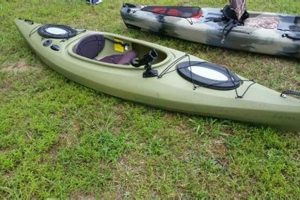
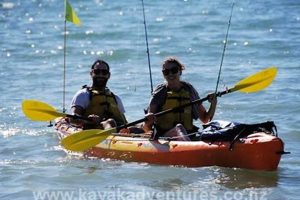
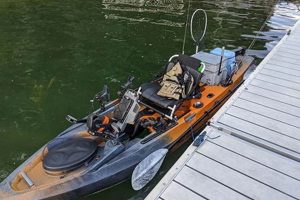
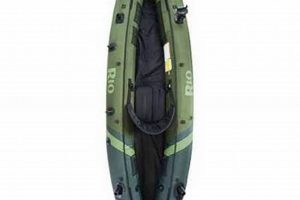
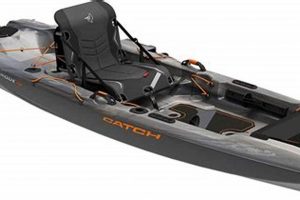
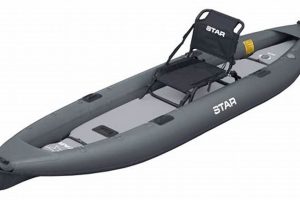
A multi-day paddling excursion on a remote Texas waterway offers anglers the opportunity to pursue a variety of warm-water species in a pristine, challenging environment. This type of adventure typically requires specialized equipment and careful planning due to the river’s rugged character and limited accessibility. Experienced paddlers often prefer lightweight, durable kayaks suited for navigating shallow water and rocky terrain. Anglers bring tackle and gear appropriate for species such as bass, catfish, and sunfish.
Such expeditions provide a unique blend of outdoor recreation, angling, and immersion in nature. The river’s relative isolation enhances the experience, offering a sense of solitude and escape. The challenging nature of the waterway can foster self-reliance and resilience. Historically, the area surrounding the river has been sparsely populated, preserving its natural beauty and ecological integrity. This makes it a desirable destination for those seeking a connection with the natural world.
Further exploration of this topic will cover essential planning considerations, recommended gear and equipment, potential challenges and safety precautions, and the conservation efforts crucial to preserving this unique ecosystem.
Tips for a Devils River Kayak Fishing Excursion
Careful preparation is essential for a successful and safe experience on this demanding river. The following tips offer valuable insights for planning and executing such a trip.
Tip 1: Obtain necessary permits and reservations well in advance. River access is controlled, and permits are often required. Securing accommodations or camping spots along the route necessitates early booking, particularly during peak seasons.
Tip 2: Pack lightweight, durable gear. The river’s remote nature requires carrying all essential supplies. Prioritize essential items and choose equipment built to withstand challenging conditions.
Tip 3: Prioritize water safety. Wear a personal flotation device at all times. River conditions can change rapidly, and swift currents, submerged rocks, and strainers present potential hazards.
Tip 4: Develop a comprehensive understanding of the river’s characteristics. Research potential hazards, including rapids, shallow areas, and portages. Familiarize oneself with river maps and flow rate information.
Tip 5: Pack appropriate fishing gear. Focus on tackle suitable for targeted species, considering the river’s environment and potential fishing techniques. Lightweight and versatile setups are recommended.
Tip 6: Practice Leave No Trace principles. Pack out all trash and minimize environmental impact. Respect the natural setting and preserve its beauty for future generations.
Tip 7: Be prepared for varied weather conditions. Texas weather can be unpredictable. Pack layers of clothing and be ready for temperature fluctuations and potential rain.
Tip 8: Consider hiring a guide. For those unfamiliar with the river, a guided trip can provide valuable insights, enhance safety, and improve the overall experience.
Adhering to these guidelines will contribute to a safe, rewarding, and environmentally responsible river adventure. Thorough planning and a respect for the river’s challenges are crucial for success.
By embracing these principles, anglers can fully appreciate the unique challenges and rewards of a Devils River kayak fishing trip.
1. Permits & Reservations

Access to the Devils River is carefully managed to protect its fragile ecosystem and ensure a quality experience for all visitors. Permits and reservations play a crucial role in regulating river usage and minimizing environmental impact. This system ensures that the number of individuals on the river at any given time remains sustainable, preventing overcrowding and preserving the natural setting. Without a permit system, unregulated access could lead to environmental degradation, user conflicts, and a diminished recreational experience. For instance, limited camping areas along the river necessitate reservations to prevent overuse and maintain the pristine quality of these sites.
The permit and reservation process typically involves applying through the managing authority, often a state or local agency. Specific dates and river sections are often designated on permits, ensuring equitable access and distribution of users. Failure to obtain the necessary permits can result in fines or denial of access. Real-life examples include instances where individuals attempting to access the river without proper authorization were turned away or cited. Understanding the permit requirements is therefore essential for a legal and successful trip. Reservations for camping or other accommodations along the river are equally important. Popular campsites often book up months in advance, especially during peak seasons. Securing these reservations well in advance is crucial for ensuring a smooth and enjoyable experience.
In summary, permits and reservations function as critical components of responsible river management. They safeguard the Devils River’s ecological integrity and contribute to a positive recreational experience. Understanding and complying with these requirements ensures legal access, minimizes environmental impact, and enhances the overall quality of a Devils River kayak fishing trip. Neglecting these crucial steps can jeopardize the entire expedition.
2. Lightweight Gear

The remote and challenging nature of a Devils River kayak fishing trip necessitates careful consideration of gear weight. Minimizing weight enhances maneuverability, reduces physical strain, and allows for efficient portages around obstacles. Choosing lightweight equipment is not merely a matter of convenience; it directly impacts safety and the overall success of the expedition.
- Kayak Selection
Lightweight kayaks, often constructed from durable plastics or composites, are ideal. Heavier kayaks can be cumbersome to manage in shallow water, swift currents, and during portages. A lighter kayak enables more efficient paddling and easier maneuvering around obstacles like rocks and fallen trees. For example, a shorter, lighter kayak is significantly easier to handle in windy conditions compared to a longer, heavier touring kayak.
- Fishing Tackle
A minimalist approach to fishing tackle is essential. Rather than carrying a large tackle box, anglers should select a few versatile lures and essential tools. This reduces overall weight and streamlines the fishing process. For instance, a small selection of soft plastic lures and a few essential hooks and weights can cover a variety of fishing situations, minimizing unnecessary bulk. Using a lightweight fishing rod and reel further reduces weight.
- Camping Equipment
If camping, lightweight tents, sleeping bags, and cooking gear are crucial. Traditional camping equipment can be excessively heavy for this type of trip. Modern lightweight backpacking gear, designed for portability and durability, is better suited. The difference in weight between a standard tent and an ultralight backpacking tent can be significant, especially when carried over long distances or during multiple portages. Opting for a lightweight inflatable sleeping pad over a bulky foam pad provides another example of weight optimization.
- Clothing & Personal Items
Clothing choices also contribute significantly to overall pack weight. Quick-drying, moisture-wicking fabrics are ideal, allowing for efficient layering and reducing the need to carry multiple changes of clothes. Limiting personal items to essential toiletries and a small first-aid kit further minimizes weight. For example, choosing a lightweight, quick-drying hiking shirt over a heavy cotton shirt can significantly reduce pack weight, especially when wet.
By prioritizing lightweight gear across all aspects of the trip, anglers can enhance their safety, improve their overall efficiency, and maximize their enjoyment of the Devils River experience. The cumulative effect of weight reduction in each area contributes to a more manageable and rewarding journey. This attention to detail allows for better focus on the challenges and rewards of navigating the river and pursuing its prized fish.
3. Water Safety

Water safety is paramount on a Devils River kayak fishing trip. The river presents inherent risks, including swift currents, submerged rocks, and unpredictable conditions. These hazards, combined with the remote nature of the river, necessitate a heightened awareness of water safety practices. Neglecting these practices can lead to serious consequences, ranging from minor injuries to life-threatening situations. For example, an angler failing to wear a personal flotation device (PFD) risks drowning if capsized in rapid currents. Similarly, underestimating the power of the river’s flow can lead to kayaks being pinned against obstacles or swept downstream. Real-life incidents have highlighted the importance of respecting the river’s power and adhering to safety guidelines. Several documented cases exist of individuals requiring rescue after being swept downstream or encountering unexpected hazards. These incidents underscore the importance of constant vigilance and preparedness.
Practical applications of water safety on the Devils River include consistently wearing a properly fitted PFD, carrying a whistle or other signaling device, and informing someone of the trip plan and expected return time. Regularly checking weather forecasts and river conditions before embarking on the trip is also essential. Carrying a first-aid kit and knowing basic first-aid procedures adds another layer of preparedness. Furthermore, understanding self-rescue techniques, such as how to right a capsized kayak and how to swim in swift water, can prove invaluable in emergency situations. Developing these skills before the trip contributes significantly to risk mitigation.
In summary, a comprehensive understanding and application of water safety principles are indispensable for a successful Devils River kayak fishing trip. The river’s inherent risks require constant vigilance and proactive measures. Proper preparation, adherence to safety guidelines, and respect for the river’s power contribute significantly to a safe and enjoyable experience. Failure to prioritize water safety jeopardizes not only the individual’s well-being but also the safety of others involved in the trip. A safe trip is a successful trip, and prioritizing water safety ensures that the focus remains on the rewarding aspects of the experience, not on preventable accidents.
4. River Knowledge

Intimate familiarity with the Devils River is crucial for a safe and successful kayak fishing trip. This knowledge encompasses understanding the river’s flow characteristics, potential hazards, access points, and regulations. Lack of adequate river knowledge can lead to dangerous situations, logistical challenges, and a diminished overall experience. A well-informed angler can navigate the river efficiently, anticipate challenges, and make informed decisions that contribute to both safety and enjoyment.
- Flow Characteristics
Understanding the river’s flow rate, depth fluctuations, and the presence of rapids or other hydraulic features is essential. This knowledge informs decisions regarding paddling routes, camping locations, and safe passage through challenging sections. For example, knowing the location of a particularly swift rapid allows for appropriate preparation and potentially portaging around the hazard. Ignoring flow characteristics can lead to capsizing, equipment damage, or stranding.
- Hazards
The Devils River presents various hazards, including submerged rocks, strainers (partially submerged objects that allow water to pass through but trap solid objects), and unstable banks. Knowledge of these hazards and their locations is vital for safe navigation. For instance, recognizing a strainer allows an angler to avoid a potentially life-threatening situation. Failing to identify hazards can result in capsizing, entanglement, or injury. Real-life examples include instances where kayakers have become trapped in strainers or injured by submerged rocks.
- Access Points & Regulations
Knowing permitted access points, designated camping areas, and specific river regulations is critical for a legal and responsible trip. This knowledge ensures compliance with regulations and avoids potential fines or access denial. For example, understanding permitted camping locations ensures adherence to regulations designed to minimize environmental impact. Ignoring access regulations can lead to legal repercussions and disruption of the ecosystem.
- Navigation & Mapping
Proficiency in map reading and navigation, particularly in a remote river environment, is crucial. This includes understanding how to use a compass, GPS, and river maps to maintain bearings and track progress. Knowing how to interpret river features on a map helps anticipate upcoming challenges and select appropriate routes. For example, recognizing a sharp bend in the river on a map allows for anticipation of potential changes in current and flow characteristics. Poor navigational skills can lead to disorientation, wasted time, and increased risk of encountering hazards.
These interconnected facets of river knowledge contribute significantly to a safe and rewarding Devils River kayak fishing trip. By understanding the river’s dynamics, potential hazards, access regulations, and navigation principles, anglers can mitigate risks, enhance their efficiency, and focus on the enjoyment of the experience. This preparation allows for a more immersive and appreciative connection with the river’s unique challenges and rewards.
5. Fishing Tackle

Fishing tackle selection significantly impacts the success and enjoyment of a Devils River kayak fishing trip. The river’s unique environment, target species, and logistical considerations necessitate a specialized approach to tackle choices. Appropriate tackle allows anglers to effectively target the river’s fish species while adhering to the principles of lightweight packing and efficient river navigation. Improper tackle selection can lead to frustration, lost fishing opportunities, and unnecessary bulk.
- Species-Specific Lures
The Devils River holds various fish species, including bass, catfish, and sunfish. Effective tackle selection requires choosing lures appropriate for these target species. For bass, soft plastic lures, spinnerbaits, and crankbaits can prove effective. Catfish respond well to cut bait, stinkbait, and prepared bait. Sunfish are readily caught with small jigs, worms, and crickets. Bringing a variety of lures allows anglers to adapt to different fishing conditions and target specific species based on their feeding patterns and habitat preferences.
- Lightweight and Compact Gear
The limited storage space in a kayak necessitates minimizing tackle volume and weight. A compact tackle box or bag containing a selection of essential lures and tools is preferable to a large, bulky tackle box. Lightweight rods and reels further reduce weight and enhance maneuverability in the kayak. For instance, a lightweight spinning combo is well-suited for the Devils River, offering versatility and ease of use in a confined space.
- Tackle Adapted to River Conditions
The Devils River’s clear water and rocky bottom influence tackle choices. Lures that mimic natural forage found in the river, such as crawfish and small baitfish, are often effective. Using appropriate weights and line allows lures to reach the desired depth and resist the river’s current. For example, using lighter line and smaller weights in shallower areas can improve presentation and increase strike rates. Conversely, deeper sections may require heavier line and weights to maintain control and effectively present lures.
- Essential Tools and Accessories
Beyond lures, essential tools like pliers, line cutters, and a hook remover are necessary for handling fish and managing tackle. A small first-aid kit specifically designed for fishing-related injuries is also recommended. These items should be stored in a waterproof container to protect them from splashes and potential submersion. For example, a small waterproof pouch attached to the kayak or PFD can hold essential tools, ensuring they are readily accessible while keeping them dry.
By carefully considering these facets of fishing tackle selection, anglers can optimize their chances of success on the Devils River while adhering to the practical limitations of kayak fishing in a remote environment. The right tackle contributes not only to catching fish but also to the overall efficiency and enjoyment of the trip. A streamlined and well-chosen tackle selection allows anglers to focus on the experience rather than the logistical challenges of managing excessive or inappropriate gear. This enhances the connection with the river’s unique environment and the pursuit of its prized fish.
6. Leave No Trace

The “Leave No Trace” ethic is intrinsically linked to the preservation of the Devils River’s pristine environment and the long-term sustainability of kayak fishing trips. This set of principles provides a framework for minimizing human impact on the natural world, ensuring that future generations can enjoy the same unspoiled experience. The river’s remote location and fragile ecosystem make it particularly vulnerable to human impact. Discarded fishing line, improperly disposed waste, and damage to riparian vegetation can have lasting consequences. Cause and effect relationships are readily apparent: discarded trash pollutes the waterway and detracts from the natural beauty, while campfire remnants scar the landscape and disrupt natural processes. Real-life examples include documented instances of accumulated trash along popular river sections requiring organized cleanup efforts, highlighting the cumulative impact of individual actions. “Leave No Trace” functions as a crucial component of responsible Devils River kayak fishing trips, shifting the focus from extraction to preservation.
Practical applications of “Leave No Trace” on the Devils River include packing out all trash, including food scraps and cigarette butts; minimizing campfire impacts by using established fire rings or portable stoves; avoiding disturbing vegetation; and respecting wildlife by observing from a distance and refraining from feeding. Proper disposal of human waste is also critical, requiring the use of portable toilets or burying waste in designated areas. These actions demonstrate respect for the river ecosystem and contribute to its long-term health. For example, packing out fishing line prevents entanglement of wildlife and preserves the aesthetic integrity of the riverbanks. Similarly, using established campsites minimizes disturbance to vegetation and soil.
In summary, adherence to “Leave No Trace” principles is not merely a suggestion but a critical responsibility for all Devils River kayak fishing enthusiasts. These principles represent a commitment to environmental stewardship and the preservation of a unique natural resource. Challenges remain in educating and enforcing these principles, but their practical significance is undeniable. The long-term sustainability of Devils River kayak fishing trips depends on the collective commitment to minimizing human impact and preserving the pristine quality of this exceptional environment. The future of the Devils River experience hinges on the widespread adoption and implementation of “Leave No Trace” ethics.
7. Weather Preparedness
Weather preparedness is a critical element of a safe and successful Devils River kayak fishing trip. The region’s variable weather patterns, ranging from intense sun and heat to sudden thunderstorms and temperature drops, demand careful planning and preparation. Neglecting weather preparedness can expose anglers to potentially dangerous situations, impacting both comfort and safety. Cause-and-effect relationships are readily apparent: exposure to extreme heat can lead to heatstroke or dehydration, while unexpected cold fronts can induce hypothermia. Real-life examples abound, including instances where anglers have required rescue due to unpreparedness for sudden storms or temperature changes. These incidents underscore the direct link between weather preparedness and the overall success of a Devils River kayak fishing trip.
Practical applications of weather preparedness include checking weather forecasts before and during the trip, packing appropriate clothing for a range of conditions, and carrying essential gear such as rain gear, sunscreen, and a hat. Layering clothing allows for adaptability to changing temperatures, while waterproof bags protect essential items from rain and splashes. For example, carrying a lightweight, waterproof jacket provides protection from unexpected rain showers, while a wide-brimmed hat shields from the intense Texas sun. Monitoring weather forecasts during the trip allows for proactive adjustments to plans based on changing conditions, potentially avoiding hazardous situations. Furthermore, understanding the signs of heatstroke and hypothermia enables early recognition and appropriate response to these potentially life-threatening conditions.
In summary, weather preparedness is not merely a recommended practice but an essential component of a responsible Devils River kayak fishing trip. The region’s unpredictable weather patterns necessitate proactive planning and preparation. Ignoring weather conditions can have serious consequences, ranging from discomfort to life-threatening situations. Comprehensive weather preparedness allows anglers to mitigate risks, adapt to changing conditions, and focus on the enjoyment of the experience. This preparation contributes significantly to a safer, more comfortable, and ultimately more successful Devils River adventure.
Frequently Asked Questions
This section addresses common inquiries regarding Devils River kayak fishing trips, providing concise and informative responses to facilitate informed decision-making and enhance the overall experience.
Question 1: What are the typical costs associated with a Devils River kayak fishing trip?
Costs vary depending on factors such as trip duration, equipment rental needs, guide services, and transportation. Expenses typically include permit fees, shuttle services, kayak rentals (if applicable), camping fees, food, and personal gear. One should budget several hundred dollars for a multi-day trip.
Question 2: Are guided trips recommended for first-time Devils River anglers?
Guided trips are highly recommended, especially for those unfamiliar with the river. Guides provide valuable insights into river navigation, fishing techniques, safety procedures, and local regulations. Their expertise significantly enhances safety and the overall experience.
Question 3: What is the best time of year for a Devils River kayak fishing trip?
Spring and fall generally offer the most favorable conditions, with moderate temperatures and stable water levels. Summer months can be excessively hot, while winter months can bring unpredictable weather. However, fishing can be productive year-round depending on target species and river conditions.
Question 4: What type of fishing license is required?
A valid Texas fishing license with a freshwater endorsement is required. Licenses can be obtained online through the Texas Parks and Wildlife Department website or from authorized retailers.
Question 5: Are there specific regulations regarding fish size and bag limits?
Specific regulations govern fish size and bag limits for different species within the Devils River. Anglers should consult the Texas Parks and Wildlife Department regulations for the most up-to-date information before their trip.
Question 6: What are the primary hazards to be aware of during a Devils River kayak fishing trip?
Primary hazards include swift currents, submerged rocks, strainers, unstable riverbanks, extreme heat, and unpredictable weather. Proper preparation, adherence to safety guidelines, and constant vigilance mitigate these risks.
Understanding these key aspects of Devils River kayak fishing trips enables effective planning and contributes to a safer, more enjoyable, and environmentally responsible experience. Thorough preparation is crucial for maximizing the rewards of this unique angling adventure.
For additional resources and information, please consult the Texas Parks and Wildlife Department website and local outfitters specializing in Devils River expeditions.
Devils River Kayak Fishing Trip
Exploration of a Devils River kayak fishing trip reveals the intricate interplay of preparation, skill, and respect for a unique natural environment. Successful navigation of this challenging waterway demands meticulous planning, encompassing permit acquisition, lightweight gear selection, and comprehensive water safety practices. Intimate knowledge of the river’s characteristics, potential hazards, and access regulations is paramount. Effective fishing hinges on appropriate tackle selection tailored to target species and river conditions. Adherence to “Leave No Trace” principles ensures the preservation of the river’s pristine ecosystem for future generations. Finally, weather preparedness mitigates risks associated with the region’s variable conditions.
The Devils River presents a rare opportunity to experience the convergence of angling, outdoor adventure, and ecological awareness. The rewards of such a trip, however, are commensurate with the challenges. Respect for the river’s power, diligent preparation, and a commitment to environmental stewardship are essential for a successful and meaningful experience. The future of this exceptional resource rests on the continued dedication of those who seek its unique challenges and rewards. Preservation of the Devils River ensures the legacy of this extraordinary angling experience for generations to come.