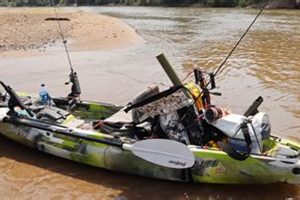
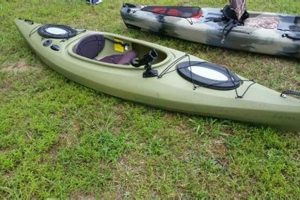
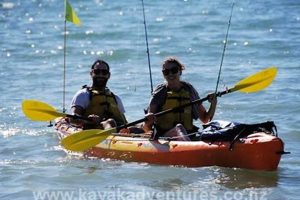
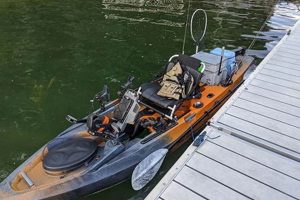
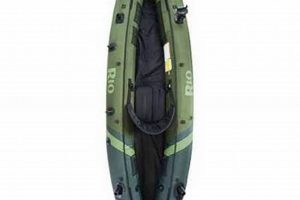
A collective of anglers typically located in South Carolina utilizes kayaks as their primary fishing platform. This approach combines the quiet, maneuverable nature of kayaks with the pursuit of various fish species. Such groups often provide a platform for shared knowledge, organized outings, and conservation efforts.
Membership in such an organization offers numerous advantages. Improved angling skills through peer learning, access to prime fishing locations, and a sense of community are common benefits. Historically, similar groups have played a vital role in advocating for responsible fishing practices and waterway protection, contributing significantly to the overall health of aquatic ecosystems.
Following are discussions on topics relevant to kayak angling, including equipment selection, safety procedures, popular fishing destinations within South Carolina, and the ecological impact of this recreational activity.
Tips for Kayak Fishing
Safe and successful kayak fishing requires careful planning and preparation. These tips offer guidance for anglers of all skill levels.
Tip 1: Check Weather Conditions: Prior to launching, consult marine forecasts for wind speed, wave height, and tidal currents. Postponing trips due to adverse conditions prioritizes angler safety.
Tip 2: Wear a Personal Flotation Device (PFD): A properly fitted PFD is essential safety equipment and should be worn at all times while on the water.
Tip 3: Plan a Float Plan: Inform someone onshore of the intended fishing location, launch time, and expected return. This ensures prompt assistance in case of emergencies.
Tip 4: Pack Essential Gear: Carry necessary safety items like a whistle, signaling mirror, and first-aid kit. Fishing gear should be organized and readily accessible within the kayak.
Tip 5: Practice Self-Rescue Techniques: Knowing how to re-enter a kayak after capsizing is a crucial safety skill that should be practiced in calm water conditions.
Tip 6: Respect Wildlife and the Environment: Adhere to catch and release guidelines whenever possible. Properly dispose of fishing line and other waste to minimize environmental impact.
Tip 7: Be Aware of Other Watercraft: Kayaks offer limited visibility to larger vessels. Maintain awareness of surroundings and yield to motorized boats.
Tip 8: Stay Hydrated: Carry ample drinking water, particularly during warm weather excursions, to prevent dehydration.
Adherence to these guidelines promotes a safe and enjoyable experience on the water, enabling anglers to focus on the pursuit of their target species.
These preparatory steps contribute to a more rewarding and sustainable angling experience, ensuring both personal safety and the preservation of aquatic resources.
1. Community

The concept of community forms a cornerstone of kayak fishing clubs within South Carolina. These organizations foster a sense of belonging among individuals who share a passion for angling from human-powered vessels. This shared interest forms the basis for a network of support, information exchange, and collective action.
- Shared Experiences:
Regular fishing trips, tournaments, and social gatherings provide opportunities for members to connect on a personal level. These shared experiences build camaraderie and strengthen the bonds within the group. The collective challenges and triumphs of kayak fishing create lasting memories and reinforce the value of community.
- Mentorship and Skill Development:
Experienced anglers often provide guidance to newer members, fostering a culture of mentorship. This exchange of knowledge elevates the overall skill level within the group. Sharing techniques, preferred locations, and equipment recommendations accelerates the learning curve for newcomers, fostering a sense of inclusion and empowerment.
- Conservation and Advocacy:
A shared concern for the environment often motivates collective action within these communities. Members may engage in waterway cleanups, habitat restoration projects, or advocate for responsible fishing regulations. This collective effort amplifies the impact of individual actions, demonstrating the strength and influence of a unified voice.
- Local Economic Impact:
Kayak fishing clubs often support local businesses through equipment purchases, guiding services, and participation in community events. This economic contribution further solidifies the club’s role within the broader community. The collective spending power of members can contribute significantly to the economic health of regions popular for kayak fishing.
The sense of community cultivated within kayak fishing clubs transcends the simple act of fishing. It creates a network of support that enhances the overall angling experience while contributing positively to the environment and local economies. This interconnectedness strengthens the individual angler and the larger community alike.
Shared knowledge forms a cornerstone of South Carolina kayak fishing clubs, fostering a collaborative environment where members benefit from collective experience and expertise. This exchange of information elevates individual angling skills, promotes responsible fishing practices, and strengthens the overall community.
- Techniques and Tactics:
Members readily share successful fishing techniques, including lure selection, retrieval methods, and strategies for targeting specific species. For example, experienced anglers might share insights on using topwater lures for redfish in shallow marshes or trolling techniques for speckled trout in deeper channels. This exchange of tactical knowledge accelerates the learning curve for newcomers, leading to improved fishing success and greater enjoyment.
- Location Insights:
Knowledge of productive fishing spots, including hidden coves, oyster beds, and seasonal migration patterns, is often shared within the club. Members might discuss the best launch points for accessing specific areas or provide tips on navigating tidal creeks and inlets. Access to this collective knowledge expands fishing opportunities beyond commonly known locations.
- Safety Procedures and Navigation:
Sharing information regarding safe paddling practices, navigation techniques, and emergency procedures enhances overall safety for all members. Discussions on proper kayak handling in challenging conditions, self-rescue techniques, and the use of safety equipment contribute to a more secure and enjoyable experience on the water.
- Conservation Practices:
Sharing knowledge regarding sustainable fishing practices, catch-and-release guidelines, and the importance of habitat preservation fosters responsible angling within the club. Members might discuss the ecological impact of different fishing methods or advocate for conservation initiatives. This shared understanding promotes environmental stewardship and ensures the long-term health of South Carolina’s aquatic ecosystems.
The free exchange of knowledge within these clubs creates a valuable resource for anglers of all skill levels. This collaborative learning environment fosters a culture of continuous improvement, promoting both individual angling success and the collective responsibility of preserving South Carolina’s rich fishing heritage.
3. Conservation Efforts

Conservation efforts represent a crucial component of South Carolina kayak fishing clubs. These organizations recognize the direct link between healthy ecosystems and thriving fisheries. Members understand that protecting the environment ensures the longevity of their recreational pursuits. This understanding manifests in various practical actions undertaken by clubs and their members. For example, clubs often organize or participate in shoreline cleanups, removing debris and pollution from vital habitats. Some clubs partner with local organizations to monitor water quality, providing valuable data for scientific research and conservation initiatives. Advocating for responsible fishing regulations and habitat restoration projects further demonstrates their commitment.
The impact of these conservation efforts extends beyond immediate environmental benefits. By actively participating in such initiatives, club members cultivate a deeper appreciation for the natural world. This fosters a sense of stewardship and responsibility among anglers. Educating younger generations about conservation through youth outreach programs ensures the continuation of these practices into the future. Furthermore, collaborative efforts between kayak fishing clubs and environmental agencies amplify the impact of conservation initiatives. Pooling resources and expertise allows for more comprehensive and effective strategies for protecting South Carolina’s waterways.
Sustaining healthy aquatic ecosystems is vital for the long-term viability of kayak fishing. South Carolina kayak fishing clubs understand this critical connection and actively engage in conservation efforts. This commitment to environmental stewardship not only benefits the natural world but also ensures future generations can enjoy the rewarding sport of kayak fishing. The practical significance of these efforts cannot be overstated; they are essential for the continued health of South Carolina’s waterways and the sustainability of its recreational fishing opportunities.
4. Organized outings

Organized outings constitute a vital component of South Carolina kayak fishing clubs, serving as a practical expression of their communal nature and shared passion. These planned excursions offer numerous benefits, strengthening member bonds, facilitating skill development, and promoting responsible angling practices. Cause and effect relationships are evident; organized trips create opportunities for shared experiences, leading to increased camaraderie and a stronger sense of community. For example, a club trip to a remote coastal area allows members to navigate unfamiliar waters together, fostering teamwork and mutual support. Similarly, organized fishing tournaments promote friendly competition and encourage the refinement of angling techniques.
The importance of organized outings as a defining characteristic of South Carolina kayak fishing clubs is undeniable. Such events provide a structured environment for knowledge sharing, allowing experienced anglers to mentor newcomers. A guided fishing trip led by a seasoned club member, for instance, can provide invaluable insights into local fish behavior, effective bait presentations, and responsible angling techniques. Moreover, organized outings facilitate access to diverse fishing locations, expanding members horizons beyond their usual fishing grounds. A club excursion to a pristine mountain lake, for example, exposes members to new species and fishing environments. This diversification of angling experiences enriches individual skills and fosters a deeper appreciation for South Carolina’s diverse aquatic ecosystems.
Understanding the integral role of organized outings within South Carolina kayak fishing clubs underscores their practical significance. These excursions offer tangible benefits, fostering community growth, promoting skill development, and facilitating conservation efforts. While logistical challenges, such as coordinating schedules and ensuring participant safety, can arise, the rewards far outweigh the difficulties. Organized outings are more than just fishing trips; they are the lifeblood of these clubs, contributing significantly to their vibrancy and longevity. This understanding strengthens the overall framework of kayak fishing clubs, highlighting the essential link between shared experiences and a thriving community of anglers.
5. Skill Development

Skill development represents a core benefit and defining characteristic of South Carolina kayak fishing clubs. Membership provides a structured pathway for anglers to enhance their abilities, fostering continuous improvement and contributing to a more rewarding angling experience. The cause-and-effect relationship is clear: active participation in club activities directly translates into enhanced fishing proficiency. For example, attending a club-sponsored workshop on knot-tying directly improves an angler’s ability to secure lures and land fish effectively. Similarly, participating in a group fishing outing led by an experienced member offers practical insights into navigation, fish identification, and effective bait presentation.
The importance of skill development as a component of South Carolina kayak fishing clubs is multifaceted. It fosters a culture of continuous learning, where members are encouraged to refine existing skills and explore new techniques. A novice angler, for instance, might learn advanced casting techniques from a seasoned club member, improving their ability to target fish in challenging conditions. Conversely, experienced anglers can expand their knowledge by learning about different fishing styles or exploring new fishing locations with the club. This reciprocal exchange of knowledge strengthens the overall skill base of the membership, creating a valuable resource for anglers of all levels. Furthermore, skill development contributes directly to angling success, leading to more frequent catches and increased enjoyment on the water. An angler who learns to properly rig a live bait through a club demonstration, for instance, is more likely to attract and hook target species.
Understanding the practical significance of skill development within these clubs underscores its essential role in individual angler growth and overall club vitality. While inherent challenges exist, such as varying learning styles and experience levels among members, the benefits are substantial. Clubs can address these challenges by offering diverse learning opportunities, ranging from hands-on workshops to online tutorials and guided fishing trips. This approach ensures that members can acquire new skills at their own pace and in a format that suits their individual learning preferences. Ultimately, fostering skill development within South Carolina kayak fishing clubs creates a more proficient, knowledgeable, and engaged angling community, strengthening the club’s core mission of promoting and enhancing the sport of kayak fishing.
Frequently Asked Questions
Addressing common inquiries regarding kayak fishing clubs in South Carolina provides clarity for prospective members and the broader community. These responses aim to offer informative and practical insights.
Question 1: What are the typical membership requirements for a kayak fishing club in South Carolina?
Requirements vary among clubs but often include a nominal annual fee and an interest in kayak fishing. Some clubs may require attendance at meetings or participation in club events.
Question 2: Does kayak fishing experience matter when joining a club?
Experience levels are generally not a barrier to entry. Many clubs welcome anglers of all skill levels, from beginners to seasoned professionals. Mentorship opportunities often exist within clubs, allowing less experienced members to learn from veteran anglers.
Question 3: What are the primary benefits of joining a kayak fishing club?
Benefits include access to a community of like-minded individuals, shared knowledge and resources, organized fishing trips, and opportunities for skill development. Some clubs also offer discounts on fishing gear and access to exclusive fishing locations.
Question 4: Are there any safety considerations specific to kayak fishing in South Carolina?
Navigating tidal currents, varying weather conditions, and potential encounters with wildlife are specific safety considerations. Wearing a personal flotation device, carrying essential safety gear, and informing someone of fishing plans are crucial safety precautions.
Question 5: How do kayak fishing clubs contribute to conservation efforts in South Carolina?
Many clubs actively participate in waterway cleanups, habitat restoration projects, and advocacy for responsible fishing regulations. These efforts contribute to the long-term health of South Carolina’s aquatic ecosystems.
Question 6: How can one locate kayak fishing clubs in South Carolina?
Online searches, social media platforms, and local tackle shops are effective resources for finding kayak fishing clubs in specific regions of South Carolina. Contacting local kayaking outfitters or attending fishing expos can also provide leads.
Understanding these key aspects of kayak fishing clubs in South Carolina promotes informed decision-making regarding membership and fosters broader awareness of their role in the angling community.
The following section explores specific fishing techniques relevant to kayak angling in South Carolina.
Conclusion
South Carolina kayak fishing clubs offer a valuable platform for anglers to connect, share knowledge, and contribute to conservation efforts. Examination reveals key aspects of these organizations, including community building, skill development, organized outings, and a commitment to environmental stewardship. The interconnectedness of these elements fosters a thriving and sustainable kayak fishing culture within the state.
Continued growth and positive impact within South Carolina’s angling community are anticipated. Active participation and support for these organizations are crucial for ensuring the longevity of this unique recreational pursuit and the preservation of the state’s valuable aquatic resources. The future of kayak fishing in South Carolina relies on the collective efforts of individuals, clubs, and environmental stewards working together to promote responsible angling and protect shared waterways.