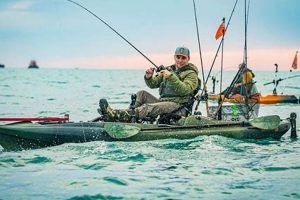
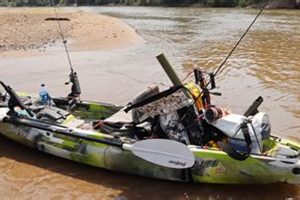
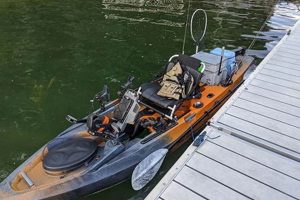
Angling from a kayak in areas frequented by dolphins involves seeking out game fish often found near these marine mammals. For instance, kayak anglers might target species like mahi-mahi or tuna, which are known to associate with dolphin pods. This practice requires specialized knowledge of both kayak handling and the behavior of dolphins and their associated fish species.
This approach can offer significant advantages to anglers. The presence of dolphins can indicate productive fishing grounds, reducing search time and potentially increasing catch rates. It allows for a quiet, non-intrusive approach to these areas, minimizing disturbance to the marine environment. Historically, observing dolphin behavior has been a key element in traditional fishing techniques, and modern kayak angling builds upon this legacy by adapting it to a contemporary, eco-conscious approach.
This article will delve deeper into the techniques, ethics, and necessary equipment for this specialized angling method, exploring its impact on both the angler and the marine ecosystem. Furthermore, it will examine the legal aspects and conservation considerations surrounding this practice, ensuring anglers are well-informed and equipped to engage responsibly.
Tips for Kayak Fishing Near Dolphins
Successfully angling near dolphins while kayaking requires careful planning and execution. These tips offer guidance for a safe and productive experience.
Tip 1: Research Local Regulations: Regulations regarding fishing near marine mammals vary by location. Prior research ensures compliance with local laws protecting these animals.
Tip 2: Maintain a Safe Distance: Approaching dolphins too closely can disrupt their natural behavior. Maintaining a respectful distance minimizes disturbance and ensures angler safety.
Tip 3: Utilize Appropriate Gear: Lightweight, easily maneuverable tackle is essential for kayak fishing. Rods and reels should be suited to the target species likely found near dolphins.
Tip 4: Observe Dolphin Behavior: Understanding dolphin hunting patterns can provide clues to the location of fish. Observing their movements without interfering can lead to productive fishing opportunities.
Tip 5: Employ Quiet Angling Techniques: Excessive noise and splashing can deter fish and disturb dolphins. Quiet casting and retrieval techniques maximize chances of success while minimizing disruption.
Tip 6: Practice Catch and Release: Conserving fish populations is paramount. Practicing catch and release minimizes the impact on the ecosystem and ensures the sustainability of the fishery.
Tip 7: Be Prepared for Changing Conditions: Weather and sea conditions can change rapidly. Checking forecasts and carrying appropriate safety equipment are essential for a safe kayaking experience.
Adhering to these guidelines promotes responsible angling practices, contributing to both a successful fishing trip and the long-term health of the marine environment.
By understanding the nuances of this specialized fishing approach, anglers can enjoy a unique and rewarding experience while minimizing their impact on the natural world. The following section will offer concluding thoughts and recommendations for further exploration of this exciting angling method.
1. Dolphin Behavior

Understanding dolphin behavior is crucial for successful and ethical dolphin kayak fishing. Their movements and feeding habits can provide valuable insights into the location of desirable fish species, allowing anglers to increase their chances of a successful catch while minimizing environmental disturbance.
- Feeding Patterns
Dolphins employ diverse hunting strategies, including cooperative feeding and driving fish towards shallow water. Observing these behaviors, such as sudden changes in direction or concentrated activity in a specific area, can indicate the presence of fish and guide anglers to productive fishing spots. For example, dolphins corralling baitfish create opportunities for anglers targeting larger predatory fish attracted to the commotion. Understanding these patterns allows anglers to anticipate fish location and behavior.
- Social Interactions
Dolphins are highly social animals, often found in pods of varying sizes. Their social dynamics, such as communication through vocalizations and coordinated movements, can reveal information about their hunting activities. Recognizing these interactions can help anglers discern between casual movement and targeted hunting behavior. For instance, observing a pod actively herding prey signifies a potential fishing opportunity whereas a pod leisurely swimming suggests less fishing activity.
- Movement and Migration
Dolphin movements are influenced by factors such as prey availability, water temperature, and breeding patterns. Understanding these factors and recognizing typical migratory routes can help anglers predict dolphin presence in specific locations throughout the year. Knowledge of migratory patterns allows anglers to plan trips during periods of increased dolphin activity in desired fishing areas, enhancing chances of successful angling.
- Resting Behavior
While less directly related to fishing, recognizing dolphin resting behavior is important for ethical considerations. Disturbing resting dolphins can negatively impact their health and well-being. Anglers should avoid areas where dolphins are exhibiting resting behaviors, such as logging (floating motionless at the surface) or milling (slow, uncoordinated movement), ensuring minimal disruption to their natural cycles.
By observing and interpreting these behavioral cues, kayak anglers can enhance their fishing experience while maintaining a respectful distance and minimizing disturbance to the dolphins and their environment. Integrating this knowledge with responsible fishing practices contributes to a sustainable and rewarding angling experience.
2. Kayak maneuverability

Kayak maneuverability plays a critical role in successful dolphin kayak fishing. The ability to position the kayak effectively and react quickly to changing circumstances significantly impacts fishing success and ensures minimal disturbance to the marine environment. The following facets highlight the essential components of kayak maneuverability in this specialized fishing context.
- Tracking and Stability
A kayak’s ability to maintain a straight course (tracking) and resist tipping (stability) are fundamental to effective fishing. Stable tracking allows anglers to cover water efficiently when searching for dolphins and their associated fish, while stability ensures a safe and comfortable platform for casting and retrieving lines, particularly in challenging conditions like choppy water or strong currents. Specialized kayak designs, such as those with longer hulls or outriggers, enhance these characteristics.
- Turning and Positioning
Precise turning and positioning are crucial for aligning the kayak optimally for casting towards feeding fish near dolphins. A kayak’s responsiveness to paddle strokes and its ability to turn quickly enable anglers to capitalize on fleeting opportunities presented by fast-moving dolphins and their prey. Factors influencing turning performance include hull design, rudder systems, and paddling technique.
- Speed and Efficiency
While stealth is often prioritized when approaching dolphins, the ability to generate speed efficiently is important for covering ground and reaching areas where dolphins are actively feeding. Efficient hull designs and skilled paddling technique minimize effort and maximize speed, allowing anglers to reach productive fishing grounds quickly without excessive exertion. This becomes particularly relevant when targeting pelagic species associated with dolphins in open water.
- Adaptability to Conditions
Varying water conditions, such as currents, wind, and waves, necessitate a kayak with adaptable maneuverability. Kayaks with adjustable features, like skegs or rudders, allow anglers to fine-tune their performance based on prevailing conditions. Understanding how wind and current affect kayak handling and adjusting paddling techniques accordingly is crucial for maintaining control and maximizing fishing efficiency in dynamic environments.
The interplay of these facets directly influences an angler’s ability to approach dolphins safely and position the kayak strategically for successful fishing. Choosing a kayak with appropriate maneuverability characteristics for the anticipated conditions, combined with proficient paddling skills, contributes significantly to a positive and productive dolphin kayak fishing experience.
3. Target species identification

Accurate target species identification is paramount in dolphin kayak fishing. Understanding the fish species commonly associated with dolphins enables anglers to select appropriate tackle, employ effective fishing techniques, and adhere to relevant regulations. Misidentification can lead to inefficient fishing practices, lost opportunities, and potential legal issues. The following facets explore the critical aspects of target species identification in this specialized fishing context.
- Common Associations
Certain fish species frequently associate with dolphin pods for various reasons, including foraging opportunities and predator avoidance. Mahi-mahi, tuna, and billfish are commonly found near dolphins. Recognizing these associations allows anglers to anticipate potential catches and prepare accordingly. For example, knowing that tuna often school beneath dolphin pods informs tackle choices and fishing strategies. Understanding these relationships is fundamental to successful dolphin kayak fishing.
- Visual Identification
Distinguishing between similar-looking species is crucial for legal compliance and responsible fishing. Variations in body shape, coloration, and fin structure differentiate species like yellowfin tuna and skipjack tuna. Visual identification skills enable anglers to target desired species while avoiding protected or regulated ones. Using field guides or mobile applications can aid in accurate identification, promoting responsible and informed fishing practices.
- Behavioral Cues
Observing fish behavior provides additional clues for identification. Different species exhibit unique feeding patterns, swimming styles, and responses to stimuli. For instance, the acrobatic leaps of mahi-mahi contrast sharply with the steady, powerful swimming of tuna. Recognizing these behavioral differences aids in accurate species identification, especially when visual confirmation is challenging. Integrating behavioral observation with visual cues enhances identification accuracy and informs fishing strategy.
- Legal and Regulatory Compliance
Size and catch limits often vary depending on the species. Accurate identification is crucial for adhering to these regulations. Misidentifying a protected species as a legal target can result in penalties. Consulting local fishing regulations and utilizing reliable identification resources ensures compliance and promotes sustainable fishing practices. Prioritizing legal and ethical considerations is essential for responsible dolphin kayak fishing.
Proficient target species identification empowers anglers to make informed decisions, maximize fishing success, and minimize environmental impact. By integrating knowledge of common associations, visual cues, behavioral patterns, and legal regulations, anglers contribute to a more responsible and rewarding dolphin kayak fishing experience.
4. Ethical Considerations

Ethical considerations are paramount in dolphin kayak fishing, ensuring the well-being of these intelligent marine mammals and the sustainability of the marine ecosystem. This practice requires a delicate balance between pursuing angling opportunities and minimizing disturbance to dolphins and their environment. Ignoring ethical considerations can lead to negative consequences, including stress on dolphin populations, disruption of their natural behaviors, and potential harm to the delicate balance of the marine environment. For example, closely pursuing dolphin pods can disrupt their feeding patterns and cause them to abandon productive hunting grounds, impacting their overall health and survival. Similarly, excessive noise or aggressive angling tactics can induce stress and alter their natural behavior patterns. The long-term impact of such disturbances can have cascading effects throughout the ecosystem.
The importance of ethical considerations as a component of dolphin kayak fishing cannot be overstated. Respectful interaction with dolphins ensures their continued presence in the area and contributes to a healthy marine ecosystem. Practical applications of ethical considerations include maintaining a safe distance from dolphin pods, avoiding sudden movements or loud noises that could startle them, and refraining from fishing in areas where dolphins are exhibiting resting or breeding behaviors. Furthermore, practicing catch and release whenever possible minimizes the impact on fish populations and the broader food web. Educating fellow anglers about these ethical guidelines fosters a culture of responsible fishing practices and contributes to the long-term sustainability of this unique angling method. For instance, sharing information on proper dolphin approach techniques and responsible angling practices within the kayaking community promotes wider adoption of ethical considerations.
In conclusion, ethical considerations are integral to dolphin kayak fishing. Prioritizing the well-being of dolphins and the marine environment ensures the long-term viability of this specialized angling method. Challenges include balancing the pursuit of angling opportunities with the need for minimal disturbance. Addressing these challenges requires ongoing education, responsible fishing practices, and a commitment to preserving the health and integrity of the marine ecosystem. By integrating ethical considerations into every aspect of dolphin kayak fishing, anglers contribute to a sustainable and rewarding experience for both humans and the marine life with which they interact.
5. Legal Regulations
Legal regulations governing dolphin kayak fishing are essential for protecting marine mammals and ensuring the sustainability of this activity. These regulations vary significantly by jurisdiction and are often specific to the species involved, the type of fishing gear used, and the location. Understanding and adhering to these regulations is crucial for responsible and legal angling practices.
- Protected Species Regulations
Many regions have specific regulations protecting certain dolphin species. These regulations may prohibit fishing within a certain distance of these protected species or restrict the use of certain fishing gear. For instance, the Marine Mammal Protection Act in the United States establishes strict guidelines for interactions with marine mammals, including dolphins. Violating these regulations can result in significant penalties, including fines and the confiscation of equipment. Understanding the specific regulations related to protected species in the area is paramount for legal compliance.
- Fishing Gear Restrictions
Some jurisdictions restrict the type of fishing gear permitted when fishing near dolphins. These restrictions may prohibit the use of certain types of nets or fishing lines known to entangle or harm dolphins. For example, the use of gill nets may be restricted in areas frequented by dolphins due to the risk of entanglement. Anglers must be aware of and adhere to these restrictions to avoid legal repercussions and minimize the risk of harming dolphins.
- Area Closures and Restrictions
Certain areas may be designated as protected zones where fishing is either restricted or entirely prohibited to protect dolphin habitats and breeding grounds. These closures aim to minimize disturbance to dolphins during critical periods of their life cycle. For instance, fishing may be prohibited during breeding seasons or in areas where dolphins are known to calve. Understanding these area closures and restrictions is vital for responsible and legal dolphin kayak fishing.
- Licensing and Permitting Requirements
Specific licenses or permits may be required for fishing in certain areas, particularly those known to be frequented by dolphins. These requirements allow regulatory bodies to monitor fishing activity and ensure compliance with existing regulations. Failure to obtain the necessary licenses or permits can result in legal penalties. Anglers should research and obtain all required permits before engaging in dolphin kayak fishing to ensure legal compliance.
Adherence to these legal regulations is not only a legal obligation but also a crucial aspect of ethical dolphin kayak fishing. By understanding and respecting these rules, anglers contribute to the long-term health and survival of dolphin populations and the overall sustainability of the marine environment. Failing to comply with these regulations undermines conservation efforts and jeopardizes the future of this specialized angling method. Therefore, thorough research and diligent compliance with all applicable regulations are essential for responsible and sustainable dolphin kayak fishing.
6. Safety Precautions

Safety precautions are paramount in dolphin kayak fishing, mitigating inherent risks associated with open water activities and interactions with marine life. These precautions safeguard both the angler and the marine environment, ensuring a responsible and sustainable angling experience. Neglecting safety protocols can lead to accidents, injuries, and negative impacts on the marine ecosystem. For example, venturing out without proper safety equipment or ignoring changing weather conditions can jeopardize angler safety and potentially necessitate costly rescue operations, placing strain on emergency services. Similarly, approaching dolphins too closely or engaging in unsafe fishing practices can disrupt their natural behavior and potentially lead to harmful interactions.
- Weather Awareness
Checking weather forecasts before embarking on a dolphin kayak fishing trip is crucial. Sudden changes in weather, such as strong winds, lightning storms, or fog, can create hazardous conditions on the open water. Monitoring weather updates throughout the trip allows for timely adjustments to plans and ensures angler safety. For example, strong winds can quickly create challenging paddling conditions, increasing the risk of capsizing. Awareness of impending weather changes allows anglers to seek shelter or return to shore before conditions deteriorate.
- Essential Safety Equipment
Carrying essential safety equipment is non-negotiable. A personal flotation device (PFD) is paramount for survival in case of capsizing. A signaling device, such as a whistle or flare, is essential for attracting attention in emergencies. A first-aid kit enables immediate response to minor injuries. A communication device, like a VHF radio or waterproof cell phone, allows for contact in case of emergencies or unexpected situations. Regularly inspecting and maintaining this equipment ensures its functionality when needed.
- Kayak Handling Skills
Proficient kayak handling skills are essential for navigating various water conditions and responding effectively to unexpected situations. Understanding proper paddling techniques, bracing maneuvers, and self-rescue procedures enhances angler safety and reduces the risk of capsizing. Practicing these skills in calm water before venturing into more challenging conditions builds confidence and competence. For instance, knowing how to perform a wet exit and re-enter the kayak after capsizing is a crucial skill for open water kayaking.
- Respectful Dolphin Interaction
Maintaining a safe and respectful distance from dolphins is crucial for both angler safety and the well-being of the animals. Approaching dolphins too closely can disrupt their natural behavior and potentially lead to dangerous interactions. Avoiding sudden movements or loud noises minimizes disturbance and reduces the risk of startling the animals. Adhering to established guidelines for dolphin watching ensures a safe and ethical interaction, promoting the well-being of both dolphins and kayakers.
Integrating these safety precautions into every dolphin kayak fishing trip enhances angler safety and contributes to a responsible and sustainable interaction with the marine environment. These precautions minimize risks, allowing anglers to focus on the enjoyment of the experience while safeguarding themselves and the marine life they encounter. Consistent adherence to safety protocols ensures a positive and rewarding experience for all involved. Neglecting these precautions not only jeopardizes individual safety but also undermines the ethical and sustainable practice of this unique angling method.
Frequently Asked Questions
This section addresses common inquiries regarding dolphin kayak fishing, providing clarity on relevant aspects of this specialized angling method.
Question 1: Is dolphin kayak fishing harmful to dolphins?
When practiced responsibly, kayak fishing near dolphins poses minimal risk. Maintaining a respectful distance, avoiding sudden movements and excessive noise, and adhering to established guidelines minimize disturbance to their natural behaviors.
Question 2: What are the legal implications of fishing near dolphins?
Regulations vary by jurisdiction. Some areas prohibit fishing within a certain distance of dolphins or restrict specific fishing gear. Researching local regulations before embarking on a trip ensures legal compliance.
Question 3: What fish species are commonly associated with dolphins?
Species like mahi-mahi, tuna, and billfish often associate with dolphin pods. Understanding these relationships increases angling success and informs appropriate tackle choices.
Question 4: What safety precautions are essential for dolphin kayak fishing?
Essential precautions include checking weather forecasts, wearing a personal flotation device, carrying signaling and communication devices, and having a first-aid kit. Proficient kayak handling skills and knowledge of self-rescue procedures are also crucial.
Question 5: What are the ethical considerations of dolphin kayak fishing?
Minimizing disturbance to dolphins and their environment is paramount. Respectful interaction includes maintaining a safe distance, avoiding disruptive behaviors, and practicing catch and release whenever possible. Promoting responsible angling practices within the community contributes to a sustainable fishery.
Question 6: What equipment is recommended for dolphin kayak fishing?
A stable and maneuverable kayak suited to open water conditions is recommended. Lightweight tackle appropriate for the target species, along with essential safety equipment, enhances the fishing experience and ensures angler safety.
Understanding these key aspects of dolphin kayak fishing contributes to a safe, responsible, and successful angling experience. Careful planning, adherence to regulations, and respect for marine life ensure the sustainability of this unique fishing method.
The following section delves into advanced techniques for locating and targeting fish associated with dolphins, further enhancing angling success while minimizing environmental impact.
Dolphin Kayak Fishing
Dolphin kayak fishing represents a specialized angling method requiring nuanced understanding of both kayak handling and marine ecosystem dynamics. This article has explored critical aspects of this practice, encompassing ethical considerations, legal regulations, safety precautions, and the importance of respecting dolphin behavior. Furthermore, it has examined the practical elements of kayak maneuverability, target species identification, and the selection of appropriate equipment. Emphasis has been placed on the interconnectedness of these elements and their collective contribution to a responsible and sustainable approach to this unique fishing method.
Successful dolphin kayak fishing hinges on a harmonious balance between angling pursuits and environmental stewardship. Continued education, adherence to established guidelines, and a commitment to conservation principles are crucial for the long-term viability of this specialized practice. Through responsible engagement and a proactive approach to minimizing environmental impact, dolphin kayak fishing can remain a rewarding and sustainable pursuit for anglers while preserving the integrity of the marine ecosystem.