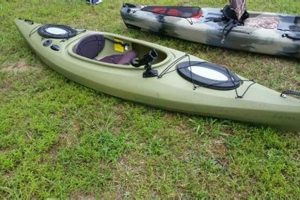
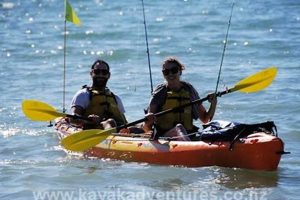
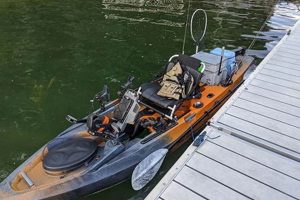
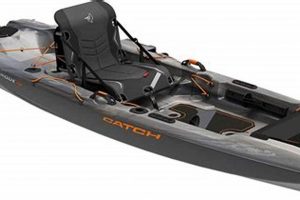
Customizing kayaks for fishing through personal modifications and enhancements offers anglers a unique opportunity to tailor their vessels to specific needs and preferences. Examples include installing rod holders, fish finders, anchor trolleys, or even creating storage compartments. These adaptations can range from simple additions to complex overhauls, depending on the angler’s skill level and desired functionality.
The growing popularity of this practice stems from the ability to create a truly personalized fishing experience. A customized kayak can improve efficiency, comfort, and overall effectiveness on the water. Historically, anglers have always adapted their equipment, and the rise of accessible, affordable kayaks combined with readily available DIY resources has fueled this modern iteration of personalized fishing craft.
This article will explore various aspects of outfitting a kayak for fishing, covering topics such as choosing appropriate modifications, essential tools and materials, step-by-step guides for popular projects, and safety considerations throughout the process.
Tips for Kayak Fishing Projects
Careful planning and execution are crucial for successful kayak fishing modifications. The following tips offer guidance for various project stages, from initial planning to final implementation.
Tip 1: Plan Thoroughly. Before starting any modification, consider fishing style, target species, and local waterway conditions. A well-defined plan prevents unnecessary purchases and ensures the chosen modifications enhance the fishing experience. Sketching diagrams and listing required materials streamlines the process.
Tip 2: Prioritize Safety. Stability is paramount. Any modification should not compromise the kayak’s balance. Consider weight distribution and ensure all additions are securely fastened. Test stability in shallow water before venturing into deeper areas.
Tip 3: Choose Appropriate Materials. Marine-grade components withstand harsh aquatic environments. Stainless steel hardware, UV-resistant plastics, and waterproof sealants prevent corrosion and degradation, ensuring longevity and reliability.
Tip 4: Use Proper Tools. Specialized tools, such as rivet guns, hole saws, and marine adhesives, are essential for clean, professional-looking results and structural integrity. Investing in quality tools ensures efficient project completion.
Tip 5: Test and Refine. After completing a modification, test its functionality thoroughly. Small adjustments might be necessary to optimize performance. On-the-water testing reveals potential issues and allows for refinements before extended fishing trips.
Tip 6: Research Regulations. Some waterways have specific regulations concerning kayak modifications, especially regarding lighting and navigation equipment. Consult local authorities to ensure compliance before undertaking any projects.
Tip 7: Document the Process. Photographing each step provides valuable reference material for future projects or repairs. Detailed documentation also helps others replicate successful modifications and fosters a sense of community among kayak anglers.
By adhering to these guidelines, anglers can enhance their kayak fishing experience with well-planned, functional, and safe modifications that maximize on-the-water effectiveness and enjoyment.
These tips provide a solid foundation for successful kayak fishing customization. The following section will offer specific project examples and detailed instructions.
1. Planning

Effective planning forms the cornerstone of successful do-it-yourself kayak fishing projects. A well-structured plan ensures modifications align with angler needs, promotes efficient use of resources, and minimizes potential complications during project execution. Careful consideration of several key facets is essential.
- Needs Assessment
Defining specific angling requirements informs modification choices. An angler targeting large pelagic species requires different equipment compared to someone fishing for freshwater panfish. Factors such as target species, fishing style, and local waterway conditions dictate appropriate modifications. For example, a trolling motor might be essential for covering large distances, whereas a compact anchor trolley system suffices for stillwater fishing. A clear understanding of individual needs prevents unnecessary purchases and ensures project relevance.
- Budgeting and Materials
Establishing a realistic budget prevents overspending and encourages resourcefulness. Researching material costs and comparing options allows for informed decisions. Prioritizing essential modifications and phasing project implementation over time helps manage expenses. Opting for readily available, cost-effective materials when possible minimizes financial strain. For instance, using repurposed PVC pipe for rod holders instead of purchasing commercially manufactured versions can significantly reduce project costs.
- Design and Layout
Visualizing the finished project through sketches or diagrams aids in planning modifications and their placement. Considering ergonomics and accessibility ensures functionality and ease of use. Mapping out wiring routes for electronics and accounting for weight distribution maintains stability and balance. A well-defined layout prevents conflicts between different modifications and ensures efficient use of limited kayak space. For example, placing rod holders within easy reach and positioning a fish finder screen for optimal visibility enhances on-the-water efficiency.
- Timeline and Execution
Establishing a realistic timeline with achievable milestones facilitates efficient project completion. Breaking down complex modifications into smaller, manageable steps simplifies the process and prevents overwhelm. Allocating sufficient time for each step, including material procurement, installation, and testing, minimizes delays and ensures quality workmanship. For example, dedicating a specific weekend for installing rod holders and another for setting up the fish finder system allows focused effort and promotes successful outcomes.
These interconnected planning facets contribute significantly to the overall success of kayak fishing modifications. Thorough preparation streamlines project execution, maximizes resource utilization, and ensures that the final product enhances both the functionality and enjoyment of the kayak fishing experience.
2. Safety
Safety is paramount in do-it-yourself kayak fishing projects. Modifications must not compromise the vessel’s stability or structural integrity. Ignoring safety considerations can lead to capsizing, equipment failure, or personal injury. A poorly installed rod holder could detach during a strong fight, potentially causing harm. An improperly sealed hull penetration for wiring or accessories might lead to leaks and eventual sinking. Understanding and addressing these potential hazards is crucial for ensuring safe and enjoyable fishing experiences.
Stability is particularly critical in kayak fishing. Added weight from modifications must be carefully balanced to prevent tipping. Equipment placement should consider center of gravity and weight distribution. For example, mounting heavy batteries or fish finders low in the hull and near the centerline improves stability. Similarly, distributing gear evenly throughout storage compartments minimizes imbalance. Regularly checking for loose fittings or damaged components is essential for preventing unexpected equipment failures on the water. Pre-trip inspections should include verifying secure attachment of all modifications and assessing the overall condition of the kayak.
Safe practices during project execution are also essential. Using appropriate safety equipment, such as eye protection and respirators when working with fiberglass or resins, protects against potential hazards. Proper ventilation during sealant or adhesive application minimizes exposure to harmful fumes. Following manufacturer recommendations for installation procedures ensures structural integrity and prevents weakening the kayak’s hull. Ultimately, prioritizing safety in every stage of a DIY kayak fishing project is crucial for mitigating risks and ensuring enjoyable experiences on the water. Meticulous planning, careful execution, and regular maintenance contribute significantly to a safe and rewarding kayak fishing experience.
3. Materials
Material selection significantly impacts the success and longevity of DIY kayak fishing projects. Appropriate materials ensure modifications withstand harsh aquatic environments, resist corrosion, and maintain structural integrity. Choosing unsuitable materials can lead to premature failure, compromising safety and necessitating costly repairs. Understanding material properties and their suitability for specific applications is crucial for achieving durable and reliable results.
- Marine-Grade Hardware
Utilizing marine-grade stainless steel screws, bolts, and other fasteners prevents rust and corrosion in saltwater environments. Non-marine-grade hardware quickly degrades, compromising the integrity of modifications. For example, attaching rod holders with standard steel screws will likely result in rust, weakening the attachment and potentially leading to failure. Investing in marine-grade hardware ensures long-lasting performance and prevents costly replacements.
- UV-Resistant Plastics and Polymers
Constructing modifications with UV-resistant plastics and polymers prevents degradation from prolonged sun exposure. Non-UV-stabilized materials become brittle and crack over time, shortening their lifespan. Using high-density polyethylene (HDPE) for cutting boards or hatch covers ensures durability and maintains their appearance and functionality despite constant exposure to sunlight. This resistance to UV degradation is essential for maintaining the structural integrity and aesthetic appeal of modifications.
- Marine Sealants and Adhesives
Employing marine-grade sealants and adhesives creates waterproof seals, preventing leaks and water damage. Standard sealants often fail in marine environments, allowing water to penetrate and damage the kayak’s structure. Using a marine-grade sealant when installing through-hull fittings for fish finders or wiring ensures a watertight seal, protecting the kayak’s interior and electronic components from moisture damage. Proper sealing is crucial for preventing long-term structural problems and equipment malfunction.
- Corrosion-Resistant Fabrics and Straps
Utilizing corrosion-resistant fabrics and straps for anchor trolleys, seat modifications, or gear tie-downs ensures longevity and reliable performance. Non-marine-grade materials deteriorate quickly in saltwater environments, potentially leading to equipment failure at critical moments. Choosing nylon webbing or marine-grade rope for rigging ensures durability and resistance to the elements, providing reliable performance and enhanced safety during fishing trips.
Careful material selection ensures the longevity and effectiveness of modifications. Using marine-grade hardware, UV-resistant plastics, marine sealants, and corrosion-resistant fabrics contributes significantly to successful and durable DIY kayak fishing projects, enhancing both safety and enjoyment on the water. The correct materials, combined with thoughtful planning and execution, transform a standard kayak into a personalized fishing platform tailored to individual needs.
4. Installation

Proper installation is crucial for the success and safety of DIY kayak fishing projects. Incorrectly installed modifications compromise structural integrity, reduce effectiveness, and potentially create hazardous situations. A poorly mounted fish finder transducer may provide inaccurate readings, while a loosely secured rod holder could detach during use. This section explores key facets of proper installation techniques for various kayak fishing modifications.
- Secure Mounting
Modifications must be securely attached to the kayak to withstand the stresses of fishing. Using appropriate fasteners, such as marine-grade screws and bolts of the correct length and diameter, ensures a strong connection. Over-tightening fasteners can damage the kayak’s hull, while under-tightening leads to instability. For example, when installing a track system for rod holders or other accessories, using backing plates distributes the load and prevents the screws from pulling through the kayak’s hull. Proper mounting techniques ensure modifications remain firmly in place during use.
- Waterproofing
Any penetrations through the kayak’s hull, such as those required for wiring or through-hull transducers, must be thoroughly sealed to prevent leaks. Marine-grade sealants and adhesives create a watertight barrier, protecting the kayak’s interior and electronic components from water damage. Failure to properly seal these penetrations can lead to leaks, compromising buoyancy and potentially damaging internal components. For instance, when installing a transducer, applying a generous bead of marine sealant around the cable entry point and securing it with a waterproof cable gland prevents water intrusion.
- Wiring Management
Proper wiring management is essential for electronic installations, such as fish finders or lights. Securing wiring with zip ties or adhesive clips prevents entanglement and protects it from damage. Routing wires away from moving parts or areas where they might be snagged ensures reliable operation and minimizes the risk of shorts or disconnections. For example, running wires through dedicated channels or conduits within the kayak’s hull protects them from abrasion and keeps them organized.
- Weight Distribution
The placement of modifications affects the kayak’s stability and handling. Heavy items should be positioned low in the hull and near the centerline to maintain balance and prevent tipping. Distributing weight evenly throughout the kayak minimizes imbalance and improves performance. For example, positioning a battery for a trolling motor near the center of gravity enhances stability, while placing rod holders and other accessories strategically maintains balanced weight distribution.
Correct installation techniques are essential for realizing the full potential of DIY kayak fishing projects. Secure mounting, waterproofing, proper wiring management, and balanced weight distribution ensure modifications function as intended, enhance safety, and contribute to a more enjoyable and productive fishing experience. These practices transform individual modifications into a cohesive and functional system, maximizing the angler’s time on the water.
5. Testing
Testing is integral to successful DIY kayak fishing projects, bridging the gap between theoretical design and practical functionality. It validates design choices, identifies potential weaknesses, and ensures modifications perform as intended in real-world conditions. Without thorough testing, seemingly sound modifications might fail under stress, compromising safety and diminishing the fishing experience. Testing encompasses various stages, from initial stability checks to evaluating performance under fishing conditions.
Initial stability tests after modifications are crucial. These assessments, conducted in calm, shallow water, verify the kayak’s balance hasn’t been compromised. Loading the kayak with typical fishing gear and simulating casting or retrieving motions reveals potential instability issues. For example, adding outriggers might theoretically improve stability but could create unexpected instability when leaning to one side during a cast. Testing identifies such issues before venturing into open water. Further testing evaluates the effectiveness of modifications under actual fishing conditions. Does the anchor trolley system deploy smoothly? Are rod holders positioned for efficient access and retrieval? Does the fish finder transducer provide accurate readings? These practical tests refine modifications, ensuring optimal performance and angler safety. For instance, a rod holder placed too far forward might interfere with paddling, requiring repositioning. Testing provides valuable feedback for fine-tuning modifications.
Rigorous testing minimizes the risk of equipment failure and enhances safety. It provides an opportunity to identify and rectify weaknesses before they pose a threat in challenging conditions. A seemingly secure anchor trolley system might fail under the strain of a strong current, highlighting the need for robust attachment points and higher-strength cordage. Testing provides empirical data for refinement and ensures modifications enhance, rather than detract from, the kayak fishing experience. The insights gained through testing transform theoretical plans into functional and reliable enhancements, contributing significantly to safer and more productive outings.
6. Customization

Customization lies at the heart of DIY kayak fishing projects. It transforms a standard kayak into a personalized fishing platform tailored to individual needs and preferences. Customization options range from simple additions like rod holders to complex integrations of electronics and specialized gear. This process empowers anglers to optimize their kayaks for specific fishing styles, target species, and waterway conditions. The following facets illustrate the breadth and significance of customization in DIY kayak fishing projects.
- Rod Holder Placement and Configuration
Rod holder placement significantly impacts fishing efficiency and accessibility. Anglers specializing in trolling might prefer multiple rod holders positioned along the gunwales, while those focused on casting might prioritize angled rod holders near the cockpit. Customizing rod holder placement optimizes retrieval speed, minimizes line tangling, and enhances overall fishing ergonomics. For example, a fly fisherman might install specialized fly rod holders near the seat for easy access and line management. The specific configuration depends on individual fishing techniques and preferences.
- Electronics Integration
Integrating electronics, such as fish finders, GPS units, and trolling motors, enhances fishing effectiveness and situational awareness. Customizing electronics installations tailors the kayak to specific fishing needs. An angler targeting deep-water species benefits from a high-resolution fish finder integrated with GPS for precise navigation and fish marking. Conversely, a kayak angler fishing shallow flats might prioritize a compact, easily removable fish finder unit. Customization allows anglers to select and integrate electronics that best suit their fishing style.
- Storage Solutions
Customizing storage solutions optimizes gear organization and accessibility. Tackle boxes, dry bags, and specialized compartments for fishing rods or nets enhance efficiency and minimize clutter. Anglers targeting specific species might create customized storage for lures, bait, or specialized equipment. For example, a bass fisherman might install tackle trays and lure holders within easy reach of the casting deck, while a kayak angler fishing for catfish might incorporate a livewell system for keeping bait fresh. Customized storage solutions enhance on-the-water efficiency and organization.
- Comfort and Ergonomics
Customizing seating, footrests, and paddle clips enhances comfort and reduces fatigue during long fishing trips. Adjustable seating systems provide optimal back support and improve paddling efficiency. Custom-fitted footrests enhance stability and control. Ergonomic modifications ensure prolonged comfort, allowing anglers to focus on fishing rather than discomfort. For example, adding a padded seat and adjustable backrest significantly improves comfort during extended fishing sessions, while strategically placed paddle clips ensure easy access and prevent paddle loss.
These customization facets highlight the transformative potential of DIY kayak fishing projects. They allow anglers to personalize their kayaks, optimizing functionality, comfort, and fishing effectiveness. Customization empowers anglers to create truly unique fishing platforms tailored to their individual needs and preferences, ultimately enhancing their overall experience on the water.
Frequently Asked Questions
Addressing common queries regarding kayak fishing modifications provides clarity and guidance for enhancing on-the-water experiences. The following questions and answers offer practical insights for anglers considering DIY projects.
Question 1: What are the most beneficial modifications for a beginner kayak angler?
Beginners often benefit most from simple yet effective modifications. Installing rod holders, a basic anchor trolley system, and a comfortable seat significantly improves fishing efficiency and comfort. These foundational modifications enhance the fishing experience without requiring extensive technical expertise.
Question 2: How can kayak stability be maintained after adding modifications?
Maintaining stability requires careful consideration of weight distribution. Heavy items should be positioned low and near the kayak’s centerline. Distributing gear evenly throughout storage compartments prevents imbalance. Regularly testing stability after modifications is crucial.
Question 3: What materials are essential for ensuring modifications withstand marine environments?
Marine-grade stainless steel hardware, UV-resistant plastics, and marine sealants are essential for longevity and durability. These materials resist corrosion and degradation, ensuring modifications remain functional and safe in harsh aquatic environments.
Question 4: What safety precautions are crucial during DIY kayak fishing project execution?
Wearing appropriate safety gear, such as eye protection and respirators, is essential when working with certain materials. Proper ventilation is crucial when using sealants or adhesives. Following manufacturer recommendations and prioritizing safe working practices minimizes risks.
Question 5: How can one determine if modifications are compatible with a specific kayak model?
Consulting the kayak manufacturer’s specifications and recommendations ensures compatibility. Researching online forums and communities dedicated to kayak fishing often provides valuable insights and experiences from other anglers with similar kayak models.
Question 6: What are the common pitfalls to avoid when undertaking DIY kayak fishing projects?
Common pitfalls include neglecting proper planning, using inadequate materials, and overlooking safety considerations. Rushing the installation process and failing to thoroughly test modifications after completion can also lead to suboptimal results and potential hazards.
Careful consideration of these frequently asked questions equips anglers with the knowledge necessary for undertaking successful and safe DIY kayak fishing projects. Prioritizing planning, safety, and appropriate material selection contributes significantly to enhanced on-the-water experiences.
For further exploration of specific modification projects and detailed instructions, consult the following resources.
Conclusion
Customizing kayaks for fishing through thoughtfully executed projects offers significant advantages, transforming standard vessels into personalized fishing platforms. Careful planning, material selection, and installation techniques are crucial for maximizing effectiveness and ensuring safety. From enhancing stability and optimizing storage to integrating electronics and personalizing comfort features, modifications cater to individual angling styles and target species. Proper testing and refinement further enhance functionality and reliability.
Ultimately, successful kayak fishing projects empower anglers to create truly bespoke fishing experiences. These personalized adaptations increase efficiency, improve comfort, and foster a deeper connection with the aquatic environment. The ability to tailor a vessel to specific needs and preferences elevates kayak fishing beyond a mere pastime, transforming it into a personalized pursuit of angling excellence.