Tennessee offers diverse freshwater environments ideal for anglers seeking a unique on-the-water experience. From the vast reservoirs of the Cumberland Plateau to the free-flowing rivers of the Great Smoky Mountains, the state provides ample opportunities to pursue a variety of fish species from a kayak. This approach combines the tranquility of paddling with the excitement of angling, allowing access to shallow waters and secluded fishing spots often inaccessible by larger boats. For example, maneuvering a kayak through the cypress-lined backwaters of Reelfoot Lake provides an intimate connection with nature and increases the likelihood of encountering largemouth bass or crappie.
This style of fishing offers several advantages. Kayaks are relatively inexpensive and easy to transport, making them accessible to a wide range of individuals. Their quiet operation minimizes disturbance to fish, increasing the chances of a successful catch. Furthermore, the physical activity involved in paddling provides a healthy and engaging outdoor experience. Historically, smaller vessels like canoes have been utilized for fishing, but the increasing popularity and specialized design of modern fishing kayaks have elevated this pursuit to a prominent recreational activity in Tennessee.
Understanding the optimal locations, targeted species, necessary equipment, and relevant regulations contributes to a rewarding and responsible angling experience. The following sections will explore specific locations renowned for productive kayak fishing, detail the diverse fish species available, offer guidance on selecting appropriate gear, and outline the regulations crucial for preserving Tennessee’s aquatic ecosystems.
Tips for Kayak Fishing in Tennessee
Successful kayak angling requires careful planning and preparation. These tips offer guidance for maximizing fishing success and ensuring a safe and enjoyable experience on Tennessee waters.
Tip 1: Research Location and Species: Thorough research is crucial. Different bodies of water in Tennessee hold diverse fish populations. Understanding the target species’ habits and preferred habitats dictates lure selection and fishing techniques.
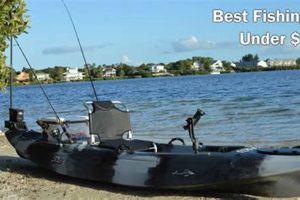
Tip 2: Choose the Right Kayak: Kayak selection significantly impacts stability and maneuverability. Sit-on-top kayaks are recommended for fishing due to their self-bailing design and ease of entry and exit. Consider factors like storage capacity and compatibility with fishing accessories.
Tip 3: Pack Essential Gear: A well-organized kayak equipped with essential gear enhances efficiency. Essential items include a paddle, personal flotation device, appropriate fishing tackle, a first-aid kit, and signaling devices.
Tip 4: Prioritize Safety: Safety should be paramount. Check weather forecasts before embarking on a fishing trip. Inform someone of the intended location and estimated return time. Carry a fully charged communication device.
Tip 5: Employ Proper Kayak Fishing Techniques: Effective kayak angling techniques differ from traditional boat fishing. Learn to cast and retrieve while maintaining balance and kayak control. Practice anchoring or drifting techniques suited to the chosen location.
Tip 6: Respect Wildlife and the Environment: Responsible anglers prioritize conservation. Adhere to catch and release guidelines when appropriate. Properly dispose of fishing line and other waste materials. Avoid disturbing nesting areas or other wildlife habitats.
Tip 7: Check Regulations and Obtain Licenses: Compliance with Tennessee fishing regulations is essential. Obtain the necessary licenses and familiarize oneself with size and creel limits for targeted species. Be aware of any specific regulations pertaining to the chosen fishing location.
By adhering to these guidelines, anglers can enhance their chances of a successful and enjoyable kayak fishing experience while contributing to the preservation of Tennessee’s aquatic resources.
Armed with these tips, anglers can embark on their Tennessee kayak fishing adventure with confidence. The following section will offer concluding thoughts and encourage responsible exploration of the state’s diverse waterways.
1. Location

Location plays a pivotal role in successful kayak fishing within Tennessee. The diverse landscape offers a variety of aquatic environments, each possessing unique characteristics influencing fish populations and angling opportunities. The selection of a suitable location directly impacts the potential for a productive and rewarding fishing experience. Factors such as water clarity, current flow, vegetation, and depth contribute significantly to the presence and behavior of target species. For example, the shallow, weedy backwaters of Reelfoot Lake offer excellent habitat for largemouth bass and crappie, while the swift, clear waters of the Clinch River are renowned for smallmouth bass and trout. Understanding these relationships allows anglers to strategically select locations based on desired species and preferred fishing techniques.
Choosing an optimal location involves considering accessibility, available amenities, and potential challenges. Some locations may require longer paddles or portages to reach prime fishing areas. Others may offer convenient boat ramps and parking facilities. Assessing these logistical aspects ensures a smoother and more efficient outing. For instance, accessing remote sections of the Hiwassee River may necessitate a longer paddle or float trip, while several public access points along the Tennessee River provide convenient entry points for kayak anglers. Furthermore, considering factors like prevailing wind conditions and potential hazards such as submerged logs or rocks contributes to a safer and more enjoyable experience. Researching local fishing reports and consulting with experienced anglers can provide valuable insights into current fishing conditions and preferred locations for specific species.
Strategic location selection is fundamental to maximizing fishing success in Tennessee. By understanding the interplay between location, species, and environmental factors, anglers can make informed decisions that enhance their chances of a productive and rewarding experience. This knowledge empowers anglers to explore the diverse waters of Tennessee and discover its hidden angling treasures. Combining careful location selection with appropriate gear and effective fishing techniques contributes to a comprehensive approach that elevates the overall kayak fishing experience.
2. Species

Tennessee’s diverse waters host a rich variety of fish species, making it a compelling destination for kayak anglers. Understanding the target species’ habits, habitat preferences, and seasonal patterns is crucial for optimizing fishing success. Different species present unique challenges and rewards, influencing tackle choices, fishing techniques, and location selection. This section explores the connection between specific fish species and the overall kayak fishing experience in Tennessee.
- Largemouth Bass
Largemouth bass are a popular target for kayak anglers due to their aggressive nature and widespread distribution throughout Tennessee. They thrive in a variety of habitats, including lakes, reservoirs, and rivers. Understanding their feeding patterns and preferred cover, such as submerged vegetation, fallen trees, and rocky ledges, allows anglers to effectively target these prized game fish. Kayaks provide an advantage in accessing shallow, vegetated areas often inaccessible to larger boats.
- Smallmouth Bass
Smallmouth bass prefer clearer, flowing water, making Tennessee’s rivers and streams ideal habitats. They are known for their acrobatic fights and challenging nature. Kayak anglers can effectively target smallmouth bass by drifting along river currents and presenting lures near rocky structures and current breaks. Their presence in these environments underscores the importance of maneuverability and stealth offered by kayaks.
- Crappie
Crappie are a popular panfish species found throughout Tennessee. They congregate around submerged structures like brush piles and docks, making them ideal targets for kayak anglers. Using light tackle and small jigs or minnows can be highly effective. Kayaks provide a stable platform for vertical jigging and allow access to tight spaces where crappie often gather.
- Catfish
Tennessee’s waters hold various catfish species, including channel catfish, blue catfish, and flathead catfish. These bottom-dwelling fish can be caught using a variety of techniques, including bottom fishing with bait and trolling. Kayaks offer a stable platform for anchoring and deploying multiple lines, increasing the chances of a successful catch. Targeting catfish from a kayak provides a unique and rewarding angling experience.
The diversity of fish species in Tennessee contributes significantly to the state’s appeal as a kayak fishing destination. By understanding the specific characteristics and habitat preferences of each species, anglers can tailor their approach and maximize their chances of success. This knowledge, combined with appropriate kayak selection, fishing techniques, and location choices, enhances the overall experience and ensures a rewarding time on the water.
3. Gear

Specialized gear significantly enhances the kayak fishing experience in Tennessee. Appropriate equipment selection contributes to safety, efficiency, and overall fishing success. From the kayak itself to rods, reels, and essential accessories, understanding the function and purpose of each component is crucial for maximizing enjoyment and productivity on the water. The following facets detail essential gear considerations for optimal kayak fishing in Tennessee.
- Kayak Selection
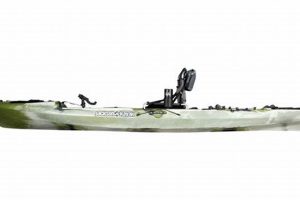
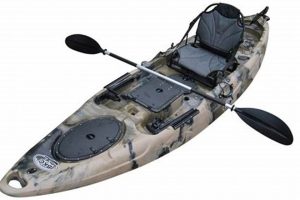
Kayak choice significantly impacts stability, maneuverability, and storage capacity. Sit-on-top kayaks are generally preferred for fishing due to their self-bailing design and ease of entry and exit. Consider factors like length, width, and weight capacity when selecting a kayak. Longer kayaks track better in open water, while shorter kayaks offer enhanced maneuverability in tight spaces. Specialized fishing kayaks often feature built-in rod holders, storage compartments, and anchor trolleys.
- Rods and Reels
Selecting appropriate rods and reels depends on the target species and fishing techniques employed. Shorter rods (6-7 feet) are ideal for close-quarters casting and maneuvering in a kayak. Spinning reels are versatile and well-suited for a variety of fishing situations. Baitcasting reels offer increased accuracy and control for experienced anglers. Consider rod power and reel gear ratios based on the size and fighting ability of the target species.
- Tackle and Accessories
Essential tackle includes a selection of lures, hooks, weights, and line appropriate for the target species. Consider using a tackle box designed for kayak fishing, maximizing organization and accessibility within the limited space. Essential accessories include a personal flotation device (PFD), a paddle leash, a fishing net, and a dry bag for storing electronics and valuables. An anchor and anchor trolley system can be valuable for maintaining position in current or wind.
- Safety Equipment
Prioritizing safety is paramount in kayak fishing. Essential safety equipment includes a whistle, a signaling mirror, and a waterproof flashlight or headlamp. A first-aid kit and a communication device, such as a VHF radio or a cell phone in a waterproof case, are crucial for emergencies. Checking weather forecasts before embarking and informing someone of the planned fishing location and return time enhances safety precautions.
Appropriate gear selection directly impacts the overall kayak fishing experience. By carefully considering the function and purpose of each component, anglers can optimize their preparedness, enhance their efficiency on the water, and ultimately increase their chances of fishing success. Investing in quality gear tailored to the specific demands of kayak fishing in Tennessee ensures a safe, productive, and enjoyable outing.
4. Safety

Safety is paramount for a successful kayak fishing experience in Tennessee. While the state offers abundant opportunities for anglers, the inherent risks associated with on-water activities necessitate careful planning and preparation. Understanding potential hazards and implementing appropriate safety measures ensures a positive and incident-free outing. Neglecting safety protocols can compromise not only the fishing experience but also personal well-being. The following facets detail crucial safety considerations for kayak fishing in Tennessee.
- Personal Flotation Devices (PFDs)
Wearing a properly fitted PFD is non-negotiable. PFDs provide essential buoyancy in the event of capsizing or accidental immersion, significantly increasing the chances of survival. Tennessee law mandates PFD availability for each person on board a vessel, but consistent usage, regardless of swimming proficiency, is crucial. A PFD’s effectiveness diminishes significantly if not worn consistently. Choosing a comfortable, well-maintained PFD designed for paddling enhances both safety and comfort.
- Weather Awareness
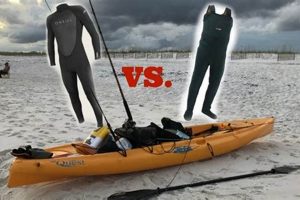
Checking weather forecasts before embarking on a kayak fishing trip is crucial. Sudden changes in weather conditions, such as strong winds, thunderstorms, or rapid temperature drops, can create hazardous situations on the water. Postponing trips during adverse weather demonstrates responsible decision-making and mitigates potential risks. Monitoring weather conditions throughout the outing allows for proactive responses to changing circumstances. Being prepared for unexpected weather changes, such as having appropriate rain gear and readily accessible emergency supplies, further enhances safety.
- Navigation and Communication
Carrying a map, compass, or GPS device aids navigation, especially in unfamiliar waters or during low-light conditions. Informing someone of the intended fishing location and estimated return time provides an additional safety net. A fully charged communication device, such as a VHF radio or a cell phone in a waterproof case, enables communication in case of emergencies or unforeseen circumstances. Regular communication with others while on the water further enhances safety protocols.
- Awareness of Water Conditions
Understanding water conditions, including current flow, water temperature, and potential hazards such as submerged debris or rocks, contributes significantly to safe kayak operation. River currents can be deceptively strong, especially after rainfall. Cold water immersion poses a significant risk of hypothermia. Avoiding areas with known hazards or strong currents minimizes potential risks. Exercising caution near dams, spillways, and areas with heavy boat traffic enhances safe navigation practices.
Prioritizing safety transforms enjoyable kayak fishing trips into responsible and secure excursions. Implementing these safety measures ensures peace of mind, allowing anglers to fully appreciate the experience and the natural beauty of Tennessee’s waterways. Integrating safety practices into every aspect of the kayak fishing experience ensures not only personal well-being but also the preservation of a positive and sustainable recreational environment. By prioritizing safety, anglers contribute to a culture of responsible enjoyment of Tennessee’s abundant fishing resources.
5. Techniques

Effective kayak fishing techniques in Tennessee differ significantly from traditional boat-based angling. Kayak anglers must consider factors such as limited space, maneuverability, and the impact of wind and current on boat control. Mastering specialized techniques enhances fishing success and contributes significantly to a rewarding experience. These techniques encompass casting, retrieval, boat control, and fish fighting strategies tailored to the kayak fishing environment. For example, employing a sidearm or underhand casting technique improves accuracy and prevents entanglement with overhead obstacles, a common challenge in kayak fishing. Similarly, adjusting retrieval speed and lure action based on the target species and water conditions maximizes lure effectiveness and increases the likelihood of attracting fish.
Boat control plays a crucial role in successful kayak fishing. Techniques like anchoring, drifting, and paddling into position optimize presentation and allow anglers to target specific areas effectively. Anchoring provides stability in current or wind, allowing focused fishing in a designated spot. Drift fishing enables covering a wider area and presenting lures naturally along current seams or structure edges. Paddle control facilitates precise maneuvering in tight spaces, such as along weed lines or around submerged timber. For instance, quietly paddling upwind and drifting along a weed bed allows for targeted casting to bass holding in ambush positions. Understanding and applying these techniques empowers anglers to navigate various fishing scenarios effectively.
Fighting and landing fish from a kayak require specialized techniques. Maintaining balance and boat control while managing a hooked fish presents a unique challenge. Using the kayak’s maneuverability to tire the fish and avoid line entanglement is crucial. Keeping the rod tip low and using side pressure helps control larger fish and reduces the risk of capsizing. A landing net designed for kayak fishing simplifies the process of bringing fish on board safely. For example, when fighting a strong-running fish like a striped bass, turning the kayak and allowing the fish to tow the boat helps tire it without overexerting the angler. Mastering these techniques ensures a safe and efficient process, minimizing stress on both the angler and the fish. Proficient application of these techniques distinguishes successful kayak anglers and contributes significantly to a rewarding experience on Tennessee’s diverse waters.
6. Regulations

Adhering to fishing regulations is essential for maintaining healthy fish populations and preserving the quality of Tennessee’s aquatic ecosystems. Regulations, established by the Tennessee Wildlife Resources Agency (TWRA), govern aspects such as licensing requirements, size limits, creel limits, and permitted fishing methods. These regulations are designed to ensure sustainable fishing practices and protect vulnerable species. Ignoring these regulations can lead to fines, license revocation, and negatively impact the long-term health of fish populations. For example, exceeding the creel limit for smallmouth bass on a particular river segment depletes the breeding stock and compromises the future health of the fishery. Understanding and complying with these regulations is not merely a legal obligation but a crucial element of responsible angling.
Specific regulations vary depending on the body of water and the target species. Some areas may have closed seasons to protect spawning fish, while others may have specific tackle restrictions to minimize environmental impact. Consulting the TWRA’s official website or contacting regional offices provides access to up-to-date information on fishing regulations specific to chosen locations. For instance, certain reservoirs may prohibit the use of live baitfish to prevent the introduction of invasive species, while others may have specific size limits for trout to protect younger fish and maintain a healthy population structure. Familiarizing oneself with these specific regulations before fishing is crucial for ensuring compliance and contributing to sustainable fishing practices. Moreover, understanding the rationale behind these regulations fosters a deeper appreciation for conservation efforts and the importance of responsible angling in preserving Tennessee’s aquatic resources.
Compliance with fishing regulations is integral to maintaining the quality of kayak fishing experiences in Tennessee. By adhering to these rules, anglers contribute to the long-term health and sustainability of fish populations and the overall aquatic environment. Responsible angling practices, underpinned by a thorough understanding and consistent adherence to regulations, ensure the preservation of Tennessee’s valuable fishing resources for future generations. This respect for regulations aligns directly with the pursuit of “best” kayak fishing, as it encompasses not only catching fish but also actively participating in the conservation of the very ecosystems that support this recreational activity. This holistic approach ensures the longevity and quality of kayak fishing in Tennessee.
7. Access

Easy access to suitable launch points significantly influences the overall kayak fishing experience in Tennessee. Convenient access facilitates efficient use of fishing time and contributes to a seamless and enjoyable outing. Analyzing factors like proximity to target fishing areas, availability of parking, and the presence of amenities like boat ramps or designated kayak launch sites provides valuable insights for anglers seeking optimal locations. Furthermore, understanding access considerations, including permit requirements or access fees for certain areas, ensures compliance with regulations and fosters responsible use of resources. This examination explores the multifaceted relationship between access and achieving the best kayak fishing experience in Tennessee.
- Public Access Points
Tennessee offers numerous public access points along its rivers, lakes, and reservoirs, facilitating convenient entry for kayak anglers. These designated areas often feature boat ramps, parking facilities, and restroom amenities. Utilizing these established access points simplifies logistics and allows anglers to focus on the fishing experience. For example, the TWRA maintains numerous boat ramps and fishing piers along the Tennessee River, providing convenient access for kayak anglers targeting various species. Leveraging these resources ensures a smooth and efficient start to the fishing day.
- Remote Access and Portage Considerations
While public access points offer convenience, accessing more remote and secluded fishing spots often requires portaging kayaks over short distances. This may involve carrying the kayak from a parking area to the water’s edge or navigating around obstacles like fallen trees or shallow riffles. Understanding the potential for portages and preparing accordingly, including using kayak carts or lightweight gear, enhances accessibility to these less-frequented areas. For instance, accessing pristine stretches of smaller streams in the Great Smoky Mountains National Park may require short portages, rewarding anglers with access to less-pressured fishing opportunities.
- Private Property and Permission Requirements
Respecting private property boundaries is crucial when accessing Tennessee’s waterways. Fishing from or accessing the water through private land requires obtaining explicit permission from the landowner. Ignoring these boundaries can lead to legal issues and damage relationships with local communities. Open communication and respect for property rights ensure continued access to valuable fishing areas and foster positive relationships between anglers and landowners. For example, some sections of the Duck River flow through private property, requiring anglers to obtain permission before launching kayaks or fishing from the banks.
- Accessibility for Individuals with Disabilities
Accessibility considerations for anglers with disabilities are increasingly important. Some access points in Tennessee offer adaptive features like accessible fishing piers, ramps, and designated parking areas. Researching locations with these amenities beforehand ensures an inclusive and enjoyable experience for all anglers. For example, some state parks offer accessible kayak launches and fishing platforms, promoting inclusivity and enabling anglers with disabilities to participate fully in the sport. Promoting accessible fishing opportunities enhances the overall angling experience and fosters a welcoming environment for all individuals.
Convenient and responsible access is integral to maximizing the kayak fishing experience in Tennessee. By understanding the various access options, including public access points, remote access considerations, and private property boundaries, anglers can effectively plan their trips and maximize their time on the water. Respecting regulations, practicing Leave No Trace principles, and considering accessibility needs contributes to a sustainable and inclusive angling environment, ensuring that Tennessee’s waterways remain accessible and enjoyable for all. This comprehensive approach, combining access considerations with other factors such as species targeting and safety protocols, defines the pursuit of “best” kayak fishing in Tennessee.
Frequently Asked Questions
This section addresses common inquiries regarding kayak fishing in Tennessee, providing concise and informative responses to facilitate informed decision-making and enhance the overall angling experience.
Question 1: What are the best locations for kayak fishing in Tennessee?
Optimal locations vary depending on target species. Reelfoot Lake offers excellent crappie and largemouth bass fishing. The Caney Fork River is renowned for smallmouth bass. Chickamauga Lake provides diverse fishing opportunities for several species. Researching specific locations based on target species is recommended.
Question 2: What type of kayak is best suited for fishing in Tennessee?
Sit-on-top kayaks are generally preferred for their stability, self-bailing design, and ease of entry and exit. Consider factors like length, width, and storage capacity based on individual needs and fishing style. Specialized fishing kayaks offer additional features like rod holders and anchor trolleys.
Question 3: What essential gear is required for kayak fishing?
Essential gear includes a properly fitted personal flotation device (PFD), a paddle, appropriate fishing rods and reels, tackle suited to the target species, a fishing net, and a dry bag for storing valuables. Additional accessories like an anchor, a fish finder, and a GPS device can enhance the experience.
Question 4: Are there specific regulations for kayak fishing in Tennessee?
Standard fishing regulations apply to all anglers, including those fishing from kayaks. These regulations encompass licensing requirements, size and creel limits for various species, and permitted fishing methods. Consulting the Tennessee Wildlife Resources Agency (TWRA) website provides detailed information on current regulations.
Question 5: What safety precautions should one take when kayak fishing?
Prioritizing safety is crucial. Always wear a PFD, check weather forecasts before embarking, inform someone of the fishing location and estimated return time, and carry a communication device. Being aware of water conditions and potential hazards, such as strong currents or submerged debris, further enhances safety.
Question 6: Where can one find information on access points for kayak fishing in Tennessee?
The TWRA website provides information on public access points, including boat ramps and fishing piers. Local bait shops and outfitters can also offer valuable insights into access locations suitable for kayak fishing. Respecting private property boundaries and obtaining permission when necessary is essential.
Addressing these common questions provides a foundation for a safe, enjoyable, and productive kayak fishing experience in Tennessee. Thorough preparation, responsible angling practices, and respect for regulations contribute significantly to preserving the states valuable aquatic resources.
For further exploration of specific fishing locations, techniques, or species-specific information, consult the detailed sections within this comprehensive guide to kayak fishing in Tennessee.
Best Kayak Fishing in Tennessee
Optimal kayak fishing in Tennessee necessitates a comprehensive approach encompassing strategic location selection, targeted species identification, appropriate gear utilization, and rigorous adherence to safety regulations. Understanding the interplay of these elements maximizes angling success while contributing to the preservation of the state’s diverse aquatic ecosystems. From the tranquil waters of Reelfoot Lake to the challenging currents of the Caney Fork River, Tennessee offers unparalleled opportunities for kayak anglers seeking a unique and rewarding experience. Careful consideration of access points, specialized techniques, and responsible angling practices further enhances enjoyment and ensures the sustainability of this valuable recreational pursuit.
Tennessee’s waterways offer an exceptional backdrop for experiencing the synergy of nature and angling. The pursuit of best kayak fishing embodies not merely the pursuit of trophy catches, but a deeper connection with the natural world. Responsible stewardship, informed decision-making, and continuous learning ensure the preservation of this unique angling experience for generations to come. Embracing these principles allows anglers to fully appreciate the diverse offerings of Tennessee’s aquatic ecosystems while actively contributing to their long-term health and vitality. The future of best kayak fishing in Tennessee rests upon the collective commitment to preserving these resources and fostering a culture of responsible angling.