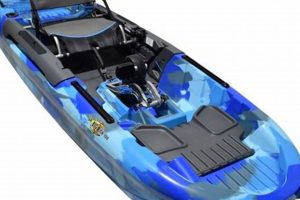
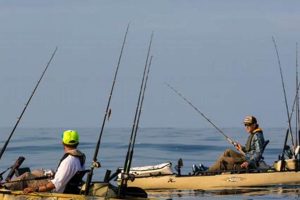
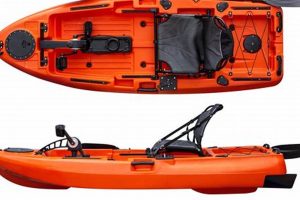
Anglers seeking enhanced stability and visibility often utilize specialized kayaks equipped with elevated platforms. These platforms, sometimes resembling bars, allow for a standing position, providing a wider casting range and improved sightlines for spotting fish or navigating shallow waters. This design caters specifically to the demands of fishing, offering advantages over traditional seated kayak configurations.
The ability to stand while fishing significantly improves leverage and balance, crucial for battling larger fish. An elevated perspective provides a distinct advantage in spotting fish, particularly in clear, shallow environments. This innovation in kayak design enhances angler comfort and reduces fatigue during longer fishing trips, promoting a more enjoyable and productive experience. Historically, anglers were restricted to seated positions, limiting their range of motion and visibility. The development of stable, stand-up platforms represents a substantial advancement in kayak fishing technology.
This article will further explore the various features, benefits, and types of kayaks designed for stand-up fishing, including discussions on stability, materials, and specific design considerations. It will also delve into the practical aspects of using these specialized watercraft, offering guidance for both novice and experienced anglers.
Tips for Elevated Kayak Fishing
Optimizing the use of kayaks designed for stand-up fishing requires careful consideration of several factors. The following tips provide guidance for maximizing stability, safety, and fishing success.
Tip 1: Prioritize Stability: Select a kayak with a wide, stable hull specifically designed for stand-up fishing. Consider multi-hull designs for enhanced stability.
Tip 2: Practice Mounting and Dismounting: Practice entering and exiting the standing position in calm, shallow water before venturing into deeper or more challenging conditions. Familiarize oneself with the kayak’s balance points.
Tip 3: Distribute Weight Evenly: Ensure weight is distributed evenly within the kayak to maintain balance. Avoid sudden shifts in weight or leaning too far to one side.
Tip 4: Utilize a Leash: Secure essential gear, including paddles and fishing rods, with leashes to prevent loss in the event of a fall.
Tip 5: Wear a Personal Flotation Device (PFD): A PFD is essential safety equipment and should always be worn while kayak fishing, especially when standing.
Tip 6: Choose Appropriate Water Conditions: Avoid standing in rough water conditions, strong currents, or high winds. Opt for calm, sheltered areas for stand-up fishing.
Tip 7: Minimize Movement While Standing: Keep movements slow and deliberate while standing to maintain balance and avoid tipping. Anticipate the kayak’s rocking motion.
Tip 8: Use a Stabilizer: Outriggers or stabilizers can further enhance stability, especially for beginners or in challenging conditions. Consider these additions for extra security.
By adhering to these guidelines, anglers can significantly enhance their safety and enjoyment while maximizing the benefits of elevated kayak fishing.
These tips offer practical advice for anglers seeking to improve their experience with stand-up fishing kayaks. The following section concludes the discussion with key takeaways and considerations for selecting and utilizing this specialized equipment.
1. Stability

Stability is a critical factor in kayak fishing, particularly when incorporating a stand-up bar. A stable platform is essential for maintaining balance, ensuring angler safety, and maximizing fishing effectiveness. This section explores the key facets contributing to stability in kayaks designed for stand-up fishing.
- Hull Design
Hull design significantly influences stability. Wider hulls generally provide greater initial stability, resisting tipping. Flat-bottomed hulls offer excellent primary stability, ideal for calm waters and stand-up fishing. However, they may be less maneuverable than V-shaped hulls, which offer superior secondary stability, recovering more easily from leans but sacrificing some initial stability. Multi-hull designs, such as catamarans or tri-hull kayaks, provide exceptional stability due to their increased buoyancy and wider base, making them well-suited for stand-up fishing.
- Weight Distribution
Proper weight distribution is crucial for maintaining balance. Evenly distributing gear and maintaining a low center of gravity enhances stability. Positioning heavier items lower in the kayak and avoiding sudden shifts in weight contributes to a more stable platform. The addition of a stand-up bar alters the center of gravity, making weight distribution even more critical.
- Water Conditions
Water conditions directly impact stability. Calm, flat water provides the most stable environment for stand-up fishing. Wind, waves, and currents can significantly compromise stability, making it more challenging to maintain balance. Anglers should carefully assess water conditions before attempting to stand, prioritizing safety and avoiding potentially hazardous situations.
- Angler Experience
An angler’s experience and familiarity with stand-up fishing significantly influence stability. Practicing in calm, shallow water allows anglers to develop balance and coordination before venturing into more challenging conditions. Understanding the kayak’s limitations and reacting appropriately to shifts in balance are crucial skills developed through experience.
Considering these interconnected factorshull design, weight distribution, water conditions, and angler experienceis essential for ensuring stability when using a fishing kayak with a stand-up bar. Prioritizing stability enhances both safety and fishing effectiveness, enabling anglers to confidently enjoy the benefits of an elevated perspective.
2. Elevated Casting

Elevated casting, facilitated by stand-up bars on fishing kayaks, offers distinct advantages over traditional seated casting. The increased height provides an extended casting range, allowing anglers to cover more water and reach otherwise inaccessible areas. This expanded reach proves particularly beneficial in shallow water scenarios, where longer casts prevent spooking fish in the shallows. Additionally, the elevated position allows for greater casting accuracy, particularly in windy conditions. For example, an angler targeting a specific pocket of water near a submerged structure can achieve pinpoint accuracy with an elevated cast, even when facing a moderate headwind. This level of precision is often challenging to achieve from a seated position. The elevated perspective also aids in detecting subtle surface disturbances or fish movements, enhancing target identification and improving the anglers ability to present lures effectively.
The improved leverage and body mechanics afforded by a standing position further enhance casting performance. Standing allows for a more powerful and controlled casting motion, facilitating longer casts with less effort. This is particularly advantageous when using heavier lures or fishing lines, where a seated position might compromise casting distance and accuracy. For instance, when casting large topwater lures or heavy sinking lines for deeper presentations, the stability and leverage of a standing position become crucial. Furthermore, the ability to quickly shift weight and adjust body position while standing allows for dynamic casting adjustments, enhancing the anglers ability to react to changing conditions or fish behavior. This adaptability is often restricted in a seated configuration.
In summary, the integration of stand-up bars on fishing kayaks significantly enhances casting performance through increased range, accuracy, and leverage. This elevated perspective translates to improved target identification, more effective lure presentations, and ultimately, greater fishing success. While requiring practice and attention to stability, the benefits of elevated casting make it a valuable asset for anglers seeking to maximize their effectiveness on the water. The integration of this feature into kayak design represents a significant advancement in fishing kayak technology.
3. Sightlines
Enhanced sightlines represent a significant advantage provided by fishing kayaks equipped with stand-up bars. The elevated perspective afforded by these platforms significantly improves an angler’s ability to observe the surrounding environment, locate fish, and navigate waterways. This improved visibility translates directly into increased fishing success and enhanced situational awareness crucial for safety and navigation.
- Improved Fish Spotting
Standing above the waterline offers a clearer view into the depths, enabling anglers to spot fish, particularly in clear or shallow water environments. This enhanced visibility allows for more targeted casts and increases the likelihood of hooking fish. For example, spotting a school of redfish tailing in shallow flats becomes significantly easier from an elevated position. This advantage extends to sight-fishing for species like bonefish or permit, where spotting the fish before casting is essential.
- Navigation in Shallow Water
Navigating shallow, obstacle-filled waters is significantly easier with improved sightlines. Standing allows for early identification of submerged rocks, oyster beds, or other potential hazards, reducing the risk of grounding or damaging the kayak. This enhanced awareness allows anglers to navigate complex waterways with greater confidence and efficiency, reaching productive fishing areas that might be inaccessible from a seated position. For instance, navigating a shallow, mangrove-lined creek requires careful maneuvering around submerged roots and branches, a task made significantly easier with an elevated view.
- Enhanced Awareness of Surroundings
The improved visibility offered by a standing position enhances overall situational awareness. Anglers can more easily observe changes in water conditions, identify approaching weather patterns, and locate other boats or potential hazards. This heightened awareness contributes significantly to angler safety, particularly in dynamic coastal environments where conditions can change rapidly. For example, spotting an approaching squall line or a fast-moving powerboat becomes significantly easier from an elevated position, providing crucial time to react and seek shelter or adjust course.
- Bird Activity Observation
Observing bird activity is a common technique for locating fish. Standing allows for a wider field of view, making it easier to spot diving birds or other signs of feeding activity. This information can guide anglers toward productive fishing areas, significantly increasing their chances of success. For instance, spotting a flock of terns diving on baitfish indicates a likely concentration of predatory fish below, providing a valuable clue for anglers seeking to capitalize on feeding frenzies.
The enhanced sightlines offered by a fishing kayak equipped with a stand-up bar significantly improve fish spotting, navigation, and overall awareness on the water. These combined advantages translate to increased fishing effectiveness and enhanced safety, making the stand-up bar a valuable feature for anglers seeking to maximize their on-the-water experience. The ability to quickly transition between standing and sitting further expands the versatility of these kayaks, catering to a wide range of fishing styles and environmental conditions.
4. Hands-Free Fishing
Hands-free fishing, facilitated by the stand-up bar on specialized kayaks, offers significant advantages in various fishing scenarios. The bar serves as a stabilizing point, allowing anglers to maintain balance while freeing their hands for essential tasks. This capability proves particularly valuable when landing fish, changing lures, or adjusting fishing lines. For example, when fighting a strong fish, the stand-up bar provides crucial support, enabling anglers to maintain control and leverage without needing to brace themselves with a paddle or other equipment. This enhanced stability allows for more efficient fish handling, minimizing the risk of losing the fish or capsizing the kayak.
Furthermore, the hands-free aspect contributes significantly to safety and efficiency. When navigating challenging waterways or encountering unexpected obstacles, having both hands available for paddling or maneuvering the kayak becomes paramount. Consider navigating through dense vegetation or strong currents; the stand-up bar enables quick and responsive adjustments to maintain course and avoid collisions. Additionally, hands-free operation allows anglers to quickly and safely retrieve dropped items, deploy anchors, or operate electronic devices without compromising balance or stability. This increased efficiency streamlines the fishing experience and allows anglers to focus on the task at hand. The ability to operate a fish finder, adjust a trolling motor, or even grab a drink without relinquishing control of the kayak exemplifies the practical benefits of this design.
In conclusion, the integration of a stand-up bar on fishing kayaks contributes significantly to the practicality and safety of hands-free fishing. From landing fish to navigating complex waterways, the stability and freedom of movement offered by this feature enhance angler control, efficiency, and overall safety. The ability to perform essential tasks without compromising balance represents a significant advancement in kayak fishing technology, further solidifying the stand-up bar as a valuable asset for anglers of all skill levels.
5. Customization Options
Customization options play a crucial role in optimizing fishing kayaks equipped with stand-up bars. Adapting the kayak to individual angler needs and preferences enhances comfort, efficiency, and overall fishing success. These modifications range from simple additions to more complex integrations, each contributing to a personalized and effective fishing platform.
- Rod Holders
Rod holders are essential accessories, providing secure storage and quick access to fishing rods. Various types exist, including flush-mounted, adjustable, and rotating holders. Selecting the appropriate rod holders depends on the targeted fish species and fishing techniques. For example, trolling requires specialized rod holders that maintain proper rod angles, while fly fishing necessitates holders designed for quick rod retrieval. Integrating multiple rod holders allows anglers to switch between different techniques or target multiple species without cumbersome rod storage issues.
- Electronics Mounts
Integrating electronics, such as fish finders and GPS units, significantly enhances fishing effectiveness. Custom mounts secure these devices within easy reach and provide optimal viewing angles. For instance, a fish finder mounted near the stand-up bar provides real-time depth and fish location data without requiring the angler to sit or reach awkwardly. Similarly, a GPS unit mounted within clear sight simplifies navigation, particularly in unfamiliar waters or during low-light conditions. Strategic placement of electronics enhances situational awareness and improves decision-making while fishing.
- Tackle Storage Solutions
Efficient tackle organization is crucial for maintaining a streamlined and productive fishing experience. Customizable storage solutions, such as tackle boxes, trays, and bags, integrated into the kayak’s design, ensure that essential gear remains readily accessible. Specialized compartments for lures, hooks, and other small items prevent tangling and facilitate quick lure changes. For example, a dedicated compartment for soft plastic lures prevents them from drying out or becoming deformed, while a separate area for hooks and weights maintains organization and prevents accidental spills. Optimizing tackle storage contributes significantly to efficiency and reduces wasted time searching for equipment.
- Anchor Systems
Anchor systems allow anglers to maintain position in specific locations, particularly in areas with current or wind. Various anchor types, including stake-out poles, drift socks, and traditional anchors, can be integrated into the kayak’s design. Selecting the appropriate anchor system depends on the fishing environment and target species. For example, a stake-out pole is ideal for shallow water fishing in calm conditions, while a drift sock is more effective in deeper water with moderate current. A well-designed anchor system enhances fishing effectiveness by allowing anglers to focus on specific areas without constantly battling drift.
These customization options, when thoughtfully integrated, transform a standard fishing kayak with a stand-up bar into a highly personalized and effective fishing platform. Tailoring the kayak to individual needs and preferences maximizes comfort, efficiency, and ultimately, fishing success. The ability to adapt the kayak to specific fishing styles and target species further underscores the versatility and adaptability of these specialized watercraft.
Frequently Asked Questions
This section addresses common inquiries regarding fishing kayaks equipped with stand-up bars, providing concise and informative responses.
Question 1: Do stand-up bars compromise kayak stability?
While adding a stand-up bar alters the center of gravity, kayaks designed for this feature incorporate design elements like wider hulls and increased buoyancy to compensate. Stability depends significantly on the specific kayak model and adherence to safe operating practices.
Question 2: Are these kayaks suitable for beginners?
Beginners can utilize kayaks with stand-up bars, but a period of practice and familiarization in calm, shallow water is strongly recommended. Selecting a model with exceptional stability is crucial for novice anglers.
Question 3: What are the weight capacity limitations of these kayaks?
Weight capacity varies significantly between models. Consulting manufacturer specifications is essential to ensure the kayak can safely accommodate the angler’s weight, gear, and potential catch.
Question 4: What materials are typically used in the construction of these kayaks?
Common materials include high-density polyethylene (HDPE), rotomolded plastic, and fiberglass. Each material offers distinct advantages and disadvantages regarding durability, weight, and cost. HDPE is known for its durability and impact resistance, while fiberglass offers greater rigidity and performance.
Question 5: Are modifications or additions to the stand-up bar possible?
Modifications are possible but require careful consideration of stability and structural integrity. Consulting the manufacturer before making any modifications is recommended to avoid compromising safety or warranty coverage.
Question 6: What safety precautions should one take when using a stand-up bar?
Always wear a personal flotation device (PFD). Practice entering and exiting the standing position in calm water. Distribute weight evenly, avoid sudden movements, and select appropriate water conditions for stand-up fishing. A leash for essential gear is also recommended.
Understanding these key aspects of stand-up bar fishing kayaks facilitates informed decisions and promotes safe and enjoyable fishing experiences. Thorough research and careful consideration of individual needs are paramount when selecting a suitable model.
The following section offers concluding remarks and summarizes the key benefits and considerations related to fishing kayaks equipped with stand-up bars.
Fishing Kayak with Stand Up Bar
Fishing kayaks equipped with stand-up bars offer anglers distinct advantages in various fishing scenarios. Enhanced stability, elevated casting capabilities, improved sightlines, and hands-free operation contribute to increased fishing effectiveness and safety. Customization options further personalize these platforms, adapting them to individual angler preferences and fishing styles. Careful consideration of hull design, weight capacity, materials, and available features is essential for selecting a suitable model. Adherence to safe operating practices remains paramount, regardless of angler experience.
The evolution of kayak fishing continues, driven by innovation and angler demand for specialized equipment. Stand-up bar kayaks represent a significant advancement in this progression, offering enhanced versatility and functionality. Thorough research and informed decision-making empower anglers to select the appropriate equipment, maximizing their enjoyment and success on the water.