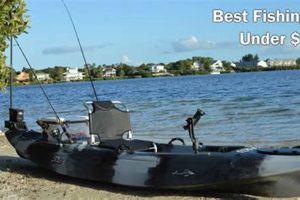
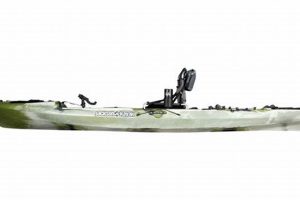
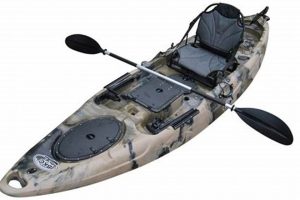
A high-quality tandem fishing kayak is designed to provide stability, comfort, and ample space for two anglers and their gear. These vessels often feature specialized seating, rod holders, and storage compartments tailored for fishing expeditions. For example, some models include adjustable seating configurations and integrated livewells for keeping catches fresh.
Tandem kayaks offer several advantages for anglers. Shared paddling reduces individual effort, allowing for longer excursions and exploration of more distant fishing spots. The increased stability compared to solo kayaks provides a secure platform for casting and reeling. Furthermore, sharing the experience fosters camaraderie and enhances the overall enjoyment of fishing. The evolution of kayak design has led to significant improvements in tandem models, offering features like pedal drives and advanced hull designs for enhanced maneuverability and tracking in diverse water conditions.
This article will delve into key features to consider when selecting a tandem fishing kayak, including hull design, material construction, weight capacity, storage options, and specialized fishing features. Subsequent sections will explore popular models, maintenance tips, and safety considerations for a rewarding and safe tandem kayaking experience.
Tips for Selecting a Tandem Fishing Kayak
Choosing the right tandem fishing kayak requires careful consideration of various factors to ensure optimal performance, comfort, and safety on the water.
Tip 1: Consider Hull Design: Different hull designs offer varying degrees of stability and maneuverability. A flatter hull provides greater initial stability, ideal for calm waters and stand-up fishing, while a V-shaped hull offers better tracking and performance in rougher conditions.
Tip 2: Evaluate Weight Capacity: Ensure the kayak’s weight capacity accommodates the combined weight of two anglers, gear, and potential catches. Exceeding the capacity can compromise stability and safety.
Tip 3: Prioritize Seating and Comfort: Adjustable seating systems and ample legroom contribute to a comfortable fishing experience, especially during longer excursions. Consider features like padded seats and adjustable backrests.
Tip 4: Assess Storage Options: Adequate storage is crucial for fishing gear, personal items, and catches. Look for features such as dry hatches, sealed compartments, and bungee cords for securing equipment.
Tip 5: Examine Fishing-Specific Features: Consider integrated rod holders, fish finders, and transducer mounts. Some models offer specialized features like livewells or bait tanks for keeping catches fresh.
Tip 6: Choose Suitable Materials: Kayaks are typically constructed from polyethylene or composite materials. Polyethylene offers durability and affordability, while composites provide lighter weight and enhanced performance.
Tip 7: Research Propulsion Systems: Consider paddle-powered options or kayaks with pedal drives or electric motors. Motorized options can cover greater distances and access more remote fishing areas.
By carefully considering these factors, anglers can select a tandem fishing kayak that aligns with their individual needs, preferences, and fishing styles, promoting a safe and enjoyable experience on the water.
The subsequent section will explore popular models and provide further insights into maintenance and safety considerations.
1. Stability

Stability is a paramount consideration when selecting a tandem fishing kayak. A stable platform is essential for comfortable casting, reeling, and landing fish, particularly in challenging conditions. It directly impacts safety and angler confidence, enabling a more enjoyable and productive fishing experience.
- Primary Stability
Primary stability refers to a kayak’s resistance to tipping when sitting still or making small movements. A wider hull and lower center of gravity contribute to higher primary stability, making it ideal for calm water fishing and activities like stand-up casting. A kayak with superior primary stability instills confidence and allows anglers to focus on fishing rather than maintaining balance.
- Secondary Stability
Secondary stability describes a kayak’s ability to resist capsizing when leaned or tilted. This comes into play during maneuvers, encountering waves, or when battling a strong fish. Kayaks with rounded or flared hulls tend to offer better secondary stability, providing a reassuring feel even when the kayak is angled. This characteristic is crucial for navigating choppy water or handling unexpected movements.
- Hull Design Influence
Hull design significantly influences both primary and secondary stability. Flatter hulls offer greater initial stability, while V-shaped hulls provide better tracking and performance in rougher conditions. Pontoon hulls provide exceptional stability, making them ideal for fishing platforms. Understanding the nuances of hull design is crucial for matching a kayak’s stability characteristics to the intended fishing environment and angler preferences.
- Impact of Weight Distribution
Proper weight distribution within the kayak plays a crucial role in overall stability. Evenly distributing gear and ensuring proper seating positions can enhance stability and prevent tipping. Overloading a kayak or concentrating weight in one area can negatively impact stability and increase the risk of capsizing. Adhering to the manufacturer’s recommended weight capacity and distributing weight evenly is essential for safe and stable operation.
The synergy between these stability factors contributes significantly to the overall performance and suitability of a tandem fishing kayak. By carefully evaluating these aspects, anglers can choose a vessel that offers the ideal balance of stability and maneuverability for their specific needs and fishing environment, ensuring a safe, comfortable, and successful fishing experience.
2. Comfort

Comfort is a crucial factor influencing the overall enjoyment and success of tandem fishing kayak outings. Discomfort can lead to fatigue, reduced focus, and a shortened fishing trip. A comfortable kayak allows anglers to concentrate on fishing, enhancing the overall experience and increasing the likelihood of a successful catch. Several key elements contribute to comfort in a tandem fishing kayak.
Seat Design: Well-designed seating plays a pivotal role in angler comfort. Adjustable seating systems allow for customization based on individual preferences and body types. Features like padded seats, adjustable backrests, and ample legroom contribute to sustained comfort, especially during long hours on the water. High-back seats offer superior support, reducing back strain and fatigue. Ergonomically designed seats promote proper posture and minimize pressure points, further enhancing comfort and preventing discomfort.
Space and Legroom: Adequate space and legroom are essential for comfort, particularly for larger individuals or longer trips. Sufficient space allows for easy movement within the kayak and prevents feelings of confinement. Ample legroom allows anglers to stretch and change positions, reducing stiffness and discomfort. A spacious cockpit allows for comfortable entry and exit, which is particularly important for individuals with mobility limitations.
Stability and Comfort Interplay: Stability and comfort are intrinsically linked. A stable kayak provides a secure and reassuring platform, reducing anxiety and promoting relaxation. This allows anglers to focus on fishing rather than maintaining balance, contributing to a more comfortable and enjoyable experience. Reduced rocking and swaying minimizes motion sickness and enhances overall comfort, particularly in choppy water.
In conclusion, prioritizing comfort when selecting a tandem fishing kayak contributes significantly to the overall enjoyment and success of fishing trips. By carefully considering seat design, space, and the interplay between stability and comfort, anglers can choose a vessel that maximizes comfort and allows for extended time on the water, ultimately increasing the chances of a successful and enjoyable fishing experience. Neglecting comfort can detract from the overall experience, leading to fatigue, reduced focus, and a shortened fishing trip. Therefore, prioritizing comfort is essential for maximizing the enjoyment and effectiveness of tandem kayak fishing adventures.
3. Durability

Durability is a critical factor in evaluating tandem fishing kayaks, directly impacting the vessel’s lifespan and overall value. A durable kayak withstands the rigors of regular use, including impacts, abrasion, and exposure to various environmental conditions. This translates to fewer repairs, reduced replacement costs, and more time spent on the water. Selecting a durable kayak ensures long-term reliability and contributes to a positive ownership experience.
- Material Selection
The choice of material significantly influences a kayak’s durability. Polyethylene kayaks are known for their impact resistance and affordability, making them suitable for recreational use and handling occasional bumps and scrapes. Composite materials, such as fiberglass or Kevlar, offer enhanced strength and lighter weight but often come at a higher price point. Understanding the properties of different materials allows for informed decisions based on intended usage and budget considerations.
- Construction Quality
Construction quality plays a crucial role in a kayak’s ability to withstand wear and tear. Properly sealed seams and robust hull construction prevent leaks and structural damage. Reinforced areas, particularly in high-impact zones like the keel and stern, enhance durability and protect against damage from collisions or grounding. Examining the construction details, such as the quality of welds or lamination, can provide insights into a kayak’s overall durability.
- UV Resistance
Exposure to ultraviolet (UV) radiation from sunlight can degrade kayak materials over time, leading to fading, cracking, and reduced structural integrity. UV-resistant coatings and additives protect against sun damage, prolonging the lifespan of the kayak. Storing the kayak out of direct sunlight when not in use further minimizes UV exposure and helps maintain its appearance and structural integrity.
- Maintenance and Care
Proper maintenance and care contribute significantly to a kayak’s longevity. Regular cleaning removes dirt, grime, and saltwater residue that can corrode materials. Inspecting the kayak for damage and addressing minor repairs promptly prevents further deterioration. Proper storage, preferably in a covered area or on a rack, protects the kayak from environmental elements and extends its lifespan. Adhering to recommended maintenance practices ensures optimal performance and preserves the kayak’s value over time.
Investing in a durable tandem fishing kayak translates to long-term reliability, reduced maintenance costs, and more time enjoying the sport of fishing. A durable vessel withstands the inevitable wear and tear of regular use, providing a dependable platform for countless fishing adventures. By carefully considering material selection, construction quality, UV resistance, and maintenance practices, anglers can choose a kayak that offers exceptional durability and long-lasting performance, maximizing the return on investment and ensuring years of enjoyable fishing experiences.
4. Storage Capacity
Ample storage capacity is a defining characteristic of a high-quality tandem fishing kayak. Sufficient storage is essential for accommodating fishing gear, personal items, and catches, ensuring a comfortable and productive fishing experience. Inadequate storage can lead to clutter, disorganization, and compromised safety on the water. Evaluating storage options is therefore crucial when selecting a tandem fishing kayak.
- Types of Storage
Various storage options are available in tandem fishing kayaks, catering to diverse needs and preferences. These include open storage areas with bungee cords for securing items, dry hatches for protecting sensitive gear from water, and sealed compartments for storing smaller items and valuables. Some models offer specialized storage solutions, such as tackle boxes and rod holders, further enhancing organization and convenience.
- Capacity and Accessibility
The overall storage capacity and ease of access are critical considerations. Sufficient capacity ensures that all necessary gear and equipment can be stowed securely. Easy access to storage compartments allows for quick retrieval of items without disrupting the fishing process. Well-placed hatches and compartments minimize the need to reach across the kayak, enhancing stability and safety.
- Weight Distribution and Storage
The distribution of weight within the kayak affects stability and performance. Properly distributing gear within storage compartments helps maintain balance and prevents tipping. Overloading storage areas can compromise stability and create an unsafe environment. Understanding weight distribution principles is essential for optimizing kayak performance and ensuring a safe fishing experience.
- Material and Durability
Storage compartments should be constructed from durable, waterproof materials to protect gear from the elements. Robust hatches and seals prevent water intrusion, keeping items dry and protected. Durable materials ensure that storage compartments withstand regular use and exposure to various environmental conditions.
In summary, adequate and well-designed storage contributes significantly to the overall functionality and enjoyment of a tandem fishing kayak. By carefully considering the types of storage, capacity, accessibility, weight distribution implications, and material durability, anglers can select a vessel that meets their specific storage needs and enhances their overall fishing experience. Prioritizing storage capacity ensures that anglers can bring all necessary gear, stay organized on the water, and focus on the enjoyment of fishing.
5. Maneuverability
Maneuverability is a critical performance attribute in tandem fishing kayaks, directly influencing the ease and efficiency of navigating various water conditions and accessing desired fishing locations. A highly maneuverable kayak enhances anglers’ ability to navigate tight spaces, respond to changing currents, and position the vessel effectively for optimal fishing. This characteristic becomes particularly crucial when exploring complex shorelines, navigating narrow channels, or maneuvering around obstacles.
- Tracking and Steering
Tracking refers to a kayak’s ability to maintain a straight course with minimal paddling effort, while steering pertains to its responsiveness to directional changes. A kayak with excellent tracking reduces fatigue during long paddles and conserves energy for fishing. Responsive steering allows for quick adjustments in direction, essential for navigating around obstacles or changing fishing spots efficiently. Features like a skeg or rudder can enhance tracking and steering performance, enabling precise control and efficient movement through the water.
- Hull Design Influence
Hull design significantly impacts maneuverability. Longer, narrower kayaks generally track better in open water but may be less maneuverable in tight spaces. Shorter, wider kayaks offer enhanced maneuverability but may compromise tracking performance. The shape of the hull, including features like rocker and chines, also influences how the kayak responds to turns and maneuvers. Understanding the relationship between hull design and maneuverability allows anglers to select a kayak that suits their specific fishing environment and paddling style.
- Influence of Length and Width
The length and width of a tandem fishing kayak directly affect its maneuverability. Longer kayaks tend to track better and glide more efficiently but require more effort to turn. Shorter kayaks offer enhanced maneuverability in tight spaces but may sacrifice tracking performance. Wider kayaks provide greater stability but may be less responsive to turning inputs. The optimal length and width depend on the intended fishing environment and angler preferences. Balancing maneuverability and stability is crucial for an enjoyable and efficient paddling experience.
- Water Conditions and Maneuverability
Water conditions, such as currents, wind, and waves, can significantly impact a kayak’s maneuverability. Strong currents or winds can challenge tracking and require more effort to maintain desired direction. Waves can affect stability and necessitate adjustments in paddling technique. A kayak with good maneuverability allows anglers to adapt to changing water conditions and maintain control in challenging environments. Understanding how a kayak performs in different water conditions is essential for safe and successful fishing trips.
Maneuverability, encompassing tracking, steering, hull design influence, dimensions, and performance in various water conditions, is essential for an optimal tandem fishing kayak experience. A highly maneuverable kayak empowers anglers to navigate efficiently, access desired fishing locations, and respond effectively to changing conditions, ultimately contributing to a more successful and enjoyable time on the water. Selecting a kayak with appropriate maneuverability characteristics is crucial for maximizing fishing success and overall enjoyment on the water.
6. Fishing Features
Specialized fishing features distinguish a purpose-built tandem fishing kayak from recreational models. These features enhance angling efficiency, comfort, and overall success on the water. Careful consideration of these features is crucial for anglers seeking a kayak optimized for a productive and enjoyable fishing experience. A well-equipped fishing kayak provides a dedicated platform for pursuing targeted species and maximizing catch rates.
- Rod Holders
Integrated rod holders are essential for securing fishing rods while paddling, trolling, or preparing tackle. Multiple rod holders, strategically positioned for easy access, allow anglers to carry various rod and reel combinations for different fishing techniques. Flush-mounted rod holders minimize interference while paddling, while adjustable rod holders allow for customized angles and positioning.
- Tackle Storage
Dedicated tackle storage compartments keep lures, hooks, weights, and other essential fishing gear organized and readily accessible. Waterproof compartments protect sensitive items from moisture and damage. Well-designed tackle storage systems maximize space utilization and minimize clutter within the kayak, promoting efficient tackle management and a streamlined fishing experience.
- Fish Finders and Transducers
Integrated fish finders and transducer mounts enable anglers to locate fish, identify underwater structures, and monitor water depth and temperature. These electronic tools provide valuable insights into fish behavior and habitat, increasing the likelihood of successful catches. Pre-installed transducer mounts simplify installation and minimize the need for modifications to the kayak’s hull.
- Other Specialized Features
Other specialized features can further enhance the fishing experience. These may include livewells for keeping catches fresh, bait tanks for storing live bait, anchor trolleys for controlled drifting, and gear tracks for mounting accessories like cameras or GPS units. These additional features cater to specific fishing styles and preferences, providing a customized and efficient fishing platform.
The presence and quality of these fishing features significantly influence the overall performance and suitability of a tandem fishing kayak for serious anglers. Prioritizing these features ensures a well-equipped and efficient fishing platform, maximizing the chances of a successful and enjoyable fishing trip. A kayak optimized for fishing enhances convenience, organization, and effectiveness on the water, contributing to a more rewarding angling experience.
7. Weight Capacity

Weight capacity is a critical factor influencing the performance, safety, and suitability of a tandem fishing kayak. It represents the maximum combined weight of passengers, gear, and any potential catch the kayak can safely support. Understanding and adhering to weight capacity limitations is essential for preventing instability, ensuring efficient paddling, and preserving the kayak’s structural integrity. Ignoring weight capacity can compromise safety and significantly detract from the overall fishing experience.
- Safety Implications
Exceeding the weight capacity compromises stability, increasing the risk of capsizing, especially in challenging conditions like rough water or strong currents. A kayak operating beyond its weight limit sits lower in the water, reducing freeboard and increasing the likelihood of water intrusion. This can lead to a less stable and potentially dangerous situation, particularly when combined with unexpected movements or external forces.
- Performance Impact
Overloading a tandem fishing kayak significantly impacts its performance. The kayak will sit lower in the water, creating increased drag and reducing paddling efficiency. Maneuverability is also compromised, making it more difficult to turn, track straight, and navigate efficiently. This can lead to increased fatigue and a less enjoyable paddling experience, limiting the range and exploration potential.
- Structural Integrity
Continuously exceeding the weight capacity can stress the kayak’s structure, potentially leading to hull deformation, seam failures, and decreased lifespan. Overloading places undue strain on the kayak’s materials, compromising its integrity and increasing the risk of damage. Respecting the weight limit preserves the kayak’s structural integrity, ensuring its longevity and preventing costly repairs or premature replacement.
- Determining Appropriate Capacity
Selecting a tandem fishing kayak with appropriate weight capacity requires careful consideration of the combined weight of the intended occupants, including gear, fishing equipment, and potential catches. Manufacturers provide weight capacity ratings for each model, and it’s essential to choose a kayak that comfortably accommodates the anticipated load. Factoring in a safety margin is advisable to account for unexpected weight variations or changes in conditions.
Weight capacity is thus inextricably linked to the selection of a suitable tandem fishing kayak. Choosing a kayak with adequate weight capacity ensures safe and efficient operation, preserves the kayak’s structural integrity, and contributes to a more enjoyable and productive fishing experience. Understanding and respecting weight limitations is paramount for maximizing safety, performance, and the overall enjoyment of tandem kayak fishing adventures.
Frequently Asked Questions
This section addresses common inquiries regarding the selection and use of tandem fishing kayaks, providing concise and informative responses to assist in making informed decisions.
Question 1: What are the key advantages of a tandem fishing kayak over two solo kayaks?
Tandem kayaks offer increased stability, shared paddling effort for reduced fatigue, and a collaborative fishing experience. They are often more affordable than purchasing two solo kayaks and simplify transport and storage.
Question 2: How is hull design related to stability and performance in a tandem fishing kayak?
Hull design significantly influences stability and performance. Flatter hulls offer greater initial stability, while V-shaped hulls provide better tracking and performance in rougher conditions. Pontoon hulls maximize stability but may sacrifice maneuverability.
Question 3: What materials are typically used in tandem fishing kayak construction, and what are their respective benefits?
Common materials include polyethylene, known for durability and affordability, and composite materials like fiberglass or Kevlar, which offer lighter weight and enhanced performance but often come at a higher cost.
Question 4: What fishing-specific features should one look for in a high-quality tandem fishing kayak?
Essential features include multiple rod holders, dedicated tackle storage, integrated fish finder mounts, and potentially livewells or bait tanks for specific fishing styles.
Question 5: How does weight capacity affect performance and safety in a tandem fishing kayak?
Exceeding the specified weight capacity compromises stability, reduces paddling efficiency, and can stress the kayak’s structure, potentially leading to damage or capsizing. Adhering to weight limits is crucial for safety and optimal performance.
Question 6: What maintenance practices are recommended for ensuring the longevity of a tandem fishing kayak?
Regular cleaning, prompt repair of minor damage, proper storage out of direct sunlight, and adherence to manufacturer recommendations contribute significantly to a kayak’s lifespan.
Careful consideration of these frequently asked questions provides a foundational understanding of the key factors influencing the selection and effective use of tandem fishing kayaks. This knowledge empowers informed decision-making and contributes to a safer and more rewarding fishing experience.
The following section will offer concluding thoughts and recommendations for selecting the ideal tandem fishing kayak.
Conclusion
Selecting the ideal tandem fishing kayak requires careful evaluation of numerous factors, each contributing to the overall performance, comfort, and longevity of the vessel. Hull design dictates stability and maneuverability, influencing performance in various water conditions. Material construction and build quality determine durability and resistance to wear and tear. Ample storage capacity accommodates essential gear and catches, while specialized fishing features enhance angling efficiency and enjoyment. Adhering to weight capacity limitations ensures safe and efficient operation. Comfort features, including seating design and legroom, contribute to sustained enjoyment during extended fishing trips.
Ultimately, a well-chosen tandem fishing kayak becomes a valuable asset, facilitating shared fishing adventures and creating lasting memories on the water. Diligent research, careful consideration of individual needs, and a thorough understanding of key features empower informed decision-making. This leads to the selection of a vessel that not only meets present needs but also provides years of reliable performance and enjoyable fishing experiences.