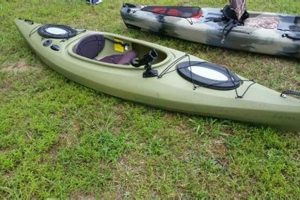
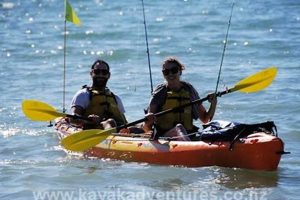
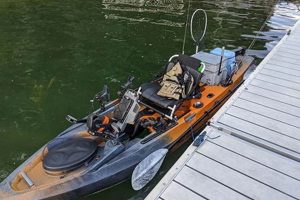
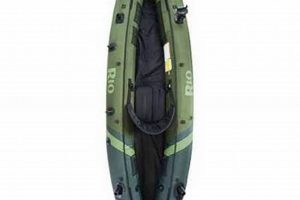
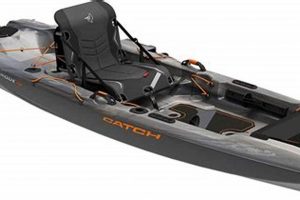
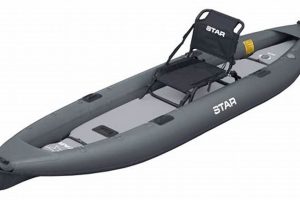
Smaller, highly maneuverable kayaks designed for navigating shallow waters and tight spaces are ideal for accessing secluded fishing spots often overlooked by larger vessels. These kayaks excel in rivers, creeks, ponds, and protected coastal areas, allowing anglers to approach fish discreetly in their natural habitats. Their compact design and specialized features, such as rod holders and storage compartments, cater specifically to the needs of anglers pursuing species in these environments.
The ability to reach hard-to-access fishing grounds offers a significant advantage, potentially leading to more catches and encounters with diverse species. Historically, anglers have sought efficient and stealthy methods for navigating shallow, vegetated waters, and these specialized kayaks fulfill that need effectively. This approach offers a unique blend of challenge, skill, and reward, appealing to anglers seeking a more intimate connection with nature.
This article delves further into the specific design features, advantages, and techniques associated with utilizing these kayaks for optimal fishing success. It will explore topics such as hull design, propulsion systems, and essential gear for maximizing the effectiveness of this specialized fishing approach.
Tips for Effective Shallow Water Kayak Fishing
Maximizing success in shallow water kayak fishing requires careful consideration of equipment and technique. The following tips offer guidance for enhancing fishing performance in these unique environments.
Tip 1: Prioritize Stability and Maneuverability: Select a kayak designed for stability in shallow water, allowing anglers to stand and cast effectively while maintaining balance. Excellent maneuverability is crucial for navigating tight spaces and vegetated areas.
Tip 2: Utilize a Shallow Water Anchor: Employ an anchor specifically designed for shallow water to secure the kayak silently and avoid disturbing fish. A stake-out pole or push-pole anchor are excellent choices for this purpose.
Tip 3: Choose Appropriate Paddles: Opt for shorter, more maneuverable paddles designed for shallow water. These paddles reduce the risk of striking the bottom and disturbing sediment.
Tip 4: Master Stealth Techniques: Approach fishing spots slowly and quietly, minimizing noise and disturbance. Avoid sudden movements and utilize camouflage clothing to blend in with the surroundings.
Tip 5: Employ Downsized Tackle: Utilize lighter tackle and lures suitable for targeting species commonly found in shallow water environments. Smaller presentations often prove more effective in these delicate ecosystems.
Tip 6: Plan Routes Strategically: Research and plan fishing routes based on water depth, vegetation, and likely fish-holding areas. Utilize maps and local knowledge to identify productive spots.
Tip 7: Respect the Environment: Practice Leave No Trace principles by packing out all trash and minimizing disturbance to the natural habitat. Avoid disturbing vegetation and wildlife.
By implementing these strategies, anglers can significantly improve their chances of success and enjoyment while fishing from a kayak in shallow water environments. These approaches contribute to a more efficient, ethical, and rewarding fishing experience.
This discussion concludes with a comprehensive overview of safety considerations and essential gear recommendations for shallow water kayak fishing.
1. Maneuverability

Maneuverability represents a critical performance characteristic in kayaks designed for fishing in shallow, confined waters. The ability to navigate tight turns, weave through obstacles such as submerged logs or emergent vegetation, and precisely position the kayak for optimal casting angles significantly impacts fishing success. This agility allows anglers to exploit secluded pockets of water often inaccessible to larger, less nimble craft, thereby increasing the likelihood of encountering target species. For example, a kayak’s ability to pivot quickly in a narrow creek allows an angler to follow a fleeing fish or adjust to changing current conditions, while precise maneuvering facilitates accurate lure placement alongside a submerged log or beneath overhanging branches.
The design elements contributing to enhanced maneuverability include hull shape, length, and the type of propulsion system. Shorter kayaks generally offer greater maneuverability than longer ones, particularly in confined spaces. Wider, flatter hulls provide stability but may sacrifice some maneuverability. Kayaks designed with a rocker a curved hull profile from bow to stern tend to turn more easily than those with a flatter hull. Propulsion systems, such as paddle kayaks or those equipped with pedal-driven fins, also influence maneuverability, with each offering advantages and disadvantages in specific environments. A paddle kayak, for instance, offers greater control in tight quarters, while a pedal-driven system allows hands-free fishing and more consistent speed.
Understanding the relationship between kayak design and maneuverability empowers anglers to select the most appropriate craft for their intended fishing environment. Prioritizing maneuverability in shallow water scenarios offers significant advantages, enabling anglers to access prime fishing locations and react effectively to changing conditions. This understanding translates to increased fishing success and a more rewarding experience on the water. While high maneuverability is desirable in tight, shallow environments, it can sometimes come at the expense of tracking performance in open water. Therefore, selecting the optimal kayak requires careful consideration of the specific fishing conditions and the angler’s priorities.
2. Stability

Stability is a paramount concern in kayaks designed for fishing shallow, often challenging waters. A stable platform is essential for various angling activities, including casting, retrieving, landing fish, and standing to gain a better vantage point. In these environments, where unexpected obstacles and changing conditions are common, maintaining balance and control is crucial for both safety and fishing effectiveness. This discussion explores key facets of stability relevant to these specialized kayaks.
- Primary Stability
Primary stability refers to a kayak’s initial resistance to tipping. A kayak with high primary stability feels very stable when sitting still, offering a secure platform for casting and general fishing activities. This type of stability is particularly important for anglers who prefer a solid, predictable feel and are less likely to make dynamic movements. A wider, flatter hull typically contributes to greater primary stability.
- Secondary Stability
Secondary stability describes a kayak’s ability to resist tipping when leaned or tilted. This comes into play during turning, maneuvering through currents, or encountering unexpected waves. A kayak with strong secondary stability provides a reassuring sense of control when the kayak is angled, preventing capsizing. Rounded or flared hull shapes generally contribute to better secondary stability.
- Factors Affecting Stability
Various factors influence a kayak’s stability, including hull design, width, length, and the angler’s center of gravity. Wider kayaks are generally more stable than narrower ones, while shorter kayaks tend to be more maneuverable but potentially less stable than longer ones. The distribution of weight within the kayak also plays a significant role. Keeping the center of gravity low enhances stability, while uneven weight distribution can compromise it. Understanding these factors helps anglers select kayaks appropriate for their individual needs and intended fishing environments.
- Stability Enhancements
Several design features and accessories can enhance kayak stability. Outriggers, stabilizers, and wider hulls improve stability significantly, particularly for anglers who prioritize standing while fishing. Specialized seating systems and adjustable foot braces also contribute to a more stable and comfortable fishing platform. These features are particularly valuable in shallow water environments where standing can provide a significant advantage for sight fishing and casting.
The interplay of these stability factors significantly influences the overall performance and suitability of a kayak for fishing in shallow, demanding environments. Choosing a kayak with the right balance of primary and secondary stability, considering hull design and personal preferences, ultimately enhances angler comfort, safety, and fishing success.
3. Shallow Draft
Shallow draft is a defining characteristic of kayaks designed for accessing secluded fishing areas, often referred to as “beat” fishing. These kayaks excel in navigating extremely shallow water, allowing anglers to reach areas inaccessible to traditional boats. This capability opens up a wealth of fishing opportunities in environments like shallow creeks, backwater ponds, and protected coastal marshes. A shallow draft enables maneuvering through tight spaces, over submerged obstacles, and in areas prone to fluctuating water levels, making it a critical feature for successful fishing in these unique environments.
- Reduced Grounding Risk
A shallow draft minimizes the risk of grounding, a common challenge in shallow water environments. Grounding can disrupt fishing, damage the kayak’s hull, and even lead to capsizing. Kayaks designed for shallow water typically feature a hull shape that displaces minimal water, allowing them to float in mere inches of water. This allows anglers to navigate shallow creeks, glide over submerged logs, and explore areas inaccessible to deeper-draft vessels.
- Access to Prime Fishing Habitats
Many fish species, including bass, panfish, and redfish, thrive in shallow, vegetated areas. A shallow-draft kayak provides access to these prime fishing habitats, allowing anglers to target fish in their preferred environment. This access can significantly enhance fishing success, as fish are often more concentrated and less pressured in these secluded areas.
- Stealth and Approach
A shallow draft contributes to a stealthier approach, crucial for success in shallow water fishing. The minimal water displacement reduces noise and disturbance, allowing anglers to approach fish without spooking them. This quiet approach is particularly important in clear, shallow water where fish are easily alerted by surface commotion.
- Navigation in Varying Water Levels
Tidal fluctuations, seasonal changes, and weather patterns can significantly impact water levels in shallow environments. A shallow-draft kayak provides the versatility to navigate these changing conditions effectively. Whether dealing with receding tides, fluctuating river levels, or shallow flats exposed by wind, a shallow draft allows continued access to fishing areas, maximizing fishing opportunities regardless of water depth.
The shallow draft of these specialized kayaks is integral to their overall effectiveness in accessing and navigating challenging, shallow-water environments. This feature, combined with other design elements like maneuverability and stability, allows anglers to exploit productive fishing grounds otherwise inaccessible, significantly increasing the potential for successful catches and a more immersive fishing experience. The ability to navigate dynamic shallows expands angling opportunities and connects anglers with the nuances of these unique ecosystems.
4. Stealth

Stealth plays a crucial role in the effectiveness of kayaks designed for fishing shallow, secluded waters. In these environments, fish are often easily spooked by noise and visual disturbances. A stealthy approach allows anglers to get closer to fish, increasing the likelihood of a successful catch. This involves minimizing the kayak’s visual and auditory impact on the environment.
- Reduced Noise
Minimizing noise is paramount for a stealthy approach. Kayaks designed for shallow water fishing often incorporate features that reduce noise from paddling, hull movement through water, and incidental contact with obstacles. For example, choosing a paddle with a streamlined blade shape can minimize splashing sounds. Similarly, selecting a kayak with a smooth hull finish can reduce friction and water noise. Avoiding scraping against rocks or vegetation also contributes to a quieter approach.
- Low Profile and Camouflage
A low profile and camouflage help the kayak blend seamlessly with the surroundings. Kayaks designed for stealth often feature subdued colors like greens, browns, or grays that match the natural environment. Some anglers even add camouflage patterns or vegetation to further enhance their concealment. A lower profile minimizes the kayak’s visual signature above the waterline, reducing the chances of being detected by fish.
- Controlled Movement
Smooth, deliberate movements are essential for maintaining stealth. Sudden, jerky movements can create ripples and vibrations that alert fish. Practicing efficient paddling techniques and avoiding abrupt changes in direction contribute to a less disruptive presence. Slow, controlled movements allow anglers to approach fish undetected, increasing opportunities for successful presentations.
- Minimized Disturbance of the Water Surface
Minimizing disturbance of the water surface is crucial for maintaining a stealthy approach. Avoiding excessive paddling and splashing keeps the water calm and reduces the chances of spooking fish. Using a kayak with a shallow draft also helps minimize water displacement and surface disturbance, further enhancing stealth. This careful attention to water disturbance allows anglers to present lures or bait naturally and entice wary fish in shallow, clear water.
These elements of stealth, when combined with the maneuverability and shallow draft of specialized kayaks, significantly enhance fishing success in these environments. By minimizing their impact on the surrounding environment, anglers can approach fish undetected, leading to more opportunities for close-range presentations and ultimately, a more rewarding fishing experience. This emphasizes the critical interplay between kayak design, angler technique, and environmental awareness in achieving optimal stealth.
5. Compact Design
Compact design is a defining characteristic of kayaks optimized for accessing secluded fishing spots, often in shallow or overgrown waters. This design philosophy prioritizes efficient transport, storage, and maneuverability within confined spaces, enabling anglers to reach otherwise inaccessible fishing grounds.
- Transportation and Storage
A compact kayak simplifies transport and storage. Its smaller size and lighter weight make it easier to load onto a vehicle, carry short distances, and store in limited spaces such as garages or apartments. This ease of transport expands fishing opportunities by allowing access to remote locations and eliminates the need for specialized trailers or large storage areas. For example, a compact kayak can often be transported on a roof rack or even inside a larger vehicle.
- Maneuverability in Tight Spaces
The compact dimensions of these kayaks enhance maneuverability in narrow creeks, tight turns, and areas with dense vegetation. Their shorter length and lighter weight allow for quicker turns and easier navigation through obstacles, enabling anglers to explore complex waterways and access secluded pockets where fish may congregate. This agility is crucial for navigating challenging environments and maximizing fishing opportunities.
- Specialized Features and Adaptability
While compact, these kayaks often incorporate specialized features designed for fishing, such as rod holders, tackle storage compartments, and anchor systems. This integration of functionality within a compact design optimizes the fishing experience without sacrificing portability or maneuverability. Furthermore, their compact design often allows for customization and adaptation to specific fishing styles and environments.
- Balance of Performance and Practicality
Compact design represents a balance between performance and practicality. While prioritizing maneuverability and access to tight spaces, these kayaks may compromise on open-water tracking or storage capacity compared to larger touring kayaks. This trade-off underscores the importance of selecting a kayak that aligns with specific fishing needs and target environments. Anglers seeking access to shallow, secluded waters will find the compact design advantageous, while those prioritizing open-water performance might opt for a larger, more stable platform.
The compact design of these specialized kayaks directly contributes to their effectiveness in reaching and fishing secluded waters. By prioritizing efficient transport, maneuverability in tight spaces, and integrated fishing features, these kayaks expand angling opportunities and offer a unique approach to exploring shallow, challenging environments. This design philosophy caters specifically to anglers seeking a balance of performance and practicality for accessing waters often beyond the reach of conventional fishing craft.
Frequently Asked Questions
This section addresses common inquiries regarding kayaks designed for fishing in shallow, secluded waters, often referred to as “beat” fishing.
Question 1: What differentiates a kayak designed for shallow water fishing from other kayak types?
Kayaks optimized for shallow water typically feature a shorter length, wider beam, and flatter hull design, prioritizing maneuverability and stability in tight spaces and shallow depths. These characteristics contrast with longer, narrower kayaks designed for speed and efficiency in open water.
Question 2: Are these specialized kayaks suitable for larger anglers or heavier loads?
Weight capacity varies significantly among kayak models. While some compact designs accommodate smaller anglers and lighter loads, others offer sufficient capacity for larger individuals and additional gear. Careful consideration of listed weight capacities is crucial before selecting a kayak.
Question 3: What propulsion systems are commonly used in these kayaks?
Paddle propulsion remains the most common method, offering excellent control and maneuverability in shallow, obstacle-rich environments. Pedal-driven systems are also gaining popularity, providing hands-free fishing and efficient propulsion, although they may be less suitable for extremely shallow or vegetated areas.
Question 4: What safety precautions should be considered when fishing from a kayak in shallow water?
Wearing a personal flotation device (PFD) is paramount. Awareness of weather conditions, water currents, and potential hazards like submerged obstacles is crucial. Carrying essential safety gear, including a whistle, signaling device, and first-aid kit, is also recommended.
Question 5: How does one transport a kayak designed for shallow water fishing?
Compact kayaks offer convenient transport options. Roof racks are commonly used, as are trailers for multiple kayaks. Some smaller models can even be transported within larger vehicles. Selecting a transport method aligns with individual vehicle capacity and kayak dimensions.
Question 6: What are the key considerations when choosing a paddle for shallow water kayak fishing?
Shorter paddles generally offer greater control and maneuverability in tight spaces. Blade shape and material also influence paddling efficiency and durability. Lightweight paddles reduce fatigue during extended fishing trips. Ultimately, paddle selection depends on individual paddling style and fishing environment.
Understanding these key aspects of kayaks designed for shallow water fishing enables informed decisions based on individual needs and target fishing environments. Prioritizing safety, functionality, and appropriate design characteristics contributes significantly to a successful and enjoyable fishing experience.
The following section delves into specific kayak models and brands recognized for their performance in shallow water fishing scenarios.
Beat Fishing Kayaks
This exploration has highlighted the specialized design and functionality inherent in kayaks optimized for shallow water fishing. From maneuverability and stability in tight spaces to the stealth required for approaching wary fish, these kayaks offer distinct advantages in accessing secluded and productive fishing grounds. The discussion encompassed crucial aspects such as shallow draft, compact design for transport and storage, and the importance of selecting appropriate paddles and anchoring systems. Furthermore, frequently asked questions addressed practical considerations for anglers seeking to explore these unique fishing opportunities.
The pursuit of fish in shallow, often challenging environments demands specialized equipment and a deep understanding of both kayak performance and fish behavior. Anglers equipped with the appropriate knowledge and tools gain access to a realm of untouched fishing opportunities, fostering a deeper connection with nature and the pursuit of angling excellence. This approach represents not just a fishing method, but a commitment to exploring the hidden gems of our waterways.