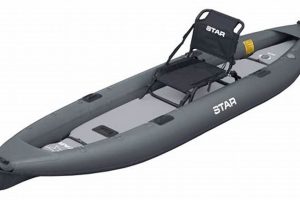
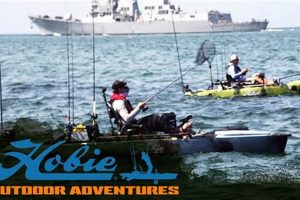
This activity encompasses the use of a specific type of watercraft, likely designed for stability and maneuverability, to engage in both angling and underwater exploration. It suggests a pursuit that combines the thrill of surface fishing with the immersive experience of diving, potentially within the same outing. This approach likely necessitates specialized equipment, including fishing gear and diving apparatus, alongside a vessel capable of accommodating both activities.
Combining these activities offers a unique perspective on aquatic environments. It allows individuals to explore both above and below the surface, maximizing opportunities for observation and interaction with marine life. This multifaceted approach could contribute to a deeper understanding and appreciation of aquatic ecosystems. The historical context likely stems from the evolution of both recreational fishing and diving, merging into a specialized activity that caters to those seeking a comprehensive aquatic adventure.
Further exploration will delve into the specific features of the watercraft employed, suitable equipment choices for this combined pursuit, ideal locations for engaging in these activities, and potential safety considerations.
Tips for Combined Kayak Fishing and Diving
Successfully combining kayak fishing and diving requires careful planning and execution. These tips offer guidance for a safe and rewarding experience.
Tip 1: Choose the Right Kayak: Select a kayak designed for stability, offering ample storage for both fishing and diving gear. Sit-on-top kayaks are often preferred for easy water access.
Tip 2: Prioritize Safety Equipment: Carry essential safety gear, including a personal flotation device (PFD), a dive flag, a whistle, and a first-aid kit. Ensure all diving equipment is properly maintained and inspected.
Tip 3: Plan Dive Sites Carefully: Research dive sites in advance, considering water depth, currents, and potential hazards. Opt for locations with calm, clear water suitable for both fishing and diving.
Tip 4: Organize and Secure Equipment: Secure all fishing and diving equipment to prevent loss or damage. Utilize dry bags and storage compartments to keep gear organized and protected from water.
Tip 5: Manage Dive and Fishing Times: Alternate between fishing and diving sessions to avoid fatigue and maximize enjoyment. Shorter, more frequent dives can be beneficial.
Tip 6: Be Mindful of Weather Conditions: Check weather forecasts before embarking on any kayak fishing and diving trip. Avoid venturing out in strong winds, rough seas, or lightning storms.
Tip 7: Practice Responsible Diving and Fishing: Adhere to all local regulations regarding fishing limits and protected marine areas. Practice catch-and-release whenever possible and avoid disturbing marine life during dives.
Adherence to these guidelines will enhance safety and contribute to a more productive and enjoyable combined kayak fishing and diving experience.
By incorporating these tips, individuals can fully appreciate the unique synergy of these two aquatic pursuits.
1. Specialized Kayak Selection

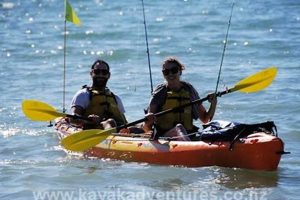
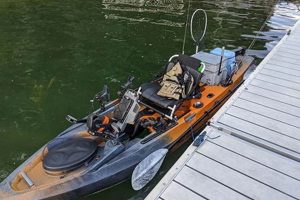
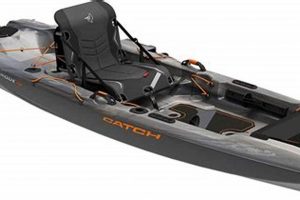
Specialized kayak selection is paramount for a successful and safe cobra kayak fish n dive experience. The chosen vessel must accommodate the unique demands of this combined activity, balancing stability for fishing with maneuverability for diving. Kayaks designed for fishing often feature increased stability and storage capacity, crucial for carrying fishing rods, tackle boxes, and diving equipment. However, these kayaks may sacrifice maneuverability compared to those designed for diving, which prioritize agility underwater. The ideal selection necessitates a compromise, opting for a kayak that offers sufficient stability for casting and reeling while retaining adequate maneuverability for navigating dive sites and accessing the water easily. For example, a sit-on-top kayak with ample storage and a relatively streamlined hull might provide the optimal balance. Conversely, a narrow, high-performance fishing kayak designed for speed might prove unstable when laden with diving gear and entering/exiting the water for dives.
The practical implications of appropriate kayak selection extend beyond mere convenience. Stability directly impacts safety, especially when handling fishing gear and entering/exiting the water while wearing diving equipment. Insufficient storage can lead to equipment loss or damage, compromising both fishing and diving activities. Furthermore, maneuverability affects access to dive sites, especially in challenging environments such as reefs or kelp forests. Choosing a kayak optimized for both fishing and diving ultimately enhances safety, efficiency, and overall enjoyment.
In conclusion, specialized kayak selection significantly influences the success of cobra kayak fish n dive. Careful consideration of stability, storage, and maneuverability is essential. A balanced approach to kayak choice optimizes both fishing and diving experiences, ensuring safety and maximizing the potential for a rewarding interaction with the aquatic environment.
2. Essential Safety Gear

Essential safety gear forms a critical link to successful and safe cobra kayak fish n dive excursions. This specialized activity, combining the distinct challenges of both fishing and diving, necessitates comprehensive safety considerations. A failure to prioritize safety equipment significantly elevates the risk of accidents and potentially life-threatening situations. The aquatic environment presents inherent hazards, amplified by the combined demands of managing fishing gear and diving apparatus from a relatively small, potentially unstable platform like a kayak. Therefore, meticulous attention to essential safety gear is non-negotiable. A breakdown of this essential gear illustrates the direct connection to mitigating specific risks.
Consider the scenario of a capsize. A personal flotation device (PFD) becomes paramount for survival, especially when encumbered by diving equipment. A dive flag alerts other watercraft to the diver’s presence, minimizing the risk of collisions in areas with boat traffic. A whistle serves as a crucial signaling device in case of emergencies, particularly in conditions of limited visibility. A first-aid kit equipped to handle both minor injuries and potential diving-related ailments, such as cuts, stings, or decompression sickness, becomes invaluable in remote locations. Furthermore, specialized equipment like a dive knife, useful for disentangling from fishing lines or kelp, underscores the unique safety requirements of this combined activity. These examples demonstrate the direct cause-and-effect relationship between appropriate safety gear and risk mitigation.
The practical significance of understanding this connection cannot be overstated. Equipping oneself with the necessary safety gear translates directly to increased preparedness for unforeseen circumstances. While experience and skill contribute significantly to safe execution, they do not eliminate the inherent risks associated with aquatic activities. Essential safety gear acts as the final line of defense, bridging the gap between potential hazards and successful outcomes. This understanding empowers individuals to proactively manage risks, promoting a safer and more enjoyable experience in the combined pursuit of kayak fishing and diving. Consistent adherence to carrying and maintaining proper safety equipment is not merely a recommendation; it is a fundamental requirement for responsible participation in cobra kayak fish n dive.
3. Strategic Dive Planning
Strategic dive planning is integral to successful cobra kayak fish n dive excursions. It provides a framework for maximizing dive time, ensuring safety, and enhancing the overall experience. A well-structured plan considers environmental factors, personal limitations, and logistical aspects, directly influencing the effectiveness and enjoyment of the combined activity.
- Dive Site Selection
Dive site selection considers factors such as water depth, currents, visibility, and marine life presence. Choosing sites compatible with both fishing and diving objectives is crucial. For example, a shallow reef offering diverse fish populations might be ideal. Conversely, a deep, open-water site, while suitable for certain fish species, may present challenges for diving and returning to the kayak. Strategic site selection maximizes opportunities for both activities while ensuring safety.
- Entry and Exit Strategies
Planning entry and exit points is crucial for safe and efficient transitions between kayaking and diving. Calm, shallow areas with minimal currents are preferred. Considering the kayak’s position relative to the dive site minimizes drifting and simplifies return. Pre-dive checks, such as ensuring equipment is secured and accessible, further streamline the transition.
- Time Management
Effective time management allocates sufficient time for both fishing and diving, accounting for travel between sites, equipment changes, and rest periods. A realistic dive plan balances the desire for extended underwater exploration with the need for surface time to fish and relocate. This approach optimizes both activities without compromising safety or enjoyment.
- Contingency Planning
Contingency planning addresses potential challenges such as changing weather, equipment malfunctions, or unexpected encounters with marine life. Having backup plans, including alternative dive sites or emergency signaling procedures, minimizes disruption and enhances safety. A well-defined contingency plan instills confidence and preparedness, essential for a positive experience.
These facets of strategic dive planning are interconnected, each contributing to the overall success and safety of cobra kayak fish n dive. Dive site selection influences entry and exit strategies, while time management ensures both fishing and diving objectives are met. Contingency planning addresses potential disruptions to these plans, further optimizing the overall experience. By addressing these elements proactively, participants maximize their potential for a safe, productive, and rewarding interaction with the aquatic environment.
4. Efficient Gear Organization

Efficient gear organization is paramount for a successful cobra kayak fish n dive experience. This activity necessitates carrying a diverse array of equipment, from fishing rods and tackle to diving gear and safety essentials. Disorganized gear can lead to wasted time, increased risk of entanglement, and compromised safety. Systematic organization optimizes space, streamlines transitions between fishing and diving, and enhances overall efficiency.
- Dedicated Storage Solutions
Utilizing specialized storage solutions, such as dry bags, waterproof boxes, and rod holders, is crucial. Dry bags protect sensitive items like electronics and first-aid kits from water damage. Waterproof boxes offer secure storage for smaller items like fishing lures and dive slates. Rod holders keep fishing rods organized and readily accessible, preventing tangling and damage.
- Strategic Placement
Strategic placement of gear within the kayak maximizes stability and accessibility. Heavier items should be positioned low and centrally to maintain balance. Frequently accessed items, such as fishing rods and dive masks, should be placed within easy reach. Less frequently used gear can be stored in less accessible areas. This approach minimizes disruption during activity transitions.
- Pre-Dive and Post-Dive Procedures
Establishing pre-dive and post-dive procedures streamlines gear management. Before diving, secure all loose items, stow fishing rods, and prepare dive equipment. After diving, stow dive gear, retrieve fishing rods, and reorganize the kayak for fishing. These routines minimize the risk of equipment loss or damage and ensure smooth transitions between activities.
- Regular Maintenance and Inspection
Regularly inspecting and maintaining gear ensures its functionality and longevity. Check for wear and tear on dry bags, ensure zippers and seals are intact, and maintain diving equipment according to manufacturer recommendations. This proactive approach prevents equipment failure during critical moments and extends the lifespan of valuable gear.
These facets of efficient gear organization collectively enhance the cobra kayak fish n dive experience. By optimizing space utilization, streamlining transitions, and ensuring equipment readiness, participants can focus on the activities themselves, maximizing enjoyment and minimizing potential disruptions. This structured approach to gear management promotes safety, efficiency, and a more rewarding interaction with the aquatic environment.
5. Effective Time Management

Effective time management is crucial for maximizing the enjoyment and productivity of cobra kayak fish n dive excursions. This activity involves two distinct pursuits, each demanding dedicated time and attention. Without a structured approach to time allocation, one activity may overshadow the other, or neither may reach its full potential. Effective time management ensures a balanced and fulfilling experience, optimizing both fishing and diving opportunities within the constraints of a single outing.
- Pre-Trip Planning
Pre-trip planning establishes a foundational time framework. This includes researching potential fishing and dive sites, checking weather forecasts, preparing equipment, and estimating travel times. Thorough pre-trip planning minimizes on-the-water delays, allowing more time for the core activities. For instance, identifying optimal dive sites near productive fishing areas reduces transit time, maximizing time spent actively engaged in either pursuit.
- On-the-Water Time Allocation
On-the-water time allocation involves dividing time effectively between fishing and diving. This requires setting realistic goals for each activity. For example, allocating specific time blocks for fishing in the morning, followed by diving in the afternoon, ensures a balanced approach. Flexibility is key, allowing adjustments based on conditions and success rates. If fishing proves particularly productive, extending the allocated fishing time might be preferable to adhering rigidly to the initial plan.
- Transition Management
Transition management addresses the time required to switch between fishing and diving. This includes securing fishing gear, preparing dive equipment, and entering/exiting the water. Streamlining these transitions minimizes downtime. Efficient gear organization and pre-dive/post-dive checklists significantly reduce transition times, allowing more time for the primary activities.
- Contingency Time
Contingency time accounts for unexpected delays, such as equipment malfunctions, changing weather conditions, or extended searches for desirable fishing or dive spots. Allocating contingency time ensures that unforeseen circumstances do not derail the entire plan. This buffer allows for adjustments without sacrificing core activity time, preserving the overall experience.
These facets of effective time management contribute significantly to the overall success of cobra kayak fish n dive excursions. By optimizing pre-trip planning, on-the-water time allocation, transition management, and contingency planning, participants can create a balanced and rewarding experience. This structured approach maximizes both fishing and diving opportunities, enhancing enjoyment and ensuring a fulfilling interaction with the aquatic environment.
6. Weather Condition Awareness

Weather condition awareness is paramount for safe and successful cobra kayak fish n dive excursions. The aquatic environment is inherently susceptible to changing weather patterns, impacting both surface conditions and underwater visibility. Ignoring weather forecasts or failing to recognize developing weather systems can expose participants to significant risks, ranging from minor inconvenience to life-threatening situations. Understanding the cause-and-effect relationship between weather conditions and the feasibility and safety of combined kayak fishing and diving is crucial.
Consider the impact of wind. Strong winds create choppy surface conditions, making kayak navigation challenging and increasing the risk of capsizing. Wind also affects drift, making it difficult to maintain position while fishing or to return to the kayak after a dive. Furthermore, wind can influence water temperature, affecting both comfort and the behavior of marine life. Similarly, sudden storms can generate strong currents, reducing visibility and creating hazardous diving conditions. Lightning strikes pose a severe threat to individuals on the water, especially in exposed kayaks. Real-life examples abound, from kayakers stranded due to unexpected storms to divers experiencing disorientation due to rapid visibility changes caused by weather shifts. These scenarios underscore the direct and potentially severe consequences of neglecting weather awareness.
Practical application of weather awareness includes checking detailed marine forecasts before embarking on any excursion, continuously monitoring weather conditions during the activity, and having a contingency plan in place should conditions deteriorate. Understanding local weather patterns, recognizing warning signs of approaching storms, and establishing clear communication protocols for emergency situations are further practical steps. Challenges may include accessing reliable real-time weather information in remote locations or interpreting complex weather data. However, prioritizing weather condition awareness as an integral component of cobra kayak fish n dive significantly mitigates risks, ensuring a safer and more enjoyable experience. This proactive approach ultimately empowers participants to make informed decisions, enhancing both safety and the potential for a successful interaction with the aquatic environment.
7. Responsible Practices
Responsible practices form the ethical foundation of cobra kayak fish n dive, directly influencing the sustainability and enjoyment of this activity. This multifaceted pursuit intersects with delicate aquatic ecosystems, demanding mindful interaction to minimize environmental impact and preserve these environments for future generations. Disregarding responsible practices jeopardizes the very resources that make this activity possible, leading to habitat degradation, depletion of fish populations, and disruption of marine life. The connection between responsible actions and the long-term viability of cobra kayak fish n dive is undeniable.
Consider the impact of improper waste disposal. Discarding fishing line, plastic packaging, or other debris pollutes the water, entangles marine animals, and degrades the aesthetic quality of dive sites. Similarly, irresponsible fishing practices, such as exceeding catch limits or targeting protected species, deplete fish populations and disrupt the delicate balance of the ecosystem. Disturbing coral reefs or other sensitive habitats during dives can cause irreversible damage, impacting the biodiversity and overall health of the marine environment. Real-world examples of these negative impacts are readily apparent, from polluted beaches littered with fishing gear to declining fish stocks in overfished areas. These examples illustrate the direct and often irreversible consequences of irresponsible behavior.
Practical applications of responsible practices include adhering to catch-and-release fishing principles, properly disposing of all waste, respecting marine life by maintaining a safe distance and avoiding disruptive interactions, and educating oneself about local regulations and environmental sensitivities. Challenges may include a lack of readily available disposal facilities in remote areas or conflicting information regarding best practices. However, prioritizing responsible practices as an integral part of cobra kayak fish n dive ensures the long-term sustainability of this activity. This ethical approach safeguards the aquatic environment, allowing future generations to experience the unique blend of fishing and diving that this activity offers. It fosters a sense of stewardship, ensuring that enjoyment of the present does not compromise the potential for future enjoyment.
Frequently Asked Questions
This FAQ section addresses common inquiries regarding the combined activity of kayak fishing and diving, offering clarity on key aspects and promoting a comprehensive understanding of this unique pursuit.
Question 1: What type of kayak is best suited for combined fishing and diving?
Sit-on-top kayaks are generally preferred due to their inherent stability and ease of water entry and exit. Adequate storage space for both fishing and diving gear is crucial. Consider models specifically designed for fishing, offering features like rod holders and built-in storage compartments.
Question 2: What essential safety gear should one carry for combined kayak fishing and diving?
Essential safety gear includes a personal flotation device (PFD), a dive flag, a signaling whistle, a first-aid kit equipped for both general and diving-related injuries, and a dive knife. A VHF radio and a signaling mirror can also be valuable additions.
Question 3: How does one effectively manage the transition between fishing and diving from a kayak?
Efficient gear organization is key. Store fishing and diving equipment separately in designated compartments or dry bags. Develop a pre-dive and post-dive checklist to ensure smooth and safe transitions. Practice these procedures in calm water before venturing into more challenging environments.
Question 4: What are the key considerations for selecting suitable dive sites when kayak fishing and diving?
Dive sites should offer calm, clear water with minimal currents, suitable for both fishing and diving activities. Water depth should be appropriate for the diver’s experience level. Consider proximity to the kayak launch point and potential hazards such as boat traffic or underwater obstacles.
Question 5: How can one minimize the environmental impact of combined kayak fishing and diving?
Adhere to leave-no-trace principles. Properly dispose of all waste, avoid disturbing coral reefs or other sensitive habitats, and practice catch-and-release fishing whenever possible. Educate oneself about local regulations and marine protected areas.
Question 6: What are the potential challenges specific to combining kayak fishing and diving, and how can they be mitigated?
Challenges include managing a larger volume of equipment, transitioning between activities efficiently, and ensuring safety in a dynamic environment. Mitigation strategies involve meticulous planning, specialized gear selection, and consistent adherence to established safety procedures. Experience and proper training are crucial for managing these complexities effectively.
Careful consideration of these frequently asked questions fosters a comprehensive understanding of the essential aspects of combined kayak fishing and diving. This informed approach promotes safer and more rewarding experiences, enhancing enjoyment while minimizing potential risks and environmental impact.
Further exploration of specific techniques and advanced considerations will follow in subsequent sections.
Cobra Kayak Fish n Dive
Exploration of this multifaceted activity reveals the intricate interplay of specialized equipment, strategic planning, and responsible execution. Successful integration of fishing and diving from a kayak platform necessitates careful consideration of kayak selection, gear organization, safety protocols, and environmental awareness. Strategic dive planning, effective time management, and adherence to responsible practices contribute significantly to a safe and rewarding experience. Understanding the inherent challenges and implementing appropriate mitigation strategies are crucial for maximizing the potential of this unique pursuit.
Cobra kayak fish n dive offers a compelling avenue for deeper engagement with aquatic ecosystems. This activity, however, demands respect for the environment and a commitment to responsible practices. The future of this pursuit hinges on the collective adoption of sustainable approaches, ensuring the preservation of these valuable resources for generations to come. Continued exploration and refinement of techniques, coupled with a steadfast commitment to safety and environmental stewardship, will shape the evolution of cobra kayak fish n dive, fostering a more enriching and sustainable interaction with the underwater world.