Larger kayaks designed for angling offer enhanced stability and capacity, accommodating anglers, their gear, and potentially larger catches. These vessels often feature specialized design elements such as rod holders, tackle storage, and livewells. A longer, wider hull provides a more stable platform, particularly beneficial in challenging conditions or when standing to cast.
The increased deck space and weight capacity of these larger watercraft are crucial for anglers seeking extended trips or targeting larger fish species. This stability and load-bearing capability contribute to a safer and more comfortable fishing experience, allowing for greater freedom of movement and the ability to bring along essential equipment. Historically, fishing from kayaks has evolved from basic adaptations of traditional designs to highly specialized vessels optimized for the sport.
This discussion will further explore key features, considerations for selection, and the growing popularity of these specialized kayaks within the fishing community. Topics covered will include hull design, material construction, propulsion options, and essential accessories.
Tips for Selecting and Using Larger Fishing Kayaks
Choosing and utilizing a larger kayak designed for angling requires careful consideration of several factors to ensure optimal performance, safety, and enjoyment on the water.
Tip 1: Prioritize Stability: Hull design significantly impacts stability. Wider, flatter hulls offer greater initial stability, while longer hulls with pronounced keels provide better tracking and secondary stability (resistance to tipping). Consider the intended fishing environment and angler experience when evaluating stability features.
Tip 2: Evaluate Weight Capacity: Carefully assess the combined weight of the angler, gear, and potential catch. Exceeding the manufacturer’s specified weight capacity can compromise stability and performance.
Tip 3: Consider Storage and Organization: Ample storage is essential for tackle, safety equipment, and personal items. Look for well-designed compartments, rod holders, and other organizational features.
Tip 4: Choose Appropriate Propulsion: Paddle propulsion offers excellent exercise and maneuverability, while pedal-powered kayaks provide hands-free fishing and increased speed. Motorized kayaks offer the greatest range and speed but require additional considerations for battery management and maintenance.
Tip 5: Assess Seating Comfort: A comfortable and adjustable seat is crucial for long days on the water. Look for features like adjustable backrests, lumbar support, and breathable materials.
Tip 6: Factor in Transportation and Storage: Consider the length and weight of the kayak and the available transportation and storage options. Roof racks, trailers, or specialized kayak carts may be necessary.
Tip 7: Practice Safety First: Always wear a personal flotation device (PFD) and carry essential safety equipment, including a whistle, signaling device, and first-aid kit. Be aware of weather conditions and water traffic.
Careful consideration of these factors will contribute significantly to a successful and enjoyable fishing experience. Selecting the right vessel tailored to individual needs and preferences enables anglers to maximize their time on the water and focus on the sport.
These tips offer a starting point for choosing and utilizing a larger fishing kayak. The following conclusion will summarize key considerations and offer final recommendations for prospective buyers.
1. Stability

Stability is a paramount consideration in larger fishing kayaks, directly influencing angler safety and fishing effectiveness. A stable platform allows for comfortable casting, reeling, and landing fish, particularly crucial when handling larger species or navigating challenging water conditions. Increased stability minimizes the risk of capsizing, a critical safety factor especially in open water or adverse weather. The wider beam and flatter hull designs often found in these kayaks contribute significantly to primary stabilityresistance to initial tipping. Furthermore, design features such as outriggers and pontoons can further enhance stability, although they might impact maneuverability.
Consider an angler battling a strong current while simultaneously attempting to land a sizeable fish. A stable kayak provides a secure platform, minimizing the risk of losing balance and potentially capsizing. Conversely, a less stable kayak in the same scenario could easily lead to an angler being pulled overboard. This exemplifies the practical significance of stability, impacting not only fishing success but also personal safety. The selection of appropriate hull design, consideration of weight distribution within the kayak, and understanding the impact of external factors such as wind and waves are all crucial for maximizing stability on the water.
In conclusion, prioritizing stability in larger fishing kayaks is non-negotiable. Its impact on safety and fishing efficacy is undeniable. Understanding the factors that contribute to stability, including hull design, weight distribution, and environmental conditions, empowers anglers to make informed decisions, leading to a more secure and productive fishing experience. This emphasis on stability allows for a more focused and enjoyable pursuit of the sport, minimizing distractions caused by concerns about balance and capsizing.
2. Capacity

Capacity, encompassing both weight and volume, is a defining characteristic of larger fishing kayaks. A higher weight capacity directly correlates with the ability to carry heavier loads, including the angler, gear, and potentially large catches. This is particularly relevant for anglers targeting larger fish species or embarking on extended expeditions requiring more equipment. Sufficient volume ensures adequate space for storing tackle, safety gear, and personal items, contributing to a more organized and efficient fishing experience. For instance, an angler planning a multi-day trip needs the capacity to carry camping gear, food, and water, in addition to fishing equipment. A kayak with insufficient capacity would necessitate leaving behind essential items, potentially compromising safety and comfort. Conversely, a kayak with ample capacity allows for comfortable and safe transport of all necessary supplies.
The interplay between weight capacity and stability is crucial. While a higher weight capacity is desirable, exceeding the manufacturer’s specified limit can compromise stability and maneuverability. This underscores the importance of carefully assessing individual needs and selecting a kayak with a capacity appropriate for the intended use and anticipated load. Furthermore, the distribution of weight within the kayak significantly impacts performance. Evenly distributing gear throughout the hull optimizes stability and tracking. Concentrating weight at either end can lead to instability and difficulty maneuvering, particularly in challenging conditions such as wind or currents. Understanding weight distribution and its effects is fundamental for maximizing the benefits of a larger fishing kayak’s capacity.
In summary, capacity is a critical consideration in larger fishing kayaks. Evaluating both weight and volume capacity, respecting manufacturer limits, and employing effective weight distribution strategies contribute significantly to a safe, comfortable, and successful fishing experience. The ability to carry all necessary gear and potential catches without compromising stability or maneuverability is a hallmark of a well-chosen and properly utilized large fishing kayak. This understanding allows anglers to focus on the sport, confident in their vessel’s ability to meet the demands of their chosen fishing style and environment.
3. Storage

Storage solutions are integral to the functionality of a large fishing kayak, directly impacting organization, efficiency, and overall fishing success. Adequate and well-designed storage facilitates access to essential gear, minimizes clutter, and maximizes usable deck space. This is particularly crucial in larger kayaks where carrying capacity allows for more equipment and extended trips. The following facets explore key aspects of storage in these specialized vessels.
- Dedicated Tackle Storage
Designated compartments for tackle boxes, trays, and individual lures maintain organization and prevent gear from shifting during transit or while maneuvering. Secure storage protects lures from damage and keeps them readily accessible, optimizing fishing efficiency. For example, a well-designed tackle storage system allows anglers to quickly switch lures based on changing conditions or target species without rummaging through a disorganized pile of equipment.
- Rod Holders and Management Systems
Secure rod holders, whether flush-mounted, adjustable, or rotating, safeguard rods and keep them within easy reach. Efficient rod management systems prevent tangling and damage, crucial when transporting multiple rods or maneuvering in tight spaces. Consider an angler trolling with multiple lines; easily accessible rods allow for quick responses to strikes and minimize the risk of lost fish or tangled lines. Integrated rod management features further enhance safety and efficiency.
- Dry Storage Compartments
Watertight compartments protect sensitive items such as electronics, phones, and wallets from water damage. These compartments offer peace of mind in wet conditions and are essential for preserving valuable equipment. For example, storing a phone in a dry hatch ensures it remains functional even if the kayak takes on water or capsizes. This feature is particularly crucial in challenging environments or during unexpected weather changes.
- On-Deck Storage and Bungee Systems
readily accessible storage areas on the deck, often secured with bungee cords, provide convenient storage for frequently used items like pliers, line cutters, and landing nets. This accessibility maximizes efficiency and minimizes time spent searching for essential tools. An angler needing to quickly release a fish can easily access pliers secured on the deck, minimizing stress on both the angler and the fish. Strategic placement of on-deck storage enhances workflow and contributes to a more streamlined fishing experience.
Effective storage solutions in large fishing kayaks enhance organization, efficiency, and overall fishing success. From dedicated tackle compartments to secure rod holders and dry storage options, these features contribute to a more streamlined and productive experience on the water. The strategic integration of various storage solutions maximizes usable space, minimizes clutter, and allows anglers to focus on the sport rather than managing their gear. Choosing a kayak with appropriate storage features tailored to individual fishing styles and needs is paramount for optimizing time on the water and maximizing fishing success.
4. Propulsion
Propulsion systems significantly influence the performance and versatility of larger fishing kayaks. The chosen method of propulsion directly impacts speed, maneuverability, range, and overall fishing effectiveness. Various propulsion options cater to diverse fishing styles and environments, each presenting distinct advantages and disadvantages. Traditional paddle propulsion offers excellent maneuverability in tight spaces and shallow water, crucial for navigating complex shorelines or exploring densely vegetated areas. However, paddling over long distances can be physically demanding and limit fishing time. Consider an angler navigating a narrow, winding creek choked with fallen trees; paddle propulsion offers the precise control needed to maneuver effectively in such confined spaces.
Pedal-powered kayaks provide hands-free operation, allowing anglers to focus on fishing while maintaining speed and control. This is particularly advantageous for techniques like trolling or casting in open water. The increased speed offered by pedal drives expands the fishable area, enabling anglers to cover more ground efficiently. For example, an angler targeting pelagic fish species in a large lake benefits from the speed and hands-free operation of a pedal-powered kayak, allowing them to cover greater distances and focus on locating fish. However, pedal drives can be less effective in very shallow water or areas with dense vegetation, where submerged obstacles may hinder their operation.
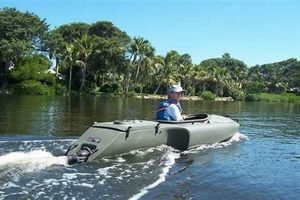
Motorized kayaks offer the greatest speed and range, enabling anglers to access distant fishing grounds and cover vast expanses of water quickly. This is particularly beneficial for anglers targeting offshore species or exploring large bodies of water. Electric motors provide quiet operation, minimizing disturbance to fish and preserving the tranquility of the natural environment. For example, an angler seeking offshore reefs can utilize a motorized kayak to efficiently reach distant locations, maximizing fishing time and expanding angling opportunities. However, motorized kayaks require battery management and maintenance, adding complexity and cost compared to paddle or pedal-powered options. Choosing the appropriate propulsion system requires careful consideration of individual fishing styles, target species, and the characteristics of the intended fishing environment. Balancing factors such as speed, maneuverability, range, and cost is essential for optimizing fishing effectiveness and overall enjoyment on the water. The chosen propulsion system fundamentally shapes the fishing experience, impacting accessibility, efficiency, and the ability to effectively pursue target species.
5. Comfort

Comfort is a critical factor influencing endurance and enjoyment during extended fishing trips in a large kayak. An uncomfortable seating arrangement can lead to fatigue, back pain, and a diminished fishing experience, particularly during long hours on the water. Conversely, a comfortable and supportive seating system allows anglers to focus on fishing, maximizing their time and enjoyment. The following facets explore key components of comfort in larger fishing kayaks.
- Seat Design and Adjustability
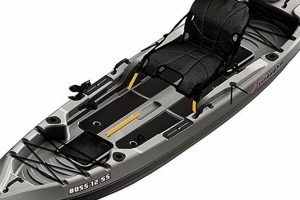
Ergonomically designed seats with adjustable backrests, lumbar support, and breathable materials contribute significantly to angler comfort. Features such as adjustable height and recline angles allow for customized positioning, accommodating individual preferences and physical characteristics. A well-designed seat minimizes pressure points and provides adequate support, reducing fatigue and promoting proper posture. Consider an angler spending hours on the water; an adjustable seat allows for periodic changes in posture, alleviating pressure and promoting blood circulation, crucial for maintaining comfort and preventing stiffness.
- Footrests and Leg Support
Adjustable footrests or foot braces provide essential leg support, enhancing stability and comfort, particularly when paddling or pedaling. Proper leg support allows for efficient power transfer during propulsion and minimizes fatigue. Adjustable footrests accommodate varying leg lengths and allow anglers to maintain a comfortable and biomechanically sound position. Imagine an angler paddling against a strong current; secure footrests provide a solid foundation for leveraging body weight and maximizing paddling efficiency, minimizing strain and enhancing overall comfort.
- Deck Space and Layout
Ample deck space and a well-designed layout contribute to comfort and convenience. Sufficient space allows for easy movement within the kayak, facilitating access to gear and equipment. A clutter-free deck enhances safety and minimizes tripping hazards. Consider an angler needing to quickly retrieve a lure from a tackle box; ample deck space allows for easy movement and access, minimizing awkward reaching and potential instability. A well-organized deck layout further enhances efficiency and contributes to a more comfortable and enjoyable fishing experience.
- Standing Platform Stability
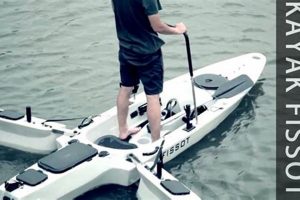
Some larger fishing kayaks offer stable standing platforms, allowing anglers to sight fish, cast, and fight fish from an elevated position. This feature enhances visibility and provides a greater range of motion, contributing to a more dynamic and engaging fishing experience. A stable standing platform reduces fatigue associated with prolonged sitting and provides a more comfortable position for certain fishing techniques. For example, an angler sight-fishing in shallow water benefits from the elevated perspective offered by a standing platform, enhancing visibility and improving casting accuracy. However, the stability of the standing platform is crucial for safety and effectiveness.
Comfort in a large fishing kayak directly correlates with endurance, enjoyment, and overall fishing success. Prioritizing features such as adjustable seating, footrests, ample deck space, and stable standing platforms enhances the fishing experience, allowing anglers to focus on the sport without distractions caused by discomfort or fatigue. Selecting a kayak that prioritizes ergonomic design and provides customizable features ensures a comfortable and enjoyable experience on the water, maximizing both fishing time and overall satisfaction.
6. Durability
Durability is a critical attribute in larger fishing kayaks, directly impacting longevity, safety, and overall value. These vessels are often subjected to harsh conditions, including exposure to saltwater, UV radiation, and impacts from rocks, submerged debris, and fish handling. A durable construction ensures the kayak can withstand these rigors, maintaining structural integrity and minimizing the risk of damage. This translates to a longer lifespan, reducing the need for frequent repairs or replacements and maximizing the return on investment. For example, a kayak constructed from high-density polyethylene (HDPE) exhibits superior impact resistance compared to less durable materials, minimizing damage from collisions with rocks or submerged logs. This resilience is crucial for maintaining the kayak’s structural integrity, particularly in demanding environments such as rocky coastlines or fast-flowing rivers.
The durability of a fishing kayak directly influences its safety. A robust hull can withstand impacts and resist puncture, minimizing the risk of leaks or catastrophic failure in challenging conditions. This is particularly important in remote locations or open water where a damaged kayak could pose a serious safety risk. Consider an angler encountering rough seas or navigating through debris-laden waters; a durable kayak provides increased confidence and enhances safety, offering protection against potential damage and ensuring the vessel can withstand unexpected impacts. Furthermore, durable fittings, hardware, and components contribute to the overall reliability of the kayak, minimizing the risk of equipment failure and ensuring consistent performance over time.
In conclusion, durability is a non-negotiable attribute in larger fishing kayaks. It directly influences the vessel’s lifespan, safety, and performance in demanding environments. Selecting a kayak constructed from durable materials and featuring robust hardware ensures long-term reliability and minimizes the risk of damage or failure. This contributes not only to a safer and more enjoyable fishing experience but also to the overall value and longevity of the investment. Understanding the factors that contribute to durability empowers anglers to make informed decisions, selecting kayaks that can withstand the rigors of their chosen fishing environments and provide years of reliable service.
7. Transport
Transporting larger fishing kayaks presents logistical considerations directly impacting practicality and accessibility. The size and weight of these vessels necessitate careful planning and specialized equipment, influencing launch site options and overall transport efficiency. Understanding these factors is crucial for a seamless and stress-free fishing experience.
- Vehicle and Trailer Selection
The kayak’s dimensions and weight dictate appropriate vehicle and trailer choices. Longer, heavier kayaks may require trailers specifically designed for kayak transport, while smaller models might be manageable with roof racks. A mid-sized SUV might suffice for transporting a shorter kayak on a roof rack, while a larger, heavier model might necessitate a dedicated trailer, impacting both vehicle choice and associated costs. Matching the transport method to the kayak’s size ensures safe and efficient transport while minimizing strain on the vehicle.
- Loading and Unloading Techniques
Proper loading and unloading techniques are essential for preventing damage to both the kayak and the vehicle. Utilizing specialized loading aids, such as kayak cradles or rollers, minimizes the risk of scratches and impacts. For example, using rollers to guide the kayak onto a roof rack reduces friction and strain, preventing damage to the hull and simplifying the loading process. Practicing safe lifting techniques and enlisting assistance when necessary mitigates the risk of injury and ensures efficient handling of the kayak.
- Launch Site Accessibility
Transport considerations influence accessible launch sites. Larger kayaks require ample space for maneuvering and launching, potentially limiting options to areas with suitable ramps or open shorelines. A remote, secluded fishing spot accessible only by a narrow, overgrown trail might be unsuitable for launching a larger kayak, necessitating the selection of a more accessible launch site. Evaluating launch site accessibility during the planning phase ensures a smooth and efficient transition from transport to water.
- Storage Solutions
Long-term storage solutions impact the kayak’s lifespan and overall convenience. Storing the kayak in a protected environment, such as a garage or shed, shields it from the elements and prolongs its lifespan. Alternatively, utilizing specialized storage racks or hoists maximizes space efficiency and simplifies access. Storing a kayak outdoors exposed to direct sunlight and weather can degrade the hull material over time, reducing its lifespan. Proper storage practices contribute to the long-term preservation of the kayak and minimize the risk of damage.
Effective transport solutions are essential for maximizing the enjoyment and accessibility of larger fishing kayaks. Careful consideration of vehicle and trailer selection, loading techniques, launch site accessibility, and storage solutions ensures a seamless transition from transport to water, minimizing stress and maximizing time spent fishing. These logistical aspects, while often overlooked, are fundamental to the overall fishing experience, directly influencing convenience, safety, and the long-term preservation of the kayak. Addressing these factors proactively contributes to a more enjoyable and productive time on the water.
Frequently Asked Questions
Addressing common inquiries regarding larger fishing kayaks provides clarity for informed decision-making. The following questions and answers offer insights into key aspects of these specialized vessels.
Question 1: What advantages do larger fishing kayaks offer over smaller models?
Enhanced stability, increased weight capacity, and ample storage are key advantages. These features accommodate larger anglers, more gear, and potentially larger catches. The added stability is particularly beneficial in challenging conditions or when standing to cast.
Question 2: How does hull design impact the performance of a larger fishing kayak?
Hull design significantly influences stability, tracking, and maneuverability. Wider hulls generally offer greater initial stability, while longer hulls with defined keels improve tracking in open water. Specific hull designs cater to varying water conditions and fishing styles.
Question 3: What are the primary propulsion options for larger fishing kayaks, and how do they compare?
Paddle propulsion provides maneuverability and affordability, pedal drives offer hands-free fishing and increased speed, and motorized kayaks maximize range and speed but require battery management. Each propulsion method presents distinct advantages and disadvantages based on individual needs and fishing environments.
Question 4: What safety considerations are essential when using a larger fishing kayak?
Wearing a personal flotation device (PFD), carrying essential safety equipment (whistle, signaling device, first-aid kit), and adhering to navigational rules are crucial. Understanding weather conditions and water traffic enhances safety. Regularly inspecting the kayak for damage and ensuring proper weight distribution further contribute to a safe fishing experience.
Question 5: What factors influence the transportability of a larger fishing kayak?
Length, weight, and hull design influence transport options. Roof racks, trailers, or specialized kayak carts may be necessary depending on the kayak’s dimensions and the vehicle’s capacity. Accessibility of launch sites also factors into transportability.
Question 6: How does one choose the appropriate size and features for a larger fishing kayak?
Consider individual needs, fishing style, target species, and intended fishing environment. Evaluate factors such as weight capacity, storage options, propulsion systems, and hull design to select a kayak that aligns with specific requirements and preferences. Researching various models and seeking expert advice can further inform decision-making.
Careful consideration of these frequently asked questions empowers informed decisions regarding the selection and utilization of larger fishing kayaks. Understanding key features, safety considerations, and logistical factors contributes to a more enjoyable and productive fishing experience.
The following section will provide a concluding summary of key takeaways and recommendations for prospective buyers.
Big Fishing Kayak
Larger fishing kayaks offer distinct advantages for anglers seeking enhanced stability, capacity, and specialized features. Careful consideration of hull design, propulsion systems, storage solutions, and transport logistics is essential for maximizing performance and enjoyment on the water. Durability and comfort significantly influence long-term satisfaction and the ability to withstand demanding fishing environments. Addressing these factors ensures a safe, efficient, and productive fishing experience.
Investing in a well-equipped, appropriately sized fishing kayak unlocks new angling opportunities and enhances connection with the aquatic environment. The selection process requires thoughtful evaluation of individual needs and priorities, ultimately leading to a rewarding and enriching fishing experience. This careful consideration empowers anglers to confidently explore diverse waterways and pursue their passion with enhanced capability and comfort.