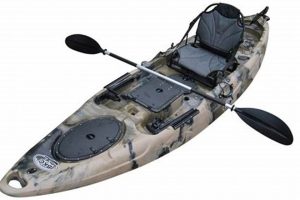
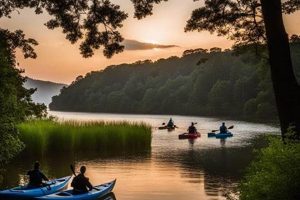
Georgia, with its diverse waterways ranging from calm lakes and slow-moving rivers to the vibrant saltwater marshes and coastline, offers exceptional opportunities for anglers seeking a unique fishing experience. Combining the tranquility of kayaking with the thrill of angling, this activity provides access to secluded fishing spots often unreachable by larger boats. This pursuit requires specific equipment, including a fishing kayak equipped with rod holders, tackle storage, and possibly a fish finder, along with appropriate fishing gear for the targeted species.
The popularity of kayak fishing stems from its affordability, accessibility, and low environmental impact. It allows for a close connection with nature and provides a physical workout while enjoying the sport of fishing. Historically, kayaks were utilized by indigenous peoples for hunting and fishing. Today’s modern versions are specifically designed for stability, comfort, and functionality, making them ideal for pursuing various fish species in diverse aquatic environments. This evolution reflects the growing interest in self-propelled watercraft for recreational fishing.
An exploration of prime locations, suitable species, necessary equipment, and relevant regulations will further illuminate the allure of this exciting and accessible form of angling within the state. Understanding these factors contributes to a safe, successful, and sustainable approach to experiencing the diverse fishing opportunities available in Georgia’s waterways.
Tips for Kayak Fishing in Georgia
Successful kayak fishing requires careful planning and preparation. These tips contribute to a safer and more productive experience on Georgia’s waters.
Tip 1: Research Fishing Locations: Thorough research helps anglers identify suitable locations based on target species, water conditions, and accessibility. Consulting local fishing reports and maps aids in identifying productive areas.
Tip 2: Check Weather Conditions: Prior to embarking on any fishing trip, verifying the weather forecast is crucial. Wind speed, precipitation, and temperature significantly impact safety and comfort on the water.
Tip 3: Utilize Appropriate Safety Gear: Wearing a personal flotation device (PFD) is paramount for safety. Carrying a whistle, signaling devices, and a first-aid kit is also recommended.
Tip 4: Select Suitable Fishing Gear: The choice of fishing rods, reels, and tackle depends on the target species. Local bait and tackle shops can offer advice specific to Georgia’s waters.
Tip 5: Plan for Kayak Stability: Distributing weight evenly within the kayak enhances stability. Avoid sudden movements that could compromise balance and lead to capsizing.
Tip 6: Respect Wildlife and the Environment: Practicing catch-and-release fishing helps conserve fish populations. Proper disposal of fishing line and other waste minimizes environmental impact.
Tip 7: Obtain Necessary Licenses and Permits: Anglers must possess valid fishing licenses and be aware of any specific regulations pertaining to the chosen fishing location.
Tip 8: Consider Guided Fishing Trips: Novice anglers or those unfamiliar with Georgias waters can benefit from guided fishing trips. Local guides offer expertise on productive areas and techniques.
By adhering to these guidelines, anglers can enhance their enjoyment and success while prioritizing safety and responsible fishing practices.
Applying these principles allows for a fulfilling and sustainable approach to kayak fishing, maximizing the potential for a rewarding experience on Georgia’s diverse waterways.
1. Target Species

Georgia’s diverse aquatic ecosystems support a wide array of fish species, making target species selection a critical component of successful kayak fishing. Understanding the preferred habitat and behavior of desired fish directly influences location choice and fishing techniques, maximizing the angler’s chances of a productive outing.
- Largemouth Bass
Largemouth bass, a popular game fish, thrive in Georgia’s numerous lakes and reservoirs. Their preference for structure, such as submerged logs and vegetation, makes them ideal targets for kayak anglers who can navigate shallow, vegetated areas inaccessible to larger boats. Knowledge of bass behavior and seasonal patterns enhances success when targeting this species.
- Redfish
Redfish, known for their powerful fights, inhabit Georgia’s saltwater marshes and estuaries. Kayak fishing provides excellent access to these shallow, often challenging environments. Employing techniques like sight-fishing and utilizing appropriate lures or bait tailored to redfish behavior contributes to successful angling in these coastal areas.
- Trout
Georgia’s cool, clear mountain streams and rivers offer opportunities for trout fishing. Kayaks allow anglers to navigate these often remote waterways, accessing prime trout habitat. Understanding trout feeding habits and employing appropriate fly fishing or light tackle techniques enhances the chances of a successful catch.
- Catfish
Catfish, prevalent in many Georgia rivers and lakes, represent a readily available and rewarding target species for kayak anglers. Their adaptability to various baits and techniques, combined with their strong fighting ability, contributes to their appeal. Targeting catfish from a kayak provides a relaxing and enjoyable fishing experience accessible to anglers of all skill levels.
Careful consideration of target species significantly contributes to a rewarding kayak fishing experience in Georgia. Matching species preferences with appropriate locations, techniques, and equipment ensures anglers maximize their chances of success while enjoying the unique angling opportunities offered by the states diverse waterways.
2. Location Selection

Optimal location selection is paramount for successful kayak fishing in Georgia. The state’s diverse waterways offer a range of environments, each suited to specific fish species and angling styles. Careful consideration of factors like water type, accessibility, and target species significantly influences the overall fishing experience.
- Lake Fishing
Georgia’s numerous lakes, including Lake Lanier, Lake Allatoona, and Lake Sinclair, provide ample opportunities for kayak anglers. These expansive bodies of water offer diverse habitats, from deep open water to shallow, vegetated coves, attracting species like largemouth bass, crappie, and striped bass. Kayaks excel in these environments, allowing access to secluded areas often unreachable by larger vessels. Quiet propulsion minimizes disturbance, increasing the likelihood of successful angling.
- River Fishing
Rivers such as the Chattahoochee, Flint, and Savannah offer unique kayak fishing experiences. These flowing waters present diverse challenges and rewards, from navigating currents and rapids to targeting species like catfish, trout, and shoal bass. Kayaks provide maneuverability and access to shallow riffles and backwaters, enhancing the angler’s ability to explore prime fishing grounds.
- Coastal Saltwater Fishing
Georgia’s extensive coastline and saltwater marshes provide exciting opportunities for kayak anglers targeting species like redfish, speckled trout, and flounder. Kayaks offer stealthy access to shallow flats and estuaries, allowing anglers to get close to these prized game fish. Navigating tidal currents and understanding the nuances of saltwater fishing are essential for success in these environments.
- Small Ponds and Lakes
Smaller, often overlooked ponds and lakes scattered throughout Georgia offer excellent kayak fishing opportunities. These quieter waters often hold healthy populations of panfish like bream and bluegill, providing a relaxing and rewarding angling experience. Kayaks allow easy exploration of these smaller bodies of water, maximizing access to prime fishing spots.
Strategic location selection, tailored to target species and preferred fishing style, maximizes the kayak fishing experience in Georgia. Understanding the nuances of each waterway and choosing accordingly allows anglers to fully appreciate the diversity and abundance of fishing opportunities the state offers.
3. Essential Equipment

Specialized equipment is essential for optimizing the kayak fishing experience in Georgia. Proper gear selection directly impacts safety, comfort, and angling success. Understanding the function and purpose of each item contributes to a more productive and enjoyable outing on the water.
- Kayak Selection
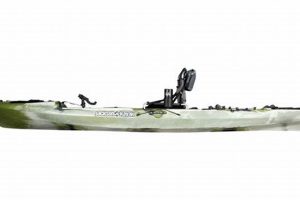
Kayak choice is paramount. Sit-on-top kayaks are favored for stability and ease of re-entry after a water landing. Sit-in kayaks offer better protection from the elements and greater storage capacity. Features like rod holders, paddle clips, and anchor systems enhance functionality. Weight capacity and hull design should align with anticipated water conditions and fishing style. Investing in a high-quality, purpose-built fishing kayak contributes significantly to overall performance and enjoyment.
- Paddle Choice
An efficient paddle is crucial for maneuvering and covering distance. Lightweight, adjustable paddles allow customization for individual paddling styles. Durable materials ensure longevity. A spare paddle acts as a vital backup in case of equipment failure. Proper paddling technique minimizes fatigue and maximizes efficiency on the water.
- Safety Gear
Safety is paramount in kayak fishing. A personal flotation device (PFD) is mandatory and should be worn at all times. A whistle enables signaling in emergencies. A waterproof VHF radio allows communication with other boaters and emergency services. Navigation lights and reflective gear enhance visibility in low-light conditions. A first-aid kit and essential tools address minor injuries and equipment repairs. Careful attention to safety precautions ensures a responsible and secure fishing experience.
- Fishing Gear
Appropriate fishing gear selection depends on target species. Rod and reel combinations should align with the type of fish being pursued. Tackle boxes organized with lures, hooks, lines, and sinkers contribute to efficiency. A fish finder and GPS unit assist in locating fish and navigating waterways. Landing nets facilitate safe fish retrieval. Properly maintained and appropriately selected fishing gear enhances angling success and contributes to a more enjoyable experience.
Careful selection and utilization of essential equipment contribute significantly to a successful and safe kayak fishing experience in Georgia. Investing in high-quality gear tailored to individual needs and target species enhances overall enjoyment and maximizes angling potential in the state’s diverse waterways.
4. Seasonal Considerations

Seasonal variations significantly influence fish behavior and, consequently, the strategies employed for successful kayak fishing in Georgia. Water temperature fluctuations, changing forage availability, and spawning cycles dictate fish location and feeding patterns. Understanding these seasonal nuances allows anglers to optimize their approach, increasing the likelihood of a productive outing. For instance, during spring, as water temperatures rise, largemouth bass move to shallower areas for spawning, making them more susceptible to topwater lures. Conversely, in the cooler months, these same bass retreat to deeper waters, requiring anglers to adjust their techniques and target different depths.
Recognizing the cyclical nature of fish behavior throughout the year provides several advantages. During summer, targeting trout in Georgia’s mountain streams becomes challenging due to increased water temperatures. Shifting focus to species like catfish or striped bass, which tolerate warmer conditions, presents a more viable alternative. Similarly, understanding the fall feeding frenzy as fish prepare for winter allows anglers to capitalize on this period of increased activity. Adapting to these seasonal changes ensures consistent success and expands the range of target species accessible throughout the year. Consulting local fishing reports and guides provides valuable insights into current fish behavior and effective techniques tailored to specific seasons.
Effectively integrating seasonal considerations into kayak fishing strategies maximizes angling success in Georgia’s diverse waterways. Adaptability in location choice, tackle selection, and fishing techniques allows anglers to capitalize on the dynamic nature of aquatic ecosystems. This awareness contributes to a more informed and rewarding fishing experience throughout the year, showcasing the importance of seasonal understanding as a key component of successful angling.
5. Safety Precautions
Safety remains paramount for achieving a truly “best” kayak fishing experience in Georgia. While the state offers abundant angling opportunities, neglecting essential safety precautions can transform a rewarding outing into a hazardous situation. Understanding and implementing these measures ensures an enjoyable and incident-free experience, allowing anglers to focus on the sport and appreciate Georgia’s diverse waterways.
- Personal Flotation Devices (PFDs)
PFDs are non-negotiable. Georgia law requires all kayak occupants to have accessible PFDs, and wearing one is strongly recommended. A properly fitted PFD provides essential buoyancy in the event of capsizing or unexpected immersion, significantly increasing survival chances in cold water or strong currents. Choosing a comfortable, well-maintained PFD ensures unrestricted movement while paddling and fishing. Prioritizing PFD use underscores a commitment to personal safety and responsible angling practices.
- Weather Awareness
Checking weather forecasts before embarking on a kayak fishing trip is crucial. Sudden changes in wind speed, precipitation, or temperature can create dangerous conditions on the water. Strong winds can make paddling challenging and increase the risk of capsizing, while lightning poses a severe threat. Monitoring weather radar and being prepared to adjust plans or return to shore promptly when conditions deteriorate is essential for a safe and enjoyable outing.
- Navigation and Communication
Carrying a map, compass, or GPS device, especially in unfamiliar waters, assists in maintaining orientation and preventing disorientation. Informing someone of planned fishing locations and estimated return times ensures timely assistance if needed. A fully charged cell phone in a waterproof case provides a communication lifeline in emergencies. Carrying a whistle allows for audible signaling to nearby boaters or emergency personnel.
- Sun and Heat Protection
Georgia’s climate presents potential sun and heat-related risks. Applying waterproof sunscreen with a high SPF, wearing a wide-brimmed hat, and utilizing polarized sunglasses protects against prolonged sun exposure. Staying hydrated by drinking plenty of water throughout the day prevents dehydration, especially during warmer months. Recognizing the signs of heat exhaustion and taking appropriate measures, such as seeking shade and rest, ensures a safe and comfortable fishing experience.
Integrating these safety precautions elevates the overall kayak fishing experience in Georgia from simply “good” to truly “best.” Prioritizing safety ensures peace of mind, allowing anglers to fully appreciate the state’s abundant fishing opportunities without compromising well-being. Responsible angling practices, combined with a proactive approach to safety, contribute to a sustainable and enjoyable experience on Georgia’s waterways.
6. Local Regulations
Adhering to local regulations is integral to the “best” kayak fishing experience in Georgia. Regulations, established by the Georgia Department of Natural Resources (DNR), ensure the sustainability of fish populations and protect the integrity of aquatic ecosystems. These rules encompass licensing requirements, catch limits, size restrictions, and permitted fishing methods. Ignoring these regulations not only jeopardizes the environment but also carries potential legal consequences, detracting significantly from the overall enjoyment and ethical practice of the sport. For instance, exceeding catch limits for redfish in coastal Georgia depletes breeding populations, impacting future fishing opportunities for all anglers. Similarly, using illegal fishing methods, such as certain types of nets, disrupts the natural balance of the ecosystem and undermines fair angling practices.
Understanding and complying with license requirements is fundamental. Different licenses exist for residents, non-residents, and specific fishing activities, such as freshwater or saltwater fishing. Obtaining the correct license, readily available online or through authorized vendors, ensures legal compliance. Familiarizing oneself with catch limits and size restrictions for targeted species contributes to responsible fishing. These limits, often varying by species and location, help prevent overfishing and maintain healthy fish populations. Respecting closed seasons, designed to protect vulnerable species during spawning periods, demonstrates a commitment to conservation and long-term sustainability. By meticulously following these regulations, anglers contribute directly to the preservation of Georgia’s diverse aquatic resources. Resources like the Georgia DNR website provide detailed information on current regulations, ensuring anglers have access to the most up-to-date rules and guidelines.
Respecting local regulations elevates the kayak fishing experience in Georgia beyond mere personal enjoyment. Compliance demonstrates a commitment to ethical angling practices, environmental stewardship, and the preservation of fishing opportunities for future generations. This responsible approach ensures that the “best” kayak fishing experiences remain accessible and sustainable within the states diverse and valuable aquatic ecosystems. By adhering to regulations, anglers become active participants in conservation efforts, safeguarding the very resources that support their cherished pastime.
Frequently Asked Questions
Addressing common inquiries regarding kayak fishing in Georgia clarifies potential uncertainties and provides valuable insights for anglers seeking to maximize their experience on the state’s diverse waterways. These responses offer practical guidance and promote responsible angling practices.
Question 1: What are the most popular kayak fishing destinations in Georgia?
Locations like Lake Lanier, Lake Allatoona, the Okefenokee Swamp, and the coastal saltwater marshes consistently rank among the most sought-after destinations. Species diversity, accessibility, and scenic beauty contribute to their popularity.
Question 2: Is a specific fishing license required for kayak fishing?
A valid Georgia fishing license is mandatory for anyone engaging in recreational fishing, regardless of fishing platform. Separate licenses exist for freshwater and saltwater fishing. Licenses are readily available online or through authorized vendors.
Question 3: What essential safety equipment should one carry while kayak fishing?
Wearing a personal flotation device (PFD) is paramount. Additional safety essentials include a whistle, signaling devices, a first-aid kit, a waterproof communication device, and navigation tools.
Question 4: What are the primary target species for kayak anglers in Georgia?
Popular target species include largemouth bass, redfish, trout, catfish, crappie, and flounder. Species selection often dictates location choices and fishing techniques. Researching species-specific habits enhances angling success.
Question 5: Are there specific regulations concerning kayak fishing in certain areas?
Regulations vary by location and often include catch limits, size restrictions, and permitted fishing methods. Consulting the Georgia Department of Natural Resources (DNR) website or contacting local authorities provides specific regulatory information.
Question 6: What are the benefits of choosing a kayak for fishing compared to other methods?
Kayaks offer unparalleled access to shallow waters and secluded fishing spots often inaccessible to larger boats. Their quiet propulsion minimizes disturbance to fish, enhancing angling success. Kayak fishing provides an intimate connection with nature and a physically engaging experience. The lower cost of entry compared to motorized boats adds to the appeal.
Understanding these frequently addressed topics contributes to a safer, more informed, and ultimately, more enjoyable kayak fishing experience in Georgia. Prioritizing safety, respecting regulations, and engaging in ethical angling practices ensures the preservation of the state’s valuable aquatic resources for all.
Exploring additional resources, such as local fishing guides and online forums, can further enhance an angler’s understanding and enjoyment of kayak fishing in Georgia.
Best Kayak Fishing in Georgia
Georgia’s diverse waterways offer exceptional kayak fishing opportunities, from tranquil lakes and winding rivers to the dynamic coastal marshes. Achieving the “best” experience hinges on several key factors. Strategic location selection based on target species, informed equipment choices, and adherence to safety precautions are essential for a successful and rewarding outing. Respecting local regulations and understanding seasonal influences contribute to sustainable angling practices and maximize the potential for a productive experience. Careful preparation and a commitment to responsible fishing ensure the preservation of Georgia’s valuable aquatic resources.
Kayak fishing in Georgia represents more than simply a recreational pursuit; it offers a unique connection with nature and a chance to explore the state’s hidden aquatic treasures. Through informed decision-making and a commitment to ethical angling, this activity becomes a sustainable and enriching experience. The future of kayak fishing in Georgia relies on the collective responsibility of anglers to protect these valuable resources, ensuring continued enjoyment for generations to come. Embrace the challenge, respect the environment, and discover the unparalleled rewards of kayak fishing in Georgia.