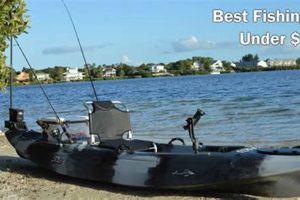
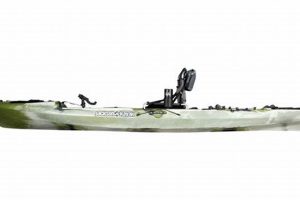
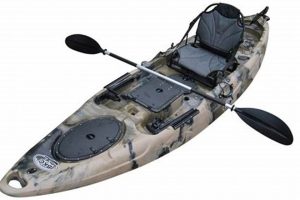
A high-quality tandem fishing kayak designed for two anglers offers features like stability, ample storage for fishing gear, and comfortable seating. Such kayaks are often equipped with rod holders, paddle parks, and other specialized features catered to anglers. They can range from inflatable models to rigid, sit-on-top designs.
Tandem fishing kayaks provide a shared experience on the water, enabling collaborative fishing and enhancing safety. They offer increased stability compared to single-person kayaks, which is beneficial in challenging conditions or when landing larger fish. Historically, fishing from kayaks has ancient roots, but the development of specialized, two-person fishing kayaks is a more recent innovation, reflecting the growing popularity of kayak fishing as a recreational activity.
The following sections will explore key factors to consider when selecting a two-person fishing kayak, including hull design, materials, features, and top models available on the market.
Tips for Selecting a Tandem Fishing Kayak
Choosing the right tandem fishing kayak requires careful consideration of various factors to ensure optimal performance, comfort, and safety on the water.
Tip 1: Consider Weight Capacity: Payload capacity should accommodate the combined weight of anglers, gear, and any potential catch. Exceeding the specified weight limit can compromise stability and performance.
Tip 2: Evaluate Hull Design: Different hull designs (e.g., pontoon, sit-on-top, sit-in) offer varying levels of stability, speed, and maneuverability. A wider, flatter hull generally provides greater stability, while a longer, narrower hull enhances speed.
Tip 3: Assess Storage Options: Ample storage is crucial for fishing gear, tackle boxes, and personal items. Consider dedicated compartments, hatches, and bungee systems.
Tip 4: Prioritize Comfort and Adjustability: Adjustable seating and footrests contribute to long-term comfort during extended fishing trips. Look for features like padded seats and backrests.
Tip 5: Examine Material and Durability: Kayaks are typically constructed from polyethylene, fiberglass, or composites. Each material offers different levels of durability, weight, and cost.
Tip 6: Check for Fishing-Specific Features: Essential features include rod holders, paddle parks, fish finders mounts, and anchor trolleys. These enhance the fishing experience and efficiency.
Careful consideration of these factors ensures selection of a tandem fishing kayak well-suited to specific needs and preferences, promoting a safe and enjoyable fishing experience.
By understanding these crucial elements, informed decisions can be made, leading to a successful and rewarding time on the water.
1. Stability

Stability forms a cornerstone of a positive tandem fishing kayak experience. A stable platform allows anglers to cast, reel, and land fish effectively without compromising safety. This is particularly crucial when dealing with larger fish or navigating choppy waters. A kayak prone to tipping or rocking can disrupt fishing activities and even create dangerous situations. Consider, for example, two anglers attempting to simultaneously land fish from a less stable platform the risk of capsizing increases significantly.
Several factors contribute to kayak stability. Hull design plays a significant role; wider, flatter hulls generally provide more initial stability, while longer, narrower hulls often excel in secondary stability (resistance to tipping once leaning). Weight distribution within the kayak also impacts stability. Evenly distributed weight across the two seats and storage compartments optimizes balance. Features like outriggers or pontoons can further enhance stability, particularly for anglers seeking added security.
Understanding the relationship between stability and kayak design empowers informed decisions during the selection process. Prioritizing stability ensures not only a safe fishing environment but also enhances the overall experience by providing a secure and comfortable platform for anglers to focus on their pursuit. A stable tandem kayak allows for more efficient casting and retrieval, reducing the risk of tangles and lost catches. Ultimately, stability translates to a more productive and enjoyable fishing trip.
2. Storage Capacity

Ample storage is a defining characteristic of a high-quality tandem fishing kayak. Effective organization and accessibility of essential gear directly influence fishing success and overall enjoyment on the water. Insufficient storage can lead to cluttered decks, hindering movement and casting, while well-designed storage solutions maximize space and efficiency.
- Dedicated Tackle Storage:
Designated compartments for tackle boxes, trays, and small items maintain organization and prevent gear from shifting during transit or while maneuvering. Examples include waterproof hatches, recessed compartments within the deck, and removable tackle organizers. This dedicated storage contributes to a more efficient and focused fishing experience by keeping essential tools readily available.
- Rod Holders and Management Systems:
Secure rod holders, whether flush-mounted or adjustable, are essential for safe rod storage and transport. Multiple rod holders accommodate various rod types and fishing techniques. Integrated rod management systems prevent tangles and facilitate quick access when changing lures or fighting fish. These features streamline the fishing process and minimize disruption.
- Dry Storage for Personal Items:
Protecting personal belongings, such as phones, wallets, and cameras, from water damage is crucial. Watertight compartments or dry bags stored within designated areas ensure valuable items remain safe and dry, even in wet conditions. This preservation of essential personal items adds to peace of mind and overall trip satisfaction.
- Bungee Systems and Deck Rigging:
Versatile bungee systems and deck rigging provide additional storage for items like paddles, dry bags, and coolers. Secure tie-down points ensure gear remains in place during travel and maneuvering. This adaptability enhances the kayak’s utility for various fishing scenarios and personal preferences.
The integration of comprehensive storage solutions significantly elevates a tandem fishing kayak’s functionality and overall value. Strategic storage design contributes to a more organized, efficient, and ultimately more successful fishing experience. By prioritizing storage capacity and organization, anglers can focus on the task at hand, maximizing their time and enjoyment on the water.
3. Comfort

Comfort plays a pivotal role in defining a high-quality two-person fishing kayak experience. Extended periods on the water, often under varying weather conditions, necessitate ergonomic design and adjustable features. Discomfort can detract from focus and enjoyment, potentially shortening trips and hindering fishing success. Anglers experiencing back pain or stiffness due to inadequate seating, for instance, are less likely to perform optimally. Conversely, well-designed seating and ample legroom contribute to sustained comfort, allowing anglers to remain focused and energized throughout their fishing excursion.
Several elements contribute to comfort. Adjustable seating systems accommodate individual preferences and body types, crucial for accommodating two anglers of potentially different statures. Features like padded seats and backrests provide crucial support and cushioning, minimizing strain during long hours on the water. Sufficient legroom allows for comfortable stretching and shifting of position, reducing fatigue and stiffness. Ergonomically designed footrests further enhance comfort and control, promoting stability and balance while casting and reeling. Practical examples include kayaks with sliding, adjustable seats offering multiple recline positions and adjustable foot braces accommodating various leg lengths. These features ensure personalized comfort, maximizing enjoyment and fishing effectiveness.
Prioritizing comfort in a tandem fishing kayak directly correlates with an enhanced on-the-water experience. A comfortable environment reduces fatigue, improves focus, and allows anglers to fully enjoy their time fishing. This translates to greater endurance, improved performance, and ultimately, a more successful and satisfying outing. Selecting a kayak with well-designed comfort features represents a significant investment in long-term fishing enjoyment and overall well-being on the water.
4. Durability

Durability is a paramount consideration when selecting a two-person fishing kayak, directly impacting its lifespan and resilience against the rigors of the aquatic environment. A durable kayak withstands impacts, abrasions, and UV exposure, ensuring long-term performance and value. Compromised durability can lead to leaks, structural damage, and ultimately, a shortened lifespan, necessitating costly repairs or replacements.
- Material Selection:
Kayak construction materials significantly influence durability. Polyethylene kayaks offer excellent impact resistance and affordability, while fiberglass kayaks provide enhanced rigidity and tracking. Composite materials, like carbon fiber or Kevlar, deliver superior strength and lighter weight but often come at a premium cost. Choosing the appropriate material depends on anticipated usage, budget, and desired performance characteristics. A roto-molded polyethylene kayak might suit recreational anglers in calm waters, whereas a fiberglass or composite kayak may be preferable for more demanding conditions.
- Hull Construction:
Hull thickness and construction methods directly affect impact resistance and overall durability. Thicker hulls generally withstand impacts and abrasion better, but can increase weight and reduce maneuverability. Manufacturers employ various construction techniques, such as single-layer, multi-layer, and reinforced hulls, each offering different levels of strength and stiffness. Examining hull construction details provides insights into a kayak’s ability to withstand potential damage from rocks, logs, or other obstacles encountered on the water.
- UV Resistance:
Prolonged exposure to sunlight can degrade kayak materials, leading to fading, brittleness, and reduced structural integrity. UV-resistant coatings and additives protect against sun damage, extending the kayak’s lifespan and maintaining its aesthetic appeal. Kayaks frequently stored outdoors or used in intense sunlight benefit significantly from robust UV protection. This consideration is particularly relevant for brightly colored kayaks, which are more susceptible to fading without adequate UV resistance.
- Hardware and Fittings:
Durable hardware, including handles, latches, and deck rigging, contributes to the kayak’s overall longevity. Corrosion-resistant materials, such as stainless steel or marine-grade aluminum, are essential for long-term performance in saltwater environments. High-quality fittings ensure reliable functionality and prevent premature wear and tear. Inspecting hardware quality provides valuable insights into a kayak’s resilience and ability to withstand the stresses of regular use.
Investing in a durable tandem fishing kayak translates to long-term value and reliable performance. A robust construction ensures resilience against the elements and everyday wear and tear, minimizing maintenance requirements and maximizing time on the water. Prioritizing durability contributes to a safer, more enjoyable, and ultimately more cost-effective fishing experience over the kayak’s lifespan.
5. Maneuverability

Maneuverability is a critical performance attribute in tandem fishing kayaks, directly influencing angling effectiveness and overall on-the-water experience. Efficient navigation through diverse water conditions, including narrow creeks, winding rivers, and open lakes, requires responsive handling and precise control. A kayak’s ability to turn quickly, track straight, and navigate obstacles impacts access to prime fishing spots and the ease with which anglers can position themselves for optimal casting and retrieval.
- Hull Design and Length:
Hull design significantly impacts maneuverability. Shorter kayaks generally turn more quickly, while longer kayaks offer improved tracking and speed. Wider hulls enhance stability but can compromise maneuverability in tight spaces. For example, a shorter, V-shaped hull excels in maneuverability within confined waterways, whereas a longer, flatter hull provides stability in open water but sacrifices turning responsiveness. The chosen hull design should align with the intended fishing environment and angler preferences.
- Waterline Length and Width:
The length and width of the portion of the hull in contact with the water influence maneuverability. A longer waterline typically results in better tracking and speed, while a shorter waterline improves turning performance. Wider waterlines enhance stability but may reduce agility in tight turns. Consider a kayak designed for river fishing; a shorter waterline facilitates navigation through shallow, winding sections, while a longer waterline would be advantageous in open lakes or coastal areas.
- Rudder and Skeg Systems:
Rudders and skegs enhance tracking and directional control, particularly in windy or current-prone conditions. Rudders offer active control over steering, while skegs provide passive directional stability. A rudder system allows for precise adjustments to maintain course, whereas a skeg minimizes yaw and improves tracking in challenging environments. The choice between a rudder and a skeg depends on individual preferences and the prevailing conditions encountered during typical fishing trips.
- Weight and Distribution:
Kayak weight and weight distribution influence responsiveness and maneuverability. Lighter kayaks generally maneuver more easily, while heavier kayaks require more effort to turn and accelerate. Proper weight distribution within the kayak enhances balance and control, optimizing performance. For instance, evenly distributing gear and ensuring proper seating positions contributes to efficient maneuverability, while an unevenly loaded kayak may feel sluggish and unresponsive.
Maneuverability directly impacts fishing effectiveness and overall enjoyment on the water. A highly maneuverable tandem kayak allows anglers to navigate diverse environments, access secluded fishing spots, and position themselves strategically for optimal casting and retrieval. Careful consideration of hull design, length, rudder/skeg systems, weight, and weight distribution ensures selection of a kayak that meets specific fishing needs and enhances the overall angling experience. The ability to navigate efficiently and precisely translates to more time focused on fishing and ultimately, greater success and satisfaction on the water.
6. Fishing Features
Specialized features distinguish fishing kayaks from recreational models, enhancing angling effectiveness and overall experience. These features directly impact functionality, organization, and convenience on the water. A well-equipped fishing kayak provides a dedicated platform optimized for angling success, allowing anglers to focus on the task at hand rather than logistical challenges.
- Rod Holders:
Secure rod holders, including flush-mounted, adjustable, and rotating designs, provide safe storage and quick access to rods while paddling or fighting fish. Multiple rod holders accommodate diverse fishing techniques. For example, dedicated trolling rod holders positioned at the stern facilitate hands-free fishing while covering water. Similarly, adjustable rod holders near the cockpit allow quick access for casting and retrieving.
- Tackle Storage and Organization:
Integrated tackle storage solutions, such as waterproof hatches, removable trays, and designated compartments, keep essential gear organized and readily accessible. Efficient storage minimizes clutter and maximizes deck space. A well-organized tackle system allows anglers to quickly locate specific lures or tools without disrupting their fishing flow. Examples include dedicated compartments for leader lines, hooks, and weights, ensuring efficient access and preventing tangles.
- Fish Finder Mounts and Transducer Scuppers:
Integrated mounts and scuppers accommodate fish finders and transducers, providing crucial underwater insights for locating fish and identifying structure. Pre-installed mounts simplify installation and ensure secure placement. Transducer scuppers protect transducers from damage and maintain optimal performance. These features enhance fishing strategy and increase the likelihood of success. For example, a fish finder mount near the cockpit allows easy viewing of sonar data, enabling informed decisions about lure selection and retrieval techniques.
- Anchor Trolleys and Stake-Out Systems:
Anchor trolleys and stake-out systems enable precise positioning in desired fishing locations, crucial for maintaining position in current or wind. Anchor trolleys allow adjustment of anchor position from the cockpit, while stake-out systems provide secure anchoring in shallow water. These features maximize fishing effectiveness by keeping the kayak in the optimal spot. For example, an anchor trolley allows anglers to control drift and maintain position relative to a submerged structure, maximizing fishing opportunities.
These specialized fishing features collectively enhance angling efficiency, comfort, and overall success. A two-person fishing kayak equipped with these features provides a dedicated platform optimized for the pursuit of fish, allowing anglers to focus on technique and strategy rather than logistical challenges. Investing in a kayak with well-designed fishing features significantly contributes to a more productive and enjoyable on-the-water experience.
Frequently Asked Questions
This section addresses common inquiries regarding the selection and use of tandem fishing kayaks.
Question 1: What is the typical weight capacity of a two-person fishing kayak?
Weight capacities vary, typically ranging from 450 to 600 pounds. This capacity encompasses the combined weight of passengers, gear, and any potential catch.
Question 2: What are the primary differences between sit-on-top and sit-in tandem fishing kayaks?
Sit-on-top kayaks offer superior stability and ease of entry/exit, making them suitable for warmer climates and calmer waters. Sit-in kayaks provide better protection from the elements and enhanced paddling efficiency in colder conditions or rougher waters.
Question 3: How does hull design affect the performance of a tandem fishing kayak?
Hull design influences stability, speed, and maneuverability. Wider, flatter hulls provide greater initial stability, while longer, narrower hulls enhance speed and tracking. Specialized hull designs, such as pontoon hulls, maximize stability for fishing.
Question 4: What essential features should one look for in a two-person fishing kayak?
Essential features include rod holders, ample storage compartments, comfortable seating, adjustable footrests, and fishing-specific accessories like anchor trolleys and transducer mounts.
Question 5: How does one properly maintain a tandem fishing kayak?
Proper maintenance includes rinsing the kayak after each use, especially in saltwater environments, storing it away from direct sunlight, and regularly inspecting and lubricating moving parts.
Question 6: What safety precautions should be taken when using a tandem fishing kayak?
Essential safety precautions include wearing personal flotation devices (PFDs), carrying a whistle or other signaling device, informing someone of planned fishing locations and estimated return times, and checking weather conditions before embarking.
Careful consideration of these frequently asked questions equips prospective buyers with the knowledge necessary to make informed decisions when selecting a two-person fishing kayak. Prioritizing safety, performance, and comfort ensures a positive and productive on-the-water experience.
The next section will offer concluding remarks and summarize key takeaways for prospective two-person fishing kayak owners.
Conclusion
Selecting a high-quality two-person fishing kayak requires careful evaluation of key features impacting performance, comfort, and overall angling experience. Stability, storage capacity, comfort, durability, maneuverability, and specialized fishing features contribute significantly to a successful and enjoyable outing. Prioritizing these aspects ensures a kayak well-suited to specific needs and preferences. Thorough research and consideration of individual fishing styles, target species, and intended waterways are essential for informed decision-making.
An informed purchase decision empowers anglers to maximize their time on the water. A suitable two-person fishing kayak enhances not only fishing success but also promotes safety and shared enjoyment. Careful selection ensures long-term satisfaction and countless rewarding experiences on the water. The right vessel transforms fishing trips into cherished memories, fostering camaraderie and a deeper appreciation for the sport.