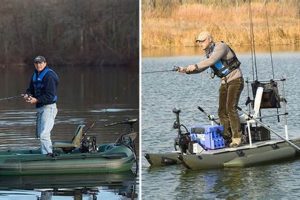
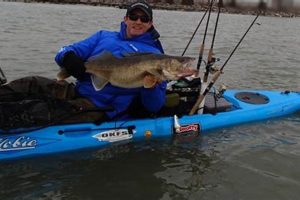
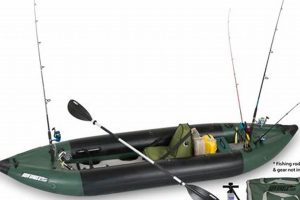
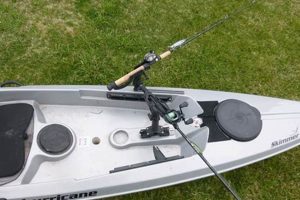
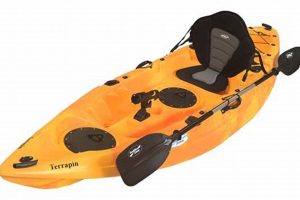
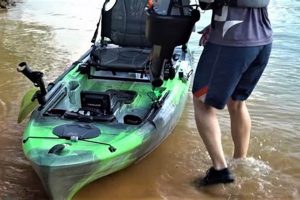
Anglers of larger stature require watercraft designed to accommodate their weight and size comfortably and safely. These specialized kayaks provide enhanced stability and load capacity, often featuring wider beams, reinforced hulls, and adjustable seating systems. A properly fitted kayak ensures efficient paddling, comfortable fishing, and, critically, safe navigation.
Choosing a suitable watercraft is essential for larger anglers to enjoy the sport of kayak fishing fully. A stable and supportive vessel allows for extended fishing trips without discomfort or compromise on safety. Historically, individuals with larger frames faced limited options. Recent advancements in kayak design and manufacturing, however, have yielded a range of specialized kayaks catering specifically to their needs. This progress has opened up the rewarding experience of kayak fishing to a wider audience.
This article will further explore key considerations when selecting a kayak appropriate for heavier individuals, including weight capacity, hull design, seating options, and essential accessories. It will also delve into specific models and manufacturers known for their quality and performance in this specialized category.
Tips for Selecting a Kayak
Choosing the right kayak is crucial for a safe and enjoyable fishing experience. Consider these essential factors before making a purchase.
Tip 1: Prioritize Weight Capacity: Kayak weight capacity should significantly exceed the angler’s weight, including gear and equipment. This ensures optimal performance and safety.
Tip 2: Consider Hull Design: Wider, flatter hulls offer greater stability, while longer, narrower hulls provide better tracking and speed. A sit-on-top design is often preferred for ease of entry and exit.
Tip 3: Evaluate Seat Comfort and Adjustability: A comfortable and adjustable seat is vital for longer fishing trips. Look for features like adjustable backrests and ample padding.
Tip 4: Assess Storage Options: Sufficient storage space for fishing gear, tackle boxes, and personal items is essential. Consider integrated rod holders and dry storage compartments.
Tip 5: Factor in Transportation and Storage: Consider the kayak’s weight and dimensions, and ensure it can be easily transported and stored.
Tip 6: Test Before Purchasing: If possible, test the kayak on the water before purchasing. This allows for assessment of stability, comfort, and maneuverability.
Tip 7: Research Reputable Manufacturers: Opt for kayaks from established manufacturers known for quality construction and reliable performance.
Careful consideration of these factors will contribute significantly to a satisfying and safe kayaking experience, enabling anglers to focus on the joy of fishing.
By following these guidelines, anglers can confidently choose a kayak that meets their specific needs and enhances their overall fishing experience. The next section will offer a detailed overview of recommended kayak models.
1. Stability

Stability is a critical factor for any kayak, but it becomes paramount for heavier individuals. A stable platform is essential not only for comfort but also for safety, especially when fishing. Compromised stability can lead to capsizing, jeopardizing both angler and equipment. This section explores the key facets contributing to stability in kayaks designed for heavier users.
- Hull Design
Wider, flatter hulls inherently offer greater initial stability. They resist tipping more effectively than narrower designs, providing a secure platform for casting, reeling, and landing fish. A shallow-V hull can offer a good balance of stability and tracking performance. Conversely, deeper-V hulls, while efficient for paddling, can feel less stable for larger individuals. For example, a pontoon-style hull maximizes stability but sacrifices maneuverability.
- Center of Gravity
A lower center of gravity enhances stability. Kayaks designed for heavier anglers often feature wider beams and lower seating positions, helping to keep the center of gravity low and improve stability. Proper weight distribution within the kayak is also crucial. Distributing gear evenly and avoiding excessive weight in higher positions further enhances stability. Shifting body weight can also be used to maintain balance in dynamic conditions.
- Kayak Length and Width
Longer kayaks generally track straighter, while shorter kayaks turn more easily. Width directly impacts stability. Wider kayaks provide more initial stability, which is crucial for larger individuals. A longer, wider kayak offers both stability and tracking, although it may sacrifice some maneuverability. For instance, a 12-foot long, 34-inch wide kayak provides a stable platform while maintaining reasonable maneuverability.
- Water Conditions
Calm, flat water presents fewer stability challenges than choppy or flowing water. Kayak stability is inherently influenced by the water conditions. While a stable hull design minimizes the risk of capsizing, understanding the limitations of the kayak in different water conditions is essential. Heavier anglers should exercise added caution in rougher waters, recognizing the increased risk of instability. For example, a kayak stable in a lake may be less stable in ocean surf or fast-moving rivers.
By understanding these factors, anglers can select a kayak offering optimal stability for their weight and the intended fishing environment. Prioritizing stability ensures not only a comfortable fishing experience but also enhances safety, allowing anglers to focus on the sport rather than worrying about balance. Investing in a stable kayak is a crucial step for larger individuals seeking to fully enjoy kayak fishing.
2. Weight Capacity

Weight capacity is a critical factor when selecting a fishing kayak, particularly for larger individuals. This specification represents the maximum weight a kayak can safely support, encompassing the combined weight of the angler, gear, and any additional equipment. Exceeding the specified weight capacity compromises stability, maneuverability, and safety, increasing the risk of capsizing. For heavier anglers, choosing a kayak with ample weight capacity is non-negotiable. A kayak’s buoyancy, directly related to its weight capacity, determines how well it floats and supports the load. Insufficient buoyancy results in a lower, less stable ride, increasing the likelihood of water ingress and potentially capsizing.
Consider a scenario where an angler weighing 250 pounds, along with 50 pounds of gear, intends to use a kayak with a stated capacity of 300 pounds. While seemingly adequate, this leaves no margin for error. Adding a small cooler or extra tackle could exceed the limit, placing the angler at risk. Choosing a kayak with a higher capacity, such as 400 pounds, provides a crucial safety buffer. This extra capacity not only enhances stability but also allows for additional gear or equipment to be carried safely. Manufacturers typically provide weight capacity ratings based on optimal performance and stability, not solely the point at which the kayak will sink. Therefore, operating near the maximum capacity often results in a less responsive and stable vessel. Choosing a kayak with a capacity well above the anticipated load ensures optimal performance and, crucially, safety.
Understanding weight capacity is fundamental to selecting a suitable fishing kayak, especially for larger anglers. Prioritizing a kayak with ample capacity contributes significantly to safety and enhances the overall fishing experience by ensuring optimal performance and stability. Ignoring this critical factor can have serious consequences, jeopardizing both angler safety and enjoyment on the water. This careful consideration allows anglers to confidently focus on fishing, knowing their vessel is appropriately equipped for their needs.
3. Comfort

Comfort plays a vital role in the overall fishing kayak experience, particularly for larger individuals. Extended periods on the water necessitate a comfortable and supportive environment to minimize fatigue and maximize enjoyment. Discomfort can detract from the fishing experience, leading to premature fatigue and a decreased ability to focus on the task at hand. Addressing comfort factors enhances not only enjoyment but also safety, allowing anglers to remain alert and responsive to changing conditions.
- Seat Design and Adjustability
Seat design is paramount for comfort. Kayaks designed for heavier individuals often feature wider, more supportive seats with ample padding. Adjustable backrests, foot braces, and thigh supports allow for customization, accommodating individual preferences and body types. A well-designed seat distributes weight evenly, reducing pressure points and promoting proper posture, crucial for long-term comfort. For instance, a high-back seat with lumbar support can significantly improve comfort and reduce back strain during extended fishing trips.
- Legroom and Cockpit Space
Adequate legroom and cockpit space are crucial for larger anglers. A cramped cockpit restricts movement, leading to discomfort and fatigue. Sufficient space allows for comfortable leg extension, facilitating circulation and preventing cramping. Ample cockpit space also allows for easier entry and exit from the kayak, a significant consideration for individuals with mobility limitations. A larger cockpit opening also enhances safety, enabling quicker egress in the event of a capsize.
- Stability and Balance
Kayak stability directly impacts comfort. A stable platform allows anglers to move freely and confidently, minimizing the need for constant adjustments to maintain balance. This stability promotes relaxation and reduces fatigue, allowing for a more enjoyable fishing experience. A stable kayak also allows anglers to stand up and cast, providing a wider range of fishing techniques. For example, a wide, flat-bottom hull offers enhanced stability, promoting comfort and confidence on the water.
- Accessibility and Ease of Use
Ease of entry and exit, gear storage accessibility, and the positioning of rod holders and other accessories contribute to overall comfort and convenience. Features like strategically placed handles and grab rails facilitate easy entry and exit, reducing strain and enhancing safety. Well-organized storage compartments within easy reach minimize the need for excessive movement or stretching, further promoting comfort and efficiency. For instance, readily accessible storage for tackle boxes and fishing gear enhances convenience and minimizes disruption during fishing.
By carefully considering these comfort factors, larger anglers can select a kayak that enhances their overall fishing experience. Prioritizing comfort leads to reduced fatigue, increased enjoyment, and improved safety, allowing anglers to focus on the sport and enjoy extended time on the water. Investing in a comfortable kayak translates directly to a more rewarding and fulfilling fishing experience.
4. Durability
Durability is a paramount concern when selecting a fishing kayak, especially for heavier individuals. The increased weight and stress placed on the kayak necessitate a robust construction capable of withstanding rigorous use and varied environmental conditions. A durable kayak ensures longevity, minimizes maintenance, and, critically, enhances safety on the water. Inferior construction can lead to structural failures, leaks, and premature wear, compromising both performance and safety. For heavier anglers, a durable kayak provides peace of mind and allows for confident exploration of diverse waterways.
The materials used in kayak construction directly impact durability. High-density polyethylene (HDPE) is a common choice, offering a balance of affordability and impact resistance. Higher-end kayaks may utilize cross-linked polyethylene or thermoformed ABS, providing enhanced stiffness and durability. Reinforced hulls, robust seams, and high-quality hardware further contribute to overall structural integrity. For instance, a kayak with reinforced keel and scupper holes designed to withstand impacts and abrasion demonstrates superior durability compared to a lightly constructed model. Similarly, reinforced seating and mounting points are crucial for heavier anglers, ensuring long-term support and stability. Manufacturing processes also play a crucial role. Rotational molding creates a uniform, highly durable hull, while thermoforming allows for precise shaping and reinforcement in critical areas.
Investing in a durable kayak minimizes the risk of damage from impacts, UV exposure, and general wear and tear. This durability translates to a longer lifespan, reducing the need for frequent repairs or replacements. Choosing a kayak built to withstand the demands of heavier anglers ensures not only a reliable vessel but also a safe and enjoyable fishing experience. The long-term benefits of durability outweigh the initial investment, providing years of dependable service and contributing to a positive and productive experience on the water. This focus on durability allows anglers to focus on the sport of fishing, confident in the reliability and performance of their kayak.
5. Storage

Ample storage is a critical feature in fishing kayaks designed for larger individuals. The inherent need to carry more gear, including larger tackle boxes, heavier rods and reels, and potentially additional safety equipment, necessitates thoughtfully designed storage solutions. Inadequate storage compromises organization, accessibility, and ultimately, the overall fishing experience. Larger anglers often carry more equipment, such as extra clothing layers or larger tackle boxes, increasing the demand for ample storage space. A kayak lacking sufficient storage can lead to a cluttered deck, hindering movement and potentially compromising stability. For example, an angler needing to constantly shift gear to access different items or maintain balance experiences reduced efficiency and increased risk of capsizing. Conversely, a well-organized kayak with dedicated storage compartments allows for efficient retrieval of essential items, minimizing disruption and maximizing fishing time. Consider a scenario where an angler needs to quickly access a specific lure. In a cluttered kayak, locating this lure could be time-consuming and frustrating, potentially disrupting the fishing rhythm. With dedicated compartments, however, the lure is readily available, minimizing disruption and maximizing fishing time.
Practical storage solutions are essential. Integrated rod holders, strategically placed storage hatches, and bungee cord tie-downs all contribute to a well-organized and efficient fishing platform. Dry storage compartments safeguard sensitive electronics and personal items from water damage, a crucial consideration in any fishing environment. The size and placement of these compartments should accommodate the specific needs of larger anglers. For example, a large, easily accessible hatch located behind the seat allows for convenient storage of larger tackle boxes or other bulky items. Similarly, recessed rod holders prevent interference with paddling and casting, while also keeping rods secure and readily available. The availability of specialized storage solutions, such as tackle box inserts and gear tracks, further enhances organization and customization, enabling anglers to tailor their kayaks to individual preferences and fishing styles.
The connection between adequate storage and a positive fishing experience for larger individuals is undeniable. A well-designed storage system promotes efficiency, enhances safety, and ultimately allows anglers to focus on the sport rather than managing gear. Investing in a kayak with ample and well-designed storage solutions translates directly to a more rewarding and productive time on the water. Overlooking this crucial aspect can significantly detract from the overall fishing experience, highlighting the importance of prioritizing storage when selecting a fishing kayak designed for larger individuals.
Frequently Asked Questions
This section addresses common inquiries regarding kayak selection for individuals of larger stature.
Question 1: What is the most important factor to consider when choosing a kayak for a heavier person?
Weight capacity is paramount. The kayak must safely support the combined weight of the angler, gear, and all equipment. Choosing a kayak with a weight capacity significantly exceeding the anticipated load ensures optimal performance and safety.
Question 2: Are sit-on-top kayaks more suitable for larger individuals?
Sit-on-top kayaks are generally preferred due to their ease of entry and exit, self-bailing design, and enhanced stability. The open design accommodates larger body types more comfortably.
Question 3: How does kayak width affect stability?
Wider kayaks offer greater initial stability, making them ideal for heavier anglers. A wider beam reduces the likelihood of tipping, especially during casting and reeling.
Question 4: What features contribute to a comfortable fishing experience for larger individuals?
Adjustable seating, ample legroom, and a supportive backrest are essential for comfort. Features like adjustable foot braces and thigh supports further enhance long-term comfort and reduce fatigue.
Question 5: How does kayak length affect performance?
Longer kayaks generally track straighter and glide more efficiently, while shorter kayaks offer enhanced maneuverability. The optimal length depends on the intended fishing environment and personal preferences.
Question 6: Are there specific kayak brands or models recommended for heavier anglers?
Several manufacturers specialize in kayaks designed for larger individuals. Researching reputable brands known for robust construction and ample weight capacity is advisable. Consulting online reviews and seeking expert advice can further inform the decision-making process.
Addressing these common questions provides a foundational understanding of the key factors to consider when selecting a kayak suitable for larger individuals. Prioritizing safety, stability, and comfort ensures a positive and productive fishing experience.
The following section delves into specific kayak models and manufacturers renowned for their quality and performance in this specialized category.
Fishing Kayak for Heavy Guys
Selecting a fishing kayak appropriate for larger individuals requires careful consideration of various factors. Weight capacity, stability, comfort, and durability are paramount for ensuring a safe and enjoyable experience. Hull design, seating systems, and storage solutions contribute significantly to overall performance and angler satisfaction. Prioritizing these elements empowers anglers to make informed decisions, leading to a rewarding and productive time on the water.
The evolution of kayak design and manufacturing continues to expand opportunities for anglers of all sizes. Careful consideration of individual needs and preferences, combined with thorough research and informed decision-making, ensures a successful and fulfilling kayak fishing experience. Ultimately, choosing the right kayak unlocks the potential for rewarding adventures and fosters a deeper appreciation for the sport.