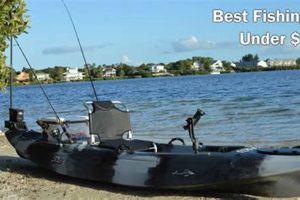
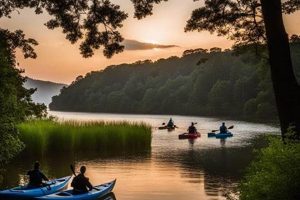
Texas, renowned for its diverse aquatic ecosystems, offers numerous locations ideal for anglers seeking a quiet, close-to-nature fishing experience. Small, maneuverable vessels like kayaks provide access to shallow waters and secluded coves often unreachable by larger boats, opening up a wealth of fishing opportunities. Factors contributing to a lake’s suitability for this activity include fish species diversity and population, clear water conditions, ease of access and launch points, and the presence of vegetation and other natural structures that attract fish.
Kayak fishing provides a unique blend of recreation and sport, allowing anglers to immerse themselves in the natural environment while pursuing their passion. The low-impact nature of kayaks minimizes disturbance to aquatic life and preserves the tranquility of these natural spaces. Historically, smaller watercraft have played a vital role in fishing traditions, and the modern resurgence of kayak fishing reflects a renewed appreciation for this intimate connection with the water. The growing popularity of this activity contributes to local economies through tourism and the associated demand for equipment and services.
The following sections will explore some of the most highly regarded locations in Texas for this pursuit, considering factors such as fish species, accessibility, and overall angling experience. Further discussion will delve into essential equipment and techniques for successful kayak fishing, as well as safety considerations and responsible angling practices.
Tips for Kayak Fishing in Texas
Successful kayak fishing requires careful planning and preparation. These tips offer guidance for maximizing angling success and ensuring a safe and enjoyable experience on Texas lakes.
Tip 1: Research Target Species: Understanding the habits and preferred habitats of target fish species is crucial. Researching seasonal patterns and preferred bait or lures enhances angling effectiveness.
Tip 2: Utilize a Lake Map: A detailed lake map helps anglers locate promising fishing spots, including drop-offs, submerged structures, and vegetation beds, which often attract fish.
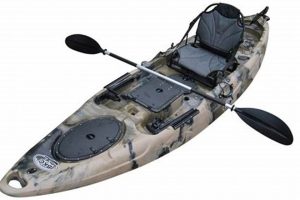
Tip 3: Choose the Right Kayak: Kayak selection depends on individual needs and fishing style. Longer kayaks offer speed and tracking for covering larger areas, while shorter, wider kayaks provide stability for stand-up fishing in calmer waters. Consider weight capacity and storage options.
Tip 4: Pack Essential Gear: A well-organized kayak should include essential safety equipment (life jacket, whistle), fishing gear (rods, reels, tackle), and navigation tools (GPS, compass). Dry bags protect electronics and other valuables.
Tip 5: Practice Kayak Control: Maneuvering a kayak effectively allows anglers to position themselves optimally for casting and retrieving lines. Practice paddling and maneuvering techniques before venturing onto the lake.
Tip 6: Check Weather Conditions: Wind, rain, and temperature fluctuations can significantly impact fishing conditions and safety. Check forecasts before departing and be prepared for changing weather.
Tip 7: Employ Proper Fishing Techniques: Adjust fishing techniques based on the target species and environment. Consider trolling, casting, or jigging, and select lures or bait accordingly.
Tip 8: Respect Wildlife and the Environment: Practice catch-and-release whenever possible and adhere to all fishing regulations. Dispose of waste responsibly and minimize disturbance to natural habitats.
By following these guidelines, anglers can significantly improve their chances of a successful and rewarding kayak fishing experience on Texas lakes, ensuring both safety and enjoyment while preserving the natural environment.
The subsequent conclusion will offer a final overview of the opportunities available for kayak fishing in Texas and encourage responsible engagement with this exciting sport.
1. Accessibility

Accessibility plays a crucial role in determining the suitability of a lake for kayak fishing. Ease of entry and exit, along with the availability of amenities and suitable launch points, significantly influence the overall fishing experience. Limited accessibility can deter anglers, especially those with specific physical needs or those seeking a hassle-free experience.
- Launch Sites:
Designated kayak launch areas, including ramps, docks, or even gently sloping shorelines, simplify the process of entering and exiting the water. Lakes with numerous well-maintained launch sites offer greater flexibility and convenience for anglers. Conversely, limited or poorly maintained access points can detract from the overall experience.
- Parking Availability:
Adequate parking close to launch sites is essential, especially during peak seasons. Limited parking can necessitate long walks carrying equipment, which can be challenging, particularly for those with heavier kayaks or physical limitations.
- Terrain Considerations:
The terrain surrounding the launch area should be navigable. Steep inclines, rough terrain, or obstacles can create difficulties for transporting kayaks to and from the water. Level, well-maintained paths and ramps enhance accessibility for all anglers.
- Accessibility for Persons with Disabilities:
Accessible features such as adaptive launch systems, floating docks, and accessible restrooms cater to anglers with disabilities, promoting inclusivity and ensuring everyone can enjoy the sport. Lakes prioritizing accessibility broaden their appeal and create a more welcoming environment for all.
These accessibility factors directly impact the overall enjoyment and feasibility of kayak fishing. Lakes with well-designed and maintained access points attract a wider range of anglers, contributing to the popularity and reputation of these locations as prime destinations for kayak fishing in Texas. Evaluating accessibility is therefore an essential step in selecting a suitable lake for a positive and rewarding fishing experience.
2. Fish Diversity

Fish diversity significantly contributes to a lake’s desirability for kayak angling. A wider variety of species provides anglers with more opportunities to pursue different fish, utilizing various techniques and tackle. This diversity enhances the overall angling experience, catering to a broader range of preferences and skill levels. Lakes with limited fish diversity may restrict angling opportunities and potentially lead to overfishing of specific populations. A diverse ecosystem also indicates a healthy aquatic environment, crucial for sustained fish populations and overall ecological balance.
Lakes renowned for diverse fish populations, such as Lake Fork and Sam Rayburn Reservoir in Texas, attract anglers seeking specific species like largemouth bass, crappie, and catfish. The presence of multiple trophic levels, including prey fish and predatory species, creates a complex food web, contributing to a dynamic and productive fishery. Anglers benefit from this diversity by having options to target different species depending on seasonal patterns, water conditions, or personal preferences. This variety sustains angler interest and encourages repeat visits, contributing to the economic viability of the lake as a fishing destination.
Understanding the fish diversity within a lake informs effective angling strategies. Researching prevalent species, their feeding habits, and preferred habitats allows anglers to select appropriate tackle, bait, and fishing locations. This knowledge maximizes the chances of a successful and rewarding fishing experience. Furthermore, recognizing the importance of fish diversity encourages responsible angling practices, such as catch-and-release, selective harvesting, and adherence to fishing regulations, ensuring the long-term health and sustainability of the fishery. Conserving diverse fish populations benefits not only the angling community but also the entire ecosystem, maintaining biodiversity and ecological balance within these valuable aquatic environments.
3. Water Clarity

Water clarity plays a pivotal role in the desirability of a lake for kayak fishing. Clear water allows anglers to sight fish, a technique that involves visually locating fish before casting. This visual aspect enhances the angling experience, adding an element of skill and challenge. Furthermore, clear water facilitates the observation of underwater structures, vegetation, and other habitat features crucial for locating fish. Conversely, murky or turbid water hinders visibility, limiting angling success and potentially requiring reliance on less engaging techniques. Therefore, water clarity directly influences the effectiveness of various fishing strategies and the overall enjoyment of the kayak fishing experience.
The clarity of a lake’s water is influenced by several factors, including algal blooms, sediment runoff, and decaying organic matter. Lakes with minimal runoff and healthy ecosystems tend to exhibit higher water clarity. For example, lakes in the Texas Hill Country, known for their spring-fed waters and relatively low nutrient levels, often boast excellent clarity, making them popular destinations for sight fishing. Conversely, lakes experiencing high nutrient loads from agricultural runoff or urban development may exhibit reduced clarity, impacting fishing visibility and potentially affecting the overall aquatic ecosystem health. Understanding these influences helps anglers make informed decisions about where and when to fish, maximizing their chances of success.
Maintaining water clarity is essential for preserving the quality of kayak fishing experiences in Texas lakes. Conservation efforts focused on reducing pollution and promoting healthy watershed management practices contribute to improved water quality. Supporting initiatives that protect riparian zones, minimize erosion, and control nutrient runoff helps safeguard these valuable aquatic resources. The clarity of a lake’s water directly reflects its ecological health and underscores the connection between environmental stewardship and the long-term viability of recreational activities like kayak fishing. By prioritizing water quality, we ensure the continued enjoyment of these natural treasures for future generations of anglers.
4. Kayak-Friendly
The concept of “kayak-friendly” is central to identifying the best kayak fishing lakes in Texas. A lake’s suitability for kayaks hinges on factors that facilitate easy navigation, safe launching, and enjoyable fishing. These factors distinguish ideal locations from those less conducive to kayak angling and contribute significantly to a positive and productive fishing experience. Understanding these components is crucial for anglers seeking optimal locations in Texas.
- Launch Sites and Accessibility:
Convenient launch sites specifically designed for kayaks are essential. These include shallow-entry points, dedicated kayak ramps, or easily accessible shorelines. Lakes with ample launch options and nearby parking facilitate seamless entry and exit, minimizing the effort required to transport kayaks to the water. Examples include lakes with designated kayak launch areas and those with gently sloping shorelines suitable for launching directly from the bank. Lakes lacking these features can present challenges for kayak anglers, especially those with heavier kayaks or limited mobility.
- Minimal Boat Traffic and Wake:
Heavy boat traffic and associated wakes can create hazardous conditions for kayakers, especially in larger lakes. Kayak-friendly lakes often have designated no-wake zones or areas where motorized boat traffic is restricted, ensuring calmer waters and a safer environment for kayaking. Lakes like Caddo Lake, with its intricate network of waterways and limited motorized access, exemplify this aspect. Conversely, lakes with heavy powerboat activity can be less suitable for kayaking, particularly for less experienced paddlers.
- Presence of Shallow Coves and Backwaters:
Shallow coves, backwaters, and protected areas offer excellent fishing opportunities for kayak anglers. These areas are often inaccessible to larger boats, providing kayakers with exclusive access to prime fishing grounds. The shallow depths and calmer waters in these locations are ideal for targeting species like bass and panfish. Lakes with abundant shallow-water habitats, such as Lake Conroe and Lake Austin, are particularly attractive to kayak anglers seeking these sheltered environments.
- Navigability and Shoreline Features:
Kayak-friendly lakes feature navigable waterways and shoreline features that enhance the fishing experience. These include clear channels, manageable currents, and easily accessible shorelines for exploring different fishing spots. Lakes with diverse shoreline features, such as overhanging trees, submerged logs, and vegetation beds, provide ample cover for fish and create productive fishing areas easily accessible by kayak. Navigable waterways without excessive obstructions enhance the overall enjoyment and efficiency of kayak fishing.
These kayak-friendly characteristics contribute significantly to the overall quality of the fishing experience on Texas lakes. By considering these factors, anglers can identify locations that offer optimal conditions for kayak fishing, ensuring both safety and enjoyment while maximizing the potential for a successful angling trip. Lakes that prioritize these aspects become prime destinations for kayak anglers, fostering a thriving community and contributing to the continued growth of this popular sport.
5. Minimal Boat Traffic

Minimal boat traffic is a crucial factor contributing to the designation of a lake as a “best kayak fishing lake in Texas.” Kayaks, being smaller and less stable than motorized boats, benefit significantly from calmer water conditions. Reduced boat traffic directly translates to a safer, more peaceful, and ultimately more productive fishing experience for kayak anglers. This section explores the multifaceted benefits of minimal boat traffic on Texas lakes, highlighting its connection to optimal kayak fishing conditions.
- Safety:
Reduced boat traffic significantly enhances safety for kayak anglers. Large motorized vessels generate wakes that can destabilize kayaks, potentially leading to capsizing. Minimal boat traffic minimizes this risk, creating a safer environment, especially for less experienced kayakers or those fishing in challenging conditions. Lakes known for their calm waters, such as smaller reservoirs or those with designated no-wake zones, provide a more secure setting for kayak fishing.
- Fishing Experience Enhancement:
A peaceful environment is paramount for a positive fishing experience. Excessive boat traffic disrupts the tranquility of the lake, creating noise and disturbance that can deter fish and negatively impact angling success. Minimal boat traffic allows anglers to focus on fishing, improving concentration and enjoyment. Quiet coves and less-trafficked areas offer a more immersive and rewarding experience, allowing anglers to connect with nature and appreciate the serenity of the lake environment.
- Fishing Effectiveness:
Excessive boat activity can scatter fish, making them more difficult to locate and catch. Minimal boat traffic, on the other hand, allows fish to remain in shallower areas and closer to cover, increasing the likelihood of successful angling. This is particularly important for techniques like sight fishing, where calmer water is essential for spotting fish. Lakes with restricted motorized access often exhibit higher fish concentrations in accessible areas, improving the chances of a productive fishing trip.
- Environmental Impact:
Reduced boat traffic contributes to a healthier lake ecosystem. Motorized boats can generate noise pollution, disturb aquatic life, and contribute to shoreline erosion. Minimal boat traffic lessens these impacts, preserving the natural environment and promoting a healthier habitat for fish and other aquatic organisms. This is particularly important in sensitive ecosystems or areas with vulnerable species. Choosing lakes with less boat traffic supports sustainable angling practices and contributes to the long-term health of Texas lakes.
In conclusion, minimal boat traffic plays a vital role in defining the best kayak fishing lakes in Texas. From enhanced safety and improved fishing experiences to positive ecological impacts, the advantages of calmer waters are numerous. By prioritizing lakes with limited motorized boat activity, kayak anglers can maximize their enjoyment, improve their chances of angling success, and contribute to the preservation of these valuable natural resources. This consideration is paramount for creating a positive and sustainable kayak fishing experience in Texas.
6. Habitat Complexity

Habitat complexity is a critical factor influencing the quality of a kayak fishing lake. A diverse and intricate habitat supports a wider range of fish species and provides ample opportunities for angling success. This complexity encompasses various structural elements within the aquatic environment, creating niches for different species and influencing their distribution and behavior. Understanding the role of habitat complexity is essential for identifying prime kayak fishing locations in Texas.
- Vegetated Areas:
Aquatic vegetation, such as lily pads, hydrilla, and reeds, provides crucial cover for fish, offering protection from predators and creating ambush points for prey. These vegetated areas are hotspots for bass, panfish, and other species seeking shelter and foraging opportunities. Kayaks, with their shallow draft and maneuverability, allow anglers to access these productive areas often unreachable by larger boats. Examples include the dense hydrilla beds in Lake Falcon or the lily pad fields in Lake Athens, both known for attracting large concentrations of fish.
- Submerged Structures:
Submerged logs, brush piles, and rock formations create underwater structures that attract fish. These structures offer shelter, spawning grounds, and ambush points. Kayak anglers can utilize sonar and mapping technology to locate these structures and target fish holding near them. Examples include the flooded timber in Toledo Bend Reservoir or the rocky ledges in Lake Travis, both popular locations for targeting bass and crappie around submerged structures.
- Drop-offs and Ledges:
Depth variations, such as drop-offs and ledges, create transitions in the lakebed topography that concentrate fish. These areas often experience changes in water temperature and oxygen levels, creating favorable conditions for certain species. Kayak anglers can use depth finders to identify these features and target fish holding along these contours. Examples include the steep drop-offs in Lake Amistad or the submerged ledges in Possum Kingdom Lake, both known for attracting a variety of fish species.
- River Channels and Creeks:
Inflowing rivers and creeks introduce nutrients and oxygen into the lake, creating productive fishing areas. These channels often have varying depths and currents, attracting baitfish and larger predatory species. Kayak anglers can explore these areas to target fish moving along these natural corridors. Examples include the Neches River channel in Lake Palestine or the San Jacinto River channel in Lake Houston, both offering diverse fishing opportunities along these flowing waterways.
The interplay of these habitat features creates a complex ecosystem that supports a thriving fish population. Kayak fishing, with its ability to access shallow and intricate areas, is ideally suited for exploiting the benefits of habitat complexity. By understanding the relationship between habitat and fish behavior, kayak anglers can effectively target specific species and maximize their chances of success on Texas lakes. Selecting lakes with diverse and well-developed habitat features is key to a productive and rewarding kayak fishing experience.
7. Lake size/depth

Lake size and depth are fundamental considerations when evaluating a lake’s suitability for kayak fishing in Texas. These factors influence fishable water volume, species distribution, and the overall kayak angling experience. Appropriate size and depth contribute significantly to a productive and enjoyable outing, catering to various fishing styles and target species. Understanding this relationship is crucial for selecting optimal kayak fishing locations.
- Smaller Lakes and Ponds:
Smaller bodies of water offer distinct advantages for kayak anglers. Their manageable size allows for thorough exploration and easier access to various fishing spots without requiring extensive paddling. These environments often harbor diverse fish populations, including bass, panfish, and catfish, concentrated in accessible areas. Examples include community fishing lakes, smaller reservoirs, and private ponds, which provide intimate and productive fishing experiences. The limited size and shallower depths often associated with these waters make them particularly well-suited for kayak angling.
- Larger Reservoirs and Lakes:
Larger lakes and reservoirs present both opportunities and challenges for kayak anglers. While offering vast expanses of water and potentially larger fish populations, they require more strategic planning and navigation. Kayak anglers often focus on specific areas within these larger bodies of water, such as coves, inlets, or river channels, to maximize fishing efficiency. Examples include Lake Fork, Sam Rayburn Reservoir, and Lake Travis, where kayak anglers can target specific areas known for holding particular species. Utilizing maps, GPS, and knowledge of fish behavior is crucial for successful kayak fishing in these expansive environments.
- Depth Variations and Fish Distribution:
Water depth significantly influences fish distribution and behavior. Shallow areas provide warm-water habitats for species like bass and sunfish, while deeper regions offer cooler, oxygen-rich environments for catfish and striped bass. Understanding depth contours and utilizing fish finders allows kayak anglers to target specific depths and locate fish holding near drop-offs, ledges, or submerged structures. Recognizing these depth-related patterns is essential for successful fishing strategies in various lake environments.
- Impact of Wind and Weather:
Lake size and depth impact how wind and weather affect kayak fishing conditions. Larger, deeper lakes can experience stronger winds and larger waves, potentially creating challenging conditions for kayakers. Smaller, shallower lakes may be more sheltered from wind but can experience rapid temperature fluctuations. Considering weather forecasts and choosing appropriate locations based on prevailing conditions is essential for a safe and enjoyable kayak fishing experience. Smaller lakes might be preferable during windy conditions, while larger lakes offer more stable temperatures during periods of extreme heat or cold.
The interplay of lake size, depth, and environmental factors significantly influences the overall kayak fishing experience in Texas. Choosing the right lake based on these considerations, personal preferences, target species, and prevailing conditions ensures a productive and enjoyable outing. Whether exploring the intimate confines of a smaller pond or navigating the expansive waters of a large reservoir, understanding the role of lake size and depth is crucial for maximizing angling success and appreciating the diverse kayak fishing opportunities available in Texas.
Frequently Asked Questions
This section addresses common inquiries regarding kayak fishing in Texas, providing concise and informative responses to assist anglers in planning successful outings.
Question 1: What are the licensing requirements for kayak fishing in Texas?
A valid Texas fishing license is required for anyone over the age of 17 fishing from a kayak, just as with any other form of fishing in the state. Licenses can be obtained online through the Texas Parks and Wildlife Department or from authorized retailers.
Question 2: What essential safety equipment should be carried on a kayak fishing trip?
Essential safety gear includes a properly fitted personal flotation device (PFD), a whistle, a visual distress signal, and a first-aid kit. Navigation tools such as a GPS device, compass, and map are also recommended, along with communication devices like a VHF radio or a waterproof cell phone.
Question 3: Are there specific regulations regarding kayak fishing in Texas state parks?
Regulations may vary among state parks. Some parks require permits or have specific launch areas designated for kayaks. Checking the specific rules and regulations of the intended park prior to arrival is crucial for a smooth and legal fishing experience.
Question 4: What are the best times of year for kayak fishing in Texas?
Fishing can be productive year-round in Texas, but optimal times vary depending on the target species and location. Spring and fall often offer ideal temperatures and active fish. Summer fishing may require adjusting strategies to accommodate warmer water, while winter fishing can be productive for certain species.
Question 5: How does one choose the appropriate kayak for fishing in Texas lakes?
Kayak selection depends on individual needs and fishing styles. Factors to consider include stability, maneuverability, storage capacity, and weight capacity. Longer kayaks track well for open water, while shorter, wider kayaks offer greater stability for stand-up fishing in calmer environments. Researching various kayak types and considering personal preferences are essential for making an informed decision.
Question 6: Where can one find reliable information about current fishing conditions and regulations in Texas?
The Texas Parks and Wildlife Department website offers up-to-date information on fishing regulations, license requirements, and lake conditions. Local fishing reports, bait shops, and online forums can also provide valuable insights into current fishing activity and productive areas.
Careful planning and adherence to safety regulations ensure a rewarding experience on Texas waters. Understanding the specific requirements and regulations for each lake optimizes fishing success while preserving the natural environment.
The following section offers a concluding perspective on kayak fishing opportunities in Texas.
Conclusion
Texas offers diverse opportunities for kayak fishing enthusiasts. Factors such as lake size and depth, water clarity, fish diversity, habitat complexity, accessibility, and minimal boat traffic contribute significantly to the selection of ideal locations. Understanding these elements allows anglers to tailor their approach, maximizing both enjoyment and angling success. Careful consideration of these factors ensures a rewarding experience, catering to various skill levels and fishing styles.
Responsible angling practices, including adherence to regulations and respect for the environment, are crucial for preserving these valuable resources. Continued exploration and appreciation of Texas’ diverse aquatic ecosystems promise rewarding experiences for current and future generations of kayak anglers. Careful stewardship ensures the long-term health and sustainability of these exceptional fishing destinations.