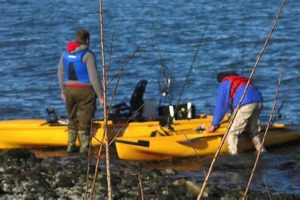
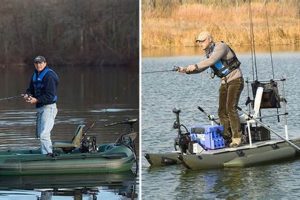
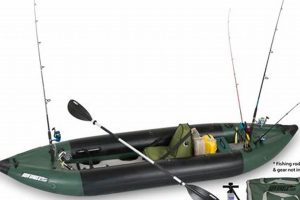
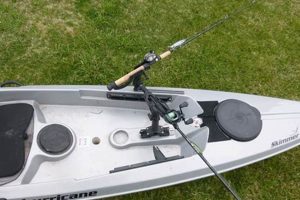
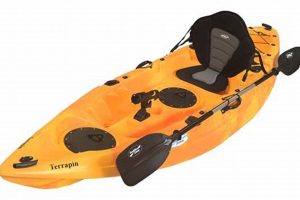
Specialized kayaks designed for angling in near-shore ocean environments are evolving. These next-generation vessels are anticipated to incorporate advancements in materials, hull designs, and integrated technology to enhance performance, stability, and the overall fishing experience. Imagine a lightweight, highly durable craft, seamlessly integrating fish-finding electronics, GPS navigation, and perhaps even automated anchoring systems.
These advancements promise increased angler efficiency and enjoyment. Lighter materials could translate to easier transport and maneuverability, while advanced hull designs might offer increased stability in surf and improved tracking in open water. Integrated technology could streamline the angling process, allowing fishers to focus more on the sport itself. This evolution builds upon a long history of kayak fishing, adapting the basic platform to better meet the needs of anglers in challenging coastal environments.
This article will explore specific advancements in kayak design and technology, examining potential materials, propulsion systems, and the integration of electronics, offering a detailed look at the exciting potential of these specialized watercraft.
Tips for Selecting a Next-Generation Coastal Fishing Kayak
Choosing the right kayak for near-shore ocean fishing requires careful consideration of several factors. The following tips provide guidance for selecting a craft optimized for performance, stability, and angler comfort.
Tip 1: Prioritize Stability: Coastal conditions can be unpredictable. A wider, flatter hull design generally offers greater primary stability, reducing the risk of capsizing, especially in surf or choppy water.
Tip 2: Consider Propulsion: Pedal-powered kayaks offer hands-free operation, advantageous for fishing. Evaluate fin designs for optimal performance in shallow water and sandy bottoms.
Tip 3: Evaluate Material and Weight: Lighter kayaks are easier to transport and launch. Durability is also crucial; consider high-quality thermoformed plastics or composites.
Tip 4: Assess Storage Capacity: Ample storage is essential for fishing gear, safety equipment, and catches. Consider integrated rod holders, tackle compartments, and dry storage hatches.
Tip 5: Integrate Technology Wisely: Fish finders, GPS, and even anchor systems can enhance the angling experience. Ensure seamless integration and user-friendly operation.
Tip 6: Test Before Purchasing: Whenever possible, test paddle different models to assess comfort, stability, and maneuverability. Consider the typical fishing conditions encountered.
Careful consideration of these factors will result in a kayak selection well-suited for the demands of coastal fishing, maximizing both safety and enjoyment on the water.
By understanding these key elements of kayak selection, anglers can make informed decisions, leading to a more enjoyable and successful experience on the water. This culminates in a greater appreciation for the sport and the advanced technologies shaping its future.
1. Advanced Materials

Advanced materials play a crucial role in the evolution of coastal fishing kayaks, directly influencing performance, durability, and overall user experience. These materials offer significant advantages over traditional construction, enabling lighter, stronger, and more specialized craft designed for the rigors of the marine environment.
- Lightweight Composites:
Carbon fiber, Kevlar, and other advanced composites offer exceptional strength-to-weight ratios. Kayaks constructed from these materials are significantly lighter than traditional rotomolded polyethylene kayaks, facilitating easier transport and improved maneuverability on the water. This translates to less fatigue during paddling and portaging, allowing for longer and more productive fishing trips.
- Thermoformed Plastics:
Advanced thermoforming techniques allow for the creation of complex hull shapes with precise control over material thickness. This process results in kayaks that are both durable and lightweight, offering an excellent balance of performance and affordability. These plastics also offer enhanced UV resistance and impact strength compared to traditional polyethylene.
- Multi-Layer Construction:
Combining different materials in a layered construction can optimize specific performance characteristics. For example, a core of lightweight foam sandwiched between layers of composite material can provide exceptional rigidity and buoyancy while minimizing weight. This approach allows designers to fine-tune the kayak’s performance for specific fishing styles and conditions.
- Recycled and Sustainable Materials:
The use of recycled plastics and other sustainable materials in kayak construction is gaining momentum. This aligns with increasing environmental awareness within the angling community and contributes to reducing the overall environmental impact of the sport. Research and development in this area are ongoing, with the potential for further innovation in eco-friendly kayak construction.
The ongoing development and application of advanced materials will continue to shape the future of coastal fishing kayaks. These advancements promise improved performance, increased durability, and reduced environmental impact, ultimately enhancing the angling experience and promoting responsible stewardship of marine environments.
2. Integrated Technology

Integrated technology stands as a defining characteristic of the future beach fishing kayak, fundamentally transforming the angler’s interaction with the environment and the sport itself. This integration goes beyond simply mounting accessories; it represents a cohesive fusion of technology and kayak design, optimizing functionality and enhancing the overall fishing experience. Consider the seamless incorporation of fish finders directly into the hull, eliminating the need for external transducers and cumbersome wiring. Real-time navigational data displayed on integrated GPS systems, coupled with automated anchoring capabilities, allows anglers to focus on fishing, not equipment management.
The practical implications of this technological integration are significant. Improved fish-finding capabilities increase angling success. Precise navigation ensures safe and efficient travel, particularly in challenging coastal waters. Hands-free operation of essential systems, from anchoring to propulsion, allows anglers to dedicate more time and attention to the core activity: fishing. Furthermore, integrated technology can contribute to safety. Real-time weather updates, emergency communication systems, and automated distress signals enhance situational awareness and provide critical support in unforeseen circumstances.
Technological integration presents both opportunities and challenges. Maintaining a balance between functionality and simplicity is crucial. Overly complex systems can detract from the fishing experience. Durability and reliability in harsh marine environments are paramount. Furthermore, ethical considerations arise concerning the potential impact of advanced technology on the sport itself, prompting discussions about fair play and the balance between technological assistance and traditional angling skills. Addressing these challenges through thoughtful design and responsible implementation will be crucial for realizing the full potential of integrated technology in shaping the future of beach fishing kayaks.
3. Enhanced Stability

Stability represents a critical performance attribute in beach fishing kayaks, directly impacting angler safety and fishing effectiveness. In challenging coastal environments characterized by surf, currents, and variable wind conditions, a stable platform is essential for casting, reeling, and landing fish. Enhanced stability in future designs will differentiate next-generation kayaks, enabling anglers to confidently navigate and fish in diverse conditions.
- Hull Design Advancements
Wider, flatter hulls with pronounced chines provide inherent primary stability, resisting initial tipping. Multi-hull designs, including catamarans and trimarans, offer exceptional stability but can compromise maneuverability in surf zones. Innovative hull shapes incorporating strategically placed chines and integrated sponsons represent a promising avenue for maximizing both stability and performance.
- Outrigger Systems
Deployable outriggers and stabilizing floats enhance secondary stability, recovering balance after initial displacement. These systems can be integrated into the kayak’s design or deployed as needed, offering versatile stability enhancement without significantly compromising performance when stowed.
- Ballast Systems
Integrated ballast systems, utilizing water or adjustable weights, lower the center of gravity, improving stability. These systems can be dynamically adjusted to compensate for varying loads, such as gear and catches, maintaining optimal balance throughout the fishing trip.
- Computer-Aided Design and Hydrodynamic Modeling
Advanced design tools allow precise optimization of hull shapes for specific performance characteristics, including stability. Hydrodynamic modeling predicts kayak behavior in various conditions, enabling designers to fine-tune stability parameters before physical prototypes are constructed. This accelerates the development process and allows for highly specialized designs tailored to specific fishing environments.
These advancements in stability enhancement contribute to a safer and more effective fishing experience, expanding the accessible range of coastal environments and enabling anglers to focus on the sport with increased confidence and control. The future of beach fishing kayaks hinges on these advancements, ensuring a secure and enjoyable experience on the water.
4. Improved Propulsion
Efficient and adaptable propulsion systems are essential for maximizing the effectiveness of future beach fishing kayaks. Coastal environments present unique challenges, from navigating surf zones and strong currents to covering considerable distances. Advanced propulsion systems will differentiate next-generation kayaks, enhancing maneuverability, speed, and overall fishing range.
- Pedal-Powered Systems
Pedal drives offer hands-free operation, a significant advantage for anglers. Evolving fin designs optimize performance in shallow water and minimize weed entanglement. Next-generation pedal systems may incorporate variable gearing and enhanced maneuverability, allowing precise control in challenging conditions. Furthermore, advancements in propeller and fin technology promise increased efficiency and speed.
- Motorized Kayaks
Electric motors offer increased range and power, particularly beneficial in strong currents or covering long distances. Integrated battery systems and solar charging capabilities enhance convenience and reduce environmental impact. Future motorized kayaks may incorporate advanced control systems, including GPS-guided autopilot and automated speed regulation.
- Hybrid Propulsion
Combining pedal power with electric motors offers maximum versatility. Anglers can seamlessly switch between human-powered and motorized propulsion depending on conditions and fishing needs. This hybrid approach maximizes range and efficiency while retaining the option of quiet, non-motorized operation when desired.
- Assisted Paddle Systems
Integrating electric assist into traditional paddling systems offers an alternative approach to enhanced propulsion. These systems provide on-demand power assistance, reducing fatigue and increasing speed when needed. Future designs may incorporate regenerative braking, capturing energy during paddling to recharge onboard batteries.
These advancements in propulsion systems are crucial for expanding the capabilities of future beach fishing kayaks. Increased speed, range, and maneuverability translate to greater fishing access and enhanced on-the-water efficiency. The evolution of propulsion technologies promises to significantly improve the overall fishing experience in coastal environments.
5. Increased Storage
Ample and intelligently designed storage is paramount in the evolution of the future beach fishing kayak. Coastal angling necessitates carrying a diverse array of gear, from rods and reels to safety equipment, tackle boxes, and personal items. Effective storage solutions maximize space utilization, enhance organization, and contribute to a more efficient and enjoyable fishing experience. Optimized storage directly impacts angler performance and safety, allowing for quick access to essential gear and minimizing clutter on the kayak.
- Integrated Tackle Management Systems
Moving beyond simple storage compartments, future kayaks will incorporate dedicated tackle management systems. These systems might include modular trays, customizable dividers, and specialized compartments for lures, hooks, and other small items. Such organization enhances efficiency, allowing anglers to quickly locate and deploy specific tackle without disrupting their fishing flow.
- Rod and Reel Storage
Secure and easily accessible rod storage is crucial. Recessed rod holders protect valuable equipment while minimizing interference with paddling and casting. Future designs may incorporate adjustable rod holders, accommodating different rod lengths and fishing styles. Integrated reel compartments further protect sensitive equipment from saltwater exposure and damage.
- Dry Storage Compartments
Protecting sensitive electronics, personal items, and emergency gear from water damage is essential. Increased dry storage capacity, incorporating airtight hatches and waterproof compartments, is a key feature of future designs. These compartments may be strategically located throughout the kayak, optimizing weight distribution and accessibility.
- Live Well Integration
For anglers targeting specific species, integrated live wells are crucial for keeping bait or catches fresh. Future designs may incorporate larger, more efficient live wells with improved aeration and circulation systems. These systems may be integrated seamlessly into the kayak’s hull, maximizing space efficiency and minimizing impact on stability.
These advancements in storage solutions will significantly enhance the functionality and versatility of future beach fishing kayaks. Optimized storage contributes directly to angler efficiency, safety, and overall enjoyment on the water. By prioritizing intelligent storage design, future kayaks will empower anglers to focus on the sport, maximizing their time on the water and minimizing the challenges of gear management in dynamic coastal environments.
6. Personalized Design
The concept of personalized design is integral to the evolution of the future beach fishing kayak, recognizing that individual anglers have unique physical attributes, fishing styles, and preferences. Customization, once a luxury, is becoming increasingly accessible through modular components, adjustable features, and advanced manufacturing techniques. This shift empowers anglers to optimize their kayaks for specific needs and preferences, maximizing comfort, efficiency, and overall fishing performance.
- Adjustable Seating Systems
Ergonomics play a crucial role in angler comfort and endurance. Adjustable seating systems allow for customized positioning, accommodating variations in height, leg length, and preferred posture. Future designs may incorporate dynamic seating adjustments, enabling anglers to fine-tune their position throughout the fishing trip, minimizing fatigue and maximizing comfort.
- Customizable Layouts
Modular components and adjustable mounting systems allow anglers to personalize the layout of their kayaks. Rod holders, tackle storage, and electronic mounts can be positioned according to individual preferences and fishing styles. This flexibility enhances efficiency and allows anglers to create a customized workspace optimized for their specific needs.
- 3D Printing and Additive Manufacturing
Advancements in 3D printing and additive manufacturing are enabling highly personalized kayak components. Custom-designed seats, rod holders, and even hull modifications can be created to meet individual angler specifications. This technology opens up a new realm of possibilities for personalization, catering to specific physical needs and fishing styles.
- Data-Driven Design and Biometric Integration
Future kayaks may incorporate biometric sensors and data-driven design principles to optimize performance for individual anglers. Collecting data on paddling stroke, body movement, and fishing activity can inform personalized design recommendations, leading to customized kayaks that maximize efficiency and minimize strain.
Personalized design represents a paradigm shift in kayak manufacturing, moving away from a one-size-fits-all approach towards customized solutions that cater to individual angler needs. This focus on personalization promises to enhance comfort, efficiency, and overall fishing performance, making the future beach fishing kayak a truly individualized and optimized platform for exploring coastal waters.
Frequently Asked Questions
Addressing common inquiries regarding advancements in next-generation coastal fishing kayaks provides clarity and fosters informed decision-making for prospective purchasers and enthusiasts.
Question 1: How significantly will advanced materials impact the overall weight and performance of future fishing kayaks?
Lightweight composites, such as carbon fiber, can substantially reduce kayak weight, improving portability and maneuverability. This translates to increased paddling efficiency and reduced angler fatigue, enabling longer fishing trips and easier handling in surf zones.
Question 2: What are the primary advantages of integrated technology in these kayaks?
Integrated technology, such as fish finders and GPS, streamlines the fishing experience. Real-time data enhances situational awareness and decision-making, while automated systems, like anchoring, free the angler to focus on fishing. Safety features, including communication and emergency systems, also benefit from integration.
Question 3: How will enhanced stability features improve the safety and fishing experience?
Improved stability, achieved through advanced hull designs and features like outriggers, ensures angler safety, especially in challenging conditions. A stable platform is crucial for casting, fighting fish, and navigating surf or currents, contributing to a more confident and enjoyable fishing experience.
Question 4: What propulsion advancements are anticipated in future models?
Expect further development in pedal-powered systems, offering increased efficiency and maneuverability. Electric motors, potentially integrated with pedal drives in hybrid systems, will provide enhanced range and power for traversing longer distances or combating strong currents.
Question 5: How will increased and improved storage solutions benefit anglers?
Optimized storage solutions, including specialized compartments for tackle and gear, maximize space utilization and organization. This enhances efficiency, allowing quick access to essential items while minimizing clutter and maximizing fishing time.
Question 6: What role will personalized design play in the future of fishing kayaks?
Personalized design, through adjustable seating, customizable layouts, and potentially even 3D-printed components, will allow anglers to tailor their kayaks to individual physical attributes and fishing styles. This enhanced customization optimizes comfort and performance, creating a truly individualized fishing platform.
Understanding these advancements and their practical implications empowers informed decisions regarding future kayak purchases, ensuring alignment between angler needs and evolving kayak technologies. This knowledge contributes to a safer, more efficient, and ultimately more rewarding fishing experience.
Exploring specific models and manufacturers that embody these advancements provides a deeper understanding of the tangible benefits offered by next-generation coastal fishing kayaks. This practical exploration forms the next step in navigating the evolving landscape of these specialized watercraft.
Future Beach Fishing Kayaks
This exploration of advancements in coastal fishing kayak design underscores a clear trajectory: enhanced performance, increased angler comfort, and a deeper integration with the marine environment. Key developments in materials, propulsion systems, integrated technology, stability enhancements, storage solutions, and personalized design collectively define the next generation of these specialized vessels. These advancements promise not merely incremental improvements but a transformative shift in the coastal fishing experience.
The future of coastal kayak fishing hinges on continued innovation and a commitment to angler-centric design. By embracing these advancements, manufacturers empower anglers to explore new horizons, pursue their passion with increased efficiency and enjoyment, and foster a deeper connection with the coastal ecosystem. The evolution of the beach fishing kayak represents a dynamic interplay of technology, design, and a profound respect for the sport itself, promising a future rich with opportunity and enhanced angling experiences.