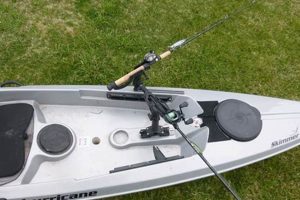
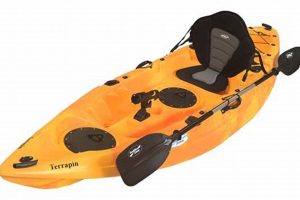
A specialized vessel designed for pursuing a particular pelagic game fish offers anglers a unique platform for offshore adventures. These durable, ocean-going crafts are typically longer and wider than recreational kayaks, providing stability and ample storage for fishing gear. Specialized features such as rod holders, outriggers, and livewells are often integrated into their design.
The pursuit of these powerful fish requires a specialized approach, and these purpose-built watercraft deliver several advantages. Their relatively compact size allows access to shallower waters and tighter spots that larger boats might struggle to reach, increasing the chances of encountering this elusive species. Furthermore, the low profile of these vessels presents a smaller silhouette, potentially less disturbing to wary fish. Historically, anglers relied primarily on larger, motorized vessels; however, the increasing popularity of this type of targeted fishing reflects a growing interest in more intimate and environmentally conscious approaches.
The subsequent sections will delve deeper into specific aspects of selecting, outfitting, and safely operating these vessels, including discussions of recommended features, essential safety equipment, and effective fishing techniques.
Tips for Wahoo Kayak Fishing
Successful wahoo kayak fishing requires careful planning and execution. These tips offer guidance for a safe and productive experience.
Tip 1: Choose the Right Kayak: Select a stable, ocean-going kayak specifically designed for offshore fishing. Consider features like rod holders, outriggers, and ample storage.
Tip 2: Prioritize Safety Equipment: Essential safety gear includes a personal flotation device, a VHF radio, a signaling device, and a first-aid kit. A GPS and fish finder are also highly recommended.
Tip 3: Understand Weather Conditions: Check marine forecasts before embarking on any fishing trip. Avoid venturing out in rough seas or inclement weather.
Tip 4: Plan Your Route: Research potential fishing spots and plan your route accordingly. Consider factors like currents, tides, and water depth.
Tip 5: Use Appropriate Tackle: Heavy-duty rods, reels, and lines are essential for battling powerful wahoo. High-quality hooks and lures designed for pelagic fish are also crucial.
Tip 6: Employ Effective Fishing Techniques: Trolling high-speed lures or live bait is a common technique for attracting wahoo. Be prepared for a strong fight once a fish is hooked.
Tip 7: Practice Proper Fish Handling: Exercise caution when handling wahoo due to their sharp teeth. Use appropriate tools and techniques to safely land and release or harvest your catch.
Tip 8: Respect the Environment: Practice responsible fishing by adhering to local regulations and minimizing environmental impact. Properly dispose of any waste and handle fish with care.
By adhering to these guidelines, anglers can enhance their chances of a successful and safe wahoo kayak fishing experience while contributing to the preservation of marine resources.
These preparatory steps lay the foundation for a rewarding fishing excursion. The following section will discuss effective strategies for locating and enticing wahoo.
1. Kayak Stability

Kayak stability is paramount for successful wahoo fishing. These pelagic predators are renowned for their strength and speed, demanding a stable platform for a prolonged fight. An unstable kayak compromises an angler’s ability to effectively manage the fish, increasing the risk of capsizing or losing the catch. A stable kayak, conversely, allows the angler to focus on fighting technique and applying appropriate pressure, maximizing the chances of a successful outcome. Consider, for instance, the scenario of hooking a large wahoo in rough seas. A stable, purpose-built fishing kayak provides the necessary platform to maintain balance and control during the fight, while a less stable recreational kayak might easily capsize in the same conditions.
Several factors contribute to kayak stability, including hull design, width, and length. Wider kayaks generally offer greater initial stability, resisting tipping when at rest. Longer kayaks tend to track better in a straight line, reducing the likelihood of turning unexpectedly during a fight. Specifically designed hulls, such as those featuring a catamaran or tri-hull configuration, enhance stability further. For wahoo fishing, stability considerations extend beyond simply staying afloat. The angler needs a platform that allows for comfortable and efficient casting, retrieving, and maneuvering while battling a strong fish. An unstable kayak hinders these actions, decreasing the angler’s overall effectiveness and increasing the risk of injury. Practical applications include choosing a kayak with a wide beam and a stable hull design specifically for offshore fishing conditions.
In summary, kayak stability is a non-negotiable element for successful wahoo fishing. It directly impacts the angler’s safety and effectiveness while fighting these powerful fish. Understanding the factors influencing stability and selecting a kayak designed for offshore conditions significantly enhances the chances of a safe and rewarding experience. While stability is crucial, it must be balanced with other factors like maneuverability and speed, necessitating careful consideration of the intended fishing environment and the angler’s experience level.
2. Specialized Gear

Specialized gear plays a crucial role in successful wahoo kayak fishing. The demanding nature of offshore angling for this powerful game fish necessitates equipment designed to withstand the challenges of the open ocean and the strength of the quarry. Appropriate gear enhances both safety and effectiveness, contributing significantly to a positive fishing experience.
- Rods and Reels
Heavy-duty rods and reels are essential for wahoo fishing. These fish are known for their powerful runs and acrobatic leaps, requiring robust tackle capable of handling substantial stress. High-quality reels with smooth drags and ample line capacity are crucial for managing these strong fighters. For example, a high-speed conventional reel paired with a sturdy rod rated for 50-80 lb line provides the necessary strength and control. Selecting appropriate tackle increases the angler’s chances of successfully landing a wahoo while minimizing the risk of equipment failure.
- Fishing Line and Leader
Braided fishing line, with its high strength and minimal stretch, is ideal for wahoo fishing. It allows for direct contact with the fish, providing enhanced sensitivity and control. A heavy monofilament or fluorocarbon leader is crucial for abrasion resistance, protecting the main line from the wahoo’s sharp teeth and the rough environment around the kayak. A typical setup might involve 50-80 lb braided line connected to a 100-150 lb fluorocarbon leader. The right line and leader combination ensures a secure connection to the fish while minimizing the risk of breakage.
- Hooks and Lures
High-quality, corrosion-resistant hooks are essential for wahoo fishing. These fish have sharp teeth and powerful jaws, requiring hooks designed to withstand significant pressure. Lures that mimic the appearance and movement of common wahoo prey, such as ballyhoo or flying fish, are effective for attracting strikes. High-speed trolling lures, skirted baits, and rigged dead baits are common choices. The selection of appropriate hooks and lures increases the likelihood of hooking and landing a wahoo.
- Outriggers and Downriggers
Outriggers and downriggers can significantly enhance wahoo fishing success from a kayak. Outriggers extend the fishing spread, allowing for multiple lines to be trolled simultaneously, covering a wider area and increasing the chances of attracting fish. Downriggers allow lures to be presented at specific depths, targeting wahoo that may be holding deeper in the water column. These specialized tools, while not essential, can significantly improve fishing efficiency, particularly in open ocean environments.
The careful selection and proper use of specialized gear are integral to successful wahoo kayak fishing. From the strength of the rod and reel to the sharpness of the hooks and the strategic deployment of lures, each element plays a vital role in landing these challenging fish. By equipping themselves appropriately, anglers can maximize their chances of success while ensuring a safe and rewarding offshore fishing experience. Further consideration should be given to integrating this specialized gear seamlessly into the kayak’s layout for efficient operation and retrieval.
3. Open-Ocean Capability

Open-ocean capability is a defining characteristic of specialized fishing kayaks designed for pursuing pelagic species like wahoo. These kayaks possess specific design features and performance attributes that enable safe and effective operation in the demanding offshore environment. This capability distinguishes them from recreational kayaks intended for calmer, inshore waters, highlighting their suitability for targeting powerful game fish in the open ocean.
- Hull Design and Construction
Purpose-built wahoo fishing kayaks often feature longer, narrower hulls designed for efficient paddling and tracking in open water. These hulls may incorporate features like a pronounced keel or a multi-hull design for enhanced stability and directional control. Construction materials, such as high-density polyethylene or composites, provide the necessary durability and strength to withstand the rigors of the offshore environment. A robust hull design contributes significantly to the kayak’s ability to handle waves, currents, and wind, ensuring a safe and predictable ride in challenging conditions.
- Stability and Seaworthiness
Stability is paramount in open-ocean conditions. Wahoo fishing kayaks prioritize stability through design elements like a wider beam, a lower center of gravity, and specialized hull features. This stability is crucial not only for paddling and maneuvering but also for fighting powerful fish. Seaworthiness encompasses the kayak’s ability to handle rough seas and maintain buoyancy. Features like watertight hatches and bulkheads contribute to the kayak’s overall safety and seaworthiness, providing essential protection in the event of capsizing or large wave encounters.
- Propulsion and Maneuverability
Efficient propulsion is essential for covering the distances often required for offshore fishing. Wahoo fishing kayaks may utilize paddle propulsion, pedal drives, or even small electric motors to provide the necessary speed and range. Maneuverability is also critical for navigating changing currents, following schools of baitfish, and positioning the kayak for optimal fishing presentations. A well-designed rudder system enhances maneuverability, allowing for precise control and efficient movement in open water.
- Storage and Gear Capacity
Ample storage is crucial for carrying the necessary gear for a day of offshore fishing. Wahoo fishing kayaks often feature dedicated compartments and mounting points for rods, reels, tackle boxes, safety equipment, and other essentials. Sufficient storage capacity allows anglers to carry everything needed for a successful trip, including food, water, and emergency supplies. Well-designed storage solutions keep gear organized and accessible, contributing to efficiency and safety on the water.
The open-ocean capability of a wahoo fishing kayak directly impacts its suitability for targeting these pelagic predators. The combination of a robust hull design, enhanced stability, efficient propulsion, and ample storage capacity enables anglers to safely and effectively venture offshore in pursuit of wahoo. This specialized capability separates these kayaks from their recreational counterparts, highlighting their purpose-built design for challenging offshore fishing environments. Furthermore, the integration of these features enhances the overall fishing experience by providing anglers with a stable, reliable, and efficient platform for pursuing one of the ocean’s most prized game fish.
4. Safety Equipment

Safety equipment is paramount when embarking on a wahoo fishing kayak expedition. The offshore environment presents inherent risks, and the powerful nature of wahoo further necessitates comprehensive safety measures. Prioritizing safety ensures a responsible and enjoyable fishing experience while mitigating potential hazards. Proper safety equipment allows anglers to respond effectively to unforeseen circumstances, enhancing the likelihood of a safe return.
- Personal Flotation Device (PFD)
A properly fitted PFD is non-negotiable. It provides essential buoyancy in the event of capsizing or accidental overboard entry, particularly crucial in open ocean conditions where self-rescue can be challenging. Automatic inflatable PFDs are a popular choice for kayaking due to their comfort and freedom of movement, but require regular inspection and maintenance. A PFD designed for offshore use may include features like a whistle, reflective tape, and attachment points for safety gear.
- Communication Devices
Reliable communication is essential for summoning assistance in emergencies. A waterproof VHF radio allows direct contact with the Coast Guard and other vessels, enabling rapid response in critical situations. Carrying a fully charged mobile phone in a waterproof case provides a secondary communication option. Satellite communication devices offer an additional layer of safety in remote areas beyond cellular coverage. Regularly testing communication equipment before departure ensures functionality when needed.
- Signaling Devices
Visual and auditory signaling devices are crucial for attracting attention in emergency situations. A handheld flare kit, a signal mirror, and a whistle are essential components of a comprehensive safety kit. These devices can alert other boaters or rescuers to an angler’s location, increasing the chances of a swift and successful rescue. Understanding the proper use of signaling devices is essential for effective deployment in an emergency.
- Navigation and Location Aids
Accurate navigation and location awareness are vital in the open ocean. A GPS unit or chartplotter provides precise location information and aids in route planning. Carrying a waterproof nautical chart and compass as backups ensures navigational capability even in the event of electronic failure. A personal locator beacon (PLB) can transmit an emergency distress signal with GPS coordinates to search and rescue authorities, expediting rescue efforts in remote locations.
These safety precautions are integral to responsible wahoo kayak fishing. While targeting these powerful fish offers an exciting challenge, prioritizing safety ensures a more enjoyable and ultimately successful experience. The combined utilization of these safety measures mitigates potential risks associated with the offshore environment and the demanding nature of wahoo fishing, allowing anglers to focus on the thrill of the chase while minimizing potential hazards. Regularly inspecting and maintaining safety equipment ensures optimal functionality when needed most.
5. Angler Experience
Angler experience significantly influences success and safety in wahoo kayak fishing. This specialized pursuit demands a skill set beyond general kayak angling. Experience translates to proficiency in several key areas, directly impacting the outcome of a wahoo fishing expedition. A seasoned angler understands the nuances of reading ocean conditions, predicting wahoo behavior, and employing appropriate fishing techniques. Conversely, an inexperienced angler might misinterpret favorable conditions, struggle to manage a hooked wahoo, or underestimate the inherent risks of the offshore environment. For instance, an experienced angler recognizes subtle shifts in currents and water temperature that indicate wahoo presence, whereas a novice might overlook these crucial cues.
Practical experience informs effective wahoo fighting techniques. Managing a powerful wahoo from a kayak requires precise drag control, rod manipulation, and maneuvering the kayak simultaneously. An experienced angler instinctively adjusts these elements based on the fish’s behavior and the surrounding conditions. Novices, lacking this experience, might apply excessive force, leading to line breakage or equipment failure, or conversely, insufficient pressure, prolonging the fight and increasing the risk of the fish escaping. Consider a scenario where a wahoo makes a sudden, powerful run. An experienced angler anticipates this behavior, adjusting drag and rod angle to absorb the shock and maintain control. A less experienced angler might be caught off guard, resulting in a lost fish or even capsizing.
Experience fosters a deeper understanding of safety protocols and risk management in the offshore environment. Seasoned anglers prioritize safety equipment, meticulously check weather forecasts, and develop contingency plans. This proactive approach minimizes potential hazards and allows for informed decision-making in dynamic conditions. Less experienced anglers, potentially overconfident or unaware of the inherent risks, might neglect essential safety precautions, jeopardizing their well-being. Thorough preparation, informed by experience, distinguishes a safe and successful wahoo kayak fishing trip from a potentially hazardous one. The cumulative effect of experience translates into a more informed, efficient, and ultimately safer approach to wahoo kayak fishing, highlighting its importance within this specialized pursuit.
Frequently Asked Questions
This section addresses common inquiries regarding wahoo kayak fishing, providing concise and informative responses to clarify potential uncertainties and promote a comprehensive understanding of this specialized pursuit.
Question 1: What type of kayak is best suited for wahoo fishing?
A stable, ocean-going kayak specifically designed for offshore fishing is recommended. Key features include a length of 12-16 feet, a wide beam for stability, ample storage for gear, and rod holders and outriggers.
Question 2: What essential safety equipment is required?
Essential safety gear includes a personal flotation device (PFD), a VHF radio, signaling devices (flares, whistle, mirror), a first-aid kit, a GPS, and a fish finder. A leash connecting the angler to the kayak is also highly recommended.
Question 3: What fishing techniques are most effective for wahoo?
High-speed trolling with lures that mimic common wahoo prey, such as ballyhoo or flying fish, is a popular technique. Live bait fishing can also be effective. Downriggers and outriggers can enhance lure presentation and coverage.
Question 4: How does one handle a hooked wahoo safely?
Exercise caution due to wahoo’s sharp teeth. Use a lip gaff or specialized fish grips to control the fish. A pair of pliers is essential for removing hooks. If releasing the fish, minimize handling time and revive the fish alongside the kayak before release.
Question 5: What are the typical weather conditions suitable for wahoo kayak fishing?
Calm seas and favorable weather conditions are essential. Check marine forecasts before embarking and avoid venturing out in rough seas, strong winds, or lightning storms. Always prioritize safety and err on the side of caution.
Question 6: What regulations or licensing requirements should anglers be aware of?
Anglers should familiarize themselves with local fishing regulations, including size and bag limits for wahoo. Ensure possession of the necessary fishing licenses and permits. Adhering to these regulations contributes to sustainable fishing practices and the preservation of wahoo populations.
Careful consideration of these frequently asked questions enhances preparedness and contributes to a safer and more successful wahoo kayak fishing experience. Understanding the specific requirements and potential challenges of this specialized pursuit allows anglers to make informed decisions, maximizing their chances of a rewarding offshore adventure.
For those seeking further guidance, the following section delves deeper into advanced techniques and strategies for targeting wahoo from a kayak.
Conclusion
Specialized wahoo fishing kayaks offer a unique and exhilarating platform for pursuing these prized pelagic game fish. This overview has explored essential aspects of this specialized pursuit, from selecting appropriate kayaks and gear to prioritizing safety and understanding the role of angler experience. The demanding nature of offshore kayak fishing necessitates careful preparation and a comprehensive understanding of the challenges involved. Stability, seaworthiness, and specialized equipment are crucial for success and safety in targeting wahoo from a kayak.
Successful wahoo kayak fishing represents a pinnacle achievement in angling, demanding respect for both the quarry and the environment. Continued exploration of advanced techniques and responsible fishing practices will contribute to the long-term sustainability of this exciting pursuit, ensuring future generations can experience the thrill of challenging these magnificent predators from the unique perspective of a kayak.