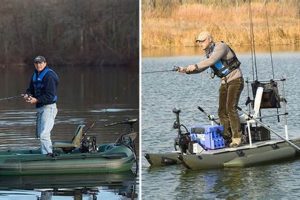
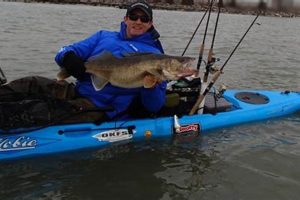
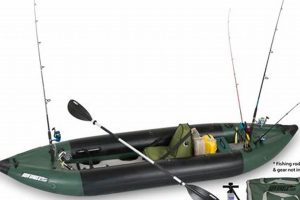
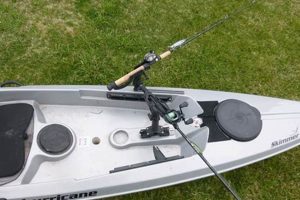
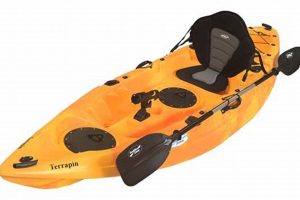
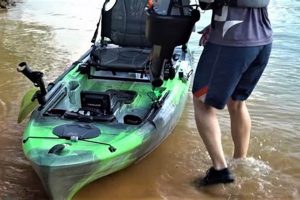
Competitive angling events held during the 2021 calendar year, specifically for participants using kayaks, presented a unique blend of sport and nature. These events typically involved anglers competing to catch the largest or most fish within set species and size limits, often within a defined timeframe and boundary. A hypothetical example would be a tournament held on a specific lake where anglers sought the largest bass, measured and documented through photographs, adhering to catch-and-release practices.
These competitions offered a platform for skilled anglers to showcase their abilities while fostering a sense of community among kayak fishing enthusiasts. The relatively low barrier to entry compared to motorized boat tournaments allowed wider participation, promoting the sport’s accessibility. Furthermore, such events frequently highlighted conservation efforts, emphasizing sustainable fishing practices and respect for aquatic ecosystems. The increasing popularity of these tournaments in the early 21st century reflected a growing interest in human-powered fishing and its connection to the natural world.
This article will further explore various aspects of competitive kayak angling in 2021, delving into specific tournament circuits, prevalent fishing techniques, and the evolving gear landscape that characterized the sport that year.
Tips for Competitive Kayak Angling in 2021
Success in competitive kayak angling requires meticulous preparation and strategic execution. The following tips offer guidance for enhancing performance in tournaments held during the 2021 season.
Tip 1: Pre-Fishing Reconnaissance: Thoroughly researching potential tournament locations beforehand proves invaluable. Studying maps, water depth charts, and historical fishing data allows anglers to identify promising areas and develop effective strategies.
Tip 2: Gear Optimization: Ensuring optimal gear performance is essential. Rods, reels, lines, and lures should be meticulously selected and maintained to match target species and anticipated fishing conditions. Regular maintenance and pre-tournament checks minimize equipment failure during competition.
Tip 3: Efficient Kayak Setup: A well-organized kayak maximizes efficiency. Positioning rods, tackle boxes, and other equipment within easy reach streamlines fishing processes and minimizes wasted time.
Tip 4: Weather Awareness: Monitoring weather forecasts and adjusting strategies accordingly is crucial. Wind speed, direction, and temperature fluctuations significantly impact fish behavior and influence optimal fishing locations.
Tip 5: Mastering Kayak Control: Precise kayak maneuvering allows anglers to maintain ideal positioning for casting and fighting fish. Practicing paddling techniques and utilizing anchoring systems enhances control and minimizes disturbances.
Tip 6: Strategic Time Management: Effective time management is paramount in tournament settings. Allocating sufficient time to reach productive areas, explore various techniques, and address unexpected challenges maximizes opportunities for success.
Tip 7: Conservation Considerations: Adhering to tournament rules and practicing ethical fishing techniques, including proper fish handling and catch-and-release protocols, ensures the sustainability of the sport and preserves aquatic resources.
By focusing on these strategic elements, anglers can enhance their competitive edge and contribute to a positive tournament experience.
This collection of insights provides a foundational framework for competitive kayak angling success in 2021, leading into a concluding summary of key considerations for aspiring tournament participants.
1. Competition Format

The structure of competitive kayak fishing tournaments in 2021 significantly influenced angler strategies and overall tournament dynamics. Understanding the various formats provides valuable insight into the challenges and opportunities presented to participants.
- Catch, Photo, and Release (CPR):
This prevalent format emphasized conservation. Anglers photographed their catches alongside a measuring device and submitted the images as proof. This minimized fish handling and stress, promoting healthy fish populations. Tournaments utilizing CPR often incorporated real-time online leaderboards, adding an element of immediate feedback and excitement.
- Length-Based Measurement:
Focusing on the length of the catch, these tournaments prioritized finding the largest specimens. Anglers typically photographed their catch against an official tournament-provided measuring board. This format often encouraged anglers to target specific areas known for holding larger fish.
- Accumulated Length:
This format rewarded consistency, where the total combined length of multiple catches determined the winner. This encouraged anglers to explore diverse areas and employ versatile techniques to maximize their catch count. Strategic time management became paramount in this format.
- Modified Weigh-In:
While less common in kayak fishing due to logistical challenges, some tournaments implemented modified weigh-ins. These often involved designated weigh stations or specialized on-the-water weigh and release systems to minimize fish handling time. This format presented unique challenges in terms of kayak stability and fish care.
The chosen competition format directly impacted the overall experience and outcomes of kayak fishing tournaments in 2021. Understanding the nuances of each format allows for a deeper appreciation of the skill and strategy required for competitive success within this rapidly evolving sport. These formats further influenced tournament logistics, participant behavior, and overall emphasis on conservation.
2. Target Species

The designated target species in kayak fishing tournaments held during 2021 played a pivotal role in shaping angler strategies, equipment choices, and overall tournament outcomes. Understanding the specific species pursued provides valuable context for analyzing tournament dynamics and angler performance.
- Bass (Largemouth, Smallmouth, Spotted):
Bass species frequently served as primary targets due to their widespread distribution, sporting qualities, and responsiveness to various angling techniques. Tournaments focusing on bass often took place in freshwater lakes and rivers, demanding expertise in lure selection, retrieval techniques, and understanding bass behavior in diverse habitats. Specific tackle regulations, such as lure size or type restrictions, further influenced angler approaches.
- Inshore Saltwater Species (Redfish, Speckled Trout, Flounder):
Coastal kayak fishing tournaments commonly targeted inshore species. These tournaments demanded specialized tackle and knowledge of tidal influences, currents, and habitat preferences. Anglers employed techniques like sight-fishing in shallow flats or drifting live bait in deeper channels, adapting to specific species and prevailing conditions.
- Panfish (Crappie, Bluegill, Sunfish):
Tournaments targeting panfish often provided accessible entry points for novice anglers. These events typically emphasized finesse fishing techniques and required precise presentation of small lures or baits. While often overlooked in larger competitions, panfish tournaments fostered skill development and highlighted the diverse range of angling opportunities within the kayak fishing community.
- Multi-Species Events:
Some tournaments broadened the scope by incorporating multiple target species. This format rewarded versatility and challenged anglers to adapt their strategies based on the species they encountered. Multi-species events often involved complex scoring systems that weighted different species based on their perceived value or rarity.
The specific target species designated for a tournament significantly influenced angler preparations, location choices, and overall competitive strategies within the 2021 kayak fishing landscape. The diversity of target species catered to various angling preferences and skill levels, contributing to the growth and accessibility of competitive kayak fishing. Analysis of tournament results often revealed trends and patterns specific to target species, highlighting successful techniques and contributing to the ongoing evolution of kayak angling strategies.
3. Location Variability

Location variability significantly influenced the character and outcomes of kayak fishing tournaments in 2021. Diverse environments, from small ponds and rivers to vast reservoirs and coastal estuaries, presented unique challenges and opportunities for anglers. Adaptability proved crucial, as successful navigation and effective fishing strategies often hinged on understanding specific location characteristics.
River systems, for example, demanded consideration of current flow, depth fluctuations, and potential obstacles like fallen trees or submerged rocks. Tournament organizers often selected stretches of river known for holding target species, but anglers still needed to adapt to changing water levels and locate productive pockets within the designated competition boundaries. Similarly, large reservoirs presented navigational challenges, requiring efficient paddling techniques and strategic use of fish-finding electronics to identify promising fishing zones within the expansive water body. Coastal tournaments introduced additional complexities, with tides, wind patterns, and varying salinity levels influencing fish behavior and dictating angler approaches.
Understanding location-specific factors, such as prevailing weather patterns, seasonal fish migrations, and prevalent forage species, significantly impacted angler success. Pre-tournament scouting and research proved invaluable, allowing participants to familiarize themselves with the terrain, identify potential hotspots, and formulate effective strategies. The ability to interpret maps, utilize GPS and sonar technologies, and adapt to changing conditions on the water often separated top performers from the rest of the field. Location variability, therefore, became a defining characteristic of kayak fishing tournaments in 2021, emphasizing the importance of adaptability, preparation, and a deep understanding of aquatic ecosystems.
4. Equipment Regulations
Equipment regulations played a crucial role in shaping the competitive landscape of kayak fishing tournaments in 2021. These rules, established by tournament organizers, aimed to level the playing field, promote fair competition, and often emphasize specific angling techniques or conservation principles. Understanding these regulations provided essential context for analyzing tournament outcomes and angler strategies.
A common regulation involved restrictions on motor-powered propulsion. Kayak fishing tournaments typically mandated human-powered propulsion, emphasizing paddling skills and physical endurance. This distinguished these events from motorized boat tournaments and contributed to the distinct character of kayak angling competition. Furthermore, some tournaments limited or prohibited certain types of fish-finding electronics, aiming to balance technological advantages with traditional angling skills. For example, restrictions on live-scope sonar or GPS-guided trolling motors encouraged reliance on map reading, watercraft control, and an angler’s ability to interpret environmental cues.
Tackle restrictions also frequently appeared in tournament regulations. Limitations on rod length, line strength, or lure types influenced angler choices and promoted specific fishing styles. For instance, a tournament focusing on finesse fishing might restrict the use of large treble hooks or heavy braided lines, encouraging anglers to utilize lighter tackle and more delicate presentations. Such regulations added another layer of strategic complexity, requiring anglers to carefully select and optimize their gear within the defined parameters. Moreover, regulations often addressed conservation concerns. Mandatory use of barbless hooks or circle hooks, for example, minimized injury to fish and facilitated successful catch-and-release practices, aligning tournament objectives with sustainable fisheries management principles.
In summary, equipment regulations formed an integral component of kayak fishing tournaments in 2021. These rules shaped competitive dynamics, influenced angler strategies, and often reflected broader conservation goals. Analyzing tournament results requires careful consideration of these regulations to understand the challenges faced by participants and the factors contributing to successful outcomes. The evolving landscape of equipment regulations continues to shape the future of competitive kayak angling, driving innovation in tackle design and promoting responsible engagement with aquatic ecosystems.
5. Conservation Practices
Conservation practices formed an increasingly integral component of kayak fishing tournaments in 2021, reflecting a growing awareness of environmental responsibility within the angling community. These practices aimed to minimize the impact of competitive fishing on aquatic ecosystems, ensuring the long-term health and sustainability of fish populations and their habitats. Integrating conservation principles into tournament structures became a key factor in promoting responsible angling and preserving natural resources.
- Catch-and-Release Protocols:
Catch-and-release, a cornerstone of modern fisheries management, played a central role in kayak fishing tournaments. Emphasis on proper fish handling techniques, including minimizing air exposure and supporting the fish horizontally, reduced stress and improved survival rates after release. Tournament rules often mandated immediate release of specific species or size classes, further reinforcing conservation priorities. The use of specialized weigh-and-release systems, such as live wells with aerators or on-the-water weigh slings, minimized handling time and further reduced stress on captured fish.
- Habitat Protection:
Respect for aquatic habitats became a prominent theme in 2021 tournaments. Guidelines often discouraged anchoring in sensitive areas, such as spawning beds or submerged vegetation, to minimize physical disturbance. Educational initiatives within tournament frameworks promoted awareness of responsible boating practices, emphasizing the importance of avoiding shallow-water areas or sensitive shoreline ecosystems. This growing focus on habitat preservation aimed to minimize long-term impacts and maintain the ecological integrity of fishing locations.
- Tackle and Equipment Considerations:
Tournament regulations often reflected conservation principles through tackle restrictions. Mandatory use of non-offset circle hooks, for example, reduced instances of deep hooking and facilitated easier hook removal, increasing fish survival rates. Promotion of barbless hooks further minimized injury and facilitated quicker releases. Some tournaments restricted the use of live bait to prevent the introduction of invasive species or reduce stress on local baitfish populations. These equipment-focused regulations underscored the connection between angler practices and ecological impact.
- Water Quality Awareness:
Promoting awareness of water quality issues became increasingly prevalent in kayak fishing tournaments. Educational materials distributed at events highlighted the importance of preventing pollution from fuel leaks, discarded fishing line, or improper waste disposal. Encouraging the use of biodegradable fishing lines and promoting responsible waste management practices within tournament frameworks further reinforced the connection between angler behavior and overall ecosystem health.
These interconnected conservation practices, increasingly integrated into kayak fishing tournaments in 2021, reflected a shift towards a more sustainable and environmentally conscious approach to competitive angling. By prioritizing fish health, habitat preservation, and responsible resource management, these tournaments actively contributed to the long-term viability of the sport and the preservation of aquatic ecosystems for future generations.
Frequently Asked Questions about Kayak Fishing Tournaments in 2021
This section addresses common inquiries regarding competitive kayak angling events held during 2021. The information provided aims to clarify typical concerns and offer insights for prospective participants and interested observers.
Question 1: How does one locate information about specific kayak fishing tournaments held in 2021?
Information regarding specific 2021 events can often be found through online search engines, dedicated kayak fishing forums, and social media groups focused on competitive angling. Archived tournament websites or announcements from sponsoring organizations may also provide relevant details.
Question 2: What typical costs are associated with participating in these tournaments?
Costs vary depending on tournament scale and location. Entry fees, travel expenses, accommodation, and potential gear upgrades contribute to overall participation costs. Researching specific tournament requirements and associated expenses is crucial for effective budgeting.
Question 3: What equipment is typically required for participation?
Essential equipment includes a fishing kayak, appropriate rods and reels, tackle suited to target species, safety gear (e.g., personal flotation device, whistle), and often a measuring device or camera for documenting catches. Specific tournament regulations may dictate additional equipment requirements.
Question 4: Do these tournaments cater to different skill levels?
Tournament structures often cater to various skill levels, with some events specifically designed for novice or amateur anglers. Researching target species, competition format, and overall tournament difficulty can assist individuals in selecting appropriate events aligned with their experience level.
Question 5: What role do conservation practices play in these tournaments?
Conservation practices are increasingly central to tournament organization. Catch-and-release protocols, adherence to size and bag limits, and respect for aquatic habitats are commonly emphasized. Participants should familiarize themselves with tournament-specific conservation guidelines and prioritize responsible angling practices.
Question 6: How are tournament results typically determined and publicized?
Results are typically determined based on the established competition format, whether through cumulative catch length, weight, or a combination of factors. Results are often publicized through tournament websites, social media platforms, and angling publications. Real-time online leaderboards are also becoming increasingly prevalent.
Understanding these fundamental aspects of kayak fishing tournaments held in 2021 provides a foundation for informed participation and appreciation of the sport’s competitive landscape. Prospective participants are encouraged to research specific events and familiarize themselves with relevant rules and regulations.
This concludes the FAQ section, transitioning to a detailed analysis of specific tournament circuits prominent in 2021.
Kayak Fishing Tournaments 2021
Competitive kayak angling in 2021 showcased a dynamic blend of athleticism, strategic thinking, and environmental stewardship. This exploration examined key aspects of these tournaments, from diverse competition formats and target species to the crucial roles of location variability, equipment regulations, and evolving conservation practices. Angler skill, adaptability, and a deep understanding of aquatic ecosystems proved essential for success in these challenging yet rewarding events. The analysis highlighted the increasing emphasis on responsible angling and the growing importance of integrating conservation principles into tournament structures.
The 2021 season served as a significant chapter in the ongoing evolution of competitive kayak fishing. The trends observed during this period, particularly the increased focus on conservation and technological integration, likely influenced subsequent developments within the sport. Further analysis of specific tournament outcomes and participant experiences could provide valuable insights into the long-term trajectory of competitive kayak angling and its continued contribution to both recreational fishing and environmental awareness.