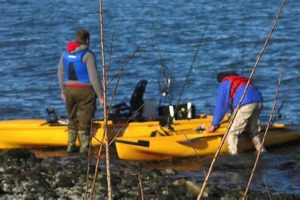
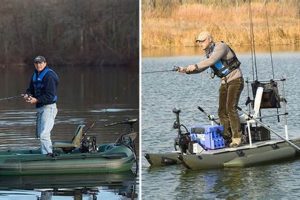
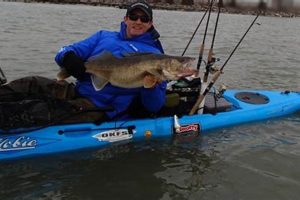
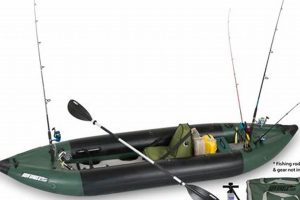
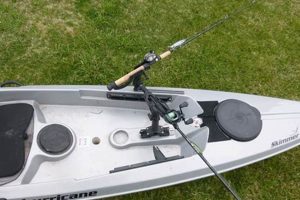
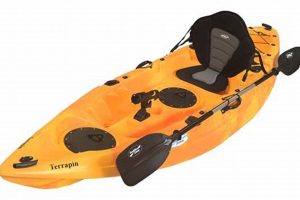
Angling for salmon from a small, human-powered vessel on Lake Michigan offers a unique blend of sport and connection with nature. This approach allows anglers to access shallower waters and navigate quietly, increasing opportunities for interaction with these prized fish. It typically involves specialized equipment like trolling rods, downriggers, and fish finders, adapted for use on smaller craft.
This method of fishing provides several advantages. It presents a cost-effective alternative to larger, motorized boats, making the sport more accessible. The quiet nature of kayaks allows for a less intrusive approach, potentially improving fishing success. Additionally, it offers a rewarding physical challenge and a more intimate experience with the lake environment. This activity contributes to the local economy through tourism and supports conservation efforts by promoting responsible fishing practices. Historically, indigenous communities have utilized similar small watercraft for sustenance fishing on the Great Lakes, highlighting the long-standing connection between humans and this body of water.
Further exploration will cover topics such as optimal locations and seasons, necessary gear and techniques, safety considerations, and the importance of adhering to regulations. This information will provide a comprehensive understanding of this exciting and rewarding pursuit.
Tips for Salmon Fishing from a Kayak on Lake Michigan
Success requires careful planning and execution. The following tips offer guidance for a safe and productive experience.
Tip 1: Understand Weather Conditions: Lake Michigan weather can change rapidly. Checking forecasts before departure and continuously monitoring conditions is crucial for safety. High winds and waves can create hazardous situations for kayakers.
Tip 2: Choose Appropriate Gear: Selecting a stable kayak designed for open water is essential. Appropriate fishing gear, including rods, reels, and tackle designed for salmon, should be chosen and properly secured to the kayak.
Tip 3: Utilize Effective Techniques: Trolling with downriggers and dipsy divers can be highly effective for targeting salmon. Understanding these methods and employing them correctly increases the chances of success. Knowledge of fish behavior and preferred depths enhances effectiveness.
Tip 4: Prioritize Safety: Wearing a personal flotation device (PFD) is paramount. Carrying a communication device, such as a VHF radio or waterproof cell phone, enables contact in emergencies. Informing someone of planned fishing locations and estimated return times further enhances safety.
Tip 5: Respect Regulations: Adhering to all fishing regulations, including licensing requirements and catch limits, is essential. Understanding and respecting these rules preserves fish populations and ensures the sustainability of this activity.
Tip 6: Practice Proper Fish Handling: Utilizing appropriate techniques for landing, handling, and releasing salmon minimizes stress on the fish and promotes their survival. Quick and efficient handling practices contribute to conservation efforts.
Tip 7: Learn Basic Navigation: Understanding basic navigational skills, including chart reading and compass use, is important for safe navigation, particularly in changing weather or reduced visibility.
By following these guidelines, anglers can increase their chances of a successful and enjoyable experience while prioritizing safety and responsible fishing practices.
These tips serve as a starting point. Continuous learning and adaptation are crucial for maximizing success and ensuring a safe and rewarding experience on the water.
1. Kayak Selection

Appropriate kayak selection is fundamental to successful and safe salmon fishing on Lake Michigan. The vessel must provide stability in open water conditions, accommodate fishing-specific gear, and allow for efficient paddling and maneuvering. Choosing the right kayak directly impacts angler safety, fishing effectiveness, and overall enjoyment.
- Stability
Lake Michigan can experience unpredictable weather and choppy conditions. A stable kayak, less susceptible to tipping or capsizing, is crucial for angler safety. Wider hulls and sit-on-top designs generally offer greater stability compared to narrower, sit-inside models. This stability is essential when battling strong currents, waves, and the movements of a hooked salmon. A stable platform also facilitates casting, retrieving lines, and landing fish.
- Storage Capacity
Salmon fishing requires specialized equipment, including rods, reels, tackle boxes, downriggers, and safety gear. Adequate storage space within the kayak is vital for organizing and securing this equipment, ensuring easy access and preventing loss or damage. Sufficient storage contributes to a more efficient and enjoyable fishing experience. Dry storage compartments protect sensitive items like electronics and personal belongings from water damage.
- Length and Hull Design
Longer kayaks generally track better and glide more efficiently through the water, covering greater distances with less effort. Hull design influences maneuverability and speed. A kayak designed for open water conditions, typically with a longer waterline and a defined keel, is preferable for Lake Michigan. Consideration of length and hull design impacts both travel time to fishing grounds and the ability to navigate changing water conditions.
- Comfort and Ergonomics
Anglers often spend extended hours on the water. A comfortable seat, adjustable footrests, and appropriate back support are essential for maintaining comfort and preventing fatigue. Proper ergonomics minimize physical strain and allow anglers to focus on fishing. Features like adjustable seating positions and padded backrests contribute to a more enjoyable and less strenuous experience.
Careful consideration of these factors ensures the selection of a kayak well-suited to the demands of salmon fishing on Lake Michigan. An appropriate vessel enhances safety, improves fishing effectiveness, and maximizes overall enjoyment on the water. Ultimately, the right kayak becomes an indispensable tool for pursuing salmon in this challenging yet rewarding environment.
2. Targeted Locations

Strategic location selection is paramount for successful salmon fishing on Lake Michigan from a kayak. Salmon occupy specific zones based on water temperature, prey availability, and seasonal migration patterns. Understanding these factors and identifying productive locations greatly enhances the likelihood of successful angling. Effective location targeting maximizes fishing time and minimizes unproductive searching.
- Nearshore Structures
Nearshore structures like reefs, points, and breakwalls attract baitfish and, consequently, salmon. These structures create ambush points and offer shelter for prey. Kayaks, due to their maneuverability and shallow draft, allow anglers to effectively fish these areas, often inaccessible to larger vessels. Focusing efforts near such structures increases the probability of encountering salmon.
- Temperature Breaks
Salmon are sensitive to water temperature. They congregate along temperature breaks, or thermoclines, where warmer surface water meets colder, deeper water. Utilizing a fish finder to locate these temperature gradients and positioning the kayak along these boundaries can significantly improve fishing success. Understanding thermal stratification in Lake Michigan allows anglers to target preferred salmon habitats.
- River Mouths
River mouths are prime locations, particularly during the salmon spawning runs. These areas provide a transition zone between the lake and rivers where salmon congregate before ascending to their spawning grounds. Kayaks offer an effective means of fishing these often shallow and current-rich areas. Targeting river mouths during specific seasons aligns fishing efforts with natural salmon behavior.
- Offshore Structures
While requiring more advanced kayaking skills and careful planning, offshore structures such as submerged humps and drop-offs can hold significant numbers of salmon. These areas are often richer in baitfish and provide cooler water temperatures. Using GPS and nautical charts in conjunction with fish finders can help locate and target these productive offshore zones. However, venturing offshore requires careful consideration of weather conditions and safety precautions.
By strategically targeting these locations, kayak anglers increase their chances of encountering salmon. Combining location knowledge with effective fishing techniques optimizes time on the water and enhances the overall angling experience on Lake Michigan. Successful salmon fishing from a kayak hinges on understanding and utilizing these location-based strategies.
3. Effective Techniques
Employing appropriate fishing techniques is crucial for success when kayak fishing for salmon on Lake Michigan. These techniques leverage salmon behavior, preferred habitats, and the unique advantages offered by kayaks. A strategic approach significantly increases catch rates and enhances the overall fishing experience.
- Trolling with Downriggers
Downriggers allow precise depth control of lures or bait, crucial for targeting salmon at their preferred depths. They involve lowering a weighted cable with a release mechanism attached to the fishing line. This system presents lures at consistent depths, increasing the likelihood of attracting salmon. The controlled depth offered by downriggers is especially beneficial in deep, open-water environments like Lake Michigan.
- Using Dipsy Divers and Planer Boards
Dipsy divers and planer boards spread fishing lines away from the kayak, covering a wider area and increasing the chances of intercepting salmon. Dipsy divers are weighted devices that dive to specific depths, while planer boards float on the surface, pulling lines away from the boat. These techniques enhance coverage, especially when trolling multiple lines from a kayak.
- Drift Fishing with Live Bait or Cut Bait
Drift fishing involves allowing bait to drift naturally with the current or wind. This technique can be effective near river mouths, drop-offs, or other areas where salmon congregate. Live bait or cut bait, such as alewives or smelt, are commonly used. The natural presentation of drifting bait can entice strikes from salmon.
- Jigging
Jigging involves vertically presenting lures, typically spoons or jigs, mimicking the movement of injured baitfish. This technique is effective near structures or along temperature breaks where salmon may be holding. Jigging requires actively working the lure, attracting nearby salmon with its erratic action. The targeted approach offered by jigging is particularly useful in specific locations like drop-offs and reefs.
Mastering these techniques significantly improves the likelihood of successful salmon fishing from a kayak on Lake Michigan. Combining these approaches with knowledge of salmon behavior, preferred habitats, and strategic location selection elevates angling success and contributes to a more rewarding experience on the water.
4. Safety Precautions
Safeguarding against potential hazards is paramount when kayak fishing for salmon on Lake Michigan. The inherent risks associated with open water environments necessitate meticulous planning and preparation. Prioritizing safety ensures angler well-being and allows for a more focused and enjoyable fishing experience. Neglecting necessary precautions can lead to dangerous situations, jeopardizing both personal safety and the enjoyment of the activity.
- Personal Flotation Devices (PFDs)
Wearing a properly fitted PFD is non-negotiable. PFDs provide essential buoyancy in the event of capsizing or accidental immersion, significantly increasing chances of survival. Lake Michigan’s cold water temperatures can induce rapid hypothermia, making PFDs critical for personal safety. A PFD should be considered mandatory equipment, not an optional accessory. Selecting a comfortable and appropriately sized PFD ensures unimpeded movement while paddling and fishing.
- Weather Monitoring and Awareness
Lake Michigan weather conditions can change abruptly. Checking marine forecasts before departure and continuously monitoring weather during the outing is essential. Sudden changes in wind speed and direction can create hazardous wave conditions for kayakers. Being aware of potential storms or changing conditions allows for timely decisions regarding returning to shore, ensuring angler safety. Reliable weather information sources, including weather apps and VHF radio broadcasts, should be consulted regularly.
- Communication Equipment
Carrying a reliable communication device is vital for contacting emergency services or shore support in case of distress. A waterproof VHF radio or a cell phone stored in a waterproof case provides a means of communication in emergencies. Informing someone on shore of the planned fishing location and estimated return time further enhances safety. Regular communication updates, particularly when venturing further offshore, provide an additional layer of security.
- Navigation and Visibility
Understanding basic navigation principles, including chart reading and compass use, is crucial, especially in conditions of reduced visibility. Carrying a GPS device and knowing how to use it effectively aids in maintaining orientation and navigating safely back to shore. Enhanced visibility gear, such as bright clothing and navigation lights, increases the kayak’s visibility to other vessels, reducing the risk of collisions, especially in low-light conditions or fog.
These safety precautions are integral to responsible kayak salmon fishing on Lake Michigan. Implementing these measures minimizes risks, allowing anglers to focus on the enjoyment of the sport while ensuring their well-being. A proactive approach to safety enhances the overall experience and contributes to a more sustainable and responsible angling practice. Prioritizing safety is not merely a recommendation but a fundamental requirement for anyone venturing onto Lake Michigan in a kayak.
5. Regulation Adherence

Adherence to fishing regulations is essential for the sustainability of salmon populations and the overall health of the Lake Michigan ecosystem. Regulations, established by governing bodies like the Michigan Department of Natural Resources, dictate licensing requirements, catch limits, size restrictions, and permitted fishing seasons. These rules serve to manage fish stocks, preventing overfishing and ensuring future generations can enjoy the sport. Ignoring these regulations can have detrimental effects on the salmon fishery, impacting not only the fish populations but also the local economies that rely on recreational fishing tourism. For example, exceeding catch limits can deplete specific salmon species, disrupting the natural balance of the ecosystem. Similarly, fishing during closed seasons can interfere with spawning cycles, further jeopardizing population health. Compliance ensures the longevity of this valuable natural resource and supports the ecological integrity of Lake Michigan.
Practical implications of non-compliance include fines, revocation of fishing privileges, and confiscation of equipment. Beyond the legal ramifications, disregarding regulations undermines conservation efforts and jeopardizes the future of salmon fishing. Understanding and respecting these regulations demonstrate a commitment to responsible angling and contribute to the long-term health of the fishery. Access to online resources and local fishing authorities provides anglers with the necessary information to ensure compliance. For instance, consulting the Michigan Department of Natural Resources website provides up-to-date information on current regulations, license requirements, and ethical fishing practices. Active engagement with these resources ensures anglers operate within legal boundaries, contributing to sustainable fishing practices.
Responsible angling practices, including strict adherence to regulations, are crucial for the preservation of Lake Michigan’s salmon fishery. Compliance safeguards salmon populations, maintains ecological balance, and supports the economic viability of recreational fishing. Ignoring regulations undermines these efforts, potentially leading to irreversible damage to the ecosystem and the future of the sport. A commitment to ethical and legal fishing practices ensures the sustainability of this valuable resource for future generations. Active participation in understanding and following regulations is not merely a legal obligation but a responsibility shared by all who value the privilege of fishing on Lake Michigan.
Frequently Asked Questions
This section addresses common inquiries regarding kayak salmon fishing on Lake Michigan, providing concise and informative responses to facilitate a deeper understanding of the activity.
Question 1: What type of kayak is best suited for salmon fishing on Lake Michigan?
A sit-on-top kayak designed for open water with ample storage, stability, and a length of 12-14 feet is generally recommended. Stability is paramount in challenging conditions. Sufficient storage accommodates fishing gear and safety equipment. Longer kayaks offer better tracking and glide.
Question 2: What essential safety equipment should one carry when kayak fishing for salmon?
Essential safety equipment includes a properly fitted personal flotation device (PFD), a VHF radio or waterproofed cell phone, a signaling device (whistle or flare), a first-aid kit, and navigation lights. A bilge pump and paddle leash are also recommended.
Question 3: Where are the most productive locations for salmon fishing on Lake Michigan from a kayak?
Productive locations often include nearshore structures like reefs, points, and breakwalls, areas with temperature breaks (thermoclines), river mouths during spawning runs, and offshore structures (for experienced kayakers). Utilizing fish finders and understanding salmon behavior are key to successful location selection.
Question 4: What are the most effective fishing techniques for targeting salmon from a kayak?
Effective techniques include trolling with downriggers or dipsy divers, drift fishing with live or cut bait, and jigging. Understanding salmon feeding patterns and preferred depths informs technique selection.
Question 5: What regulations govern salmon fishing on Lake Michigan, and how can one ensure compliance?
Regulations vary by state and season, encompassing licensing requirements, catch limits, size restrictions, and permitted fishing methods. Consulting the relevant state’s Department of Natural Resources website (e.g., Michigan DNR) provides up-to-date information and ensures compliance.
Question 6: What are the potential dangers specific to kayak fishing on Lake Michigan, and how can one mitigate these risks?
Potential dangers include rapidly changing weather conditions, cold water temperatures, boat traffic, and the possibility of capsizing. Mitigating these risks requires diligent weather monitoring, wearing a PFD, carrying communication equipment, adhering to safety precautions, and possessing adequate kayaking skills.
Understanding these frequently asked questions enhances angler preparedness and promotes a safer, more informed, and ultimately more rewarding kayak salmon fishing experience on Lake Michigan. Thorough preparation and responsible angling practices are crucial for maximizing success and ensuring the sustainability of this valuable resource.
Moving forward, the next section will provide further resources and information to aid in planning a successful kayak salmon fishing trip on Lake Michigan.
Kayak Salmon Fishing Lake Michigan
This exploration has provided a comprehensive overview of angling for salmon from a kayak on Lake Michigan. Key aspects covered include kayak selection, targeted location identification, effective fishing techniques, essential safety precautions, and the importance of adhering to regulations. Strategic planning and preparation are crucial for maximizing success and ensuring a safe and rewarding experience. Understanding salmon behavior, preferred habitats, and the unique challenges presented by this vast body of water contributes significantly to successful angling. Furthermore, prioritizing safety and adhering to regulatory guidelines ensures the sustainability of this valuable resource and the preservation of the lake’s ecosystem.
The information presented serves as a foundation for aspiring and experienced kayak anglers alike. Continuous learning, adaptation to changing conditions, and a commitment to responsible fishing practices are essential for long-term success and enjoyment on Lake Michigan. The pursuit of salmon from a kayak offers a unique connection with nature and a challenging yet rewarding angling experience. Preserving this opportunity for future generations requires a collective effort toward conservation, ethical angling practices, and respect for the delicate balance of the Lake Michigan ecosystem.