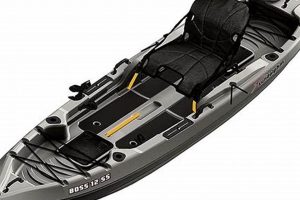
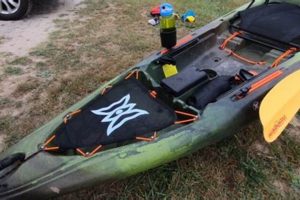
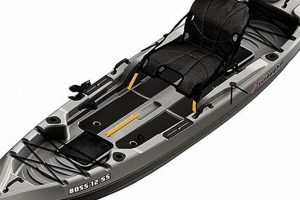
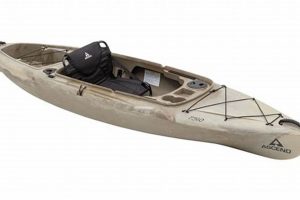
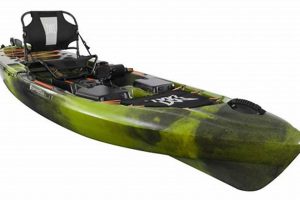
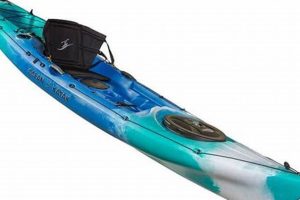
Evaluations of kayaks designed for fishing, specifically those with an open-deck design allowing the angler to sit above the waterline, constitute a valuable resource for consumers. These assessments typically cover aspects such as stability, comfort, features designed for fishing (e.g., rod holders, storage compartments), maneuverability, and overall performance in various water conditions. Example information might include the kayak’s weight capacity, material construction, and suitability for different fishing styles.
Access to these critiques empowers potential buyers to make informed decisions. Understanding the strengths and weaknesses of different models, as perceived by other users, helps match individual needs and preferences with the most suitable kayak. This process can lead to increased satisfaction with the purchase and enhance the overall fishing experience. Historically, information sharing relied heavily on print media and word-of-mouth. The digital age has revolutionized this process, providing a wealth of readily accessible information online through dedicated review platforms, forums, and social media groups.
Further exploration will delve into key aspects of these watercraft, encompassing factors impacting performance, popular models, and effective strategies for selecting the optimal fishing kayak based on individual requirements.
Tips for Utilizing Fishing Kayak Evaluations
Effective use of available information regarding fishing kayaks requires a discerning approach. The following tips provide guidance for navigating the landscape of online reviews and maximizing their utility.
Tip 1: Consider the Source: Evaluate the credibility of the review source. Look for established platforms, publications, or experienced anglers with a demonstrable knowledge base. Be wary of overly promotional or biased content.
Tip 2: Focus on Specific Needs: Identify individual priorities, such as targeted fish species, fishing style, and typical water conditions. This focus allows for filtering reviews relevant to specific requirements (e.g., stability for stand-up fishing, storage capacity for longer expeditions).
Tip 3: Cross-Reference Information: Consult multiple sources to obtain a comprehensive perspective. Comparing and contrasting different viewpoints helps mitigate potential biases and provides a more balanced overview.
Tip 4: Analyze Review Depth: Look for reviews that go beyond superficial impressions. Detailed assessments of performance characteristics, features, and potential drawbacks offer greater insight.
Tip 5: Scrutinize User Profiles: Consider the reviewer’s experience level and fishing style. A novice angler’s perspective might differ significantly from that of a seasoned professional. Align reviews with comparable experience for greater relevance.
Tip 6: Verify Specifications: Supplement reviews with information from the manufacturer. Confirming technical details ensures accurate understanding of the kayak’s capabilities and limitations.
Tip 7: Pay Attention to Long-Term Reviews: Seek out evaluations from users with extended experience with the product. These reviews often provide insights into durability, maintenance requirements, and long-term performance.
By employing these strategies, potential buyers can effectively leverage the wealth of information available, ultimately leading to a well-informed purchase decision and an enhanced on-the-water experience.
Synthesizing the information gathered from various sources and applying these practical tips will contribute significantly to selecting the optimal fishing kayak. The subsequent conclusion will reiterate key takeaways and offer final recommendations.
1. Stability

Stability stands as a paramount concern within evaluations of sit-on-top fishing kayaks. A stable platform is crucial for casting, reeling, landing fish, and navigating various water conditions. Compromised stability can lead to angler fatigue, difficulty in executing fishing techniques, and potentially dangerous situations. This section explores key facets contributing to stability in these kayaks.
- Hull Design:
Hull design significantly influences stability. Wider hulls generally offer greater initial stability, resisting tipping when stationary. Pontoon-style hulls provide exceptional stability but may sacrifice maneuverability. Longer, narrower hulls enhance tracking and speed but can feel less stable. Reviews often compare and contrast these design variations, highlighting their impact on stability under different conditions (calm lakes versus choppy ocean waters).
- Weight Capacity:
Weight capacity directly correlates with stability. Exceeding the manufacturer’s recommended weight limit compromises buoyancy and increases the risk of capsizing. Reviews typically specify weight capacities and often include user feedback on performance under varying load conditions. Anglers carrying substantial gear should prioritize kayaks with higher weight limits for enhanced stability.
- Center of Gravity:
A lower center of gravity enhances stability. Kayak design, angler weight distribution, and gear placement all influence the center of gravity. Reviews often discuss seating positions and storage compartments’ impact on stability. Maintaining a low center of gravity by distributing weight evenly and avoiding sudden movements contributes to a more stable fishing platform.
- Water Conditions:
Water conditions significantly affect perceived stability. Calm, flat water allows for greater stability in most kayaks. Wind, waves, and currents challenge stability, necessitating kayaks designed to handle these conditions. Reviews often detail performance in various water environments, providing insights into a kayak’s stability under challenging circumstances.
Understanding these interconnected facets of stability provides a framework for interpreting sit-on-top fishing kayak reviews. By considering hull design, weight capacity, center of gravity considerations, and anticipated water conditions, anglers can select a kayak offering the necessary stability for a safe and enjoyable fishing experience.
2. Comfort

Comfort plays a pivotal role in sit-on-top fishing kayak reviews, directly impacting an angler’s endurance and overall enjoyment on the water. Extended fishing trips necessitate a comfortable platform to minimize fatigue and maximize focus on the activity. Evaluations frequently emphasize comfort features, recognizing their significance in overall user satisfaction. A poorly designed seat can lead to back pain and discomfort, curtailing fishing time and diminishing the experience. Conversely, a well-designed, adjustable seat and ample legroom allow for prolonged fishing sessions without physical strain. For example, a kayak with adjustable footrests accommodates varying leg lengths, promoting proper posture and reducing fatigue. Similarly, breathable seat fabric enhances comfort in warm weather, preventing overheating and discomfort.
Practical implications of comfort extend beyond mere physical well-being. Discomfort can distract from the fishing experience, hindering concentration and responsiveness to fish strikes. A comfortable angler remains more alert, focused, and engaged in the activity. Reviews often highlight the interplay between comfort and performance, noting how a comfortable seating position contributes to improved casting accuracy and overall fishing effectiveness. Moreover, specific design features, such as adjustable backrests and padded seating, cater to diverse body types and preferences, accommodating anglers of different sizes and physical conditions. Considerations for comfort extend beyond the seat itself, encompassing legroom, footrest adjustability, and the overall ergonomics of the kayak’s design. A kayak offering ample space and adjustability allows anglers to find comfortable positions for extended periods, promoting physical well-being and enhancing the fishing experience.
In conclusion, comfort constitutes a critical element within sit-on-top fishing kayak reviews. Evaluations provide valuable insights into the comfort features of different models, enabling informed purchase decisions. Prioritizing comfort enhances the overall fishing experience, contributing to increased endurance, improved focus, and ultimately, greater enjoyment on the water. Choosing a kayak with appropriate comfort features allows anglers to maximize their time on the water, focusing on the pursuit of fish rather than physical discomfort.
3. Features
Features constitute a critical aspect of sit-on-top fishing kayak reviews, directly influencing functionality and suitability for specific fishing styles. Evaluations of these kayaks often dedicate significant attention to features, recognizing their impact on an angler’s efficiency and overall experience. Understanding the diverse array of available features and their practical implications empowers informed decision-making during the selection process. Detailed analysis of features provides potential buyers with insights into how specific design elements contribute to or detract from on-the-water performance and enjoyment.
- Rod Holders:
Rod holders represent a fundamental feature in fishing kayaks, providing secure storage and convenient access to fishing rods. Reviews typically assess the number, type, and placement of rod holders, considering their suitability for different fishing techniques. Flush-mounted rod holders offer a streamlined profile, minimizing line entanglement, while adjustable rod holders allow for customized positioning. Evaluations may also address the durability and material construction of rod holders, ensuring they can withstand the rigors of regular use.
- Storage Compartments:
Storage compartments facilitate the organization and transport of essential fishing gear, including tackle boxes, safety equipment, and personal belongings. Reviews often evaluate the size, accessibility, and water resistance of storage compartments, emphasizing their practical utility. Large, easily accessible hatches simplify gear management, while sealed compartments protect sensitive items from water damage. Evaluations may also consider the placement and distribution of storage compartments, optimizing weight distribution and balance within the kayak.
- Mounting Tracks and Accessories:
Mounting tracks provide versatile platforms for attaching accessories such as fish finders, GPS units, cameras, and additional rod holders. Reviews often highlight the availability and compatibility of mounting tracks, emphasizing their potential to customize the kayak for specific needs. The presence of well-placed mounting tracks enhances the kayak’s adaptability, allowing anglers to tailor their setup for various fishing scenarios. Evaluations may also address the durability and mounting options of these tracks, ensuring secure attachment of accessories.
- Paddle Holders and Leash Attachments:
Paddle holders and leash attachments enhance convenience and safety by securing the paddle when not in use. Reviews often note the presence and effectiveness of these features, emphasizing their role in preventing paddle loss and facilitating hands-free fishing. Secure paddle storage minimizes clutter and allows anglers to focus on fishing without worrying about losing their paddle. Evaluations may also consider the placement and design of paddle holders, ensuring they do not interfere with other fishing activities.
Careful consideration of these features within sit-on-top fishing kayak reviews empowers informed purchasing decisions. Analyzing the number, type, and placement of rod holders, storage compartments’ capacity and accessibility, the versatility of mounting tracks, and the convenience of paddle holders enables anglers to select a kayak optimized for their specific fishing needs and preferences. Understanding these elements contributes significantly to a positive on-the-water experience, enhancing both efficiency and enjoyment.
4. Performance
Performance represents a critical dimension within sit-on-top fishing kayak reviews, encompassing factors that directly influence on-the-water experiences. Evaluations frequently assess performance characteristics, recognizing their impact on fishing effectiveness and overall enjoyment. Tracking, maneuverability, speed, and stability in various conditions constitute key performance indicators. Understanding these elements allows for informed comparisons between models and facilitates selection of a kayak suited to specific fishing environments and techniques. For example, a kayak demonstrating excellent tracking performs well in open water, maintaining a straight course with minimal paddling effort. Conversely, a highly maneuverable kayak excels in tight spaces, navigating through mangroves or around obstacles with ease. The interplay between these characteristics significantly impacts the overall fishing experience.
Reviews often delve into the nuanced relationship between design features and performance outcomes. Hull design, length, and width directly influence tracking, maneuverability, and speed. A longer, narrower hull typically tracks well and achieves higher speeds but may sacrifice maneuverability. A shorter, wider hull enhances maneuverability but might compromise tracking and speed. Similarly, the placement and design of fins impact tracking and stability. Reviews often provide insights into these design considerations and their practical implications on performance in different water conditions. For instance, a kayak designed for ocean fishing might prioritize stability and tracking in rough waters, while a kayak intended for river fishing might emphasize maneuverability and responsiveness. Practical examples, such as navigating strong currents or paddling against headwinds, illustrate the significance of performance characteristics in real-world scenarios.
In summary, performance constitutes a multifaceted aspect of sit-on-top fishing kayak reviews. Understanding the interplay between design features and performance characteristics, such as tracking, maneuverability, and speed, empowers informed purchase decisions. Analyzing performance evaluations in the context of intended fishing environments and techniques facilitates selection of a kayak optimized for specific needs. The practical implications of performance become evident in real-world scenarios, influencing efficiency, enjoyment, and overall success on the water.
5. Durability
Durability stands as a crucial factor in sit-on-top fishing kayak reviews, directly impacting the lifespan and overall value of the investment. Evaluations often emphasize durability, recognizing its significance in long-term performance and cost-effectiveness. A durable kayak withstands the rigors of regular use, including exposure to various environmental conditions and potential impacts. Understanding the factors contributing to kayak durability empowers informed purchasing decisions, ensuring long-term satisfaction and minimizing the need for frequent repairs or replacements. Reviews frequently assess materials, construction techniques, and hardware quality, providing insights into a kayak’s ability to withstand wear and tear.
- Material Selection:
Material selection significantly influences kayak durability. Common materials include high-density polyethylene (HDPE), polyethylene with UV protection, and fiberglass. HDPE offers excellent impact resistance and affordability, while fiberglass provides superior strength and rigidity but often comes at a higher price point. Reviews typically compare the advantages and disadvantages of different materials, highlighting their impact on durability, weight, and overall performance. For example, a kayak constructed from UV-resistant polyethylene exhibits greater resistance to sun damage, prolonging its lifespan in harsh environments.
- Construction Techniques:
Construction techniques play a vital role in overall kayak durability. Rotational molding, a common manufacturing process for HDPE kayaks, creates a seamless, one-piece hull with uniform thickness, enhancing impact resistance. Reviews might discuss construction methods and their impact on structural integrity, highlighting potential weak points or areas prone to stress cracking. Examining construction details provides valuable insights into the long-term durability and resilience of the kayak.
- Hardware and Fittings:
Hardware and fittings, such as handles, latches, and deck rigging, contribute to overall durability. Reviews often assess the quality and corrosion resistance of these components, particularly in saltwater environments. Stainless steel or marine-grade hardware exhibits greater resistance to rust and corrosion, ensuring long-term functionality and structural integrity. Evaluations might highlight specific examples of robust hardware implementations, emphasizing their contribution to the kayak’s overall durability.
- UV Resistance:
UV resistance plays a crucial role in preventing material degradation caused by prolonged sun exposure. Reviews often address UV resistance, particularly in kayaks constructed from polyethylene, which can become brittle and prone to cracking with excessive sun exposure. Kayaks with enhanced UV protection maintain their structural integrity and color vibrancy over time, minimizing the detrimental effects of prolonged sun exposure. Evaluations might compare the UV resistance of different models, highlighting those best suited for regions with intense sunlight.
Analyzing durability considerations within sit-on-top fishing kayak reviews empowers informed purchasing decisions. By carefully evaluating material selection, construction techniques, hardware quality, and UV resistance, potential buyers can select a kayak built to withstand the demands of regular use and various environmental conditions. Investing in a durable kayak ensures long-term performance, minimizes maintenance requirements, and ultimately enhances the overall value of the purchase. Prioritizing durability contributes to a positive ownership experience, allowing anglers to focus on enjoying their time on the water rather than dealing with frequent repairs or replacements.
6. Price
Price represents a significant factor within sit-on-top fishing kayak reviews, influencing purchasing decisions and reflecting the perceived value proposition of different models. Evaluations frequently incorporate price considerations, recognizing their impact on affordability and accessibility. Price points often correlate with features, materials, and overall performance, creating a complex interplay between cost and capability. Understanding this relationship empowers informed consumers to assess the value proposition of various kayaks, balancing budget constraints with desired features and performance characteristics. For instance, a higher price point might reflect advanced features, premium materials, or superior construction techniques. Conversely, budget-friendly options may prioritize affordability over high-end features or cutting-edge design.
Reviews often analyze price in relation to features, providing insights into the cost-effectiveness of different models. A detailed price comparison helps potential buyers determine whether a kayak offers adequate value for its price. Evaluations might highlight kayaks offering exceptional features and performance at competitive price points, representing compelling value propositions. Alternatively, reviews might caution against overpriced models lacking sufficient features or performance to justify the higher cost. Real-world examples, such as comparing the price of a kayak with integrated features versus purchasing a base model and adding accessories separately, illustrate the practical implications of price considerations. Analyzing price in conjunction with feature sets and performance evaluations allows for informed decision-making, balancing budget constraints with desired functionalities.
In conclusion, price constitutes a critical element within sit-on-top fishing kayak reviews, impacting purchasing decisions and reflecting the overall value proposition of different models. Understanding the relationship between price, features, and performance empowers informed consumers to make sound purchasing decisions aligned with individual budgets and requirements. Analyzing price comparisons and value propositions within reviews facilitates informed choices, ensuring that anglers select kayaks offering the desired features and performance characteristics within an acceptable price range. The practical implications of price considerations become evident throughout the ownership experience, influencing long-term satisfaction and overall enjoyment on the water.
Frequently Asked Questions
This section addresses common inquiries regarding sit-on-top fishing kayaks, providing concise and informative responses to facilitate informed decision-making.
Question 1: What are the primary advantages of a sit-on-top kayak for fishing?
Sit-on-top kayaks offer inherent stability, self-bailing capabilities, and ease of entry and exit, making them well-suited for fishing activities. Their open design allows for greater freedom of movement and simplifies re-entry after a water landing.
Question 2: How does one choose the appropriate size and weight capacity for a fishing kayak?
Kayak size and weight capacity should align with angler size, anticipated gear weight, and intended fishing environment. Exceeding the manufacturer’s recommended weight capacity compromises stability and performance. Larger kayaks generally offer greater stability and storage capacity but may sacrifice maneuverability.
Question 3: What features should be prioritized in a fishing kayak?
Essential features include rod holders, storage compartments, and a comfortable seating system. Additional features, such as mounting tracks for accessories and a rudder system, enhance functionality and customization options. Prioritization depends on individual fishing styles and preferences.
Question 4: How does one maintain and care for a sit-on-top fishing kayak?
Regular rinsing with fresh water after each use helps prevent saltwater corrosion and prolongs the lifespan of the kayak. Proper storage, protected from direct sunlight and extreme temperatures, also contributes to long-term durability. Periodic inspection and maintenance of hardware and fittings ensure optimal performance.
Question 5: What safety precautions should be taken when fishing from a sit-on-top kayak?
Wearing a personal flotation device (PFD) is paramount. Carrying essential safety equipment, such as a whistle, signaling device, and first-aid kit, enhances preparedness for emergencies. Checking weather conditions before embarking on a fishing trip and informing someone of the intended location and return time are crucial safety practices.
Question 6: What are the typical price ranges for sit-on-top fishing kayaks?
Prices vary depending on features, materials, and brand reputation. Entry-level kayaks typically start at a lower price point, while high-end models with advanced features command higher prices. Evaluating the features and performance characteristics in relation to price helps determine the overall value proposition.
Addressing these frequently asked questions provides a foundational understanding of key considerations related to sit-on-top fishing kayaks. This knowledge base facilitates informed purchasing decisions and promotes safe and enjoyable on-the-water experiences.
The subsequent conclusion will summarize key takeaways and offer final recommendations for selecting the optimal sit-on-top fishing kayak.
Conclusion
Thorough examination of sit-on-top fishing kayak evaluations reveals critical factors influencing angler satisfaction and on-the-water success. Stability, comfort, features, performance, durability, and price intertwine to shape the overall value proposition of each kayak model. Understanding these elements empowers informed purchasing decisions, aligning individual needs and preferences with the most suitable watercraft. Objective assessments provide valuable insights into design features, performance characteristics, and potential drawbacks, facilitating informed comparisons and optimizing selection processes.
Diligent research and careful consideration of individual fishing styles, target species, and budgetary constraints contribute significantly to long-term satisfaction with a sit-on-top fishing kayak. Leveraging available information through comprehensive reviews empowers anglers to make informed choices, maximizing enjoyment and optimizing performance on the water. The pursuit of an ideal fishing kayak necessitates careful evaluation and thoughtful consideration of the multifaceted factors impacting performance, comfort, and long-term value.