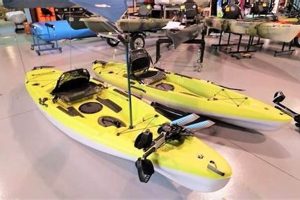
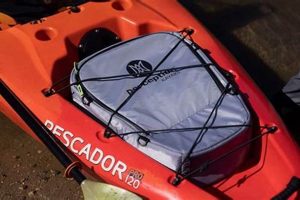
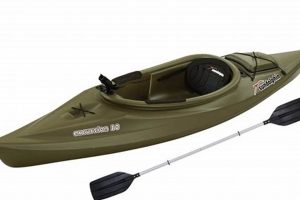
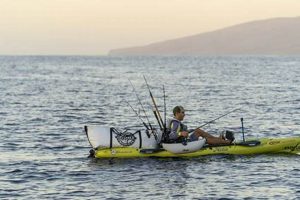
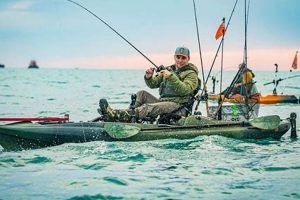
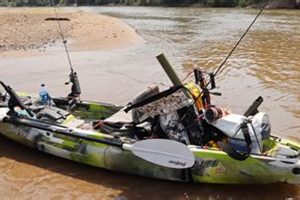
This concept embodies the use of a kayak specifically designed for fishing expeditions that extend beyond short trips, encompassing longer durations and potentially greater distances. Imagine embarking on a multi-day paddling and fishing adventure, exploring remote waterways and immersing oneself in nature. Such extended excursions require a vessel equipped with ample storage for gear, provisions, and the day’s catch, as well as enhanced stability and comfort for prolonged periods on the water.
The significance of this type of watercraft lies in its ability to facilitate deeper exploration and connection with the natural world. It offers anglers the freedom to access otherwise unreachable fishing grounds, fostering a sense of self-sufficiency and adventure. Historically, kayaks have served as essential tools for fishing and transportation in diverse cultures, and modern designs build upon this legacy, incorporating advanced materials and features tailored to the demands of extended fishing trips. This evolution enables anglers to venture further, stay longer, and experience the sport on a more profound level.
The following sections will delve into the essential elements of selecting, equipping, and utilizing a kayak optimized for these extended fishing adventures. Topics covered will include hull design, propulsion systems, essential gear, safety considerations, and trip planning strategies.
Tips for Extended Kayak Fishing Expeditions
Careful preparation is essential for successful and safe multi-day kayak fishing trips. The following tips offer guidance for planning and executing such adventures.
Tip 1: Prioritize Stability and Storage: Select a kayak with a wider hull and ample storage compartments. Stability is crucial in challenging conditions, especially when handling fish and gear. Adequate storage is necessary for multi-day provisions, safety equipment, and fishing gear.
Tip 2: Invest in a Comfortable Seat and Paddle: Extended time on the water necessitates a supportive and adjustable seat to minimize fatigue. A lightweight, ergonomic paddle reduces strain and improves paddling efficiency.
Tip 3: Pack Light but Thoroughly: Minimize weight while ensuring essential gear is included. Prioritize lightweight, high-quality equipment. Create a detailed checklist and pack items in waterproof bags.
Tip 4: Plan Routes and Study Navigation: Thorough route planning is crucial, accounting for potential weather changes, water currents, and designated campsites or extraction points. Carry reliable navigation tools, including charts, compass, and GPS.
Tip 5: Practice Essential Safety Procedures: Familiarize oneself with self-rescue techniques and essential safety equipment, including a personal flotation device (PFD), signaling devices, and a first-aid kit. Inform someone of the trip plan and expected return date.
Tip 6: Respect Wildlife and Leave No Trace: Minimize environmental impact by packing out all trash, adhering to Leave No Trace principles, and respecting wildlife and their habitats. Avoid disturbing nesting areas or approaching animals too closely.
Tip 7: Master Efficient Paddling Techniques: Proper paddling technique conserves energy and reduces strain. Practice efficient strokes and body posture to maximize paddling efficiency and minimize fatigue during long journeys.
Adhering to these guidelines enhances safety, improves efficiency, and contributes to a more rewarding and enjoyable extended kayak fishing experience.
By implementing these strategies, anglers can embark on extended fishing adventures with confidence and preparedness, maximizing their enjoyment and connection with nature.
1. Extended Trips

Extended trips represent the defining characteristic of the journey fishing kayak experience. These excursions, often lasting multiple days and nights, necessitate a different approach compared to shorter outings. The need for self-sufficiency becomes paramount, impacting gear choices, logistical planning, and safety considerations. A journey fishing kayak facilitates these longer trips by offering the capacity and features required for carrying ample provisions, camping gear, and safety equipment, all while maintaining maneuverability and stability on the water. Consider a fishing expedition along a remote coastline: an extended trip allows for exploration of multiple fishing grounds, requiring a kayak capable of handling varied water conditions and carrying the necessary gear for overnight stays. This exemplifies the inherent link between extended trips and the specialized nature of the journey fishing kayak.
The importance of extended trips lies in the opportunity for deeper immersion in the natural environment and access to less-fished waters. This resonates with the core values of many anglers seeking solitude, adventure, and a closer connection with the outdoors. The extended timeframe allows for adaptation to changing weather patterns, exploration of different fishing techniques, and a more comprehensive understanding of the aquatic ecosystem. For instance, a multi-day float trip down a river system allows anglers to observe fish behavior across various habitats and adjust fishing strategies accordingly. This enhanced experience differentiates the journey fishing kayak from recreational paddling or short fishing trips, highlighting the importance of extended trips in this specialized pursuit.
In summary, the journey fishing kayak serves as the vessel enabling extended trips, while the extended trips themselves define the essence of the journey fishing experience. This symbiotic relationship underscores the importance of careful planning, specialized equipment, and a deep appreciation for the challenges and rewards of extended time on the water. Navigating remote waterways, enduring variable weather conditions, and practicing responsible wilderness ethics become integral components of these longer expeditions, further distinguishing the journey fishing kayak pursuit from shorter, more conventional fishing outings.
2. Specialized Kayaks

Specialized kayaks represent a crucial element within the broader context of journey fishing. These vessels are purpose-built to meet the unique demands of extended fishing expeditions, differentiating them from recreational kayaks or other watercraft. Their design and features directly influence an angler’s ability to safely and effectively navigate waterways, transport gear, and engage in successful fishing practices over extended periods. Understanding these specializations is essential for optimizing performance, comfort, and safety during prolonged fishing adventures.
- Hull Design and Stability
Hull design significantly impacts a kayak’s performance and stability. Longer, narrower hulls offer greater speed and tracking, while wider, flatter hulls provide enhanced stability, crucial for fishing activities. Specialized fishing kayaks often incorporate features like multi-chine hulls, which combine stability with efficient tracking. A wider hull allows anglers to stand and cast with confidence, while also providing a stable platform for landing fish and managing gear. The specific hull design influences maneuverability in different water conditions, ranging from calm lakes to flowing rivers or coastal waters. This consideration is paramount for extended journeys where encountering diverse water conditions is likely.
- Storage Capacity and Accessibility
Ample storage is essential for extended fishing trips. Specialized kayaks feature dedicated compartments, including hatches, tank wells, and bungee systems, designed to securely hold fishing gear, safety equipment, and provisions for multiple days. Accessibility to these storage areas is equally crucial, allowing anglers to retrieve items efficiently without compromising stability. For instance, readily accessible rod holders and tackle storage facilitate quick lure changes and efficient fishing practices. The strategic placement and design of storage compartments directly impact the overall organization and functionality of the kayak during extended journeys.
- Propulsion Systems
Propulsion systems in specialized fishing kayaks vary to suit different environments and angler preferences. Paddle kayaks rely on traditional paddling techniques, offering excellent maneuverability and control. Pedal-driven kayaks provide hands-free propulsion, allowing anglers to focus on fishing while maintaining position or covering greater distances. Motorized kayaks offer increased speed and range, particularly useful for covering large bodies of water or navigating strong currents. The choice of propulsion system depends on factors such as fishing style, target species, and the characteristics of the intended fishing grounds. Understanding the advantages and limitations of each system is crucial for maximizing efficiency and enjoyment during extended fishing adventures.
- Comfort and Ergonomics
Comfort becomes paramount during extended trips. Features like adjustable seats with lumbar support, footrests, and thigh braces enhance comfort and reduce fatigue over long hours on the water. Ergonomically designed seating and paddling positions minimize strain and contribute to efficient paddling and casting techniques. The ability to maintain comfort throughout a multi-day trip is essential for maximizing focus and enjoyment, particularly when navigating challenging conditions or engaging in physically demanding fishing activities.
These specialized features collectively contribute to the effectiveness and enjoyment of extended kayak fishing trips. The careful selection of a kayak with appropriate hull design, storage capacity, propulsion system, and ergonomic features directly impacts an angler’s ability to navigate diverse water conditions, carry necessary gear, fish effectively, and maintain comfort over multiple days. The integration of these elements distinguishes journey fishing kayaks from recreational models, emphasizing the importance of specialized design in enabling successful and rewarding extended fishing adventures.
3. Fishing Focus

The defining characteristic of a journey fishing kayak adventure is the central focus on angling. This prioritization of fishing significantly influences equipment choices, trip planning, and overall experience. Unlike recreational kayaking or other watersports, every aspect of a journey fishing kayak trip is geared toward maximizing angling opportunities and success. This dedicated focus shapes the selection of kayaks designed with features like rod holders, tackle storage, and stable fishing platforms. It dictates the choice of destinations based on fish species and habitat. For example, an angler targeting large pelagic fish might choose a robust, ocean-going kayak equipped with specialized gear and electronics, while someone seeking trout in a mountain stream would opt for a smaller, more maneuverable craft. This targeted approach distinguishes journey fishing kayaking from other forms of paddling.
The importance of this fishing focus becomes readily apparent in the planning and execution of extended trips. Considerations such as fishing regulations, seasonal fish behavior, and optimal fishing times heavily influence route planning, campsite selection, and daily schedules. An angler might prioritize fishing during dawn and dusk, necessitating travel during less ideal conditions or careful consideration of campsite locations relative to prime fishing grounds. For instance, an angler seeking to maximize fishing time during a specific hatch might choose a campsite near the targeted river section, even if it involves a more challenging paddle. This dedication to fishing outcomes highlights the central role of angling within journey fishing kayaking.
In summary, the fishing focus intrinsic to journey fishing kayaking distinguishes this activity from other paddling pursuits. It influences every aspect of the experience, from equipment choices to trip planning and execution. Understanding this central focus provides a framework for optimizing gear selection, maximizing fishing success, and appreciating the nuances that differentiate journey fishing kayaking as a distinct and rewarding pursuit. This specialized focus allows anglers to fully immerse themselves in the angling experience, enhancing the connection with nature and the pursuit of targeted fish species. The challenges presented by extended trips in remote locations become opportunities to refine fishing skills, connect with the environment, and appreciate the unique rewards of this focused pursuit.
4. Exploration and Adventure
Exploration and adventure represent integral components of the journey fishing kayak experience, motivating anglers to venture beyond familiar waters and embrace the challenges and rewards of remote destinations. The self-reliant nature of journey fishing kayaking necessitates careful planning, skillful navigation, and adaptability to unpredictable conditions, fostering a sense of adventure inherent in exploring uncharted territories. The pursuit of remote fishing grounds often involves navigating unfamiliar waterways, enduring variable weather patterns, and encountering diverse wildlife, all contributing to a heightened sense of adventure. Consider a multi-day kayak trip along a remote coastline: navigating challenging currents, camping on secluded beaches, and encountering diverse marine life contribute to an adventurous experience distinct from fishing in easily accessible locations. This inherent connection between exploration and adventure underscores the appeal of journey fishing kayaking for those seeking experiences beyond the ordinary.
The importance of exploration and adventure within journey fishing kayaking extends beyond the thrill of the unknown. Exploring new fishing grounds allows anglers to discover hidden ecosystems, encounter diverse fish species, and develop a deeper understanding of the natural world. This pursuit of discovery fosters a sense of personal growth and connection with the environment, enriching the overall fishing experience. For example, paddling a kayak through a mangrove forest to access a secluded lagoon offers not only the potential for exciting fishing opportunities but also an intimate encounter with a unique ecosystem. This integration of exploration and adventure enhances the overall value of journey fishing kayaking, extending beyond simply catching fish to encompass a broader appreciation of the natural world.
In summary, exploration and adventure serve as fundamental driving forces within journey fishing kayaking. The pursuit of remote fishing grounds, the challenges of navigating unfamiliar waters, and the immersion in diverse natural environments contribute to a sense of adventure that distinguishes this pursuit from more conventional fishing experiences. This inherent connection between exploration, adventure, and journey fishing kayaking fosters a deeper appreciation for the natural world, encourages personal growth, and provides a framework for understanding the unique rewards and challenges of this specialized angling pursuit. The challenges and uncertainties inherent in exploring unfamiliar waters become integral components of the adventure, shaping the narrative of each journey and fostering a lasting connection with the environment.
5. Self-sufficiency

Self-sufficiency forms a cornerstone of the journey fishing kayak experience. Extended trips into remote environments necessitate a high degree of self-reliance, demanding anglers possess the skills and equipment to handle unforeseen circumstances and maintain their well-being without external support. This reliance on one’s own abilities distinguishes journey fishing kayaking from other angling pursuits and contributes significantly to the sense of accomplishment and connection with nature.
- Gear and Equipment Maintenance
Maintaining gear in optimal working order becomes crucial in remote locations where access to repair shops or replacement parts is limited. Anglers must possess the knowledge and tools to perform basic repairs on kayaks, paddles, fishing equipment, and other essential gear. For example, knowing how to patch a small hole in a kayak hull or repair a broken fishing rod can prevent a minor mishap from derailing an extended trip. This self-sufficiency extends to carrying spare parts and tools appropriate for common repairs, further emphasizing the importance of preparedness in remote environments.
- Navigation and Route Planning
Successful navigation is paramount when venturing into unfamiliar waterways. Journey fishing kayakers rely on a combination of traditional navigational skills, such as map reading and compass use, and modern technologies like GPS devices. The ability to accurately plan routes, account for changing weather conditions, and identify safe campsites or extraction points is essential for self-sufficiency. An example might involve navigating a complex network of tidal creeks or river channels, requiring careful route planning and constant awareness of tidal fluctuations or current patterns. This self-reliant navigation contributes to the sense of adventure and accomplishment inherent in journey fishing kayaking.
- Emergency Preparedness and First Aid
Preparedness for unexpected events is crucial for self-sufficiency in remote environments. Carrying a comprehensive first-aid kit and possessing the skills to address common injuries or illnesses become essential components of self-reliance. Knowledge of wilderness first-aid principles, including wound care, splinting, and managing hypothermia or heatstroke, can prove invaluable in situations where professional medical assistance is unavailable. Furthermore, carrying signaling devices, such as a personal locator beacon (PLB) or satellite messenger, allows anglers to summon help in emergencies, further enhancing self-sufficiency and safety.
- Resource Management and Sustainability
Self-sufficiency extends to responsible resource management and sustainable practices. Packing out all trash, minimizing campfire impacts, and respecting wildlife contribute to preserving the pristine environments often sought by journey fishing kayakers. Understanding Leave No Trace principles and practicing responsible angling techniques, such as catch-and-release fishing, demonstrate respect for the environment and ensure its continued enjoyment by future generations. This commitment to sustainability reflects a self-sufficient approach that minimizes reliance on external resources and prioritizes the long-term health of the ecosystem.
These facets of self-sufficiency contribute significantly to the unique challenges and rewards of journey fishing kayaking. The ability to rely on one’s own skills and resources in remote environments fosters a deep sense of accomplishment, connection with nature, and respect for the delicate balance of the natural world. This self-reliant approach distinguishes journey fishing kayaking from other forms of angling and contributes to the enduring appeal of this specialized pursuit. By embracing these principles, anglers develop a deeper understanding of their own capabilities and the importance of responsible interaction with the environment, further enriching the overall journey fishing experience.
6. Connection with Nature

A profound connection with nature forms an essential element of the journey fishing kayak experience. Extended time on the water, immersed in natural surroundings, fosters a deeper appreciation for the environment and a heightened awareness of its intricate workings. This connection transcends the simple act of fishing and becomes a core element of the overall journey, influencing perspectives, fostering respect for natural systems, and contributing to a sense of peace and tranquility. The following facets explore the various ways in which journey fishing kayaking cultivates this connection with the natural world.
- Immersive Sensory Experience
Journey fishing kayaking provides an immersive sensory experience unavailable in other forms of angling. The quiet glide of the kayak through the water, the sounds of wildlife, the feel of the sun and wind, and the sight of changing landscapes create a multi-sensory immersion that deepens the connection with nature. Paddling through a misty dawn, observing the awakening of the natural world, or witnessing a sunset over a tranquil lake exemplifies this immersive quality. These direct sensory encounters foster a heightened awareness of the subtle nuances of the natural environment, unavailable from a motorized boat or from the shore.
- Observation of Wildlife and Ecosystems
Extended time on the water provides unparalleled opportunities for observing wildlife in their natural habitats. From soaring eagles to leaping fish, encounters with diverse species become integral parts of the journey fishing kayak experience. Observing the interplay between different species, such as a heron hunting for fish or a beaver building its lodge, offers insights into the interconnectedness of the ecosystem. These observations foster a deeper understanding of ecological processes and highlight the importance of conservation efforts. For example, witnessing the impact of pollution or habitat destruction firsthand can inspire greater environmental awareness and stewardship.
- Solitude and Reflection
The solitary nature of journey fishing kayaking offers opportunities for introspection and reflection. The quiet moments spent paddling, the stillness of the water, and the vastness of the surrounding landscape create a space for contemplation and connection with one’s inner self. This solitude allows for a deeper appreciation of the natural world and fosters a sense of peace and tranquility. The rhythmic motion of paddling can become meditative, providing a respite from the distractions of modern life and promoting mental clarity. This introspective aspect of journey fishing kayaking contributes to the overall sense of rejuvenation and connection with nature.
- Respect for Natural Forces
Navigating changing weather patterns, currents, and tides instills a respect for the power and unpredictability of natural forces. Journey fishing kayakers develop an intimate understanding of weather systems, water dynamics, and the importance of adapting to changing conditions. Experiencing the force of a headwind, navigating through a swift current, or seeking shelter during a sudden storm fosters a deep respect for the natural world and its inherent power. This awareness reinforces the importance of preparedness, safety consciousness, and responsible decision-making in the outdoor environment.
These interconnected facets contribute to the unique and powerful connection with nature fostered through journey fishing kayaking. This connection transcends the pursuit of fish and becomes an integral part of the overall experience, shaping perspectives, fostering respect for the environment, and contributing to a sense of well-being and personal growth. By embracing the challenges and rewards of extended time on the water, journey fishing kayakers develop a deeper appreciation for the natural world and their place within it. This heightened awareness extends beyond the individual experience, promoting environmental stewardship and a commitment to preserving these natural spaces for future generations.
Frequently Asked Questions
This section addresses common inquiries regarding extended kayak fishing expeditions, providing concise and informative responses to facilitate informed decision-making and enhance preparedness.
Question 1: What differentiates a journey fishing kayak from a recreational kayak?
Journey fishing kayaks are purpose-built for extended trips, emphasizing stability, storage capacity, and specialized features like rod holders and fish finders. Recreational kayaks prioritize ease of use and maneuverability for shorter outings, often lacking the specialized features and storage capacity required for multi-day fishing expeditions.
Question 2: How much storage is typically required for a multi-day kayak fishing trip?
Storage needs vary based on trip duration, location, and personal preferences. However, a minimum of 40-60 liters of dry storage is generally recommended for essential gear, safety equipment, and provisions for a multi-day trip. Additional storage may be necessary for camping gear, fishing equipment, and personal items.
Question 3: What safety precautions are essential for extended kayak fishing trips?
Essential safety precautions include wearing a personal flotation device (PFD), carrying signaling devices, informing someone of the trip plan, and possessing basic first-aid and navigation skills. Understanding self-rescue techniques and carrying a well-stocked first-aid kit are also crucial for managing unforeseen circumstances in remote locations.
Question 4: How does one choose an appropriate propulsion system for a journey fishing kayak?
Propulsion system selection depends on individual preferences, fishing style, and the characteristics of the target water body. Paddle kayaks offer versatility and maneuverability, while pedal-driven kayaks provide hands-free fishing. Motorized kayaks cover greater distances but require additional considerations for fuel and maintenance.
Question 5: What are the essential items to pack for an extended kayak fishing trip?
Essential items include navigation tools (charts, compass, GPS), safety equipment (PFD, signaling devices, first-aid kit), fishing gear, appropriate clothing, food and water, and camping gear if overnight stays are planned. A detailed checklist tailored to the specific trip duration and location is recommended.
Question 6: How does one plan routes and navigate effectively during extended kayak fishing trips?
Thorough route planning involves studying nautical charts, considering water currents and tides, identifying potential hazards, and establishing designated campsites or extraction points. Utilizing a combination of traditional navigation skills and modern GPS technology ensures efficient and safe navigation throughout the journey.
Careful consideration of these frequently asked questions contributes significantly to a safer, more enjoyable, and ultimately successful extended kayak fishing experience. Thorough preparation, informed decision-making, and a proactive approach to safety enhance one’s ability to embrace the challenges and rewards of journey fishing kayaking.
The following section delves into advanced techniques and strategies for maximizing fishing success during extended kayak expeditions.
Journey Fishing Kayak
This exploration of journey fishing kayaking has highlighted the multifaceted nature of this specialized pursuit. From the specialized kayaks designed for extended trips to the emphasis on self-sufficiency and the profound connection with nature, key elements contribute to a unique and rewarding experience. The discussion encompassed essential aspects such as trip planning, safety considerations, specialized equipment, and the importance of respecting the natural environment. Furthermore, the exploration delved into the core values of exploration, adventure, and the development of a deeper understanding of the natural world through immersive experiences.
Journey fishing kayaking represents more than simply a method of angling; it embodies a philosophy of self-reliant exploration and a deep connection with the aquatic environment. The challenges inherent in extended kayak fishing trips become opportunities for personal growth, fostering resilience, adaptability, and a profound respect for the natural world. As anglers venture further into remote and challenging environments, responsible stewardship and a commitment to conservation become increasingly crucial for preserving these pristine ecosystems for future generations. The future of journey fishing kayaking rests upon a balance between the pursuit of adventure and the preservation of the natural resources that sustain this unique and rewarding pursuit.