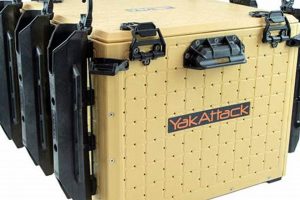
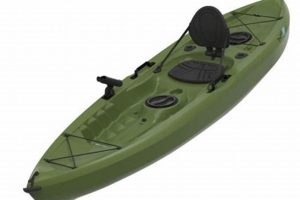
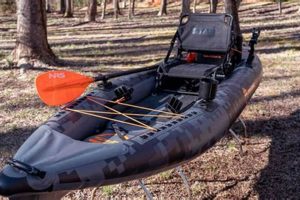
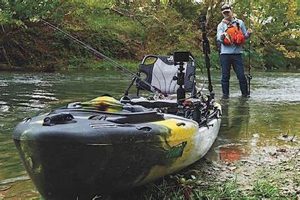
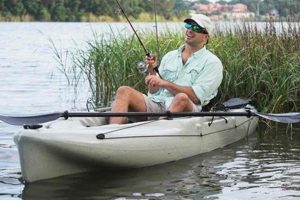
A tandem kayak designed specifically for angling offers anglers the opportunity to share their passion with a companion. These vessels typically feature specialized storage for rods, tackle, and often include features like rod holders, livewells, and comfortable seating arrangements designed for extended fishing trips. An example would be a sit-on-top style with two recessed fishing rod holders behind each seat and a central storage hatch.
Shared experiences on the water strengthen bonds and create lasting memories. The collaborative nature of tandem fishing allows for sharing of techniques and knowledge, potentially leading to increased success. Furthermore, having two people on board can improve safety and assist with navigating challenging waters or landing larger fish. Historically, smaller fishing vessels have played a significant role in subsistence fishing, and modern iterations like this specific type of kayak continue that tradition, providing a connection to this heritage while incorporating modern technologies and design.
This exploration of these specialized kayaks will further delve into specific features, different types available, and factors to consider when selecting the ideal vessel for shared fishing adventures.
Tips for Tandem Kayak Fishing
Careful planning and preparation contribute significantly to a successful and enjoyable tandem kayak fishing experience. The following tips offer valuable guidance for maximizing efficiency and safety on the water.
Tip 1: Coordinate Paddling Strokes: Synchronized paddling is crucial for efficient movement. Practicing on calm water before venturing into more challenging conditions can significantly improve coordination and reduce wasted energy.
Tip 2: Distribute Weight Evenly: Proper weight distribution is essential for stability. Gear should be balanced between both paddlers and positioned to maintain a low center of gravity. This minimizes the risk of capsizing and improves maneuverability.
Tip 3: Establish Clear Communication: Open communication between paddlers is vital, especially in challenging situations. Agree on hand signals or verbal cues beforehand to coordinate turning, stopping, and other maneuvers.
Tip 4: Select Appropriate Paddles: Paddle length and blade shape should be tailored to individual paddlers’ size and paddling style. Properly fitted paddles improve efficiency and reduce fatigue.
Tip 5: Consider a Rudder or Skeg: A rudder or skeg can significantly improve tracking, particularly in windy conditions or strong currents. This can free up both paddlers to focus on fishing rather than constantly correcting course.
Tip 6: Prioritize Safety Equipment: Personal flotation devices (PFDs) are essential for all occupants. A whistle, first-aid kit, and communication device should also be included as standard safety precautions.
Tip 7: Plan Fishing Locations Strategically: Researching potential fishing spots beforehand can maximize fishing time. Consider water depth, currents, and accessibility when selecting locations.
By implementing these strategies, anglers can enhance their tandem kayak fishing experience, promoting both safety and enjoyment on the water.
These practical tips provide a solid foundation for successful outings, enabling anglers to focus on the thrill of the catch and the shared experience of tandem kayak fishing. This information paves the way for a concluding discussion on the overall benefits and enjoyment derived from this specialized fishing approach.
1. Stability

Stability forms a cornerstone of a successful fishing kayak designed for two people. A stable platform allows anglers to cast, reel, and land fish without compromising safety. This is particularly crucial in tandem kayaks where the combined movements of two individuals can create more instability than in a solo vessel. A stable kayak also provides a more comfortable and confident fishing experience, enabling anglers to focus on the task at hand rather than maintaining balance. For instance, a wider hull design inherently offers greater primary stability, resisting initial tipping, while a longer kayak generally provides better secondary stability, recovering more easily from larger disturbances. The presence of a lower center of gravity further enhances overall stability. Compromised stability can lead to capsizing, equipment loss, and potentially dangerous situations, especially in challenging conditions like windy days or choppy waters.
Various design elements influence stability. Hull shape, width, and length play significant roles. Wider, flatter hulls generally offer more initial stability, while longer, narrower hulls track better in a straight line. The distribution of weight within the kayak also impacts stability. Evenly distributed weight, with heavier items positioned lower in the hull, contributes to a more stable platform. Features like outriggers or stabilizers can further enhance stability, especially for anglers who prioritize standing while fishing. Understanding these design elements and their impact on stability empowers informed decisions when selecting a tandem fishing kayak.
Ultimately, prioritizing stability in a two-person fishing kayak directly contributes to both safety and fishing success. A stable platform allows anglers to utilize a wider range of fishing techniques effectively and confidently. It also mitigates the risk of accidents, ensuring a more enjoyable and productive fishing experience. This understanding of stability as a crucial component underscores its importance when selecting a tandem fishing kayak appropriate for intended conditions and fishing styles.
2. Capacity
Capacity in a two-person fishing kayak directly impacts usability and safety. It represents the maximum combined weight the vessel can safely support, encompassing the weight of both paddlers, fishing gear, and any additional equipment. Exceeding the specified capacity compromises stability, maneuverability, and freeboardthe distance between the waterline and the top edge of the hull. A kayak operating beyond its capacity sits lower in the water, increasing the risk of swamping or capsizing, particularly in rough conditions. For example, a tandem kayak with a 450-pound capacity requires careful consideration of the combined weight of occupants and gear. Two 200-pound anglers carrying 50 pounds of gear would exceed the safe limit, potentially creating a dangerous situation. Manufacturers provide capacity ratings to ensure safe operation. Ignoring these guidelines can have serious consequences.
Adequate capacity ensures efficient paddling and optimal performance. A kayak overloaded with weight sits deeper in the water, increasing drag and requiring greater effort to paddle. This can lead to fatigue and reduced enjoyment, especially on longer trips. Furthermore, insufficient capacity limits the amount of gear that can be carried, potentially hindering fishing success. For instance, anglers planning multi-day trips need sufficient capacity to carry camping gear, food, and water, in addition to fishing equipment. A kayak with inadequate capacity restricts these options, potentially necessitating multiple trips or compromising essential supplies.
Selecting a tandem fishing kayak with appropriate capacity is crucial for safety and functionality. Careful consideration of the combined weight of intended occupants and all necessary gear should precede any purchase. Consulting manufacturer specifications and understanding the implications of exceeding capacity limits are essential steps in ensuring a safe and enjoyable kayaking experience. This understanding enables informed decisions aligned with specific needs and anticipated usage scenarios.
3. Storage

Storage solutions in two-person fishing kayaks directly impact organization, efficiency, and overall fishing success. Ample and well-designed storage facilitates easy access to essential gear, minimizing disruption during fishing. Dedicated compartments for tackle boxes, rods, and other equipment prevent tangling and damage, preserving valuable gear and streamlining the fishing process. For example, recessed rod holders secure rods while paddling or when not in use, preventing loss or breakage. Similarly, dry storage compartments protect sensitive electronics and personal items from water damage, preserving their functionality. Inadequate storage can lead to cluttered decks, hindering movement and increasing the risk of tripping or losing equipment overboard. Efficient storage solutions contribute to a safer and more productive fishing experience.
Different types of storage cater to specific needs. Large, open hatches accommodate bulky items like coolers or tackle bags. Smaller, sealed compartments protect electronics and personal belongings from water. Specialized storage, such as dedicated tackle trays or leader-line dispensers, further enhances organization and efficiency. The location of storage compartments also influences accessibility. Front hatches provide easy access while paddling, whereas rear compartments may require stopping and turning. The strategic placement of storage contributes to workflow optimization, minimizing disruptions during fishing. For example, readily accessible storage for frequently used lures and tools allows for quick changes without interrupting the fishing process. This level of organization significantly enhances fishing efficiency.
Effective storage solutions are essential components of a well-designed two-person fishing kayak. Ample storage capacity, combined with thoughtful compartmentalization, directly contributes to a more organized, efficient, and ultimately, successful fishing experience. Prioritizing storage considerations when selecting a tandem fishing kayak reflects an understanding of its practical significance in optimizing on-the-water performance and maximizing enjoyment. This awareness empowers informed decisions aligned with specific fishing styles and anticipated needs, ultimately contributing to a more rewarding and productive experience on the water.
4. Maneuverability
Maneuverability in a two-person fishing kayak significantly influences its effectiveness and adaptability in diverse water environments. Precise control and responsiveness are essential for navigating tight spots, approaching fish-holding areas stealthily, and responding effectively to changing water conditions. Reduced maneuverability can lead to missed opportunities, difficulty in challenging waters, and potential safety concerns. Understanding the factors that contribute to maneuverability empowers informed decisions and contributes to a more successful and enjoyable fishing experience.
- Hull Design:
Hull design significantly impacts a tandem kayak’s maneuverability. Shorter kayaks with a rockered hull (curved upward at the bow and stern) typically turn more easily, while longer kayaks with a flatter hull track better in a straight line but sacrifice turning agility. A shorter, rockered hull excels in navigating narrow creeks and rivers, while a longer, flatter hull provides speed and efficiency in open water. The choice depends on the intended fishing environment.
- Weight and Distribution:
The overall weight and weight distribution within the kayak influence maneuverability. A heavier kayak requires more effort to turn, while uneven weight distribution can create imbalances, affecting tracking and turning performance. Properly distributing weight, with heavier items positioned lower and centrally, enhances stability and responsiveness. For example, distributing tackle boxes and coolers evenly throughout the kayak improves balance and control compared to concentrating weight at one end.
- Water Conditions:
Maneuverability can be significantly affected by prevailing water conditions. Strong winds and currents create challenges, requiring more effort and precise paddling to maintain control. Kayaks with features like rudders or skegs can improve tracking and directional stability in challenging conditions, enhancing maneuverability in wind and current. Understanding the limitations imposed by specific water conditions allows for better planning and safer navigation.
- Paddler Experience:
Paddler experience and coordination play a crucial role in maximizing a tandem kayak’s maneuverability. Synchronized paddling techniques and efficient communication between paddlers enhance turning performance and overall control. Practice and familiarity with the kayak’s handling characteristics improve responsiveness and allow for more precise movements in various situations. For instance, experienced paddlers can execute coordinated turning strokes, minimizing effort and maximizing maneuverability.
These interconnected factors underscore the complexity of maneuverability in a two-person fishing kayak. Selecting a kayak with appropriate maneuverability characteristics for the intended fishing environment and paddler experience enhances on-the-water performance, safety, and overall enjoyment. Balancing stability and maneuverability based on individual needs and anticipated usage scenarios ensures a more rewarding and productive fishing experience. The optimal balance between stability and maneuverability depends on the specific fishing style and anticipated water conditions, influencing kayak selection and overall performance.
5. Comfort

Comfort in a two-person fishing kayak directly influences endurance, focus, and overall enjoyment on the water. Extended fishing trips require sustained comfort to minimize fatigue and maximize fishing effectiveness. Discomfort can lead to premature fatigue, reduced concentration, and a diminished overall experience. Understanding the elements that contribute to comfort enables informed decisions and ensures a more rewarding fishing experience.
- Seating Design:
Seating design plays a pivotal role in overall comfort. Adjustable seating systems accommodate varying body sizes and preferences, allowing for customized support and posture adjustments throughout the day. Features like padded seats, adjustable backrests, and breathable fabrics enhance comfort, particularly during long hours on the water. A well-designed seating system mitigates fatigue and promotes proper posture, reducing the risk of back pain and discomfort. For example, high-back seats with lumbar support provide crucial back support, while adjustable footrests contribute to overall postural stability and comfort.
- Legroom and Space:
Adequate legroom and cockpit space are essential for comfort, especially for taller individuals or those requiring frequent movement. Cramped conditions restrict movement, leading to discomfort and fatigue. Ample space allows for comfortable stretching, shifting positions, and accessing gear without restriction. The distance between seats, cockpit width, and the presence of adjustable footrests contribute significantly to overall space and comfort. Sufficient legroom allows for comfortable paddling and reduces the risk of leg cramps or stiffness during extended trips.
- Stability and Smooth Ride:
Stability and a smooth ride contribute significantly to comfort. A stable kayak minimizes rocking and swaying, reducing anxiety and promoting a more relaxing experience. A smooth ride minimizes jarring impacts from waves or chop, reducing fatigue and enhancing overall comfort. Hull design, weight distribution, and the presence of features like a rudder or skeg influence stability and ride quality. A stable and smooth-riding kayak allows anglers to focus on fishing rather than constantly adjusting their balance or bracing for impacts, enhancing overall enjoyment and reducing motion sickness.
- Accessibility and Ergonomics:
Easy access to essential gear and strategically positioned features enhance comfort and efficiency. Well-placed rod holders, tackle storage compartments, and other accessories minimize reaching and stretching, reducing strain and fatigue. Ergonomically designed features, such as adjustable paddle holders and comfortable grab handles, further enhance comfort and convenience. Easy access to essential items streamlines the fishing process and allows anglers to maintain a comfortable and efficient fishing posture. For example, readily accessible rod holders and tackle storage compartments allow for quick lure changes and adjustments without requiring awkward reaching or bending.
These interconnected elements demonstrate the multifaceted nature of comfort in a two-person fishing kayak. Prioritizing comfort through careful consideration of seating design, space, stability, and accessibility enhances endurance, focus, and overall enjoyment during extended fishing trips. Selecting a kayak that prioritizes these comfort features contributes to a more rewarding and productive fishing experience. This understanding allows for informed decisions aligned with individual needs and preferences, optimizing both comfort and performance on the water. The interplay of these factors directly influences angler satisfaction and the overall success of fishing excursions.
Frequently Asked Questions
This section addresses common inquiries regarding tandem fishing kayaks, providing concise and informative responses to facilitate informed decision-making.
Question 1: What are the key advantages of choosing a two-person fishing kayak?
Tandem kayaks offer enhanced stability, increased storage capacity, and the opportunity for shared experiences on the water. They can also be beneficial for anglers requiring assistance with paddling or navigating challenging conditions. The collaborative nature of tandem fishing enhances safety and can improve overall fishing success.
Question 2: How does the weight capacity affect performance and safety?
Weight capacity dictates the maximum combined weight of occupants and gear the kayak can safely support. Exceeding this limit compromises stability, maneuverability, and safety, increasing the risk of capsizing or swamping. Adhering to manufacturer-specified weight limits is crucial for safe operation.
Question 3: What storage features should one look for in a two-person fishing kayak?
Essential storage features include dedicated compartments for tackle boxes, rod holders, dry storage for electronics and personal items, and strategically placed hatches for easy access to frequently used equipment. Ample and well-organized storage enhances efficiency and contributes to a more productive fishing experience.
Question 4: How does hull design influence maneuverability and tracking?
Hull design significantly impacts performance. Shorter, rockered hulls offer enhanced maneuverability in tight spaces, while longer, flatter hulls provide better tracking in open water. The optimal hull design depends on the intended fishing environment and desired performance characteristics.
Question 5: What factors contribute to comfort during long fishing trips?
Key comfort factors include adjustable seating systems with adequate padding and back support, ample legroom and cockpit space, and a stable, smooth ride. Features like adjustable footrests and strategically placed accessories further enhance comfort and reduce fatigue during extended outings.
Question 6: Are there specific safety considerations for tandem kayak fishing?
Safety considerations include wearing personal flotation devices (PFDs), carrying essential safety equipment like a whistle, first-aid kit, and communication device, and adhering to established boating regulations. Open communication between paddlers and awareness of potential hazards are crucial for safe and responsible tandem kayak fishing.
Careful consideration of these frequently asked questions empowers informed decisions and contributes to a safer, more efficient, and enjoyable tandem kayak fishing experience. Addressing these common concerns ensures proper preparation and enhances the overall on-the-water experience.
This FAQ section provides a foundational understanding of key aspects to consider. Further research and consultation with experienced anglers or retailers can provide additional insights tailored to individual needs and preferences.
Conclusion
Tandem fishing kayaks offer distinct advantages for anglers seeking shared experiences and enhanced capabilities on the water. Careful consideration of factors like stability, capacity, storage, maneuverability, and comfort ensures selection of a vessel appropriate for individual needs and intended usage. Understanding the interplay of these elements optimizes performance, safety, and overall enjoyment. Specialized features cater to the unique demands of fishing, enhancing efficiency and success on the water.
Ultimately, the selection of a tandem fishing kayak represents an investment in shared adventures and enhanced fishing opportunities. Informed decision-making, guided by a thorough understanding of key features and performance characteristics, empowers anglers to maximize their time on the water. The pursuit of shared experiences and successful angling underscores the enduring appeal of tandem fishing kayaks.