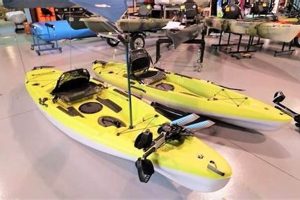
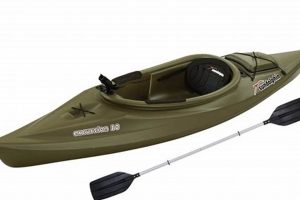
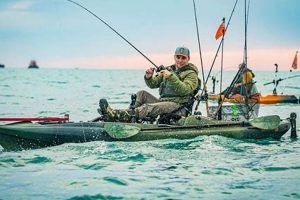
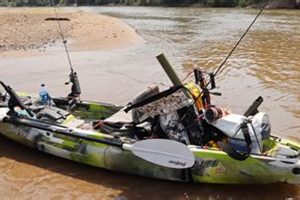
This specific model designates a twelve-foot vessel designed for angling from Perception Kayaks. Such watercraft are typically constructed from durable, lightweight materials like high-density polyethylene. They offer specialized features such as rod holders, storage compartments for tackle and gear, and comfortable seating designed for extended periods on the water. These vessels bridge the gap between smaller recreational kayaks and larger fishing boats, offering a balance of portability, stability, and fishing-specific functionality.
Compact, self-propelled watercraft of this size provide anglers access to shallow waters and secluded fishing spots often inaccessible to larger boats. Their relatively low cost and ease of transport and storage make them a popular choice for both novice and experienced anglers. The evolution of these specialized vessels reflects an increasing demand for efficient and accessible fishing platforms suited to a variety of aquatic environments.
Further exploration will delve into key aspects of such a vessel, encompassing design considerations, performance characteristics, recommended accessories, and proper maintenance procedures to ensure longevity and optimal performance on the water. This information will provide a comprehensive resource for those seeking to understand and maximize the potential of these versatile fishing platforms.
Tips for Utilizing a 12-Foot Fishing Kayak
Optimal utilization of a 12-foot fishing kayak involves careful consideration of several factors to ensure safety, efficiency, and a successful angling experience. The following tips provide valuable guidance for maximizing performance on the water.
Tip 1: Weight Distribution and Balance: Proper weight distribution is crucial for stability. Gear should be evenly distributed throughout the vessel, with heavier items positioned low and centrally. This enhances stability and prevents capsizing.
Tip 2: Paddle Selection and Technique: Choosing the correct paddle length and employing proper paddling techniques maximizes efficiency and minimizes fatigue. Research appropriate paddle lengths based on individual height and kayak width. Practice efficient paddling strokes for optimal propulsion.
Tip 3: Safety Gear and Preparation: Prioritize safety by always wearing a personal flotation device (PFD). Carry essential safety equipment, including a whistle, signaling device, and first-aid kit. Check weather conditions before embarking and inform someone of the intended fishing location and return time.
Tip 4: Anchor and Drift Control: Utilize an appropriate anchor system suited for the fishing environment. Deploying a drift sock or sea anchor helps control drift speed and maintain position in windy or current-prone areas, optimizing fishing presentation.
Tip 5: Fish Finder and Electronics: Consider mounting a fish finder and GPS unit to enhance fishing success and navigation. These electronic tools help locate fish, identify underwater structures, and ensure safe navigation back to the launch point.
Tip 6: Kayak Maintenance and Storage: Regular maintenance prolongs the lifespan of the vessel. Rinse the kayak with fresh water after each use, especially in saltwater environments. Store the kayak properly in a shaded area to prevent UV damage.
Tip 7: Respect for the Environment: Practice Leave No Trace principles. Pack out all trash and fishing line. Avoid disturbing wildlife and sensitive habitats. Adhere to all local fishing regulations.
Adhering to these guidelines promotes a safe, enjoyable, and environmentally responsible fishing experience. Careful planning and preparation ensure anglers can maximize the potential of their 12-foot fishing kayak and enjoy rewarding time on the water.
This information provides a foundation for a fulfilling fishing experience. The subsequent conclusion will summarize key takeaways and encourage responsible enjoyment of the sport.
1. Stability

Stability represents a critical performance attribute in fishing kayaks, particularly in models like the Pescador 12. A stable platform is essential for various on-the-water activities, including casting, reeling, landing fish, and entering or exiting the kayak. The hull design significantly influences stability. Wider hulls generally offer greater primary stability (initial resistance to tipping), while longer, narrower hulls often provide better secondary stability (resistance to capsizing once tilted). The Pescador 12, with its specific hull design, aims to balance these factors to provide a platform suitable for a range of fishing conditions.
Consider the scenario of an angler standing to cast in a 12-foot kayak. A stable hull allows for comfortable and confident casting without the constant fear of tipping. This stability is crucial for accurate casting and effective fish fighting. Conversely, a less stable kayak can hinder performance and potentially lead to capsizing, especially in challenging conditions such as windy weather or choppy water. The practical significance of this stability becomes even more apparent when dealing with larger fish, where the angler needs a secure platform to exert leverage and control during the retrieval process. For instance, landing a large fish in a stable kayak allows the angler to focus on the task at hand rather than worrying about maintaining balance.
The Pescador 12’s stability contributes directly to angler safety and fishing effectiveness. While hull design is the primary factor, factors such as weight distribution and seating position also influence stability. Understanding these factors and their interplay allows anglers to maximize stability and optimize on-the-water performance. This understanding translates to a safer, more comfortable, and ultimately, more successful fishing experience. Consideration of stability remains paramount when evaluating any fishing kayak, ensuring anglers can confidently and effectively pursue their passion on the water.
2. Maneuverability
Maneuverability represents a critical performance characteristic in fishing kayaks, particularly in models like the Pescador 12. Efficient navigation through diverse water environments, including narrow creeks, winding rivers, and obstacle-laden areas, necessitates a kayak that responds precisely and efficiently to paddle input. Maneuverability directly impacts the angler’s ability to access desired fishing locations and effectively present lures or bait. Understanding the factors influencing maneuverability contributes to a more informed selection process and enhanced on-the-water performance.
- Hull Design and Length:
Hull design significantly influences a kayak’s turning responsiveness. Shorter kayaks generally exhibit greater maneuverability due to their reduced waterline length. Longer kayaks, while typically offering greater tracking and speed, can be less agile in tight spaces. The Pescador 12’s length balances maneuverability with tracking performance, aiming to provide suitable handling in varied aquatic environments. Consider navigating a narrow, mangrove-lined creek. A highly maneuverable kayak allows for precise adjustments to avoid obstacles and maintain course, while a less maneuverable kayak may require more effort and potentially impede access to prime fishing spots.
- Waterline Beam and Rocker:
The waterline beam (width of the hull at the waterline) and rocker (curvature of the hull from bow to stern) also contribute to maneuverability. Narrower beams and greater rocker typically enhance turning responsiveness, while wider beams and less rocker enhance stability but may sacrifice some agility. The Pescador 12’s specific dimensions aim to balance these considerations for a blend of maneuverability and stability. Imagine maneuvering through a field of lily pads. A kayak with greater rocker can pivot and turn more effectively in such an environment, while a kayak with minimal rocker might require more forceful paddling and wider turns.
- Rudder or Skeg Systems:
While not always standard, rudder or skeg systems can enhance directional control and maneuverability, particularly in windy conditions or strong currents. A rudder, controlled by foot pedals, allows for precise steering adjustments, while a skeg improves tracking and reduces the need for corrective strokes. Understanding the benefits and limitations of these systems helps anglers tailor their kayak selection to specific fishing environments. For example, a rudder can be invaluable in strong crosswinds, enabling the angler to maintain a desired course and effectively fish a targeted area without constant correction.
- Paddle Technique and Experience:
While inherent kayak characteristics play a significant role, paddle technique and angler experience also contribute to maneuverability. Proper paddling strokes and efficient use of edging techniques enhance turning performance. Experienced anglers can often maximize the maneuverability of any kayak through refined paddle control. Consider executing a sharp turn to follow a fleeing fish. A skilled angler can use a combination of sweep strokes and edging to quickly change direction and maintain pursuit, maximizing opportunities for a successful catch.
The interplay of these factors dictates the overall maneuverability of a fishing kayak like the Pescador 12. Careful consideration of hull design, dimensions, potential add-ons like rudders or skegs, and angler skill level allows for informed selection of a kayak best suited to individual needs and target fishing environments. This understanding translates to enhanced on-the-water performance and access to a wider range of fishing opportunities. By considering these facets of maneuverability, anglers can optimize their fishing experience and confidently navigate diverse aquatic environments.
3. Storage Capacity

Storage capacity represents a critical consideration in fishing kayaks, particularly in models like the Pescador 12. Effective angling necessitates carrying various equipment, including tackle boxes, rods, reels, safety gear, and personal items. Adequate storage ensures readily accessible gear, promoting efficient fishing practices and enhancing the overall on-the-water experience. Insufficient storage can lead to cluttered decks, hindering movement and potentially compromising safety. Understanding storage solutions in the Pescador 12 allows for informed evaluation of its suitability for individual angling needs.
- Tank Well Storage:
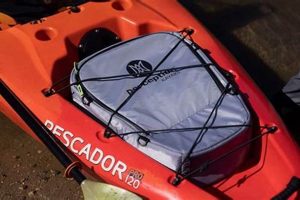
The tank well, typically located at the stern, provides open storage for larger items such as tackle crates or coolers. Bungee cords secure these items, preventing loss or shifting during transport. A spacious tank well allows anglers to carry essential gear without sacrificing deck space. For example, a larger cooler accommodates food and beverages for extended fishing trips, enhancing comfort and enjoyment. The Pescador 12’s tank well dimensions dictate the size and volume of items it can accommodate, influencing its practicality for different fishing styles and durations.
- Hatch Storage:
Hatches provide enclosed storage compartments within the kayak’s hull, protecting sensitive items from water and the elements. These compartments are ideal for storing electronics, wallets, keys, and other valuables. Dry bags further enhance protection within hatches, ensuring critical gear remains dry even in the event of capsizing or significant splashing. Consider storing a spare set of clothing in a dry bag within a hatch. This preparedness ensures comfort and safety in case of unexpected immersion. The size and accessibility of hatches in the Pescador 12 determine the volume and types of items that can be stored securely.
- Side Storage and Rod Holders:
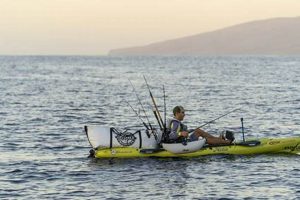
Side storage pockets or compartments offer convenient access to frequently used items like pliers, line cutters, or leader material. Dedicated rod holders, either flush-mounted or adjustable, secure fishing rods, freeing up hands for paddling and other tasks. Multiple rod holders allow anglers to carry various rod and reel combinations, adapting to different fishing techniques or target species. Imagine trolling with two rods while having a third rod rigged and ready for casting at a moment’s notice. The availability and placement of rod holders and side storage influence fishing efficiency and versatility on the Pescador 12.
- Storage Integration and Deck Space:
The overall integration of storage solutions within the kayak’s design impacts deck space and angler comfort. Well-designed storage maximizes available deck space for comfortable movement and fishing activities. Conversely, poorly integrated storage can create obstructions and hinder maneuverability. Consider the scenario of fighting a large fish. A clutter-free deck allows the angler to move freely and maintain control during the retrieval process. The Pescador 12’s storage layout directly influences its functionality and usability as a fishing platform.
The storage capacity and configuration of the Pescador 12 significantly influence its practicality and suitability for various fishing scenarios. Careful consideration of these storage solutions allows anglers to assess whether the kayak meets their specific gear requirements and fishing style. Understanding the types, sizes, and locations of storage compartments contributes to a more informed purchasing decision and enhances the overall fishing experience. By evaluating the Pescador 12’s storage capabilities in relation to individual needs, anglers can maximize efficiency and enjoyment on the water.
4. Comfort

Comfort represents a crucial factor influencing angling effectiveness and enjoyment, especially during extended outings on a fishing kayak like the Pescador 12. An uncomfortable seating arrangement can lead to fatigue, reduced focus, and a diminished overall experience. Conversely, a comfortable and supportive seating system allows anglers to maintain focus and energy, maximizing fishing time and enjoyment. Understanding the elements contributing to comfort in the Pescador 12 enables informed evaluation of its suitability for individual needs and preferences.
- Seat Design and Adjustability:
The seat design significantly impacts comfort. Features like adjustable backrests, padded seating surfaces, and breathable fabrics enhance comfort, particularly during prolonged periods on the water. An adjustable backrest allows anglers to fine-tune their posture, reducing strain on the back and promoting proper support. Imagine spending hours on the water; a well-designed, adjustable seat mitigates discomfort and allows for continued focus on fishing. The specific design and adjustability features of the Pescador 12’s seat directly influence its long-term comfort.
- Legroom and Footrests:
Adequate legroom and adjustable footrests contribute significantly to overall comfort. Sufficient legroom allows anglers to change positions and stretch, preventing stiffness and discomfort. Adjustable footrests accommodate varying leg lengths and paddling styles, promoting efficient power transfer and reducing fatigue. Consider an angler with longer legs; adjustable footrests allow for proper leg extension and a comfortable paddling posture. The Pescador 12’s cockpit dimensions and footrest system directly impact its suitability for anglers of different heights and builds.
- Seat Height and Stability:
Seat height influences both comfort and visibility. A higher seat position generally provides better visibility for spotting fish and navigating, while a lower seat position offers enhanced stability, particularly in rough conditions. The Pescador 12’s seat height balances these considerations, aiming to provide a comfortable vantage point without compromising stability. Imagine sight fishing in shallow water; a slightly higher seat position enhances visibility and allows for better observation of fish behavior. This height, however, should not compromise the kayak’s stability, especially when standing to cast or retrieve fish.
- Cockpit Design and Accessibility:
The cockpit design influences comfort and ease of entry and exit. A spacious cockpit provides ample room for movement and gear storage within easy reach, enhancing comfort and fishing efficiency. Easy entry and exit are crucial for safety and convenience, especially in challenging conditions or for anglers with limited mobility. Consider an angler needing to quickly re-enter the kayak after a brief swim; a well-designed cockpit facilitates easy re-entry, minimizing risk and discomfort. The Pescador 12’s cockpit design directly impacts its accessibility and usability for different anglers.
These interconnected elements contribute to the overall comfort of the Pescador 12 fishing kayak. Careful evaluation of these factors ensures selection of a kayak suited to individual needs and preferences regarding comfort and support. Understanding the interplay of seat design, legroom, seat height, and cockpit design contributes to a more informed purchasing decision and enhances the overall on-the-water experience. Prioritizing comfort ultimately leads to longer, more enjoyable, and productive fishing trips.
5. Durability

Durability represents a critical factor in evaluating fishing kayaks, especially for models intended for diverse environments like the Pescador 12. A durable kayak withstands the rigors of regular use, including impacts, abrasion, and exposure to various weather conditions. This resilience translates to a longer lifespan, reduced maintenance requirements, and enhanced overall value. Understanding the factors contributing to a fishing kayak’s durability is essential for informed purchasing decisions and ensuring long-term performance on the water.
- Material Selection and Construction:
The primary determinant of kayak durability lies in the materials used and the construction process. High-density polyethylene (HDPE) is a common material due to its impact resistance, UV stability, and affordability. Rotational molding creates a seamless, one-piece hull with uniform thickness, enhancing durability and impact resistance. Other materials, such as thermoformed ABS, offer increased rigidity and lighter weight but may be more susceptible to scratches and impacts. The Pescador 12’s construction and material selection directly influence its ability to withstand regular use and potential impacts from rocks, submerged obstacles, or improper handling during transport.
- UV Resistance and Weathering:
Kayaks are frequently exposed to sunlight and varying weather conditions. UV radiation can degrade materials over time, causing fading, cracking, and weakening. UV-resistant additives in the plastic formulation mitigate these effects, prolonging the kayak’s lifespan. Additionally, resistance to temperature fluctuations prevents warping or distortion. The Pescador 12’s ability to withstand prolonged sun exposure and varying temperatures is crucial for maintaining its structural integrity and aesthetic appeal over time.
- Hardware and Fittings:
Hardware components, such as handles, latches, and deck rigging, contribute to overall durability. Corrosion-resistant materials, like stainless steel or marine-grade aluminum, prevent rust and degradation, ensuring continued functionality and structural integrity. High-quality hardware withstands repeated use and stress, reducing the need for replacements. The durability of the Pescador 12’s hardware directly impacts its long-term usability and maintenance requirements.
- Maintenance and Care:
While inherent material properties and construction methods significantly influence durability, proper maintenance and care are essential for maximizing a kayak’s lifespan. Regular cleaning, proper storage, and timely repairs prevent minor damage from escalating into major structural issues. For example, rinsing the kayak after use, especially in saltwater environments, removes corrosive salt deposits and prevents long-term damage. The Pescador 12, like any kayak, benefits from appropriate care to maintain its durability and performance over time.
The confluence of these factors determines the overall durability of a fishing kayak like the Pescador 12. Understanding these elements allows for informed evaluation of a kayak’s long-term resilience and potential maintenance needs. Prioritizing durability ensures a sound investment and contributes to extended enjoyment on the water, allowing anglers to focus on fishing rather than equipment concerns. A durable kayak withstands the inherent challenges of the aquatic environment, providing a reliable platform for countless fishing adventures.
6. Portability
Portability significantly influences the practical usability of a fishing kayak, particularly a model like the Pescador 12. Transporting the vessel to and from various fishing locations necessitates manageable weight and dimensions. Reduced weight simplifies loading and unloading, while compact dimensions facilitate storage and transport on roof racks or within vehicle interiors. Enhanced portability expands access to diverse fishing spots, unburdened by logistical constraints. Consider an angler with limited storage space or a smaller vehicle; a portable kayak expands fishing opportunities otherwise inaccessible with larger, less transportable boats. This portability fosters exploration of remote ponds, smaller rivers, or secluded coastal areas, enriching the angling experience.
The Pescador 12’s portability, influenced by material selection and design, directly impacts its accessibility. Lighter materials, such as high-density polyethylene, reduce overall weight without compromising structural integrity. Features like integrated carrying handles and molded-in side handles facilitate easier handling and transport. Consider the scenario of an angler needing to portage their kayak over a short distance to access a secluded lake; a lightweight kayak with strategically placed handles simplifies this process, reducing strain and expanding fishing possibilities. Conversely, a heavier, more cumbersome kayak could limit access to such locations. Understanding the practical implications of portability underscores its value in selecting a fishing kayak suitable for diverse angling adventures.
The interplay of weight, dimensions, and carrying features defines the Pescador 12’s overall portability. Evaluating these factors allows anglers to gauge its suitability for their individual transport needs and desired fishing locations. Prioritizing portability expands fishing horizons and simplifies logistical aspects, promoting spontaneous excursions and access to a wider range of aquatic environments. This practical consideration ultimately contributes to a more fulfilling and versatile fishing experience, unhindered by transport limitations. The balance achieved between portability and other performance characteristics, like stability and storage capacity, ultimately determines the Pescador 12’s effectiveness as a versatile fishing platform.
7. Fishing Features

Dedicated fishing features distinguish specialized fishing kayaks like the Pescador 12 from recreational models. These features enhance angling effectiveness and overall on-the-water experience. Rod holders, strategically placed and readily accessible, secure rods while paddling or preparing tackle. Flush-mounted rod holders minimize interference with paddling strokes, while adjustable rod holders offer versatility for different fishing techniques. Consider trolling with multiple lines; dedicated rod holders maintain rod security and precise positioning, maximizing fishing effectiveness. Similarly, readily accessible tackle storage within the cockpit simplifies lure changes and equipment adjustments, streamlining the fishing process. Integrated storage compartments accommodate tackle boxes, tools, and other essential gear, maintaining order and efficiency on the deck. These specialized features contribute directly to a more organized and productive fishing experience.
Further enhancing functionality, many fishing kayaks incorporate features like anchor trolleys, allowing controlled drift fishing. An anchor trolley system enables precise anchor positioning, optimizing fishing presentation in current or wind. Consider fishing a river channel; an anchor trolley allows controlled drift along the channel, maintaining ideal lure presentation and maximizing fishing coverage. Similarly, integrated fish finders and transducer mounts enhance fish-finding capabilities. These electronic tools provide real-time underwater insights, aiding in locating fish and identifying promising fishing locations. Consider locating submerged structure in a lake; a fish finder reveals bottom contours, drop-offs, and other fish-holding features, significantly improving fishing success. These specialized features, thoughtfully integrated into the kayak’s design, collectively enhance the angler’s ability to locate, target, and catch fish.
The strategic integration of fishing-specific features in the Pescador 12 directly influences angling success and enjoyment. These features, ranging from rod holders and tackle storage to anchor trolleys and fish finder mounts, streamline the fishing process and enhance on-the-water effectiveness. Understanding the practical applications of these features empowers anglers to maximize their potential and tailor their approach to specific fishing scenarios. The careful consideration of these elements during the kayak selection process ensures a platform equipped for a productive and rewarding fishing experience. These features, combined with the kayak’s core attributes like stability and maneuverability, collectively define its effectiveness as a dedicated fishing platform.
Frequently Asked Questions
This section addresses common inquiries regarding the Pescador 12 fishing kayak, providing concise and informative responses to facilitate informed decision-making and enhance understanding of this specialized vessel.
Question 1: What is the weight capacity of the Pescador 12?
The Pescador 12 typically boasts a weight capacity between 325 and 475 pounds, encompassing angler weight, gear, and any additional cargo. Exceeding this limit can compromise stability and performance.
Question 2: Is the Pescador 12 suitable for use in saltwater environments?
Crafted from high-density polyethylene, the Pescador 12 exhibits inherent corrosion resistance, making it suitable for saltwater use. Regular rinsing with fresh water after saltwater exposure is recommended to maximize lifespan and prevent salt buildup.
Question 3: What is the overall length and width of the Pescador 12?
The Pescador 12 typically measures approximately 12 feet in length and 32-34 inches in width. These dimensions contribute to a balance of stability and maneuverability.
Question 4: Does the Pescador 12 come equipped with a rudder or skeg system?
While some versions may offer a rudder or skeg system as optional upgrades or standard features, others may not. Consulting specific product listings or retailer information confirms the inclusion or availability of these directional control systems.
Question 5: What type of seat comes standard with the Pescador 12, and is it adjustable?
Specific seat models and features can vary depending on the manufacturer and model year. However, most Pescador 12 kayaks feature adjustable seating systems designed for enhanced comfort during extended fishing trips. Consulting product specifications provides detailed seat information.
Question 6: How does the Pescador 12 perform in windy or choppy conditions?
The Pescador 12, while generally stable, can be affected by wind and waves due to its length and profile. Wind and choppy water conditions can impact tracking and maneuverability. Experience and appropriate paddling techniques are crucial for navigating such conditions safely. Utilizing a rudder or skeg, if available, can enhance control in challenging environments.
Addressing these common questions provides a comprehensive overview of key aspects related to the Pescador 12 fishing kayak. This information empowers potential buyers and users with the knowledge necessary to make informed decisions and maximize their on-the-water experiences.
Further exploration could delve into specific model variations, optional accessories, and advanced paddling techniques to enhance performance and customize the kayak to individual preferences.
Conclusion
Exploration of the Pescador 12 fishing kayak reveals a vessel designed for versatility and angling performance. Key features such as ample storage, specialized fishing features, and a focus on stability contribute to its suitability for diverse aquatic environments. Understanding the interplay of these elements, including maneuverability, comfort, durability, and portability, allows for informed evaluation of its capabilities and limitations. Careful consideration of individual needs and fishing styles remains paramount in determining its appropriateness as a fishing platform.
The Pescador 12 presents a compelling option within the fishing kayak market segment. Its blend of features and performance characteristics caters to a range of angling pursuits. Continued advancements in kayak design and technology promise further refinements in performance and functionality, enhancing the angling experience and expanding access to the water. Thorough research and consideration of individual requirements remain essential for selecting the optimal fishing kayak to meet specific needs and maximize on-the-water enjoyment.