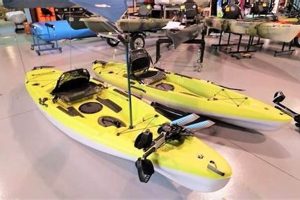
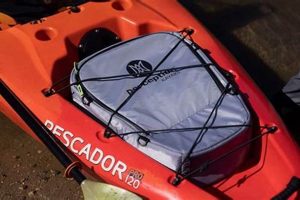
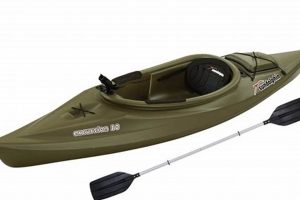
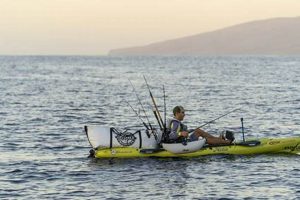
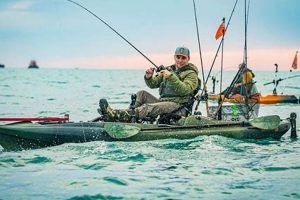
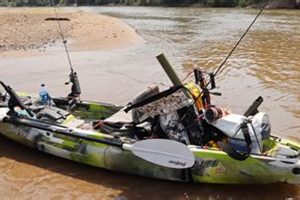
Allocating appropriate funds for a kayak designed for angling involves considering the cost of the vessel itself, along with essential accessories like paddles, life vests, rod holders, and fish finders. For instance, a basic setup might range from a few hundred dollars to over a thousand, while a more advanced configuration with high-end features could reach several thousand dollars. The total expenditure depends on factors such as the kayak’s material (plastic, fiberglass, etc.), propulsion system (paddle, pedal, or motor), and the angler’s desired level of comfort and technology integration.
Careful financial planning for this type of purchase allows anglers to maximize their investment and acquire equipment suited to their individual needs and fishing style. This process enables consumers to prioritize essential features, avoid overspending, and ultimately enhances the overall fishing experience. Historically, specialized fishing kayaks were less common, and anglers often adapted recreational kayaks. However, the increasing popularity of kayak fishing has led to a wider range of purpose-built vessels and accessories across various price points, making informed budgeting more critical than ever.
The following sections will explore various aspects of acquiring a suitable fishing kayak, including detailed examinations of different kayak types, essential accessories, and tips for staying within a predetermined spending limit.
Tips for Effective Kayak Angling Budgeting
Acquiring a kayak for fishing requires careful financial planning. The following tips offer guidance on establishing and adhering to a realistic spending plan.
Tip 1: Define Fishing Needs: Clarifying the type of fishing pursued (e.g., freshwater, saltwater, inshore, offshore) helps determine the necessary kayak features and influences overall cost. A smaller, less stable kayak might suffice for calm ponds, while offshore fishing demands a larger, more stable, and seaworthy vessel.
Tip 2: Research Kayak Types: Explore various kayak types (sit-on-top, sit-inside, inflatable) and their associated price ranges. Inflatable kayaks generally offer a lower entry point, while rigid kayaks often provide greater stability and durability, albeit at a higher cost.
Tip 3: Prioritize Essential Accessories: Focus on essential safety and fishing-specific gear, such as a personal flotation device (PFD), paddle, rod holders, and a basic fish finder, before considering non-essential items. A high-quality PFD is paramount for safety and should not be compromised based on budget constraints.
Tip 4: Explore Used Kayaks: Consider purchasing a used kayak to reduce initial expenses. Inspect used kayaks thoroughly for damage and wear before committing to a purchase.
Tip 5: Compare Prices Across Retailers: Compare prices from multiple retailers, both online and brick-and-mortar stores, to identify the best deals. Factor in shipping costs and potential sales tax when making comparisons.
Tip 6: Consider Long-Term Costs: Factor in potential long-term costs like maintenance, repairs, storage, and transportation when establishing a budget. Regular maintenance can prevent costly repairs down the line.
Tip 7: Set a Realistic Budget and Stick to It: Determine a comfortable spending limit and avoid exceeding it. Impulse purchases can easily derail a carefully planned budget.
By following these guidelines, individuals can select a fishing kayak and related equipment that aligns with their fishing style and financial resources, maximizing enjoyment on the water.
This financial preparation allows for a more informed purchasing decision. The subsequent section will delve into specific kayak recommendations categorized by budget tiers.
1. Kayak Type

Kayak type significantly influences overall cost and plays a crucial role in fishing kayak budgeting. Different kayak types cater to various fishing styles, water conditions, and angler preferences, each impacting the final price. Understanding the relationship between kayak type and budget allows for informed decision-making and ensures alignment between fishing needs and financial resources. For example, a sit-on-top kayak, known for stability and ease of use, generally represents a more budget-friendly option compared to a high-performance pedal-driven fishing kayak designed for speed and covering larger distances. Similarly, inflatable kayaks offer a lower entry point due to their portability and ease of storage, while rigid kayaks, known for durability and tracking, command a higher price. Choosing the appropriate kayak type ensures optimal use of allocated funds.
Consider a scenario where an angler primarily fishes calm, shallow waters. A shorter, less expensive sit-on-top kayak may suffice, allowing for maneuverability and easy casting. Conversely, an angler targeting offshore species requires a longer, more stable, and seaworthy vessel, often translating to a higher price point. Pedal-powered kayaks, ideal for covering vast distances, represent a significant investment compared to paddle kayaks. Analyzing fishing needs and matching them to the appropriate kayak type avoids unnecessary expenditure on features unsuitable for the intended purpose. Investing in a kayak tailored to specific fishing requirements ensures long-term satisfaction and efficient use of resources.
Selecting the correct kayak type represents a cornerstone of effective fishing kayak budgeting. Evaluating fishing style, target species, and water conditions alongside the features and price points of various kayak types leads to informed purchasing decisions. This careful consideration maximizes the allocated budget, enhances the fishing experience, and ensures the acquisition of a kayak optimally suited to individual needs.
2. Essential Accessories

Essential accessories play a significant role in fishing kayak budgeting. While the kayak itself forms the core expense, necessary add-ons contribute substantially to the overall cost. Careful consideration of these accessories ensures anglers remain within budget while equipping themselves with necessary gear for a safe and productive fishing experience. Neglecting to factor in these costs can lead to budget overruns and potentially compromise safety and fishing effectiveness.
- Personal Flotation Device (PFD)
A PFD is a non-negotiable safety item. Various types exist, from basic foam vests to inflatable models with integrated features. Prices vary based on design, comfort, and additional features like pockets and attachment points. Choosing a comfortable, well-fitting PFD ensures both safety and long-term use, justifying the expense within the overall budget.
- Paddle
Paddles range from basic aluminum models to lightweight, high-performance carbon fiber options. Paddle length and blade shape impact paddling efficiency and comfort. Selecting an appropriate paddle based on kayak type and paddling style is crucial for efficient propulsion and reduces fatigue. While a basic paddle might suffice for recreational use, a lighter, more efficient paddle can significantly enhance the fishing experience, particularly for longer trips, justifying a potentially higher cost within the budget.
- Rod Holders
Rod holders secure fishing rods while paddling or when fighting a fish. Various types include flush-mount, adjustable, and rotating models. The number and type of rod holders required depend on individual fishing style and preferences. While basic rod holders represent a minimal expense, specialized models offering greater adjustability and functionality can increase costs, requiring careful consideration within the budget.
- Fish Finder
Fish finders utilize sonar to locate fish and underwater structures. Prices range from basic units to advanced models with GPS, mapping, and networking capabilities. A fish finder can significantly improve fishing success, but the cost can vary significantly depending on features and complexity. Determining the necessary level of technology based on fishing style and target species helps allocate appropriate funds within the budget.
Careful budgeting for these essential accessories is vital for managing the overall cost of a fishing kayak setup. Balancing cost with functionality ensures a safe and enjoyable fishing experience without exceeding financial limitations. Choosing appropriate accessories tailored to individual fishing needs maximizes the value of the investment and avoids unnecessary expenditures. These initial investments contribute significantly to long-term fishing success and enjoyment, justifying their inclusion within a well-planned fishing kayak budget.
3. Material and Features

Material and features significantly influence fishing kayak budgets. Kayaks constructed from high-density polyethylene (HDPE) generally represent a more budget-friendly option, offering durability and impact resistance. However, HDPE kayaks can be heavier than those made from other materials. Fiberglass kayaks offer lighter weight and improved performance but come at a premium cost. Composite materials, such as carbon fiber, provide the ultimate in lightweight performance, but their high cost often places them beyond the reach of budget-conscious buyers. For example, a basic HDPE kayak might cost between $500 and $1000, while a comparable fiberglass model could range from $1500 to $3000 or more. Carbon fiber kayaks can easily exceed $4000. The choice of material directly impacts the initial investment and influences long-term maintenance costs. HDPE requires less maintenance than fiberglass or composite materials, contributing to long-term cost savings.
Features also play a crucial role in determining cost. Basic kayaks with minimal features, such as molded-in rod holders and storage compartments, typically represent the most affordable options. Advanced features like adjustable seats, pedal-drive systems, integrated electronics, and rudder systems contribute significantly to the overall cost. A kayak with a pedal-drive system, for instance, can add several hundred dollars or more to the price compared to a standard paddle kayak. Similarly, integrated fish finders, GPS systems, and other electronic accessories can significantly impact the final price. Choosing features aligned with specific fishing needs and budget constraints is essential. An angler fishing in calm, shallow waters may not require the speed and range offered by a pedal drive, while an angler targeting offshore species might consider it essential. Prioritizing essential features based on fishing style and target species prevents overspending on unnecessary additions.
Understanding the interplay between material, features, and cost allows for informed decisions during the kayak selection process. Balancing desired performance and features with budget limitations ensures a suitable kayak without exceeding financial constraints. Careful consideration of material and features contributes significantly to long-term satisfaction and ensures the chosen kayak aligns with individual fishing needs and budget parameters. This informed approach maximizes the value of the investment and facilitates a more enjoyable and productive fishing experience.
4. Used versus new
The decision between purchasing a new or used fishing kayak significantly impacts budget considerations. A used kayak typically offers a lower initial investment, allowing anglers to access higher-end models or allocate more funds towards essential accessories. However, purchasing a used kayak carries inherent risks, including potential undisclosed damage or wear. A thorough inspection, including checking for hull integrity, seam leaks, and hardware functionality, is crucial before committing to a purchase. The potential cost of repairs and replacements should be factored into the overall budget when considering a used kayak. For example, a new fishing kayak retailing for $1500 might be available used for $800-$1000, providing significant cost savings. However, if the used kayak requires repairs costing $300, the overall savings diminish. Conversely, a well-maintained used kayak can offer excellent value, providing comparable performance to a new model at a fraction of the cost.
Purchasing a new kayak offers the advantage of a manufacturer’s warranty and the assurance of pristine condition. This eliminates the risk of inheriting pre-existing damage or wear. New kayaks also offer the latest features and technology, which can enhance fishing performance and enjoyment. However, the higher initial investment associated with a new kayak may restrict access to certain models or limit the budget available for accessories. The decision often involves balancing the desire for the latest features and warranty protection against the potential cost savings associated with a used kayak. For instance, an angler on a tight budget might prioritize acquiring a stable, functional used kayak and allocate remaining funds towards essential safety gear and fishing accessories, while an angler with more financial flexibility might opt for a new model with advanced features and integrated technology.
The “used versus new” decision requires careful evaluation of individual financial constraints, fishing needs, and risk tolerance. A comprehensive assessment of potential maintenance costs, desired features, and warranty considerations informs a balanced decision. Ultimately, choosing a used or new kayak profoundly impacts the overall fishing kayak budget and should align with individual financial circumstances and long-term fishing goals. This careful deliberation ensures a financially sound investment that maximizes enjoyment on the water.
5. Long-Term Costs

A comprehensive fishing kayak budget extends beyond the initial purchase price. Long-term costs, often overlooked, play a crucial role in responsible financial planning. Understanding and accounting for these recurring expenses ensures sustainable enjoyment of kayak fishing without unexpected financial burdens. Neglecting these factors can lead to inadequate budgeting and potentially hinder long-term participation in the sport.
- Storage
Kayak storage represents a recurring cost. Options range from outdoor storage at home, potentially requiring a rack or hoist system, to indoor storage in a garage or shed. Off-site storage facilities represent another option, but monthly or annual fees accrue. Choosing appropriate storage solutions depends on available space, climate, and security concerns. For example, storing a kayak outdoors in harsh climates might necessitate a protective cover to prevent damage, adding to the overall cost. Indoor storage, while potentially more expensive, safeguards the kayak from the elements and theft.
- Maintenance and Repairs
Regular maintenance, including cleaning, inspections, and minor repairs, contributes to a kayak’s longevity and performance. Neglecting routine maintenance can lead to more extensive and costly repairs down the line. For instance, failing to rinse saltwater residue after each use can corrode metal components, necessitating replacement. Similarly, ignoring minor hull damage can lead to larger cracks and leaks, requiring professional repairs. Budgeting for routine maintenance, such as replacing worn-out hardware or applying UV protectant, minimizes the risk of more substantial expenses in the future.
- Transportation
Transporting a kayak to and from fishing locations incurs costs. Roof racks, trailers, or truck bed systems facilitate transportation but require initial investment and potentially increase fuel consumption. Calculating transportation costs depends on the distance traveled, frequency of fishing trips, and chosen transportation method. An angler fishing locally might only require a basic roof rack, while an angler traveling longer distances might opt for a dedicated kayak trailer, each impacting the overall budget differently.
- Upgrades and Accessories
The initial kayak setup rarely remains static. Anglers often upgrade existing equipment or add new accessories to enhance their fishing experience. Upgrading to a more comfortable seat, adding a fish finder, or investing in specialized fishing gear contributes to long-term costs. Budgeting for potential upgrades and accessories avoids unexpected financial strain and allows for gradual improvement of the fishing setup. Planning for these future expenses ensures continued enjoyment of the sport without compromising financial stability.
Integrating these long-term costs into the initial fishing kayak budget ensures a realistic financial plan. Failing to account for these recurring expenses can lead to budget overruns and potentially curtail long-term participation in kayak fishing. A comprehensive budget considers both the initial investment and ongoing expenses, ensuring sustainable enjoyment and maximizing the return on investment in the sport. By acknowledging these factors, anglers can make informed financial decisions that align with their long-term fishing goals and overall financial well-being.
Frequently Asked Questions
This section addresses common inquiries regarding financial planning for kayak angling.
Question 1: What is a reasonable starting price range for a fishing kayak setup?
A basic fishing kayak setup, including the kayak, paddle, PFD, and essential accessories, typically starts between $500 and $1000. Higher-end models and specialized features can significantly increase this range.
Question 2: How does kayak material affect cost and performance?
High-density polyethylene (HDPE) offers affordability and durability, while fiberglass provides lighter weight and enhanced performance at a higher cost. Composite materials like carbon fiber offer superior performance but represent a premium investment.
Question 3: What essential accessories should be included in a fishing kayak budget?
Essential accessories include a PFD, paddle, rod holders, and potentially a fish finder. Prioritizing safety and essential fishing gear over non-essential items helps manage costs effectively.
Question 4: Are used kayaks a viable option for budget-conscious anglers?
Used kayaks offer potential cost savings but require careful inspection for damage or wear. Factoring potential repair costs into the budget is crucial when considering used options.
Question 5: What long-term costs should be considered beyond the initial purchase?
Long-term costs include storage fees, maintenance and repairs, transportation expenses, and potential upgrades or additional accessories. Accounting for these recurring costs ensures sustainable and enjoyable kayak angling.
Question 6: How can anglers effectively manage their fishing kayak budget?
Defining fishing needs, researching kayak types, prioritizing essential accessories, exploring used options, and comparing prices across retailers facilitates effective budget management.
Careful financial planning ensures anglers acquire appropriate equipment without overspending. Understanding the factors influencing cost allows for informed decisions that align with individual fishing needs and financial resources.
The next section offers specific kayak recommendations categorized by budget tiers, facilitating informed purchasing decisions.
Fishing Kayak Budget
Effective allocation of funds for a fishing kayak involves careful consideration of various factors, including the type of kayak, essential accessories, material and features, the option of purchasing used versus new, and anticipated long-term costs. A well-defined budget ensures anglers acquire appropriate equipment aligned with individual fishing styles and financial resources. Prioritizing essential features, conducting thorough research, and comparing prices contribute to informed purchasing decisions and maximize the value of the investment.
Careful financial planning empowers anglers to fully enjoy the sport without incurring unnecessary expenses. A well-structured budget facilitates informed decision-making, promotes responsible spending, and enhances the overall kayak fishing experience. Ultimately, a well-defined fishing kayak budget contributes to long-term satisfaction and enjoyment on the water.