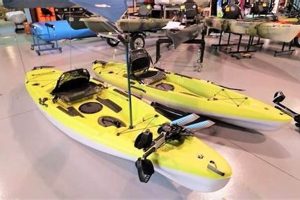
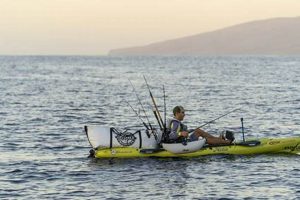
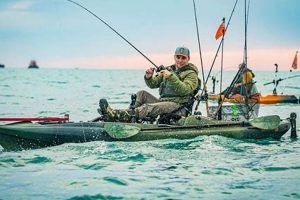
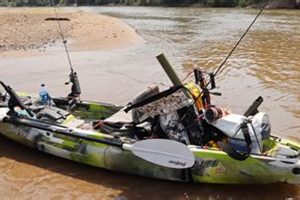
A competitive angling event specifically designed for kayak anglers, this type of tournament tests participants’ skills in catching specific fish species from human-powered kayaks. Such competitions often involve navigating designated fishing areas within a set timeframe, adhering to specific rules and regulations regarding eligible species, tackle, and catch-and-release practices. Prizes are typically awarded based on factors like the size, weight, or number of fish caught.
These events promote sportsmanship, conservation awareness, and the growth of the kayak fishing community. They offer a platform for anglers to test their abilities, learn new techniques, and share experiences. Furthermore, such tournaments can contribute to local economies through tourism and related spending. Historically, competitive fishing has evolved alongside advancements in kayak design and fishing technology, leading to increased popularity and participation in specialized kayak fishing tournaments.
This article will further explore various aspects of competitive kayak angling, including tournament formats, essential gear and techniques, the role of conservation, and the growing influence of technology in the sport.
Tips for Competitive Kayak Angling
Success in competitive kayak fishing hinges on preparation, strategic thinking, and efficient execution. These tips offer guidance for anglers seeking to enhance their performance.
Tip 1: Master Kayak Control: Proficiency in maneuvering a kayak, especially in challenging conditions, is paramount. Practice precise paddling, anchoring techniques, and maintaining stability while casting and retrieving.
Tip 2: Target Species Knowledge: Understanding the target species’ behavior, preferred habitats, and feeding patterns is crucial. Researching local fish populations and seasonal variations significantly increases the chances of success.
Tip 3: Optimize Tackle and Gear: Select appropriate rods, reels, lines, and lures based on the target species and fishing environment. Organize tackle efficiently for quick access and minimize clutter within the kayak.
Tip 4: Develop a Pre-Fishing Strategy: Planning fishing locations, routes, and tackle choices based on weather conditions, tides, and time constraints is essential. Pre-tournament scouting can provide valuable insights.
Tip 5: Employ Effective Fish-Finding Techniques: Utilize fish finders, depth sounders, and other electronic tools to locate fish concentrations and identify promising underwater structures. Interpreting the data accurately can be a game-changer.
Tip 6: Prioritize Safety: Wear a personal flotation device, carry essential safety equipment (whistle, flares, communication device), and be aware of weather forecasts and potential hazards. Safety should always be the top priority.
Tip 7: Practice Catch-and-Release Techniques: Handle fish with care to minimize stress and ensure their survival after release. Utilize appropriate tools and techniques for quick and efficient hook removal.
By focusing on these key areas, anglers can significantly improve their chances of success in competitive kayak fishing while promoting responsible angling practices.
These insights aim to equip anglers with the knowledge and strategies to excel in competitive kayak fishing. The following section will delve into advanced techniques and strategies for tournament success.
1. Kayak Angling Skill
Kayak angling skill plays a pivotal role in the “Rey Del Mar Kayak Fishing Tournament.” Success in this competitive environment demands more than just fishing proficiency; it requires a specialized skill set tailored to the unique challenges of angling from a kayak. The ability to maintain balance and stability while casting, retrieving, and landing fish in a potentially dynamic marine environment is essential. Precise boat control, including maneuvering through currents, wind, and waves, directly impacts an angler’s ability to reach target fishing areas and present lures effectively. For instance, experienced kayak anglers often utilize specialized paddling techniques and anchoring systems to maintain position in challenging conditions, maximizing their fishing opportunities. This level of boat control becomes especially critical during the tournament, where efficient navigation and strategic positioning can significantly influence results.
Furthermore, kayak angling skill encompasses efficient tackle management and adaptation to changing conditions. The limited space within a kayak necessitates meticulous organization and quick access to essential gear. Adapting fishing techniques based on real-time observations of weather, tides, and fish behavior is also crucial. A skilled kayak angler can quickly adjust lure selection, retrieval speed, and fishing depth to optimize catch rates. For example, an angler might switch from topwater lures to bottom-fishing rigs if wind and wave conditions become unfavorable for surface fishing. This adaptability is a hallmark of successful competitors in the “Rey Del Mar” environment.
In summary, kayak angling skill, encompassing boat control, tackle management, and adaptability, is intrinsically linked to success in the “Rey Del Mar Kayak Fishing Tournament.” These specialized skills differentiate experienced kayak anglers from recreational fishermen and contribute significantly to competitive performance. Mastering these skills requires dedicated practice, continuous learning, and a deep understanding of the marine environment. This focus on specialized kayak angling skills underscores the tournament’s emphasis on expertise and highlights the challenges inherent in competitive saltwater kayak fishing.
2. Competitive fishing

Competitive fishing provides the foundational framework for the “Rey Del Mar Kayak Fishing Tournament.” This structure transforms recreational angling into a test of skill, strategy, and sportsmanship. Understanding the nuances of competitive fishing is essential for grasping the tournament’s significance and the challenges it presents to participants.
- Rules and Regulations
Competitive fishing operates under specific rules designed to ensure fair play and conservation. These regulations might dictate eligible species, size limits, permitted fishing methods, and boundaries for the fishing area. For example, a tournament might specify a minimum size limit for redfish, prohibit the use of live bait, or restrict fishing to a designated section of the coastline. In the “Rey Del Mar” context, adherence to these rules is paramount, and violations can result in penalties or disqualification. These rules ensure a level playing field and promote responsible fishing practices.
- Scoring Systems
Various scoring systems determine the winner in competitive fishing. Some tournaments award points based on the total weight of fish caught, while others prioritize the length or number of specific species. For instance, a catch-and-release tournament might utilize a length-based scoring system where anglers photograph their catches alongside a measuring device before releasing them. “Rey Del Mar” likely employs a specific scoring system to objectively evaluate participant performance and determine the ultimate winner.
- Strategy and Tactics
Success in competitive fishing relies heavily on pre-tournament planning and in-event adaptation. Anglers research fishing grounds, study target species behavior, and develop strategies to maximize their catch within the allotted time. For instance, an angler might focus on specific underwater structures known to hold certain fish species during a particular season. During the tournament, adaptability is crucial as weather patterns, fish activity, and competitor actions can necessitate adjustments to pre-planned strategies. “Rey Del Mar” rewards anglers who demonstrate strategic thinking and the ability to adapt to changing conditions.
- Sportsmanship and Ethics
Competitive fishing emphasizes sportsmanship and ethical conduct. Respect for fellow competitors, adherence to rules, and responsible handling of fish are paramount. For example, anglers are expected to avoid interfering with other competitors’ fishing lines and to report any rule violations they witness. In the “Rey Del Mar” tournament, sportsmanship is likely a key value, contributing to the overall positive atmosphere and promoting the integrity of the competition. Catch-and-release practices often feature prominently, underscoring a commitment to conservation and the long-term health of fish populations.
These facets of competitive fishing converge in the “Rey Del Mar Kayak Fishing Tournament,” creating a challenging yet rewarding experience for participants. The tournament structure tests not only angling prowess but also strategic thinking, adaptability, and sportsmanship within the unique context of kayak fishing in a marine environment. The combination of these elements elevates the “Rey Del Mar” tournament beyond a simple fishing competition and establishes it as a showcase of skill, dedication, and respect for the marine ecosystem.
3. Marine environment ("del mar")
The marine environment plays a crucial role in defining the “Rey del Mar Kayak Fishing Tournament,” directly influencing the challenges, strategies, and overall experience. “Del mar,” meaning “of the sea,” highlights the tournament’s inherent connection to the ocean and its complex ecosystem. This saltwater environment presents specific conditions that shape the competition, distinguishing it from freshwater kayak fishing tournaments. Tidal currents, wave patterns, wind conditions, and salinity levels all impact fish behavior and distribution, demanding adaptability from anglers. For instance, strong currents might necessitate the use of heavier tackle and specialized anchoring techniques, while changing tides can influence the best times and locations to target specific species. Understanding these dynamic factors is essential for success in the “Rey del Mar” setting. Furthermore, the marine environment introduces a diverse range of potential target species, each with its own unique habitat preferences and feeding habits. This biodiversity adds complexity to pre-fishing planning and requires anglers to possess a broad knowledge of saltwater fish species.
The “del mar” aspect also underscores the importance of conservation and responsible angling practices within the tournament framework. The health of the marine ecosystem directly affects the long-term sustainability of the sport. Catch-and-release practices, adherence to size and bag limits, and proper disposal of fishing line are essential for minimizing the tournament’s environmental impact. For example, utilizing circle hooks can reduce injury to released fish, promoting their survival. Respect for the marine environment not only aligns with ethical angling practices but also ensures the continued viability of the “Rey Del Mar” tournament for future generations. The tournament itself can serve as a platform for promoting marine conservation awareness within the kayak angling community.
In summary, the marine environment is an integral component of the “Rey del Mar Kayak Fishing Tournament,” shaping its challenges, influencing strategies, and underscoring the importance of conservation. Understanding the dynamic nature of the ocean, the diversity of its inhabitants, and the need for responsible angling practices is crucial for both participants and organizers. The “del mar” element distinguishes this tournament, emphasizing the unique skills and knowledge required to succeed in a competitive saltwater kayak fishing environment. This connection to the marine ecosystem reinforces the tournament’s commitment to both sporting excellence and environmental stewardship.
4. "King of the Sea" (translated title)

The title “Rey del Mar,” translating to “King of the Sea,” imbues the kayak fishing tournament with a sense of grandeur and mastery. This symbolic title elevates the competition beyond a mere sporting event, transforming it into a quest for dominance within the marine environment. The “King of the Sea” moniker suggests a profound understanding of and connection to the ocean, implying that the winner possesses not only exceptional angling skills but also a deep respect for the marine ecosystem. This title resonates with the inherent human fascination with conquering natural challenges and achieving supremacy within a specific domain. Consider, for example, the legendary fishermen of various cultures who, through their intimate knowledge of the sea and unmatched fishing prowess, earned similar symbolic titles within their communities. The “Rey del Mar” title evokes this historical connection, linking contemporary kayak anglers to a timeless tradition of maritime expertise.
The “King of the Sea” title also contributes to the tournament’s allure and prestige. It attracts skilled anglers seeking recognition and validation of their expertise within the competitive kayak fishing community. Winning the “Rey del Mar” title signifies mastery within a challenging and dynamic environment, conferring bragging rights and elevating the victor’s status within the sport. This recognition can translate into sponsorship opportunities, media attention, and invitations to other prestigious fishing events. Furthermore, the title’s symbolic weight enhances the tournament’s overall appeal to sponsors, spectators, and the wider angling community. It creates a narrative of skill, competition, and connection to the natural world, drawing attention to the sport of kayak fishing and promoting its growth. For instance, a well-publicized “Rey del Mar” tournament can attract media coverage, showcasing the skill and athleticism of kayak anglers to a broader audience. This increased visibility can benefit both individual competitors and the sport as a whole.
In summary, the “King of the Sea” translation of “Rey del Mar” adds a layer of symbolic significance to the kayak fishing tournament. It connects the competition to a historical narrative of maritime mastery, enhances its prestige, and attracts skilled anglers seeking recognition. The title’s evocative power contributes to the tournament’s allure, promoting the sport of kayak fishing and fostering a sense of community among participants. Understanding the symbolic weight of the “King of the Sea” title provides valuable insight into the tournament’s cultural significance and its impact on the competitive kayak angling landscape. This symbolic title ultimately reinforces the tournament’s core values of skill, sportsmanship, and respect for the marine environment, solidifying its position as a premier event within the world of kayak fishing.
5. Prestige and recognition

The “Rey del Mar Kayak Fishing Tournament” offers substantial prestige and recognition within the competitive kayak angling community. Victory in such a challenging tournament signifies a high level of skill, dedication, and mastery of the marine environment. This recognition can significantly enhance an angler’s reputation, potentially leading to sponsorship opportunities, invitations to other prestigious events, and a heightened profile within the sport. For instance, winning anglers often gain media attention, featuring in fishing publications and online platforms, further solidifying their status as experts in the field. This elevated profile can open doors to collaborations with brands, guiding services, and other avenues for professional advancement within the fishing industry. Moreover, the prestige associated with the “Rey del Mar” title can attract a larger and more competitive field of participants, enhancing the tournament’s overall reputation and attracting greater sponsorship interest. This cyclical effect ultimately benefits the entire kayak angling community by raising the bar for competition and fostering a culture of excellence.
Consider the example of a hypothetical angler, Maria, who consistently performs well in local tournaments but lacks wider recognition. A victory in the “Rey del Mar” tournament dramatically changes her trajectory. Suddenly, she is recognized as one of the top kayak anglers in the region, attracting sponsorships from kayak manufacturers, fishing gear companies, and even local tourism boards. This newfound support allows her to dedicate more time to honing her skills, participating in larger tournaments, and potentially even pursuing a career as a professional angler. Maria’s success story, fueled by the prestige of the “Rey del Mar” title, inspires other anglers and contributes to the growth and professionalization of the sport. This ripple effect demonstrates the tangible impact of prestige and recognition on individual careers and the overall development of competitive kayak angling.
In summary, prestige and recognition are integral components of the “Rey del Mar Kayak Fishing Tournament.” They serve as powerful motivators for anglers, driving them to refine their skills and compete at the highest level. The tournament’s prestigious title acts as a catalyst for career advancement, attracting sponsorships and media attention that can propel successful anglers to new heights within the sport. This understanding highlights the practical significance of prestige and recognition in shaping the competitive landscape of kayak angling and fostering a culture of continuous improvement within the community. The “Rey del Mar” tournament, by offering these valuable rewards, contributes significantly to the growth and professionalization of the sport, inspiring both current and future generations of kayak anglers.
6. Conservation and sportsmanship

The “Rey del Mar Kayak Fishing Tournament” inherently connects with conservation and sportsmanship, recognizing the importance of responsible angling practices within a competitive framework. This connection stems from the understanding that the long-term health of fish populations and the marine environment directly impacts the sustainability of the sport. Conservation efforts, such as catch-and-release practices, adherence to size and bag limits, and the use of appropriate fishing gear, become integral components of the tournament’s structure. For instance, the tournament might mandate the use of circle hooks, known for reducing injury to fish, thereby increasing their chances of survival after release. Promoting these practices within a competitive setting reinforces their importance within the broader angling community. Furthermore, the tournament can serve as a platform for educating participants and spectators about the importance of marine conservation, raising awareness about issues such as habitat destruction, pollution, and overfishing. By integrating conservation principles into the tournament’s framework, “Rey del Mar” actively contributes to protecting the marine ecosystem that supports the sport.
Sportsmanship, another crucial element, fosters a positive and respectful atmosphere within the competitive environment. It encompasses adherence to tournament rules, fair play, and respect for fellow competitors. For example, anglers are expected to avoid interfering with other participants’ fishing lines, to report any rule violations they witness, and to offer assistance to fellow competitors in need. Sportsmanship extends beyond the competition itself, encouraging anglers to act as stewards of the marine environment. This might involve participating in beach cleanups, advocating for responsible fishing regulations, or educating others about conservation best practices. By emphasizing sportsmanship, the “Rey del Mar” tournament cultivates a sense of community among participants, fostering positive interactions and promoting ethical angling practices. This emphasis on sportsmanship contributes to the tournament’s positive reputation and enhances its appeal to both participants and sponsors.
In conclusion, conservation and sportsmanship are not merely peripheral considerations but rather fundamental pillars of the “Rey del Mar Kayak Fishing Tournament.” By integrating these values into the tournament’s structure and ethos, organizers create a competition that celebrates both skill and ethical conduct. This approach ensures the long-term sustainability of the sport while fostering a positive and respectful atmosphere within the kayak angling community. The tournament’s commitment to conservation and sportsmanship sets a positive example for other fishing competitions, promoting responsible angling practices and contributing to the preservation of marine ecosystems. Understanding this connection provides valuable insight into the tournament’s broader impact, extending beyond individual achievement to encompass environmental stewardship and the cultivation of ethical sporting values.
Frequently Asked Questions
This section addresses common inquiries regarding participation in and the nature of competitive kayak fishing tournaments, specifically those styled “Rey del Mar.”
Question 1: What distinguishes a “Rey del Mar” style tournament from other kayak fishing competitions?
“Rey del Mar,” translating to “King of the Sea,” often denotes a saltwater kayak fishing tournament with an emphasis on challenging marine environments. These tournaments typically emphasize the angler’s ability to navigate and fish effectively in potentially demanding ocean conditions.
Question 2: What type of kayak is most suitable for these tournaments?
While specific regulations may vary, kayaks designed for stability and maneuverability in open water are generally preferred. Sit-on-top kayaks are popular choices due to their self-bailing capabilities and ease of re-entry in the event of a capsize. Features such as rod holders, anchor systems, and ample storage space are also beneficial.
Question 3: What essential safety equipment is required or recommended?
A personal flotation device (PFD) is paramount. Other crucial safety items include a whistle, visual distress signals (flares or a signal mirror), a waterproof communication device (VHF radio or satellite phone), and a first-aid kit. A leash connecting the angler to the kayak is also highly recommended.
Question 4: How does scoring typically work in these competitions?
Scoring systems can vary, but often involve a combination of species-specific length and weight measurements. Catch-and-release practices frequently utilize photographs alongside measuring devices for scoring purposes. Tournaments may award points for the largest fish within a specific species or the cumulative length/weight of multiple catches.
Question 5: How can one prepare effectively for a “Rey del Mar” style tournament?
Thorough preparation includes researching local fishing regulations, studying target species behavior, practicing kayak handling skills in various conditions, and optimizing tackle and gear for the marine environment. Pre-tournament scouting of potential fishing areas can provide a significant advantage.
Question 6: Are there specific conservation practices emphasized in these tournaments?
Many “Rey del Mar” style tournaments prioritize conservation through catch-and-release protocols and adherence to strict size and bag limits. Responsible handling of fish, minimizing stress during measurement and release, and proper disposal of fishing line are typically emphasized.
Careful consideration of these frequently asked questions helps potential participants understand the unique challenges and rewards associated with “Rey del Mar” style kayak fishing tournaments. Adequate preparation and a commitment to both competitive excellence and conservation principles contribute to a successful and enriching tournament experience.
The following section delves deeper into advanced techniques and strategies specific to competitive kayak fishing in a marine environment.
Conclusion
This exploration of competitive kayak angling, with a focus on “rey del mar kayak fishing tournament” style events, has highlighted the multifaceted nature of the sport. From the specialized skills required to navigate and fish effectively in dynamic marine environments to the importance of conservation and sportsmanship, these tournaments represent a unique blend of athleticism, strategy, and respect for the natural world. Key aspects discussed include the challenges posed by the marine environment, the role of competitive structures, the significance of the “King of the Sea” title, the prestige associated with victory, and the integration of conservation principles.
The future of competitive kayak angling hinges on continued emphasis on responsible angling practices, technological advancements that enhance both safety and performance, and the ongoing growth of a vibrant and supportive community. As the sport evolves, maintaining a balance between competitive drive and environmental stewardship will be crucial for ensuring its long-term sustainability and preserving the marine ecosystems that make it possible. The “rey del mar kayak fishing tournament” serves as a powerful example of how competition can be a driving force for both individual achievement and collective responsibility within the world of kayak angling.